

Tipping and Service Etiquette During Medical Travel in Turkey

Tip modestly and optionally for hospitality services, hotel porters, drivers, restaurant and housekeeping staff, and never for clinical care. Doctors, nurses and technicians in Turkish hospitals are not tipped; appreciation is shown through a thank-you or formal feedback. Small Turkish lira notes are the most practical for everyday tips, and if a bill already includes a service charge, anything extra is entirely optional.
Standing at a reception desk with a folded note in your hand, unsure whether offering it would be kind or awkward: it is one of the most common quiet worries international patients mention. The answer is simpler than you might expect, and it rests on a single distinction.
Tipping in Turkey is modest, optional and driven by appreciation rather than obligation. Medical settings, however, have their own boundaries: hospitality staff may be tipped, clinical staff are not. This guide explains tipping and service etiquette during medical travel in Turkey, when a small tip fits, when a thank-you serves better, and how to move through hospitals, hotels, taxis and restaurants without second-guessing yourself.
At a glance
- Core rule: Tip modestly for hospitality services; never tip doctors, nurses, technicians or other clinical staff.
- Currency: Small Turkish lira notes are the most practical for tips. Some tourist services accept euros or US dollars, but lira avoids awkward change questions.
- Service charges: If a bill already includes a service charge, anything extra is entirely optional.
- In hospital: Punctuality, privacy and clear communication matter far more than gifts or cash.
- When unsure: Patient coordinators and interpreters can explain local custom discreetly. Asking is normal, not rude.
How tipping and service etiquette during medical travel in Turkey actually work
Turkey has a warm, attentive service culture, particularly in Istanbul and other cities that host international visitors. In restaurants, hotels, taxis and tourism-related services, small tips are common when you feel someone has been genuinely helpful. They are a gesture, not a levy. No one should make you feel uncomfortable for choosing not to tip, and in ordinary settings almost no one will.
Where medical travellers get confused is in mixing two sets of rules. Tourist guidance about tipping applies to hospitality: the porter who carries your bags, the driver who waits while you finish an appointment, the server who brings your meal. It does not apply to healthcare. Doctors, nurses, technicians and clinical support teams work to professional standards, and your treatment relationship should never involve cash, gifts or personal favours. Offering a tip in a clinical setting is not a small courtesy; it crosses a boundary that professional staff are expected to keep.
A medical trip also changes the practical picture. You may be fasting before a procedure, tired afterwards, or handing everyday logistics to a companion. You will meet more service staff than a typical tourist does, transfer drivers, hotel housekeeping over a longer stay, couriers delivering supplies. Understanding tipping and service etiquette during medical travel in Turkey before you arrive means these moments stay small, which is exactly what they should be.
Where tipping is appropriate during your trip
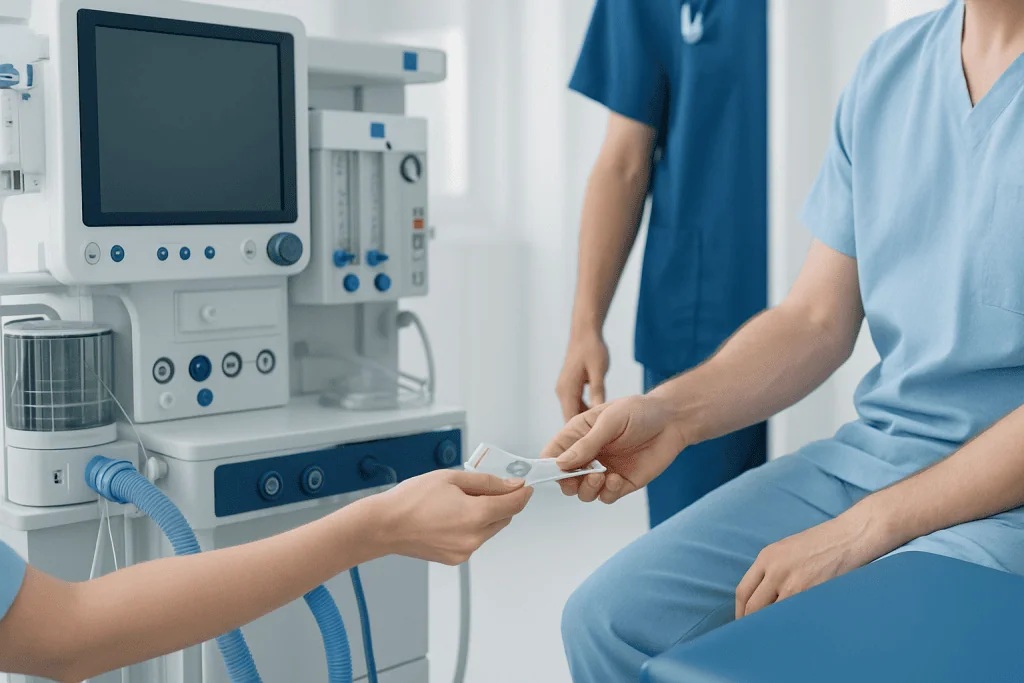
Most tipping during medical travel happens outside the hospital. Hotel staff, restaurant servers, taxi and transfer drivers, luggage assistants and delivery couriers are the people you will most often want to thank, especially when someone goes out of their way with mobility needs, heavy bags, waiting time or a special request.
In restaurants and cafés, some guests leave a small amount in cash when service has been good. Check the bill first: if a service charge already appears, an extra tip is optional and can be skipped without any awkwardness. In taxis, rounding up the fare is the common gesture when a driver has been patient or careful with luggage. There is no formal expectation beyond that.
| Situation | Is a tip expected? | What is customary |
|---|---|---|
| Hotel porter or bell staff | Not expected, but appreciated | A small cash tip for luggage help |
| Housekeeping | Optional | A small amount for longer stays or extra assistance |
| Restaurant or café | Optional | A modest amount if no service charge is on the bill |
| Taxi | Not expected | Rounding up the fare is common |
| Private transfer driver | Optional | A small tip for help with bags, wheelchairs or waiting |
| Delivery courier | Optional | Rounding up is typical |
| Doctors, nurses, clinical staff | No | A thank-you note or formal hospital feedback |
| Interpreters and patient coordinators | No | Written thanks or official feedback |
Keep a few small Turkish lira notes with you, because card terminals do not always allow a tip to be added and service staff may not carry change for large notes. If you are recovering from a procedure or travelling with limited mobility, letting your companion manage small cash payments spares you from handling money repeatedly on tiring days.
Hospital etiquette: what matters most

Inside a hospital, respect and clear communication count for more than any tip ever could. Care is provided according to professional standards, and it does not depend on gifts, cash or personal gestures. A sincere thank-you, a short written note or positive feedback through the hospital’s own channels is the right way to express appreciation, and staff genuinely value it.
Good etiquette in clinical settings is mostly practical. Arrive on time for appointments. Follow the preparation instructions your care team gives you. Say so if you have not understood something; asking twice is far better than guessing. Keep your phone on silent in waiting areas and clinical spaces, and avoid speakerphone calls where other patients, some of them anxious or unwell, can hear. If you need language support, ask for an interpreter rather than relying on gestures. Hospitals that regularly treat international patients provide interpreters so that consent discussions, instructions and follow-up plans are understood clearly on both sides.
Privacy deserves particular care. Do not photograph staff, other patients, treatment rooms or medical documents without permission. The same applies to anyone travelling with you: companions should respect visiting hours, quiet zones and infection-control measures in patient areas. If your companion is carrying much of the practical load, the guide to caregiver self-care during medical travel covers how they can support you without wearing themselves out.
Cash, currency and practical payment manners
For small tips, Turkish lira is the practical choice. In tourist districts of Istanbul, some staff may accept euros or US dollars, but local currency is simpler and avoids exchange questions on both sides. Favour small notes over large ones: a porter or courier will rarely be able to break a big bill, and the moment becomes awkward for everyone.
Cards are widely accepted in restaurants, hotels and shops, but tipping by card is inconsistent: some terminals allow it, many do not. If you want to tip, handing over cash with a thank-you is the simplest, most natural gesture. If you prefer not to tip, paying the exact amount with a warm word of thanks is entirely acceptable. For a fuller picture of what everyday spending looks like on a treatment trip, see the guide to daily expenses during medical travel in Turkey.
When a bill arrives, review it calmly before paying. Look for service charges, room-service fees, delivery fees or included taxes, and ask politely if anything is unclear. Keep your tipping cash separate from your main funds and documents: a small everyday purse for lira notes works well, and the guide on keeping valuables and medical documents safe during treatment travel explains how to organise the rest.
Showing appreciation without tipping
Many patients feel deeply grateful after treatment and want that gratitude to land somewhere. In a medical setting, non-cash gestures are both the safest and the most meaningful. A thank-you card, a short message to the patient care team, or a formal compliment through the hospital feedback system reaches the people who helped you while keeping professional boundaries intact. Named, specific feedback, mentioning what someone did well, carries real weight for staff.
If you are considering a small gift, ask your patient coordinator first. Hospital policies may limit what staff can accept, and food gifts are often impractical because of hygiene rules, allergies, fasting schedules or shared work areas. Checking before buying saves an awkward moment later.
There is also a quieter form of appreciation: being prepared. Bringing your documents, keeping to appointment times, letting the team know if you are delayed, and asking questions respectfully all reduce friction for staff and other patients. It is unglamorous, but it is noticed.
Etiquette with interpreters, coordinators and support staff
International patient coordinators and interpreters often become your most familiar points of contact, because they handle language, logistics, appointments and the small daily questions in between. Their role is professional and part of the support system around your care. You should not feel expected to tip them, and they should never suggest otherwise.
Working well with an interpreter is a skill worth learning quickly. Speak in short, clear sentences and pause regularly so nothing is compressed or lost. Look at the healthcare professional, not the interpreter, when medical decisions are being discussed, and let the interpreter render your words accurately rather than summarising for them. If a topic feels too personal to say through a third person, remember that healthcare interpreters work under confidentiality and handle sensitive conversations routinely.
With coordinators, practical courtesy makes the biggest difference. Share travel changes early rather than at the last minute. Keep copies of your passport and medical documents accessible. Mention promptly if your companion, mobility needs, hotel or return flight changes, because each of these affects planning further down the line. If their support has been excellent, a written note of thanks or formal feedback is the appropriate gesture, and a valued one.
Cultural courtesies that make your stay easier
Turkish hospitality tends to be warm, direct and attentive. A friendly greeting, eye contact and a simple thank-you go a long way. A few words of Turkish are appreciated far beyond their difficulty: merhaba means hello, teşekkür ederim means thank you, and lütfen means please. Nobody expects fluency; the attempt itself is the courtesy.
Dress codes in Istanbul are modern and flexible, but modest, comfortable clothing is a sensible default for hospital visits and recovery days. In waiting areas, keep your voice low and be mindful that others nearby may be waiting for difficult news. If you visit mosques or other religious sites before or after treatment, modest dress may be requested at the entrance.
Service rhythms shift at certain times of year. During Ramadan, restaurant hours, traffic patterns and the pace of daily life change noticeably, although hospitals continue to operate as usual: the guide to medical travel to Turkey during Ramadan explains what to expect. Public and religious holidays bring their own changes to pharmacies, transport and crowds, covered in the guide to planning medical travel during peak holiday seasons. Etiquette during these periods is mostly a matter of patience and awareness rather than special rules.
Step by step
- Prepare small local currency. Before your first full day in Turkey, set aside Turkish lira in low denominations. It makes thanking a porter, driver or courier effortless, no change needed, no card terminal involved.
- Separate hospitality from healthcare. Tip only in non-clinical situations such as hotels, restaurants and transport. Never offer cash to doctors, nurses, technicians or other clinical staff.
- Check the bill before adding anything. In restaurants, hotels and room service, look for a service charge or delivery fee. If a service charge is included, anything extra is optional and can be very modest.
- Ask when a situation feels unclear. Patient coordinators and interpreters can explain local custom discreetly. A quiet question, ‘Is tipping customary here?’, is completely normal.
- Use written thanks for hospital teams. A short thank-you note or the hospital feedback process recognises the people who cared for you while respecting professional boundaries.
- Let your companion handle cash during recovery. If you are tired, fasting or recovering, hand small payments and tips to your companion so you can focus on rest and appointments.
- Keep it simple and calm. A smile, patience and clear communication carry you through almost every interaction in Turkey. Modesty and respect are usually enough; you do not need to overthink it.
Your checklist
- Carry small Turkish lira notes for hotel, taxi and delivery tips.
- Never tip doctors, nurses, technicians or other clinical staff.
- Check whether a service charge is already on the bill before tipping in restaurants.
- Ask a coordinator or interpreter discreetly if a custom is unclear.
- Use thank-you notes or formal feedback to appreciate hospital teams.
- Ask before bringing any gift for hospital staff.
- Keep your phone silent in waiting areas and clinical spaces.
- Avoid photographing staff, patients or medical areas without permission.
- Tell your coordinator early about travel, hotel or companion changes.
- Let a companion manage cash when you are recovering or tired.
Key takeaways
- Tipping in Turkey is common in hospitality settings but modest and always optional.
- Clinical staff are never tipped; professional care is not connected to cash or gifts.
- Small Turkish lira notes are the easiest way to handle everyday tips.
- Service charges on a bill mean any extra tip is purely a personal choice.
- Coordinators and interpreters can clarify local customs; written thanks is the right gesture for them too.
- Politeness, privacy, punctuality and clear questions are the real currency of hospital etiquette.
Frequently asked questions
Should I tip doctors or nurses in Turkey?
No. Doctors, nurses, technicians and other clinical staff are not tipped, and offering cash in a clinical setting crosses a professional boundary. If you want to express gratitude, a thank-you note, kind words or formal feedback through the hospital is the appropriate gesture, and one that staff genuinely value.
How much should I tip in restaurants during medical travel in Turkey?
Restaurant tipping is optional and modest. Check the bill first: if a service charge is already included, anything extra is purely a personal choice. When no service charge appears and the service was good, a small cash amount left with the bill is the usual gesture. Nobody will chase you for more.
Is it better to tip in Turkish lira, euros or US dollars?
Turkish lira is best for everyday tips because it is the local currency and easiest for staff to use. In tourist areas, euros or US dollars are sometimes accepted, but they are never necessary. Keeping small lira notes avoids awkward change and exchange questions on both sides.
Do I need to tip my interpreter or patient coordinator?
No. Interpreters and international patient coordinators are professional support staff, and tipping them is neither expected nor appropriate. If their help made a real difference, a written thank-you or official feedback recognises them properly and reaches the people who oversee their work.
What if someone asks me directly for a tip?
In ordinary hospitality settings, decide based on your comfort and the quality of service: a polite decline is acceptable. In a hospital or clinical context, decline and mention it to your patient coordinator afterwards, because tipping should never feel pressured or connected to your care in any way.
Can I bring gifts for the hospital team?
Ask your patient coordinator before buying anything. Hospital policies may limit what staff can accept, and food gifts are often impractical because of hygiene rules, allergies and shared work areas. A thank-you card is usually the safest and most appreciated option.
What etiquette should my companion follow in the hospital?
Companions should respect visiting hours, privacy, quiet areas and infection-control guidance. They can help by keeping documents organised, managing small payments and tips, and asking questions when you are tired. They should also avoid photos or videos in clinical areas without permission.
Add us as a Preferred Source to see more of our trusted health content across Google Search, AI Overviews and Discover.

Update history
- PublishedJune 22, 2026
- Medical review approvedSeptember 13, 2026
- Last content updateSeptember 12, 2026
References1
More Patient Guides

When a Hospital Stay in Turkey Becomes Longer Than Planned: What to Arrange
If your hospital stay in Turkey is longer than planned, arrange medical updates, accommodation, travel changes, insurance and support for your companion.

Waiting for Test Results in Turkey: How to Use Time Between Appointments
Waiting for test results in Turkey is easier with a clear plan for appointments, rest, records, questions and support in Istanbul.

Unexpected ICU Stay in Turkey: What Patients and Families Should Expect
Unexpected ICU stay in Turkey: learn what patients and families can expect, from communication and visiting to care updates and travel support.

How to Manage Special Diets During Medical Travel in Turkey
Special diets during medical travel in Turkey are easier to manage when you share your needs early, confirm meals and carry safe…