

What to Expect Step by Step on Treatment Day in Turkey
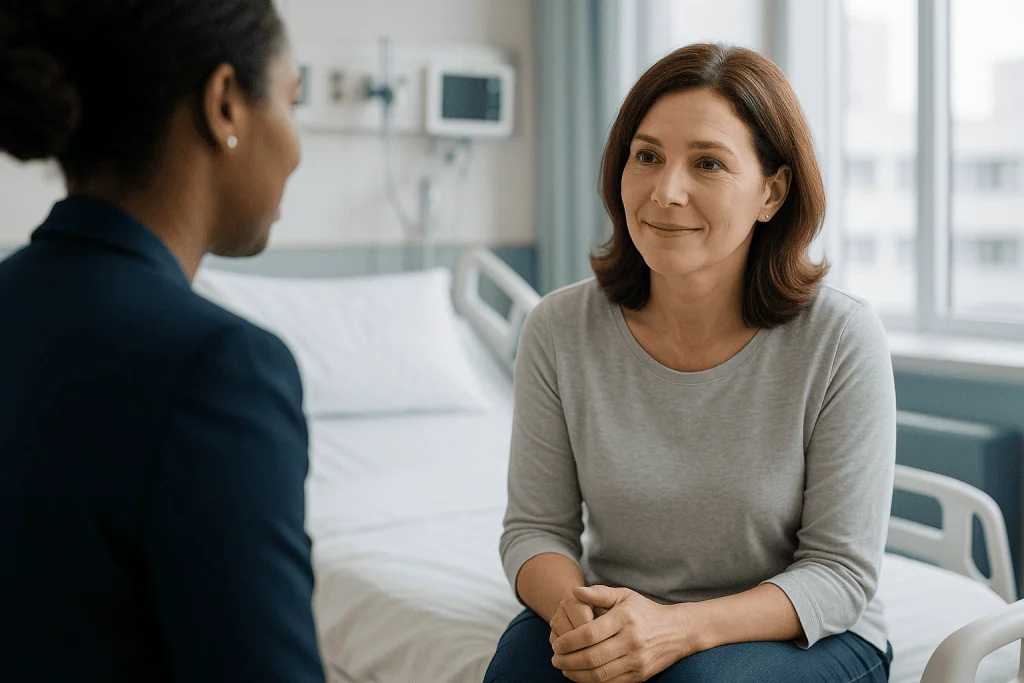
On treatment day in Turkey you check in at the hospital, confirm your identity and consent, and complete any final tests. Nursing and anaesthesia teams prepare you, the procedure takes place, and you then recover under monitoring. Depending on the treatment, you are discharged the same day or admitted to a room, with written instructions on medication, activity and follow-up before you leave.
The hardest part of travelling abroad for treatment is often not the procedure itself. It is not knowing what the day will actually look like, who you will meet, what gets checked, how long each stage takes, and when you will be back on your feet.
This guide explains what to expect step by step on treatment day in Turkey, from hospital admission and final safety checks through to monitored recovery, discharge and travel planning. It applies to most planned hospital-based care, from a short procedure under local anaesthetic to major surgery with an inpatient stay.
At a glance
- Procedure type: Varies: this guide covers the treatment day process common to most planned procedures
- Purpose: To complete your treatment safely, with clear checks before and monitored recovery after
- Anaesthesia: Local, sedation, regional or general, depending on the procedure
- Hospital stay: Same-day discharge or an inpatient stay, set by your treatment plan and how you recover
- Estimated recovery: From a few hours after minor procedures to several weeks after major surgery
- Return to daily life: Often within days for minor treatments; longer and more gradual after larger operations
- Final result timeline: Varies widely by treatment, healing and follow-up, early days rarely show the final picture
- Suitable department: The specialty treating your condition, surgery, orthopaedics, cardiology, oncology, ENT, gynaecology, urology, dental care and others
- International patient support: Interpreters, airport–hotel–hospital transfers, accommodation guidance and remote follow-up coordination
Treatment day in Turkey: the shape of the day, step by step
Whatever you are being treated for, the day follows a recognisable sequence. You are admitted, your identity and consent are confirmed, final checks are done, you are prepared for the procedure, the treatment takes place, and you recover under observation before discharge or transfer to a room. Knowing what to expect step by step on treatment day in Turkey removes most of the surprises: the surprises are usually administrative, not medical.
The sequence is deliberately repetitive. Different staff will ask your name, date of birth, allergies and procedure several times. This is not disorganisation; it is a standard safety practice used in modern hospitals worldwide. Each repetition is a separate person independently confirming that the right patient is having the right treatment.
For international patients, the day carries an extra layer: interpretation, coordination with your companion, and discharge planning that accounts for your hotel and return flight. In Acibadem hospitals, an international patient coordinator typically handles this layer alongside the clinical team, so you are not translating paperwork or chasing timings yourself.
When is a planned treatment day needed?
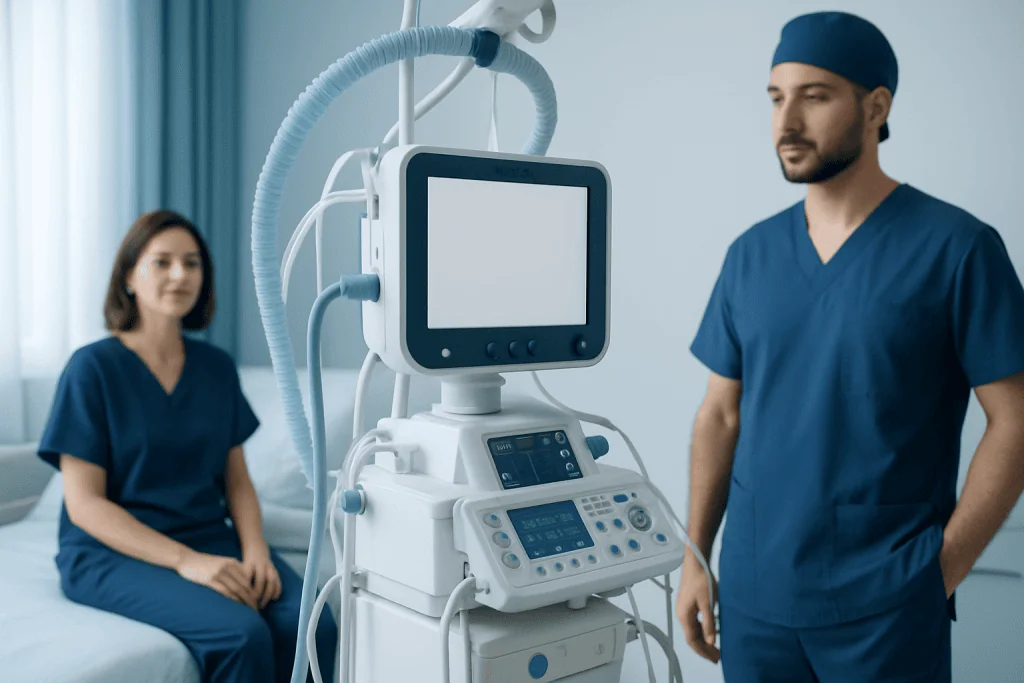
A structured treatment day applies whenever a procedure cannot be completed in a routine clinic visit, anything that needs operating theatre conditions, anaesthesia, sterile technique, imaging guidance or a period of monitored recovery. It also applies to some non-surgical treatments that require hospital observation.
The format exists because the checks around a procedure matter as much as the procedure. Same-day blood tests, ECG review, imaging confirmation and an anaesthesia assessment all need a fixed slot in the schedule, and so does a few hours of monitored recovery before it is considered reasonable for you to return to your hotel.
Who is a good candidate?

A planned treatment day works best when three things are in place before you fly: a confirmed or likely diagnosis, enough shared medical information for the team to review in advance, and travel dates that leave room for in-person assessment, the treatment itself and early follow-up.
You also need to be able to follow pre-procedure instructions, fasting rules, arrival times and any medication guidance your treating doctor gives. These instructions are individual; do not adapt them from another patient’s experience or from anything you read online, including this guide.
Some situations call for extra planning rather than same-day progression: complex medical conditions, significant heart or lung disease, uncontrolled blood pressure, active infection, or previous problems with anaesthesia. None of these automatically rule treatment out, but they may mean additional assessments come first. Suitability is always confirmed individually by the treating physician and, where relevant, the anaesthesia team, no online review replaces that.
Types of treatment day
The label “treatment day” covers very different experiences. A skin procedure under local anaesthetic may involve two hours in the building. An endoscopic intervention with sedation adds recovery time. Major surgery under general anaesthesia means admission, a longer theatre slot and an inpatient stay of one or more nights. Some treatments, certain infusions, image-guided interventions, dental work under sedation, sit in between.
Many procedures are planned as day cases, meaning you arrive and leave on the same date once discharge criteria are met. If that describes your plan, the guide to day surgery in Turkey covers that pathway in more detail. Where more than one approach could treat your condition, the differences in anaesthesia, recovery and follow-up should be explained to you before the day, not on it.
Before you travel: the online review
For international patients, the process normally begins with a remote review of your records, medical history, operation notes, test results, imaging, pathology reports and a medication list. In some specialties, photos or short videos add useful detail. The guide on sending medical records to Turkey securely explains how to do this without compromising your data.
This review has a specific purpose: to judge whether treatment can realistically be planned within your trip, what extra tests may be needed after arrival, and whether more than one department should be involved. It also shapes practical advice, likely length of stay, whether a companion is sensible, which documents to bring. What it cannot do is give final confirmation. That happens only after the in-person examination.
The day before and the morning of treatment
In the days before treatment you receive written instructions: when to stop eating and drinking, what your treating doctor wants done about your regular medications, when to arrive, what to wear, and whether someone needs to accompany you afterwards. Following these precisely is the single biggest contribution you make to a safe day: a missed fasting window is one of the most common reasons a procedure gets postponed.
On the morning itself, you check in at the international patient desk or admissions area. Expect passport checks, remaining paperwork, and a review of consent forms. Consent is not a signature exercise: the forms should reflect conversations you have already had, and an interpreter is available if you want anything re-explained before signing.
Final medical checks follow as needed: blood pressure and temperature, blood tests, ECG, imaging review, pregnancy testing where appropriate, and a face-to-face anaesthesia review. If anything has changed since your earlier evaluation, a new symptom, a new medication, a recent illness, tell the team at this stage. Small changes sometimes alter the plan, and it is far better that they alter it before the procedure than during it.
What happens during the treatment
When preparation is complete, you move to the treatment area: a procedure room, endoscopy unit, catheterisation laboratory or operating theatre. Immediately before starting, the team runs a final safety check confirming your identity, the planned procedure and site, and any allergies. You may be asked to state these yourself even though they are written on your wristband and chart.
If anaesthesia or sedation is planned, the anaesthesia team stays with you throughout, monitoring heart rate, blood pressure, oxygen levels and your overall condition. The type, local, regional, sedation or general, is set during planning and confirmed on the day. If a general anaesthetic is part of your plan, the guide to general anaesthesia in Turkey explains what that involves for international patients.
Procedure length varies from under an hour to many hours, and companions are usually given a waiting area and updates through the coordinator. When the procedure ends, you are transferred to a recovery area or your inpatient room, where observation continues until the team is satisfied you are stable.
Recovery, hospital stay and discharge
The first stage after treatment is recovery monitoring. Nurses check blood pressure, pulse, breathing, pain level and general comfort at set intervals. After anaesthesia or sedation, feeling sleepy, thirsty, groggy or mildly nauseated is common at first and usually settles with time and support. How discomfort is assessed and managed is covered in the guide to pain control after surgery in Turkey.
Whether you stay overnight depends on the procedure and on you. Same-day discharge requires meeting defined criteria: stable vital signs, manageable pain, the ability to drink fluids, and safe mobility. If recovery is slower than expected, plans can change: the guide to an unexpected overnight stay in Turkey explains how that decision is made and what it means for companions.
Before you leave, you receive written discharge instructions covering medications, wound care where relevant, food and fluids, activity limits, bathing, follow-up timing and travel guidance. The paperwork also lists the warning signs specific to your procedure and how to reach the ward in the first days. Ask questions until everything is clear; an interpreter can go through the documents with you line by line.
Recovery timeline
Recovery is individual. It depends on the treatment, your general health and whether anaesthesia or surgery was involved. The table below is a general orientation only: your own doctor’s advice always overrides it.
| Timeframe | What to expect |
|---|---|
| First 24 hours | Monitoring, rest, hydration and medication guidance, and early recovery from anaesthesia or sedation. Tiredness, soreness or mild nausea can be part of this phase. |
| First week | Gradual improvement, often with continued pain control, movement precautions, wound care or dietary adjustments. Swelling, bruising and fatigue are common after procedure-based treatments. |
| Weeks 2–4 | Many patients return to more normal routines, though heavy exercise, lifting and prolonged travel may still be restricted. A follow-up review checks whether healing is progressing as expected. |
| Months 1–3 | Deeper healing continues after many operations and interventions. Comfort, function and energy typically keep improving, though the pace varies from person to person. |
| Final result | Timelines differ widely by treatment. Some show benefit quickly; others need weeks or months before the outcome can be fairly assessed. |
If you are flying home, ask specifically when travel is considered reasonable for your case. The answer depends on the procedure, your mobility, pain control, bleeding risk and whether a follow-up appointment is needed before departure. It is not a date you can safely pick from an airline schedule.
What to avoid after treatment
Follow your own restrictions, whatever they are. Common examples include driving on the day of sedation, heavy lifting, smoking, alcohol, strenuous exercise, swimming, and removing dressings early. Each restriction exists for a reason connected to healing or safety, and each is set individually.
Avoid benchmarking yourself against other patients. Two people having the same procedure can recover at very different speeds, and forum timelines describe someone else’s body, not yours. If you are staying in Turkey briefly after treatment, keep the schedule calm: long walking days, heat exposure and tightly booked excursions work against early recovery unless your team has said otherwise.
Risks and possible complications
Every treatment carries some risk, however carefully it is planned. General possibilities include bleeding, infection, pain, nausea, delayed healing, medication reactions and the need for extended observation. More complex procedures carry more specific risks, which your specialist should walk through with you before the day: a conversation you are entitled to have unhurried and in a language you understand.
International patients add travel-related considerations: fatigue, dehydration, mobility on flights, and the spacing between surgery and departure. Discussing all of this is a normal part of safe care, not a sign that something is expected to go wrong. Hospitals reduce risk through pre-treatment assessment, checklists, sterile technique, anaesthesia monitoring and structured discharge planning, but no honest provider will tell you risk can be removed entirely, and outcomes vary from person to person.
Results and expectations
How you feel on the evening of treatment day is rarely the final result. Most procedures involve an early phase in which tiredness, swelling, discomfort or restrictions are normal, and improvement builds over days, weeks or months depending on the treatment. Some conditions also need staged treatment or rehabilitation after the main procedure. Knowing what to expect step by step on treatment day in Turkey helps here: when the sequence is familiar, early tiredness or swelling reads as a normal phase rather than a setback.
Treat treatment day as one step in a longer pathway. The eventual outcome depends on the accuracy of the diagnosis, how your body heals, how closely aftercare instructions are followed, and whether follow-up reviews catch issues early. A responsible team gives you realistic, individual expectations rather than blanket assurances, and in some cases further treatment or revision may later be recommended.
How payment works on and around treatment day
Yes, international patients pay for hospital treatment in Turkey. The public insurance scheme covers residents who contribute to it; it does not cover visitors. Most international patients are treated in private hospitals and pay through self-funding, private insurance, or an employer or government sponsor.
What you pay depends on structural factors: the specialty, the complexity of the procedure, the anaesthesia type, the tests required, the expected length of stay, and whether more than one specialist is involved. Because the plan can be adjusted after in-person evaluation, quotations are based on the information available when they are issued, which is why sharing complete records beforehand makes quotes more reliable.
Before agreeing to anything, get a written breakdown of what a quotation includes, what it excludes, and what could change it. Items that commonly sit outside a package include tests requested after arrival, treatment for unrelated conditions, hospital stay beyond the original plan, extra consultations, pharmacy items, and companion, flight, visa and hotel costs unless stated. Ask, too, how deposits, payment steps and billing documents are handled in practice, clear paperwork before treatment prevents confusion after it.
How the healthcare system in Turkey works for visitors
Turkey runs a mixed healthcare system. Residents are covered by the state insurance scheme, known as SGK, and use public hospitals and contracted providers. Alongside this sits a large private hospital sector, which is where most international patients are treated. Private hospitals manage appointments, treatment and billing directly with the patient or their insurer, and larger groups run dedicated international patient departments for interpretation and coordination.
For you as a visitor, the practical consequence is simple: your relationship is with the hospital, not with the state system. Your records, quotation, consent documents and discharge paperwork all come from the treating institution, and standards vary between providers, which is why the quality of pre-treatment evaluation and follow-up planning is worth examining before you commit.
Travel planning around treatment day
Build flexibility into your trip. Arrive early enough for consultation and pre-treatment checks, and stay long enough afterwards for the first follow-up and travel guidance from your doctor. How many days that means depends entirely on your treatment and how recovery goes, fixed, back-to-back bookings are the most common planning mistake.
Pack for function: passport, medical reports, regular medications in original packaging, chargers, comfortable loose clothing, and anything that helps communication or comfort. If mobility may be limited afterwards, choose slip-on footwear and wheeled luggage, and think honestly about whether a companion would help. Check passport validity, visa requirements if applicable, travel insurance terms around planned treatment abroad, and your airline’s rules on flying after recent medical procedures.
How Acibadem coordinates the day
Acibadem supports international patients through each stage described in this guide: remote record review, admission, interpretation during consultations and consent, communication with companions during the procedure, and discharge planning that accounts for your accommodation and return travel. The aim is that clinical decisions stay with the treating physicians while the logistics around them are handled for you.
Coordination does not mean speed for its own sake. If in-person evaluation changes the plan, the schedule changes with it, how that is handled is explained in the guide on how unexpected changes to a treatment plan are managed.
Medical review and disclaimer
This guide has been medically reviewed by the Acibadem International medical team. It offers general, practical information about the treatment day process for international patients in Turkey.
It does not replace consultation, examination or individual medical advice. The right timing, anaesthesia plan, hospital stay and recovery instructions depend on your diagnosis, history, test results and the specific procedure planned. Suitability for treatment, travel and discharge is always confirmed by the responsible physician.
Step by step
- Initial enquiry. The journey usually begins when a patient shares their treatment request, diagnosis or referral information with the international patient team.
- Medical record submission. Reports, imaging, medication details and, where relevant to the specialty, photos are shared securely for review.
- Preliminary medical review. Specialists assess whether treatment in Turkey looks suitable and what further information or tests would be needed.
- Treatment plan and quotation. A preliminary pathway, likely timeline, expected hospital stay and written quotation follow, based on the information available.
- Travel planning. The trip is built around consultation, possible tests, treatment day, recovery time and the follow-up period before return travel.
- Arrival. Transfers and practical coordination are arranged according to the agreed programme.
- In-person consultation. The specialist examines you, reviews your case and confirms whether the planned treatment remains appropriate.
- Pre-procedure tests. Blood tests, imaging, ECG or an anaesthesia review are completed where required.
- Treatment day. Admission, identity and consent checks, preparation, the procedure itself, and transfer to recovery.
- Hospital stay. Monitored recovery leads either to same-day discharge or to an inpatient stay, depending on the plan and your condition.
- First check. Your doctor or nurse reviews early recovery, explains medications and restrictions, and answers questions.
- Discharge and travel guidance. You receive written instructions and, when appropriate, advice on when moving around the city or flying is reasonable.
- Remote follow-up. After you return home, follow-up can continue remotely, sometimes including updates, photos or local test results.
Your checklist
- Passport and travel documents
- Medical history summary
- List of current medications and supplements
- Known allergies or previous reactions to medications or anaesthesia
- Details of previous surgeries or hospital admissions
- Description of your current symptoms and when they started
- Relevant blood tests, imaging, pathology or procedure reports
- Referral letters or doctor notes, if available
- Health or travel insurance details, if relevant
- Comfortable clothing and essential personal items, leave valuables to a minimum
Key takeaways
- Treatment day follows a set sequence: admission, identity and consent checks, final tests, preparation, the procedure, and monitored recovery.
- Repeated questions about your name, allergies and procedure are a deliberate safety practice, not disorganisation.
- Whether you go back to the hotel the same day depends on defined discharge criteria, not on a fixed clock.
- Written discharge instructions cover medication, activity, wound care and travel, go through them with an interpreter until they are clear.
- Build flexible dates around treatment day; recovery and travel clearance are individual, and rigid plans are the most common mistake.
Frequently asked questions
What actually happens step by step on treatment day in Turkey?
You check in and confirm your identity and consent, complete any final tests, and are prepared by the nursing and anaesthesia teams. The procedure follows, then monitored recovery. Depending on the treatment and how you recover, you are either discharged the same day with written instructions or admitted to a room.
Do you have to pay for hospital treatment in Turkey?
Yes, as a visitor. Turkey’s public insurance scheme covers residents who contribute to it, not tourists or medical travellers. International patients are usually treated privately and pay through self-funding, private insurance or a sponsor. Hospitals normally issue a written quotation before treatment, and the final invoice reflects the care actually delivered.
What are the most popular medical procedures in Turkey?
International patients commonly travel to Turkey for hair restoration, dental treatment, eye surgery, fertility treatment, orthopaedic and spine surgery, bariatric surgery, cardiovascular care and oncology. Popularity is not a treatment criterion, though: the right procedure for you depends on your diagnosis and individual assessment.
Is it safe to go to Turkey for medical procedures?
Standards vary between providers, as they do in any country. Established hospitals follow international patient-safety practices such as identity verification, procedural checklists and continuous anaesthesia monitoring. Sensible precautions include sharing complete records in advance, confirming who will perform your procedure, discussing risks before travel, and allowing enough recovery time before flying home.
How does the healthcare system work in Turkey?
Turkey has a mixed system: a state insurance scheme (SGK) covering residents through public and contracted hospitals, alongside a large private sector. Most international patients are treated in private hospitals, which handle appointments, treatment and billing directly with the patient or their insurer.
Will I have anaesthesia on treatment day?
That depends entirely on the procedure. Some treatments use local anaesthesia only; others need sedation, regional anaesthesia or general anaesthesia. The type is agreed during planning, reviewed by the anaesthesia team, and confirmed with you again before treatment begins.
Do I need someone to accompany me?
For minor treatments under local anaesthetic, a companion may not be essential, though it often helps. After sedation, general anaesthesia, major surgery or anything that reduces mobility, travelling with a companion is generally advisable, and some discharge criteria assume someone is with you.
Can I fly home immediately after treatment?
Usually not, unless the procedure is very minor and your doctor agrees. Most patients need at least a short recovery period and a first follow-up check before travel is considered reasonable. The timing depends on your procedure, mobility, bleeding risk and pain control, and it is set individually.
Add us as a Preferred Source to see more of our trusted health content across Google Search, AI Overviews and Discover.

Update history
- PublishedJune 22, 2026
- Medical review approvedSeptember 13, 2026
- Last content updateSeptember 12, 2026
References3
- Medical Tourism: CDC Travelers' Health wwwnc.cdc.gov
- General anaesthesia: NHS nhs.uk
- Surgery: MedlinePlus medlineplus.gov
More Patient Guides

HoLEP in Turkey: How It Compares With TURP and What Recovery Involves
HoLEP in Turkey treats enlarged prostate tissue with laser enucleation; learn how it compares with TURP, recovery, travel and follow-up.
Porcelain Veneers in Turkey: Who Is Suitable and How Many Visits Are Needed?
Porcelain veneers in Turkey can enhance tooth shape and colour in two visits for suitable patients after a personalised dental assessment.

How to Prepare for a Sedation Procedure in Turkey
Prepare safely for a sedation procedure in Turkey with guidance on fasting, medicines, travel, recovery and follow-up.
Treatment Delays in Turkey: What Happens If Tests or Recovery Change Your Schedule
Treatment delays in Turkey can happen if tests or recovery change your plan. Learn how to manage appointments, travel, accommodation and follow-up.