

When to Book Extra Recovery Days in Turkey Before Flying Home

Book extra recovery days in Turkey when your treating doctor wants a review before travel, when you had general anaesthesia or major surgery, when you still need help with basic tasks, or when your journey home is long or indirect. Hospital discharge and being fit to fly are separate decisions. Keep your return flight flexible until your doctor confirms a fit-to-fly date.
When should you fly home? It is one of the first questions international patients ask, and one of the hardest to answer before treatment has even started. The honest answer is that hospital discharge and being fit to fly are two different decisions, made at two different times. Building a few spare days into your itinerary keeps both decisions in your doctor’s hands rather than an airline’s.
This guide explains when it makes sense to book extra recovery days in Turkey before flying home, how fit-to-fly timing is actually decided, and how to plan your booking so that a change of date costs you inconvenience rather than a crisis.
At a glance
- Best for: International patients deciding when to schedule the flight home after treatment in Turkey
- Main question: Whether to stay extra days for recovery before air travel, and how to plan for that possibility
- Key factors: Procedure type, anaesthesia, mobility, pain control, wound care needs, and the demands of the journey itself
- Who decides: Your treating doctor sets fit-to-fly timing; you plan the logistics around it
- What to avoid: A fixed, non-changeable early return flight booked before your recovery plan is confirmed
Why you may want to book extra recovery days in Turkey before flying home
The day you leave hospital is rarely the day you are at your best. You may still be tired from anaesthesia, adjusting to a new medication plan, moving more slowly than usual, or due back for a dressing change or wound check. When you book extra recovery days in Turkey before flying home, you give your body time to settle before it has to cope with airport queues, luggage, security lines, and hours of sitting in a narrow seat.
Even after a smooth procedure, common early-recovery issues — swelling, fatigue, disturbed sleep, dehydration, bowel changes, discomfort when sitting — are far easier to manage in a quiet hotel room near your hospital than in a departure lounge or during a connection in a third country. The recovery itself is often fine; it is the journey layered on top of it that becomes the problem.
There is a practical benefit too. Staying a little longer often means you can attend a follow-up visit in person, have your medication plan reviewed by your treating doctor, receive fit-to-fly advice face to face, and ask questions with an interpreter present rather than by message from another country. If a small concern appears, it can be looked at the same day instead of turning into a long-distance worry. Our separate guide on how long before flying home you can travel after treatment in Turkey covers the timing question in more depth.
How doctors decide when you can fly
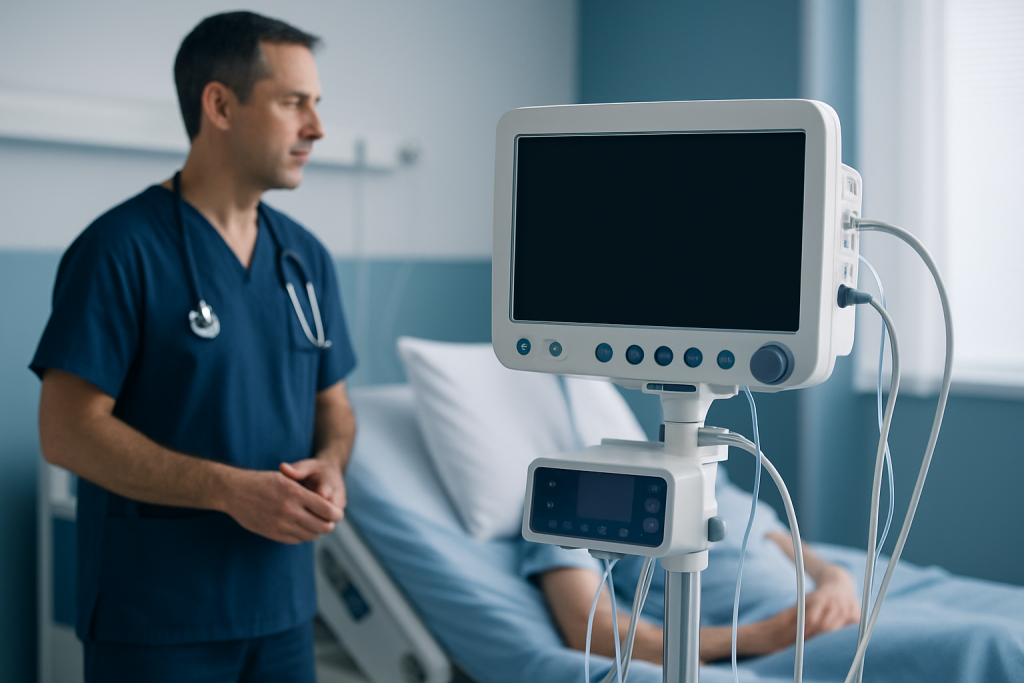
There is no single rule that fits every patient, and any website that gives you one number is guessing. Your doctor weighs several things at once: the type of treatment you had, whether you received general anaesthesia or sedation, your age and medical history, and how your recovery is actually progressing day by day. A patient who is eating, drinking, walking safely, passing urine normally and managing pain with their prescribed plan is in a different position from a patient who is dizzy, swollen, or still needing help to stand.
Procedure type carries real weight. Major surgery, operations on the chest or abdomen, orthopaedic procedures, and any treatment that leaves you with drains, a catheter, or complex wound care generally need more time before air travel. Cabin conditions matter here: aircraft air is dry, cabin pressure is lower than at ground level, and trapped gas in the body expands slightly at altitude, which is one reason chest and abdominal surgery attract more caution. Long periods of sitting still also raise the risk of blood clots in the legs, which is already elevated after surgery. None of this makes flying impossible — it makes the timing a clinical decision rather than a calendar one.
Your team will also look at the journey itself. A two-hour direct flight is a different physical task from a long-haul itinerary with a hotel checkout, a cross-city transfer, stairs, immigration queues and a stopover. If your route home is demanding, extra recovery days may be sensible even when your medical recovery is acceptable on paper. This is also why the same procedure can produce different fit-to-fly advice for two patients flying to different destinations.
How many days is enough?
Patients searching “how many days for Turkey is enough” usually want a single figure, and the truthful answer is that there is not one. What can be said honestly is how the question is structured. For minor procedures done under local anaesthetic, doctors sometimes clear travel within a short window, though many still prefer at least one night of observation for patients travelling alone or facing a long journey. For procedures under general anaesthesia, for dental and cosmetic surgery, and for anything involving stitches, drains or swelling, the planning conversation is usually about days, not hours. For major chest, abdominal or orthopaedic surgery, it can be a week or more before your doctor is comfortable with a long flight — and only your treating doctor, looking at you, can say which end of that spectrum applies.
| Situation | Why flying is demanding | Sensible planning approach |
|---|---|---|
| Minor procedure, local anaesthetic | Mainly comfort: sitting, carrying bags, tiredness | Confirm timing with your doctor; a buffer night is often still worthwhile |
| Procedure under general anaesthesia or sedation | Residual fatigue, nausea, medication adjustments | Plan for several nights and a review visit before booking the flight |
| Surgery with dressings, drains or swelling | Wound checks, dressing changes, pressure changes in the cabin | Do not fix a return date until the follow-up plan is set |
| Major chest, abdominal or orthopaedic surgery | Trapped gas expansion, clot risk, limited mobility | Expect a longer stay; book fully flexible travel from the start |
| Long-haul or multi-leg journey home | Total travel day of many hours, transfers, waiting | Add buffer days beyond the medical minimum |
The practical conclusion: ask your doctor two dates before you book anything — the earliest likely discharge date and the earliest likely fit-to-fly date — and plan your accommodation to the second, not the first.
Signs you may benefit from staying longer

Some situations make extra recovery days more useful than others. If you still need regular pain relief to sit comfortably, feel weak or unsteady when walking, or cannot yet manage basic care — showering, dressing, getting to the bathroom, changing position in bed — then a full travel day is likely to feel far harder than the recovery itself. Staying longer gives you time to regain that baseline before you test it in an airport.
Monitoring is another common reason. If your doctor wants to check swelling, wound healing, drain output, mobility or blood results, being nearby keeps follow-up simple. It also means that if anything unexpected appears in those first days, it can be assessed promptly by the team that treated you, rather than becoming a question mark hanging over a flight. Our guide to warning signs after surgery in Turkey explains what your care team will typically want to know about before clearing travel.
Practical factors count as well, not just medical ones. Travelling with children, using a wheelchair, relying on a companion, or departing from a large city where the airport transfer alone can take a couple of hours — all of these are reasons to build in a buffer. Common indicators that extra days will help:
- You feel unsteady, weak, or unusually tired
- You still need hands-on help from a companion
- Your doctor has planned a review visit before clearing travel
- You have dressings, drains, or ongoing wound care needs
- Your flight home is long, indirect, or involves stopovers
What to consider before booking your return flight
Try not to lock in a tight return schedule before your treatment plan is confirmed. Where possible, choose changeable tickets or leave open space in your itinerary. This matters most when your procedure date could shift, or when your doctor prefers to set the travel date based on how recovery actually goes rather than on a timetable agreed months earlier. A changeable fare usually costs less in stress than a fixed one costs in pressure.
Ask specific questions before you travel: When is the earliest likely discharge? When is the earliest likely fit-to-fly date? Will there be a follow-up appointment, dressing change, scan, blood test or medication review before departure? Will you need compression stockings, airport wheelchair assistance, or a medical letter for security and for carrying medicines? Knowing the answers before booking is far easier than discovering them after. We keep a fuller list in questions to ask before you book a recovery flight home.
Paperwork deserves a slot in the plan too. Before departure you will want your discharge summary, prescriptions, and any fit-to-fly documentation your airline may ask for — some carriers request medical clearance after recent surgery, and that process takes time to arrange. Our guide on the discharge papers you need before flying home from Turkey covers what to collect and why.
Where to stay during extra recovery days
Location does a lot of quiet work in early recovery. Staying close to your hospital means dressing changes and review visits are a short taxi ride, not a journey across Istanbul traffic. Look for step-free access or a lift, a comfortable bed, a private bathroom, and somewhere quiet enough to actually rest. If stairs, steep streets or long walks would be difficult, it is worth choosing somewhere simpler and closer even for a short stay. Before you confirm anything, it helps to know what to check before booking a recovery hotel in Turkey.
How to make extra recovery days comfortable and useful
Treat those days as part of the recovery plan, not spare time to fill. Keep hydrated, eat gently if your stomach is sensitive, and move only as your discharge instructions advise — for some patients that means short, regular walks to reduce stiffness and support circulation; for others it means prioritising rest and skipping the sightseeing. Your written instructions, not general advice, should set the pace. Medication timing and any changes belong entirely to your treating doctor.
Use the time to prepare for the journey and for home. Make sure you understand your wound care, bathing restrictions, activity limits, and how follow-up will work once you leave Turkey. Rehearse the travel day in your head: checkout, transfer, check-in, security, boarding. If any step of that looks harder than what you managed today, that is useful information for your fit-to-fly conversation. Getting the house ready before you land is covered in how to prepare your home for recovery before leaving Turkey.
When fit-to-fly timing changes
Discharge from hospital does not automatically make flying safe, and a fit-to-fly date given early in recovery is a plan, not a promise. Certain developments — a new fever, increasing rather than settling pain, changes at a wound site, breathlessness, calf pain or swelling, difficulty keeping fluids down, or unusual drowsiness — are exactly the kind of findings that lead a doctor to re-examine travel timing. That is not a failure of the plan; it is the plan working. It is also the single strongest argument for flexible tickets and a buffer day or two: delaying a flight by a short stretch is a minor inconvenience when your booking allows it, and a genuine ordeal when it does not.
Before you leave, make sure you know how your follow-up is organised — both any remaining checks in Turkey and the arrangements once you are home. Recovery days feel very different when the days after them are already mapped out.
Step by step
- Ask about recovery time before you travel. Before booking flights, ask your treating doctor for the usual hospital stay, the expected recovery period, and the earliest likely fit-to-fly timing. Treat these as planning guidance, not a promise — your actual recovery may run faster or slower.
- Book flexible travel if you can. Choose flights and accommodation that can be adjusted. This lets you respond to your doctor’s advice instead of feeling pressured to leave on a date that no longer suits your recovery.
- Plan for at least one review point after treatment. Ask whether you will need a check-up, dressing change, mobility assessment or medication review before flying. Knowing this in advance tells you whether extra recovery days are merely sensible or clearly necessary.
- Match your stay length to your journey home. Think about the full travel day, not just the flight. A short direct flight may be manageable earlier; a long journey with checkout, transfers, walking and stopovers usually calls for more recovery time first.
- Use your recovery days for rest and observation. Stay somewhere calm and close to your care team if practical, and follow your written discharge instructions. Those days are for confirming that pain is controlled, food and fluids are tolerated, and movement is improving.
- Get clear fit-to-fly confirmation before departure. Before heading to the airport, make sure your doctor has confirmed the travel date and that you understand any precautions — movement exercises, compression garments, airport assistance — and have the letters you need for medicines, dressings or mobility support.
Your checklist
- Ask your doctor for the earliest likely fit-to-fly date, separate from the discharge date
- Avoid a non-changeable early return flight where possible
- Plan buffer days after treatment, especially for major procedures or long-haul routes
- Stay close to your hospital during early recovery if practical
- Arrange airport wheelchair support if long walks may be difficult
- Carry your discharge summary, prescriptions, and any fit-to-fly letter your airline requires
- Check that you understand wound care, activity limits, and your medication plan as written
- Confirm how follow-up works, both in Turkey and after you return home
Key takeaways
- Hospital discharge and being fit to fly are separate decisions — plan your accommodation to the second one.
- The right number of extra recovery days depends on your procedure, your day-by-day progress, and your doctor’s assessment, not a standard figure.
- Long flights, stopovers and demanding airport transfers justify a longer stay even when medical recovery is on track.
- Buffer days make follow-up checks, medication reviews and wound assessments simple instead of stressful.
- Flexible tickets turn a delayed departure into an inconvenience rather than a crisis.
Frequently asked questions
How many days in Turkey is enough before flying home?
There is no universal number. Minor procedures under local anaesthetic may need little extra time, procedures under general anaesthesia are usually a matter of days, and major chest, abdominal or orthopaedic surgery can mean a week or more before a long flight is appropriate. Your treating doctor sets the timing based on how your recovery is actually going.
Is hospital discharge the same as being fit to fly?
No. Discharge means you are well enough to leave the hospital setting. Fit to fly is a separate judgement about whether your body can handle cabin pressure, dry air, long sitting and the physical demands of a travel day. Your doctor may confirm the two on the same day or days apart.
Should I book my return flight before travelling to Turkey?
You can, but keep it flexible. A changeable ticket or an open return lets your doctor set the travel date based on your recovery rather than the calendar. Booking a fixed, non-refundable early return before your treatment plan is confirmed is the most common planning mistake international patients make.
Do long or indirect flights mean I should stay longer in Turkey?
Often, yes. The full travel day — checkout, transfers, security, waiting, stopovers — is more demanding than the flight time alone suggests. The longer and more complicated the route, the stronger the case for extra recovery days before you start it.
What if I feel fine and want to leave earlier?
Feeling well is important, but it is only one part of the decision. Your doctor also considers things you may not notice yourself, such as swelling, clot risk, wound healing and the effect of cabin conditions on recent surgery. It is safest to follow the plan agreed with your care team.
What paperwork do I need before flying home?
Typically a discharge summary, prescriptions, and any letters covering medicines, dressings or mobility equipment. Some airlines ask for medical clearance after recent surgery, and arranging that takes time, so ask about documentation well before your departure date rather than at the airport.
Where is the best place to stay during extra recovery days?
Somewhere close to your hospital, with a lift or step-free access, a comfortable bed and a private bathroom. Proximity matters most in the first days, when dressing changes or review visits may be scheduled and when long transfers across a large city are hardest to manage.
Add us as a Preferred Source to see more of our trusted health content across Google Search, AI Overviews and Discover.

Update history
- PublishedAugust 14, 2026
- Medical review approvedSeptember 1, 2026
- Last content updateSeptember 1, 2026
References2
- CDC Yellow Book — Air Travel — wwwnc.cdc.gov
- MedlinePlus — Deep Vein Thrombosis — medlineplus.gov
More Patient Guides

Aftercare Abroad: How to Prepare for Recovery Once You Return Home
Aftercare abroad planning helps you return home safely with clear follow-up, medication, travel and support arrangements after treatment in Turkey.
8 min read
How to Prepare Your Home for Recovery Before Leaving Turkey
Prepare your home for recovery before leaving Turkey with practical planning for mobility, medicines, support and follow-up after treatment.
8 min read
When Recovery Does Not Go as Planned in Turkey: Signs You Should Contact Your Care Team
Recovery problems in Turkey can include new pain, fever, bleeding, or breathing changes. Contact your care team promptly for safe aftercare advice.
9 min read
When Is It Safe to Resume Exercise After Treatment in Turkey?
Resume exercise after treatment in Turkey only when your surgeon or care team clears you. Start gently, watch for warning signs, and…
8 min read