Gerodontology
Gerodontology focuses on oral and dental care for older adults, addressing age-related needs such as tooth loss, gum disease, dry mouth, dentures, chewing function, and preventive care.
Quick answer
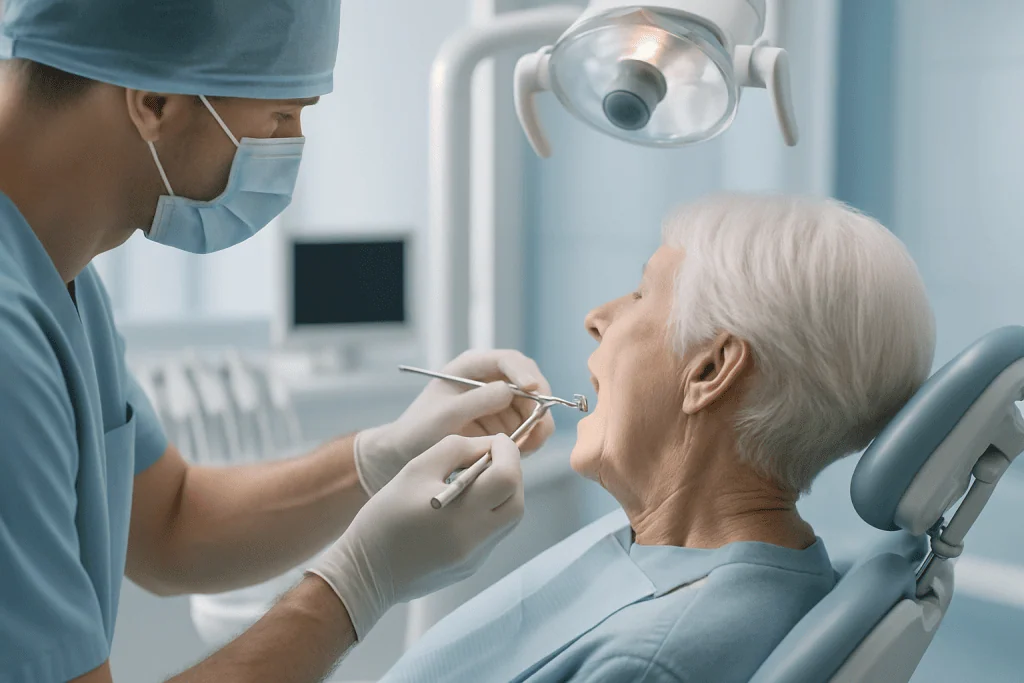
Gerodontology, or geriatric dentistry, is dental care adapted to older adults. It covers prevention, diagnosis, treatment and long-term maintenance of oral health when ageing, chronic illness, medications or reduced mobility affect the mouth. Typical concerns include gum disease, root decay, dry mouth, tooth loss and denture problems. Care is planned in phases — urgent relief, disease control, rehabilitation and maintenance — built around each patient's overall health.
Gerodontology: Oral Health Care Designed for Older Adults
Gerodontology, also called geriatric dentistry, is the branch of dental care that focuses on older adults. It covers the prevention, diagnosis and treatment of oral problems whose management is shaped by ageing itself, by chronic illness, by long medication lists, or by reduced mobility and dexterity. It exists because the mouth changes with age — and because dental treatment in later life often has to fit around everything else that is happening in a person’s health.
Ageing changes the mouth in ways that affect comfort, nutrition, speech, confidence and general health. For many older adults, dental concerns go well beyond a cavity or a single loose tooth. They may involve gum disease that has developed quietly over decades, missing teeth that make chewing difficult, dry mouth caused by everyday medications, dentures that no longer fit properly, or medical conditions that make dental treatment genuinely more complex to plan safely.
These concerns are often deeply personal. A parent starts avoiding meals because chewing hurts. A spouse speaks less because a denture feels unstable. A patient who has managed diabetes, heart disease, cancer treatment or osteoporosis for years wonders whether dental work is still safe at all. Families weighing up care for an older relative add practical questions of their own: how will the dental team coordinate with the patient’s physicians, can treatment be organised around travel and daily routines, and how much treatment is truly necessary rather than merely possible?
Gerodontology answers these questions with a structured approach rather than a single procedure. Its purpose is not only to treat teeth, but to protect oral function, prevent complications, support medical wellbeing and help patients keep their dignity and quality of life. At Acibadem, gerodontology is approached through careful assessment, individualised planning and coordination with medical specialists where needed — particularly for patients with chronic illness, mobility limitations, complex medication use or a history of major medical treatment.
Timing matters more than most people expect. Oral problems in later life tend to progress quietly. Gum infection, decay near the tooth roots, mouth sores, poorly fitting dentures and dry mouth can all seem minor at first, yet each one can interfere with eating, sleep, social life and general health. A thorough gerodontology evaluation identifies these risks early and produces a realistic plan that respects the patient’s medical condition, daily routine, personal priorities and comfort.
What Is Gerodontology?
Gerodontology is specialised dental care for older adults. It includes prevention, diagnosis, treatment, rehabilitation and long-term maintenance of oral health in people whose needs are influenced by ageing, medical conditions, medications, physical limitations or cognitive changes. Many older patients can receive routine dental care in a standard setting without difficulty. Gerodontology becomes relevant when oral care can no longer be separated from broader health issues — when the medication list, the medical history or the patient’s day-to-day capabilities genuinely change what safe, sensible dentistry looks like.
The field addresses the concerns that become more common or more complicated with age: tooth loss, gum disease, root cavities, worn or fractured teeth, dry mouth, oral infections, denture problems, chewing difficulties and changes in the soft tissues of the mouth. It is equally concerned with prevention — strengthening the teeth that remain, keeping the gums healthy, improving denture hygiene, reducing the risk of oral infection, and helping patients or their caregivers keep up an effective daily oral care routine.
Gerodontology is not one procedure. It is a care model that may draw on many different treatments, depending on what the individual patient actually needs: professional cleaning, periodontal therapy, fillings, root canal treatment, tooth extraction, dental implants where appropriate, dentures, implant-supported prostheses, evaluation of oral lesions, saliva management, fluoride programmes and practical caregiver education. For some patients, the goal is full oral rehabilitation. For others, the priority is comfort, infection control, stable chewing, or simply the least invasive plan that works.
The central principle is personalisation. An older adult who is active, medically stable and looking for long-term dental rehabilitation may be a good candidate for extensive care. Another patient with several chronic conditions or limited mobility may be better served by a conservative plan that relieves pain and controls infection in fewer appointments. Neither approach is superior in itself. The right plan is the one that is medically safe, functionally meaningful and realistic for the person sitting in the chair.
What does gerontology mean?
Gerontology means the study of ageing — the biological, psychological and social changes that come with growing older. The word comes from the Greek geron, meaning old age, and logia, meaning study. Gerodontology adds odont, the Greek root for tooth: it is, quite literally, the dentistry of ageing. You may also see the same field written as geriatric dentistry or gerodontics; all three names describe the same discipline, and dental teams use them interchangeably.
What exactly does a gerontologist do?
A gerontologist studies or works with the ageing process as a whole — health, cognition, social care, housing, policy — rather than any single organ system, and is not usually a dentist. A clinician practising gerodontology, by contrast, is a dentist who applies that broader understanding of ageing to the mouth. The two fields overlap deliberately. A dentist treating an older adult needs to understand frailty, multiple concurrent medications, memory changes and nutrition, not just teeth and gums. That overlap is precisely what distinguishes gerodontology from ordinary adult dentistry: the mouth is treated as part of an ageing person, not in isolation.
What age is considered geriatric in dentistry?
There is no fixed age at which a patient becomes geriatric in dentistry. Many health systems use later adulthood — often somewhere around retirement age — as an administrative reference point, but clinically the calendar matters far less than the situation. A medically fit adult in their late seventies may need nothing beyond standard dental care. A younger patient with several chronic illnesses, dry mouth from medication and difficulty gripping a toothbrush may benefit greatly from a fully geriatric approach. Gerodontology is defined by need, not by birthday, and a good dental team assesses the person rather than the number.
Who May Need Gerodontology?
Gerodontology is worth considering for any adult whose oral problems are entangled with ageing, medication use, chronic illness or long-term dental wear. It matters most when dental needs cannot be separated from general health. Many older adults take several medications, and some of these reduce saliva, increase bleeding risk, affect bone metabolism or change how a dental procedure should be planned. A geriatric-focused dental team weighs all of these factors before any treatment begins, rather than discovering them mid-treatment.
Which symptoms lead people to seek geriatric dental care?
The most frequent triggers are practical, everyday problems rather than emergencies. Common symptoms include:
- Difficulty chewing, or quietly giving up certain foods
- Painful or sensitive teeth
- Bleeding gums and persistent bad breath
- Loose teeth or teeth that have shifted
- Dry mouth or a burning sensation in the mouth
- Food trapping under dentures, denture sores, or a prosthesis that slips during speech
- Frequent new cavities despite regular brushing
- Broken fillings, crowns or other restorations
- Changes in speech caused by missing teeth or unstable prostheses
Notably, pain is not always the first sign. Some patients never complain of pain at all but gradually narrow their diet, lose interest in eating, or leave their dentures out for long periods because wearing them has become uncomfortable. These quiet changes deserve the same clinical attention as an aching tooth, because they often signal a problem that has been building for some time.
How is a gerodontology assessment carried out?
Assessment begins with a detailed oral examination and an equally detailed medical history. The dentist reviews current medications, allergies, past surgeries, chronic conditions, previous dental treatment and — importantly — what the patient actually wants from care. Digital dental imaging may be used to evaluate bone levels, remaining roots, hidden infection, impacted teeth and the condition of existing restorations. When gum disease is suspected, periodontal measurements around each tooth establish the depth and severity of inflammation and attachment loss. If oral lesions, non-healing ulcers or suspicious tissue changes are present, further evaluation or biopsy may be recommended.
For patients with complex medical histories, dental planning may include consultation with the treating physicians — cardiologists, endocrinologists, oncologists, neurologists or other specialists. This is particularly relevant for patients using blood thinners, patients with diabetes, those receiving or recovering from cancer therapies, patients with suppressed immune systems, and patients taking medications that influence bone healing. The aim is always the same: to choose care that is both dentally effective and medically appropriate.
The patients who tend to benefit most from a gerodontology approach are older adults with multiple missing teeth, long-standing periodontal disease, poorly fitting dentures, dry mouth from medications or radiation therapy, difficulty maintaining oral hygiene, reduced hand dexterity, memory changes, swallowing or chewing concerns, or a need to plan dental treatment around other medical care. Families and caregivers often become involved when oral care at home has grown difficult, and a good geriatric dental plan includes them from the start.
Conditions and Indications Addressed by Gerodontology
What is the most common geriatric dental problem?
Gum disease and decay on exposed root surfaces are the problems dentists encounter most often in older adults, with dry mouth close behind — and the three feed each other. Receding gums expose root surfaces that decay more easily than enamel; reduced saliva removes the mouth’s natural protection; and chronic gum inflammation loosens the support around teeth that are already under strain. Most geriatric dental care revolves around breaking this cycle before it costs teeth.
Periodontal disease in older adults
Periodontal disease is a chronic infection and inflammation of the gums and the bone that supports the teeth. Left untreated, it leads to tooth mobility, gum recession, ongoing discomfort and eventually tooth loss. Because it contributes to the body’s overall inflammatory burden, managing gum health is especially important in older adults who also live with diabetes, cardiovascular disease or other systemic conditions. Treatment usually combines professional cleaning, periodontal therapy around affected teeth, local antimicrobial measures and a realistic home-care routine, followed by regular maintenance visits.
Tooth loss and replacement options
Missing teeth reduce chewing efficiency, alter facial support, change speech and shift the load onto the teeth that remain. Replacement options include removable dentures, fixed bridges, implant-supported restorations, or a combination of these. In gerodontology, the best choice depends not only on the mouth but on bone quality, medical health, hand dexterity, the patient’s realistic ability to clean the restoration, personal expectations and — for patients travelling for care — the treatment schedule. A technically impressive solution that the patient cannot maintain is not a good solution.
Dry mouth (xerostomia)
Dry mouth, or xerostomia, is one of the most frequent complaints among older adults. It may be caused by medications, autoimmune disorders, dehydration, cancer therapy or age-related changes in the salivary glands. Saliva protects the teeth and soft tissues; when it is reduced, patients become markedly more prone to cavities, fungal infections, mouth burning, difficulty swallowing and denture discomfort. Gerodontology care includes identifying the contributing factors, recommending saliva-supportive measures, prescribing preventive products where appropriate and monitoring closely for new decay. Where a medication appears to be the cause, the dentist raises this with the treating doctor rather than changing anything unilaterally.
Root caries
Root caries — decay on the root surfaces of teeth — becomes common when gums recede and the roots are exposed. Root surfaces are softer than enamel and decay faster. Patients with dry mouth, limited brushing ability or frequent snacking driven by dietary restrictions are at higher risk. Preventive programmes, fluoride applications, minimally invasive restorations and adjustments to home care can preserve natural teeth for considerably longer than many patients expect.
Denture problems and other oral conditions
Gerodontology also addresses oral infections, denture stomatitis (inflammation of the tissue under a denture), mouth ulcers, worn teeth, fractured restorations, jaw joint discomfort, problems with bite balance and oral discomfort linked to systemic disease. A further indication is preparation for major medical treatment: patients facing cancer therapy, cardiac procedures, organ transplantation or orthopaedic surgery may need oral infection control beforehand, because an untreated dental infection can complicate the wider medical plan. In these situations the dental team works to the medical timetable, not the other way round.
How Gerodontology Care Is Performed
Gerodontology care begins with listening. The first appointment is used to understand what the patient is experiencing, what has changed over time and what matters most to them: pain relief, better chewing, clearer speech, denture comfort, appearance, infection control or straightforward prevention. For patients travelling from abroad, this conversation often starts before the journey — shared records, imaging, medication lists and medical reports allow the clinical team to identify priorities and estimate what kind of appointments will be needed before anyone gets on a plane.
Preparation rests on a complete medical and dental history. The dentist reviews current medications, including blood thinners, diabetes medications, osteoporosis medications, heart medications, antidepressants and any drug that may cause dry mouth. Allergies, previous complications with anaesthesia, and any history of radiation therapy, chemotherapy, immune suppression or major surgery are all relevant. Where a physician is managing a significant condition, coordination may be requested before any invasive dental treatment goes ahead. Decisions about medications themselves always remain with the treating doctor.
The clinical examination covers the teeth, gums, soft tissues, bite, jaw function, existing dentures or prostheses, saliva, the patient’s practical hygiene ability and any signs of infection. Diagnostic imaging may include digital X-rays, or three-dimensional imaging when a more detailed picture of bone, roots, sinuses or implant sites is needed. Intraoral photography and digital scanning can document the mouth and allow restorations or dentures to be designed with greater accuracy. These tools also help patients see and understand their own condition, which makes the subsequent conversation about options far more concrete.
The four phases of a gerodontology treatment plan
After diagnosis, the dentist explains the findings and the options. A gerodontology plan is usually organised in phases, so that the most important problems are dealt with first and nothing is done out of order:
- Urgent care. Pain, active infection, broken teeth and denture wounds are addressed first, before anything elective is considered.
- Disease control. Gum inflammation is treated, cavities are managed, oral hygiene is rebuilt and dry mouth is brought under control, so that the mouth is stable.
- Rehabilitation. Fillings, crowns, bridges, dentures, implant-supported restorations or bite adjustment restore function and appearance — on a foundation that can now support them.
- Maintenance. Regular reviews protect the result. This phase matters more in older adults than in any other group, because oral conditions can change quickly when medical health, medications or daily routines change.
What do the treatments themselves involve?
The procedures vary with the plan. A patient with gum disease may receive professional cleaning, deep cleaning around affected teeth, local antimicrobial measures and close follow-up. A patient with root cavities may need restorations designed specifically to protect vulnerable root surfaces, alongside prescription-strength fluoride or other preventive strategies. A patient with poorly fitting dentures may need adjustment, relining, replacement, or a differently designed prosthesis altogether. For selected patients, implants can improve denture stability or replace missing teeth — but suitability depends on medical status, bone support, hygiene capacity and a realistic view of long-term maintenance, and an honest gerodontology plan will say so when implants are not the right answer.
Comfort, anaesthesia and appointment length
Local anaesthesia is used routinely for procedures that would otherwise cause discomfort. Sedation can be considered for selected patients, but it requires a careful medical review first, particularly in older adults with heart, lung, neurological or medication-related risks — this is one of the points where working within a hospital environment, with anaesthesiology input available, makes a practical difference. Appointment length is adapted to the patient’s endurance: some older adults do better with several shorter visits, while others, especially those travelling for treatment, prefer coordinated longer sessions where that is medically appropriate.
How long does gerodontology treatment take?
It depends entirely on the complexity of the plan. A preventive visit or a denture adjustment may take less than an hour. Periodontal therapy, restorative work or oral surgery may need longer visits or several sessions. Full oral rehabilitation can take weeks to months, particularly when healing time is required after extractions or implant placement. For patients organising care around travel, treatment can be structured in stages, with a clear explanation of what can be completed in one visit and what will need follow-up — either on a return trip or with a dentist at home.
Recovery and Follow-Up Timeline
Recovery depends on which procedures were performed, but most gerodontology plans follow a recognisable pattern of assessment, treatment, adaptation and maintenance. The table below shows what patients can typically expect at each stage.
| Time Period | What Patients Can Expect |
|---|---|
| Day 1 | After an examination, cleaning or denture adjustment, most patients return to normal activities the same day. After extractions or surgery, mild soreness and a soft diet may be recommended. |
| First week | Healing tissues are monitored where procedures have been performed. Dentures may need small adjustments as sore spots appear. Home-care routines are reviewed and refined. |
| First month | Gum response, chewing comfort, oral hygiene and prosthetic fit are reassessed. Restorative or prosthetic phases continue according to the treatment plan. |
| Several months | Implant-related or full-mouth rehabilitation plans may require staged appointments and healing periods. Preventive care continues throughout. |
| Longer term | Regular maintenance visits catch new cavities, gum changes, denture wear, dry mouth complications and tissue changes before they become harder to treat. |
Older adults sometimes need extra attention to hydration, nutrition, medication timing and wound care after dental procedures. Written instructions and caregiver guidance are particularly useful when a patient has memory changes, reduced dexterity or a complicated daily medication schedule — a follow-up plan that only exists in the dentist’s head is not a follow-up plan.
Why Acting Early Matters
Oral health problems in older adults develop gradually, which makes them easy to postpone. A denture rub becomes a persistent ulcer. Mild gum bleeding signals deeper periodontal disease. A small root cavity progresses quickly once saliva is reduced. A loose tooth alters the bite and strains its neighbours. Because older adults may feel dental pain less sharply, or may assume dental deterioration is simply a normal part of ageing, disease often advances quietly before anyone seeks treatment.
Delaying care leads to avoidable complications. Untreated dental infection can cause pain, swelling and difficulty eating, and in some cases can spread beyond the tooth. Advanced periodontal disease costs teeth and makes future prosthetic treatment more complicated and more limited. Poor chewing function narrows the diet, which can contribute to inadequate nutrition, weight change and a reduced enjoyment of meals — a loss that is easy to underestimate until it happens. Denture problems cause sores, fungal infections and, for many patients, real social embarrassment.
Early care matters especially before major medical treatment. Patients preparing for cancer therapy, certain surgeries, immune-suppressive treatment or other significant interventions may need oral infection control beforehand. Identifying dental risks early gives the patient and the medical team more options, and reduces the chance that an urgent dental problem will interrupt care that matters even more.
Acting early does not mean treating extensively. Sometimes the most valuable intervention in gerodontology is the simplest: a denture adjustment, a preventive fluoride programme, a dry mouth management plan, or a hygiene routine redesigned so a caregiver can actually carry it out. Early evaluation is what allows treatment to stay proportionate — less invasive where possible, and aligned with the patient’s health and goals rather than racing to catch up with neglect.
Benefits of Gerodontology Care
A well-planned gerodontology programme supports comfort, function, prevention and medical safety in ways that are particularly meaningful in later life.
| Benefit | What It Means for You |
|---|---|
| Improved chewing function | Better-fitting dentures, restored teeth or stable prosthetic solutions make eating more comfortable and support a more varied diet. |
| Reduced pain and oral infection | Treating cavities, gum disease, broken teeth and denture sores relieves discomfort and lowers the risk of dental problems becoming urgent. |
| Care adapted to medical conditions | Treatment planning takes medications, chronic illness, healing capacity and physician recommendations into account from the outset. |
| Better denture comfort and stability | Adjustments, relines, replacements or implant-supported options can improve speech, confidence and daily comfort. |
| Prevention of future problems | Regular maintenance, fluoride strategies, dry mouth care and hygiene guidance protect the remaining teeth and oral tissues. |
| Support for caregivers and families | Clear, practical instructions help family members or caregivers assist with brushing, denture hygiene, diet and follow-up routines. |
What Influences a Good Result?
A good gerodontology outcome is not measured by how the teeth look in a mirror. It is measured by whether the patient can eat, speak, clean the mouth, tolerate a prosthesis and keep the mouth healthy over time. Several factors shape that result, and it is worth understanding them before treatment starts rather than after.
Medical health
Medical health is the most influential factor. Diabetes, cardiovascular disease, neurological conditions, immune suppression, osteoporosis treatment and previous cancer therapies all affect healing, infection risk and treatment selection. This does not put dental care out of reach — it means the plan must be adapted. A patient using anticoagulant medication needs a bleeding risk assessment before oral surgery. A patient with poorly controlled diabetes may benefit from medical stabilisation before invasive procedures. A patient who has had radiation to the head and neck needs particular attention to tissue healing and dry mouth. In each case, adaptation is the norm in gerodontology, not the exception.
Medication use
Many common medications cause dry mouth, which raises the risk of cavities and denture discomfort. Others influence bleeding, bone metabolism, alertness or coordination. A complete medication review lets the dentist anticipate complications and put preventive measures in place. A current medication list — including over-the-counter products and supplements — makes any geriatric dental assessment safer; the products patients forget to mention are often the ones that matter. Any change to a medication is a matter for the prescribing doctor; the dental team’s role is to flag concerns and plan around them.
The remaining teeth, gums and bone
The condition of what remains sets the boundaries of what is possible. Teeth with strong support and manageable decay can usually be preserved. Severely mobile or infected teeth may need removal. Bone volume determines whether implants are feasible and whether preparatory procedures would be needed. Gum health, meanwhile, governs the longevity of everything — natural teeth, implants and prosthetic restorations alike.
Daily oral care
Even the best dental work requires maintenance, and this is where geriatric plans most often succeed or fail. Older adults with arthritis, tremor, visual impairment, memory changes or caregiver dependence may need modified toothbrushes, interdental aids, simplified denture-cleaning routines or instructions written for the person who will actually carry them out. A good plan fits the patient’s real daily life. An idealised routine that cannot be sustained is a plan for failure, however well-intentioned.
Nutrition and saliva
Frequent sugar exposure, soft carbohydrate-heavy diets, dehydration and reduced saliva all raise decay risk — and they often arrive together in later life. Dry mouth management, hydration strategies, sugar-free saliva stimulants where appropriate, fluoride use and regular monitoring can significantly improve long-term stability. Diet and saliva are as much a part of gerodontology as drills and dentures.
Expectations and priorities
Finally, expectations should be discussed openly before anything begins. Some patients want fixed teeth and will accept a longer course of treatment to get them. Others prioritise comfort and the fewest possible visits. Some need a plan that fits within a single travel window; others can return for staged care. A successful gerodontology plan respects these priorities while explaining the clinical trade-offs plainly — including, where relevant, that the more modest option is the wiser one.
How Acibadem Approaches Gerodontology
Older adults considering dental treatment — and the families helping them decide — usually need more than a list of procedures. They need a setting where oral health is evaluated in the context of general medicine, where communication is clear, and where the recommended treatment is proportionate to the patient’s age, health status and daily life.
At Acibadem, gerodontology care is planned individually and, where the situation calls for it, in coordination with specialists in internal medicine, cardiology, endocrinology, oncology, neurology, radiology, anaesthesiology and other fields. This multidisciplinary approach matters most for patients with diabetes, heart disease, a cancer history, immune suppression, swallowing concerns or medication-related risks, where isolated dental decision-making would miss half the picture. When needed, complex cases are discussed through coordinated medical review so that dental treatment supports the overall care plan rather than complicating it.
Modern diagnostics underpin the planning. Digital imaging shows infection, bone loss and root problems; three-dimensional imaging assists with complex extractions, implant planning and assessment of jaw structures; digital impressions and intraoral scanning support the design of prostheses and dentures — and are often easier to tolerate than conventional impressions for patients who find them difficult. These tools are used to improve accuracy and communication, not to add complexity for its own sake.
Just as important is clinical judgment, because gerodontology runs on it: knowing when to preserve a tooth and when removal is safer, when implants are appropriate and when a removable prosthesis is more realistic, when a dry mouth complaint needs medical evaluation, and how to design maintenance that a particular patient can actually follow. That judgment carries most weight in older adults who have several competing health priorities at once.
For patients who travel for treatment, care is organised with the practicalities in mind. Records and imaging shared in advance allow planning to begin before arrival; interpretation support and appointment coordination help patients and accompanying family members follow what is happening at each step; and treatment can be staged around a travel schedule where that is medically sound. When care is expected to continue with a dentist in the patient’s home country, documentation and written follow-up recommendations support that continuity, so the next clinician can pick up exactly where treatment left off.
Above all, the plan should be clear. A well-constructed gerodontology plan states what is urgent, what is optional, what can be staged, what recovery involves and what maintenance will be required afterwards. Recommendations should be evidence-based, medically thoughtful and proportionate — and a patient or family should be able to see, in plain language, why each element of the plan is there.
Oral Health at Every Age
Gerodontology helps older adults regain comfort, chew properly, manage denture problems, reduce infection risk and protect oral health amid the realities of ageing and medical complexity. Whether the concern is a painful tooth, loose dentures, dry mouth, gum disease or the need for a complete oral health plan, early evaluation clarifies the options and keeps small problems from becoming large ones.
Oral health remains important at every age, and later life is no exception. With careful assessment, honest planning and maintenance designed around real daily routines, most older adults can improve their comfort, preserve function and receive dental care that respects both their medical needs and the life they actually live.
Preparation
- Patients should bring a list of medications, medical conditions, allergies, and previous dental records if available. The dentist reviews oral health, chewing ability, dentures or implants, and any age-related concerns. Additional imaging or specialist consultation may be recommended before treatment planning.
Aftercare
- Aftercare depends on the dental findings and any treatment performed. Patients are usually advised on oral hygiene, denture care, diet, dry mouth management, and regular follow-up visits. Ongoing coordination may be needed for patients with chronic diseases or multiple medications.
Turkey vs UK, Germany & USA
Gerodontology cost and planning depend on each patient’s oral health, medical background, comfort needs, and the type of dental rehabilitation required. Comparing countries can help international patients understand how hospital setting, specialist input, waiting time, and travel support may affect the overall experience.
For older adults, dental care may involve prevention, gum treatment, dentures, implants, restorative dentistry, and coordination with general health conditions. The table below compares common cost and experience factors by destination.
| Factor | Turkey | UK | Germany | USA |
|---|---|---|---|---|
| Care setting | Private hospitals and dental clinics may offer coordinated dental and medical assessment, useful for patients with complex health needs. | Care may be accessed through public or private pathways; private dentistry is often chosen for wider treatment options and faster scheduling. | Care is commonly delivered through structured dental practices and specialist clinics, with detailed diagnostic planning. | Care is largely private, with access influenced by insurance coverage, provider networks, and local availability. |
| Specialist factors | Final cost depends on the involvement of prosthodontists, periodontists, implant dentists, oral surgeons, and medical specialists when needed. | Specialist referral, private consultation, and laboratory work can influence the total cost and treatment timeline. | Specialist credentials, advanced diagnostics, and laboratory standards may affect planning and fees. | Specialist fees, sedation services, imaging, and laboratory costs can vary widely between providers and regions. |
| Accreditation and quality | International patients may look for hospitals with recognised accreditation such as JCI, clear sterilisation protocols, and multidisciplinary support. | Quality standards are regulated through national professional and healthcare frameworks; private providers may offer different service models. | Dental care follows established professional regulation and technical standards; patients often receive detailed written treatment plans. | Quality is regulated at state and professional levels; accreditation, provider experience, and facility type should be reviewed carefully. |
| Waiting times | Private scheduling may allow coordinated appointments for assessment, imaging, and treatment planning during the same travel period where clinically appropriate. | Public pathways may involve waiting, while private appointments may be arranged more flexibly depending on provider availability. | Appointments are usually planned in a structured way; specialist availability and laboratory timelines may influence scheduling. | Access can be quick in private care, but insurance approvals and specialist availability may affect timing. |
| Travel and language logistics | International patient departments may help with appointment coordination, interpreters, transfers, and communication between dental and medical teams. | Travel is simpler for residents, while international patients may need to arrange accommodation, transport, and aftercare independently. | International patients may need language support, written translation of records, and careful planning for follow-up visits. | Long-distance travel, accommodation, and insurance administration can add complexity for international patients. |
| Package contents | Packages may include consultation coordination, imaging, treatment planning, selected procedures, interpreter support, and assistance with local logistics. | Private quotes may separate consultation, imaging, laboratory work, procedures, and follow-up care. | Treatment plans often itemise diagnostics, clinical procedures, laboratory components, and maintenance visits. | Quotes may be separated by provider, facility, anaesthesia, imaging, laboratory, and follow-up services. |
What affects your final cost
- Extent of tooth loss, gum disease, bone loss, decay, or denture problems.
- Type of treatment needed, such as preventive care, periodontal therapy, dentures, implants, crowns, or oral medicine support.
- Need for imaging, laboratory work, sedation, surgical care, or coordination with medical specialists.
- Material choices for dentures, crowns, bridges, implant components, and relines or repairs.
- Number of appointments required and whether treatment can be safely combined during a travel visit.
- Travel, accommodation, interpreter support, and follow-up arrangements after returning home.
Compare your options
Gerodontology is tailored to oral function, comfort, general health, medication use, and long-term maintenance. Suitability for any option is decided by a specialist after examination and review of medical history.
| Option | What it is | Typical use | Key considerations |
|---|---|---|---|
| Preventive and maintenance care | Regular oral examination, cleaning, fluoride support, hygiene guidance, and monitoring of dentures or restorations. | Used to reduce decay, gum inflammation, denture irritation, and oral discomfort in older adults. | Frequency and methods depend on oral risk, dexterity, diet, medications, and existing restorations. |
| Periodontal treatment | Assessment and treatment of gum disease, including deep cleaning and ongoing gum maintenance. | Used when gums bleed, teeth feel loose, pockets are present, or inflammation affects chewing comfort. | Medical conditions, smoking history, oral hygiene ability, and maintenance attendance influence outcomes. |
| Removable dentures | Partial or full removable prostheses designed to replace missing teeth and support chewing and speech. | Used for tooth loss when a removable and adjustable solution is preferred or clinically suitable. | Fit, comfort, bite stability, saliva levels, bone shape, and follow-up adjustments are important. |
| Implant-supported solutions | Dental implants may support crowns, bridges, or dentures when bone and general health allow. | Used to improve retention, chewing stability, or replacement of missing teeth in selected patients. | Requires specialist assessment of bone, gum health, healing capacity, medication use, and maintenance commitment. |
| Restorative dentistry | Fillings, crowns, bridges, or repair of worn and fractured teeth. | Used to restore chewing function, protect weakened teeth, and improve oral comfort. | Tooth strength, bite forces, decay risk, material choice, and laboratory work affect planning. |
| Dry mouth and oral medicine support | Assessment of saliva problems, oral soreness, ulcers, denture irritation, and medication-related oral effects. | Used when patients experience burning, dryness, difficulty chewing, swallowing discomfort, or recurrent mouth irritation. | May require coordination with physicians, medication review, saliva support, and preventive care to reduce decay risk. |
General information only — not medical or financial advice. Final costs depend on the factors above and your individual case; request a free, personalised quote.
Frequently Asked Questions
What affects the cost of gerodontology treatment?
Cost depends on the patient’s oral condition, missing teeth, gum health, denture needs, implant suitability, imaging, laboratory work, materials, and whether medical specialist input is required. A personalised consultation is needed for an accurate quote.
How can I get a personalised quote before travelling?
You can request a free consultation by sharing dental photographs, recent X-rays if available, your medical history, medication list, and your main concerns. The clinical team can then provide an initial treatment plan and cost estimate, which may be confirmed after in-person examination.
Are dentures, implants, and gum treatment priced separately?
They may be itemised separately because each involves different clinical time, materials, laboratory stages, and follow-up needs. Your treatment plan should clarify what is included and what may require additional assessment.
Can gerodontology treatment be planned around international travel?
In many cases, appointments can be coordinated to reduce unnecessary travel, but safe timing depends on diagnosis, healing requirements, laboratory work, and the patient’s medical condition. The specialist will advise what can be completed during a visit and what needs later follow-up.
Does general health affect the treatment plan and cost?
Yes. Conditions such as diabetes, heart disease, osteoporosis treatment, blood thinner use, reduced mobility, and dry mouth can influence diagnostics, procedure choice, healing precautions, and specialist coordination.
What should be included in a gerodontology package quote?
A clear quote should state whether consultation, imaging, hygiene treatment, prosthetic or restorative work, laboratory fees, adjustments, interpreter support, and follow-up guidance are included. Ask the care team to explain any items that may depend on examination findings.
Medically reviewed by the Acıbadem International Medical Board — August 30, 2026
See our medical review board →
Update history
- PublishedJune 8, 2026
- Medical review approvedAugust 30, 2026
- Last content updateAugust 30, 2026
Trusted care for international patients
Doctors Performing This Treatment

Assoc. Prof. Dr. Ferit Bayram
Oral & Dental Health
Dr. Ezgi Gülüm
Oral Dental & Maxillofacial Surgery
Dr. Emre Çengelli
Oral Dental & Maxillofacial Surgery
Dr. Arzu Morçiçek
Oral & Dental HealthDr. Deniz Turgut
Oral & Dental Health
Dr. Ceyda Sabancı
Oral & Dental Health
Dr. Çağla Su Doğangün Ayduk
Oral & Dental Health
Dr. Begüm Öykü Kesim
Oral & Dental Health
Dr. Eylül Türsen
Oral & Dental Health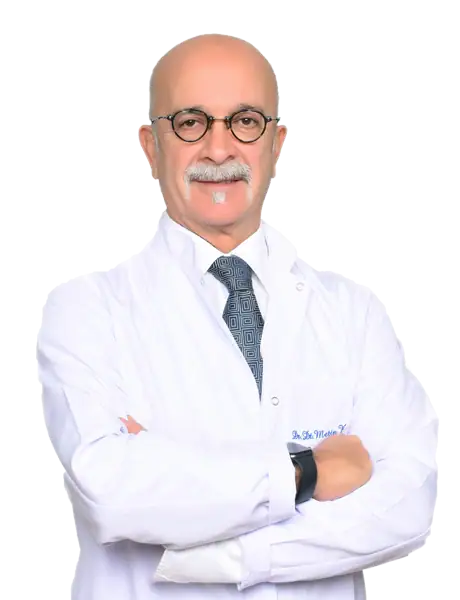
Dr. Metin Kınacı
Oral & Dental Health
Dr. Duygu Yavuzer Karadeniz
PeriodontolgyDr. Ali Riza Özdurmuş
Oral & Dental Health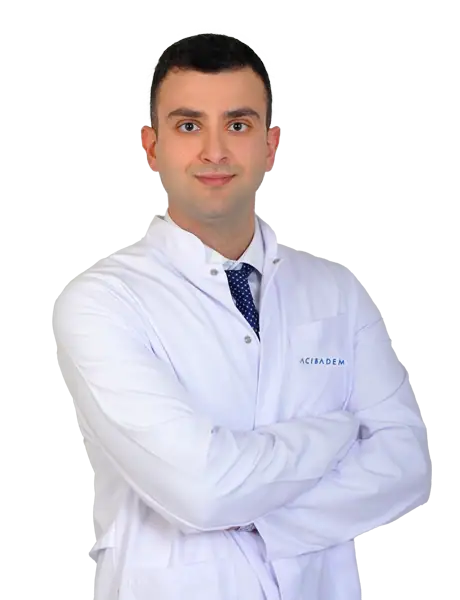
Dr. Bedii Ender Topçu
Oral & Dental Health
Dr. Sebiha Nihal Yılmaz
Oral Dental & Maxillofacial SurgeryDr. Seda Saygılı Özaydın
Oral & Dental Health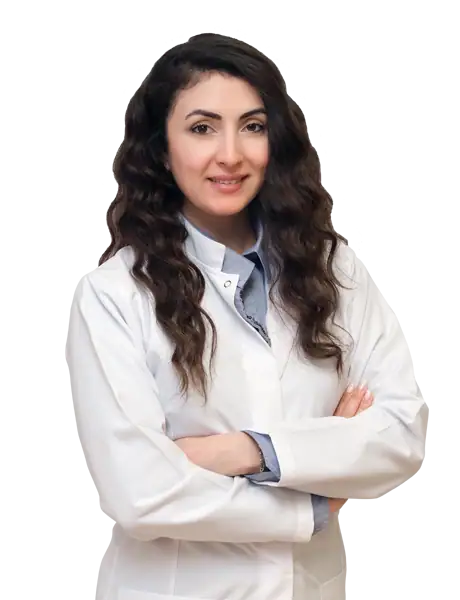
Dr. Zeynep Ekin Kılınç
Oral & Dental Health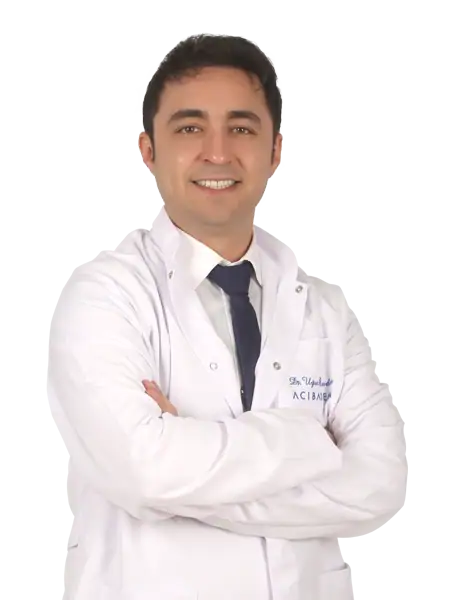
Dr. Uğur Önder
Oral & Dental Health
Dr. Helin Kuşsever Topçu
Oral & Dental Health
Dr. Pelin Açık
Oral & Dental Health
Dr. İpek Saygılı
Oral & Dental Health
Dr. Halime Bayram
Oral & Dental Health
Dr. Havva Gölalan
Oral & Dental Health
Dr. Merve Ağartıoğlu
Oral & Dental Health
Dr. Mücahit Güner
Oral & Dental HealthMedical Units
Available at These Hospitals