Non Surgical Hair Restoration
Non surgical hair restoration supports hair density and scalp health using personalized medical, injectable, or regenerative options without transplant surgery. It is suitable for selected patients with early or moderate hair thinning.
Quick answer
Non surgical hair restoration is a group of medical treatments, topical and oral medication, platelet-rich plasma (PRP) injections, light-based stimulation and nutritional correction, used to reduce shedding and support hair density without transplant surgery. It suits people whose follicles are still active, typically in early or moderate hair loss. Results develop gradually over months and depend on an accurate diagnosis of why hair is thinning.
Non Surgical Hair Restoration as a Hair Loss Treatment
Non surgical hair restoration is a medical hair loss treatment that works with the follicles you still have, rather than moving follicles from one part of the scalp to another. It uses medication, injectable therapies such as platelet-rich plasma, light-based stimulation, scalp care and nutritional correction to reduce shedding, strengthen thinning hairs and slow further loss. It is intended for people whose follicles are still biologically active, typically those with early or moderate thinning, and for people who want to protect existing hair before, after or instead of a hair transplant.
Hair thinning can be emotionally difficult even when a doctor would call it medically “early” or “moderate.” Many patients describe a gradual change: a widening parting, a more visible scalp under bright light, a receding hairline, more hairs in the shower drain, or less density when styling. For some, the loss begins after stress, illness, childbirth, weight change, a new medication or a hormonal shift. For others, it follows a family pattern and progresses slowly over years. Both situations deserve a proper diagnosis, because they are treated differently.
When you are researching care abroad, the decision can feel more complicated still. You may be wondering whether you need any hair loss treatment at all, whether medication alone would be enough, whether scalp injections are safe, whether results will look natural, or whether you are being steered towards a hair transplant too early. These are reasonable concerns. Good hair restoration begins with a clear diagnosis, a realistic account of what can and cannot be achieved, and a plan that fits your pattern of hair loss, medical history, age, expectations and long-term goals.
The most important step comes before any treatment is chosen: establishing whether your follicles are miniaturising under hormonal influence, shedding temporarily after a trigger, inflamed, nutritionally stressed, or permanently lost. Each of these situations calls for a different approach, and some call for no procedure at all. Non surgical hair restoration may be used as a first-line hair loss treatment for early thinning, as a maintenance strategy for patients not yet ready for surgery, or as part of a broader plan before or after transplantation.
At Acibadem, non surgical hair restoration is approached as a medical treatment, not simply a cosmetic service. Dermatology, aesthetic medicine, endocrinology, nutrition and other specialties may be involved when needed, particularly when hair loss may relate to hormonal imbalance, thyroid disease, anaemia, autoimmune disease, medication effects or systemic illness. This diagnostic discipline matters because a successful result depends not only on stimulating growth, but on identifying why hair is thinning in the first place.
What Is Non Surgical Hair Restoration?
Non surgical hair restoration refers to medical, injectable, regenerative and supportive treatments used to improve hair density and scalp condition without removing and transplanting follicles. Hair transplantation relocates follicles from a donor area into thinning or bald areas; non surgical treatments instead aim to preserve existing hair, strengthen miniaturised follicles, prolong the growth phase of the hair cycle and address the underlying contributors to shedding. The two approaches are not rivals, many patients use both at different stages, but they answer different questions.
Are there any non-surgical hair restoration options available?
Yes, several categories of non-surgical treatment exist, and in most patients a combination works better than any single method, because hair loss usually has more than one driver. A typical plan is assembled from the following groups:
- Topical medication, most commonly minoxidil, applied directly to the scalp.
- Oral medication, such as finasteride or dutasteride for selected men, and anti-androgen options for certain women, always under specialist supervision.
- Injectable and regenerative therapies, including platelet-rich plasma (PRP) and medically selected scalp injections.
- Light-based stimulation, using low-intensity light to support follicle activity.
- Nutritional and medical correction of contributors such as iron deficiency or thyroid imbalance.
- Scalp care and hair-care guidance to control inflammation and reduce avoidable damage.
For example, a patient may have genetic-pattern thinning combined with low iron stores and increased shedding after a period of illness. Treating only one of those factors usually produces an incomplete result. This is why a thorough assessment comes before any prescription or injection.
Medication-based hair loss therapy
Hair loss therapy with medication remains the foundation of most non-surgical plans. Topical minoxidil supports the hair growth cycle and can be used in both men and women when appropriate. It requires consistent, ongoing use, and its effect is assessed over months rather than weeks. Some patients notice a brief increase in shedding early in treatment as follicles transition through the hair cycle: this can be alarming if nobody has explained it in advance, which is one reason a supervised plan matters.
Oral medications such as finasteride or dutasteride may be considered for selected male patients with androgenetic alopecia, and occasionally for carefully selected female patients under specialist supervision. Anti-androgen medications may be used for certain women with hormone-related thinning. All of these medicines require an individualised discussion covering benefits, potential side effects, reproductive considerations and the realities of long-term use. Some are not suitable during pregnancy or when planning pregnancy. None of these decisions should be made from an internet search; they belong in a consultation where your full medical picture is known, and any decision about starting, pausing or adjusting a medicine rests with the treating doctor.
PRP and injectable scalp treatments
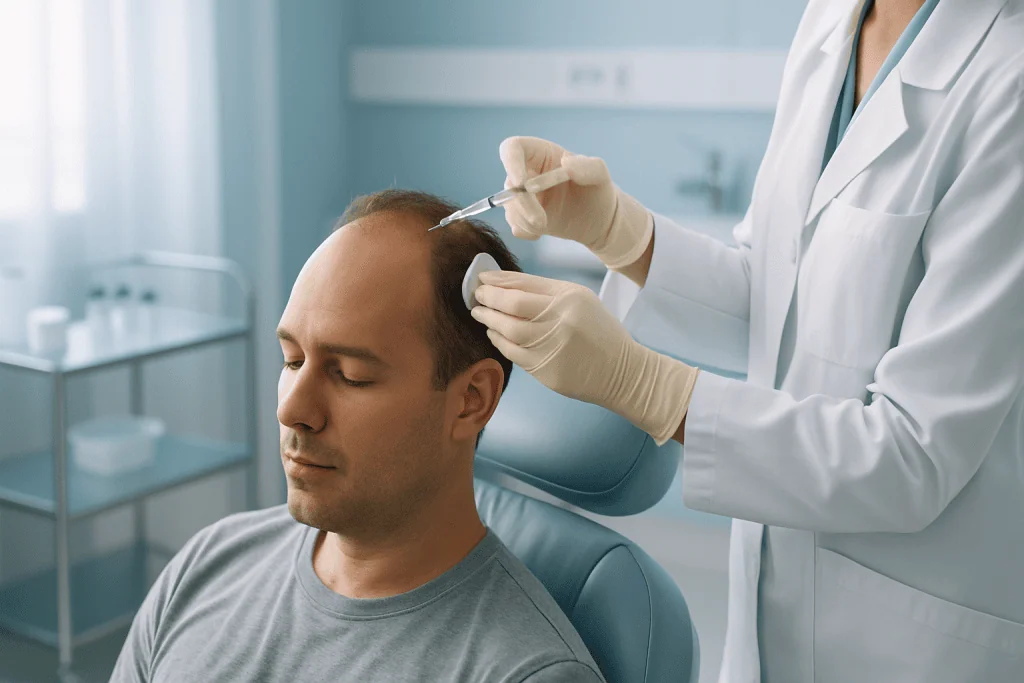
Platelet-rich plasma, widely known as PRP, is the most established injectable option. A small amount of your own blood is processed to concentrate the platelets, which carry growth-factor signals involved in tissue repair and follicle activity. The prepared plasma is then injected into targeted areas of the scalp using fine needles. The aim is to deliver those signals close to follicles that are still biologically active. You can read more about how sessions are structured on our PRP for Hair Loss page.
Other injectable scalp treatments may involve nutrient-based or medical formulations selected according to the clinical situation. Evidence varies by treatment type, and not every regenerative option is suitable for every patient. Be cautious about undefined “cocktails” or non-medical claims: a reputable clinic should be able to explain exactly what is being injected, why it is appropriate for your diagnosis, what evidence supports it and what risks apply. If a provider cannot answer those questions plainly, that is useful information in itself.
Light-based and supportive approaches
Low-intensity light exposure may be considered as an adjunct to stimulate follicle activity in some patients. It is not a standalone solution for established pattern loss, but it can form part of a combined plan. Details of how light-based sessions work are covered on our Laser Hair Therapy page.
Supportive care completes the picture: correcting nutritional deficiencies, treating scalp conditions such as dandruff or dermatitis, and adjusting hair-care habits that cause breakage or traction. These measures rarely make headlines, but ignoring them can quietly undermine every other part of the plan.
Whatever the combination, non surgical hair restoration is a gradual process. Hair grows in cycles, and visible improvement typically takes months rather than days. The usual sequence is: shedding slows first, then hair calibre improves, then coverage and styling density follow. For some patients the best achievable outcome is stabilisation: the loss stops getting worse. For others, especially those with early thinning and responsive follicles, visible thickening is realistic. An honest plan states which of these it is aiming for, and is reassessed over time.
Who May Need Non Surgical Hair Restoration?
Non surgical hair restoration suits people who are noticing thinning but still have functioning follicles in the affected areas. It is most commonly used for early or moderate androgenetic alopecia, male or female pattern hair loss. In men, this may appear as recession at the temples, thinning at the crown, or both. In women, it more often appears as diffuse thinning over the top of the scalp with a preserved frontal hairline, although patterns vary considerably.
Patients seek evaluation for many reasons: increased shedding, reduced ponytail volume, a widening centre parting, a scalp that shows in photographs, changes in hair texture, or growing difficulty covering thin areas when styling. Some arrive after being told they are too early for a transplant. Others have already had a transplant and want to protect their remaining native hair. Non-surgical care also suits patients who are medically not ready for surgery, prefer a less invasive route, or simply want to understand every option before committing to an operation.
Choosing a treatment for balding hair
The right treatment for balding hair depends less on which therapy sounds most advanced and more on what is actually happening at follicle level. Balding driven by hormonal miniaturisation responds to different measures than shedding triggered by illness, thinning caused by tight hairstyles, or loss caused by an inflammatory scalp disease. Matching therapy to mechanism is the entire game. This is why a structured diagnostic pathway precedes treatment selection, and why the same clinic may recommend medication for one patient, PRP for a second, scalp treatment for a third and monitoring alone for a fourth.
Diagnosis begins with a detailed history. Your physician will ask when the loss began, whether it was sudden or gradual, whether shedding is diffuse or localised, and whether there are symptoms such as itching, burning, scaling, pain or redness. Family history, menstrual or hormonal changes, pregnancy, menopause, weight changes, diet, stress, recent illness, surgery, medications, supplements and previous hair treatments all matter. For international patients, prior laboratory results, medication lists, dated photographs showing progression and any previous hair restoration records make the assessment considerably more precise.
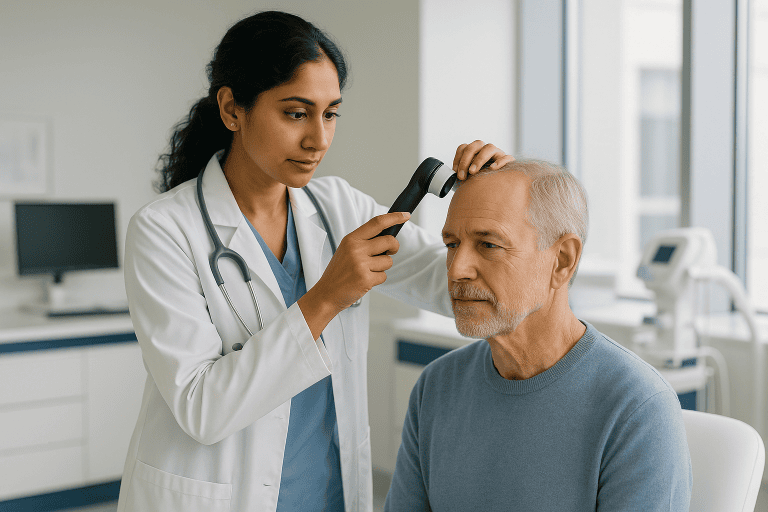
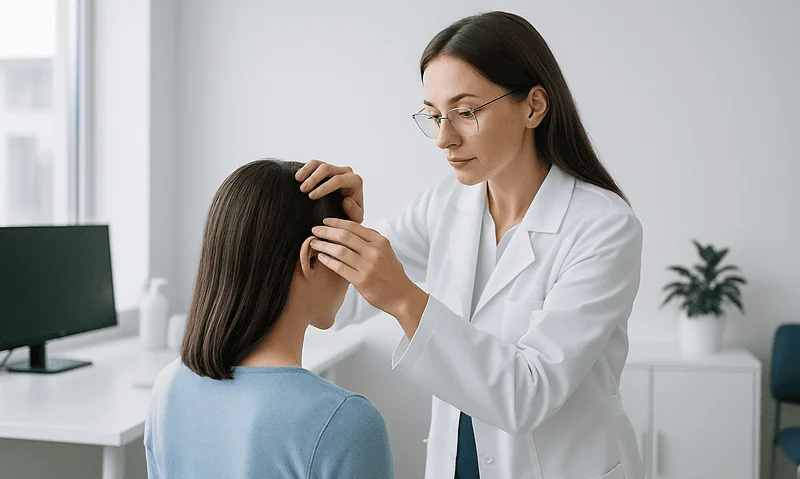
A scalp and hair examination is central. Doctors may use magnification or digital scalp imaging to assess follicle density, hair shaft thickness, miniaturisation, inflammation, scaling, and the balance between thick terminal hairs and finer vellus-like hairs. This distinguishes pattern hair loss from temporary shedding, scarring alopecia, inflammatory scalp disease, traction alopecia and other conditions that can look similar to the naked eye. In selected cases, laboratory tests assess iron status, thyroid function, vitamin levels, androgen profile or inflammatory markers. Rarely, a scalp biopsy is recommended when scarring alopecia or another complex diagnosis is suspected.
Non-surgical treatment is most appropriate when there is a treatable cause, active miniaturisation, recent shedding, or enough remaining follicular activity to respond. It is much less effective in areas that have been completely bald for many years, where follicles are no longer viable. In those cases, transplantation or other cosmetic strategies become more relevant. A responsible plan states plainly whether non-surgical care is expected to improve density, slow progression, prepare the scalp for surgery, or maintain results after another intervention, and if none of those is realistic, it says so.
Conditions and Indications Treated
The most common indication is androgenetic alopecia. This inherited, hormone-sensitive condition causes follicles to miniaturise gradually, producing thinner and shorter hairs over time. Treatment started while follicles remain active may help preserve existing hair and slow visible progression; treatment started after follicles have gone dormant achieves far less.
Telogen effluvium is the second common reason patients seek evaluation. Here, shedding increases after a trigger, fever, infection, childbirth, significant emotional stress, rapid weight loss, iron deficiency, surgery or a medication change. In many cases the shedding settles once the trigger is corrected, but medical evaluation is important to confirm the diagnosis and to avoid unnecessary procedures. A person shedding temporarily after an illness does not need a year of injections; they need a correct diagnosis and, often, patience.
Women with thinning related to hormonal imbalance, polycystic ovary syndrome, perimenopause or menopause may benefit from a plan that combines hair-directed therapy with appropriate medical assessment. Nutritional contributors, particularly low iron stores, inadequate protein intake, vitamin D deficiency and certain restrictive diets, can also drive shedding or poor hair quality, and correcting them is often a meaningful part of restoring a healthier hair cycle.
What vitamins am I lacking if my hair is falling out?
There is no single vitamin whose absence explains hair loss, and guessing is unreliable: the honest answer comes from testing, not supplements bought on suspicion. The contributors most often identified in clinical practice are low iron stores, vitamin D deficiency and inadequate protein intake; thyroid dysfunction, though not a vitamin issue, is checked at the same time because it produces similar shedding. Taking high-dose supplements without a confirmed deficiency does not thicken hair and can occasionally cause harm. If shedding is significant, targeted blood tests establish whether a deficiency exists and, just as importantly, rule one out so that treatment can focus on the real cause.
Scalp inflammation deserves its own mention because it interferes with both growth and comfort. Conditions such as seborrhoeic dermatitis, psoriasis, folliculitis and certain autoimmune scalp disorders may need medical treatment before or alongside hair restoration. Inflammatory and scarring alopecias require particular caution: the priority is to control disease activity and prevent permanent follicle damage. Injectable regenerative treatments are not appropriate for every inflammatory condition, and the diagnosis, not the menu of available procedures, should determine timing and choice of therapy.
Non-surgical treatment is also used as maintenance after transplantation. A transplant moves healthy follicles into thinning areas, but it does not stop ongoing miniaturisation of the surrounding native hair. Patients who are genetically prone to loss may need continuing medical management to protect non-transplanted hair and maintain a balanced appearance, especially younger patients, whose pattern of loss is still evolving. Our Hair Transplant unit works on exactly this interface between surgical and medical care.
Finally, some patients seek help for hair quality rather than visible baldness: brittle hair, reduced shine, scalp sensitivity or seasonal shedding. Here the physician’s job includes distinguishing normal variation from treatable disease and avoiding overtreatment. Not every shedding episode requires injections or long-term medication; sometimes targeted correction of scalp disease, nutrition or hair-care practices is the right first step, and monitoring is the right second one.
Hair Regrowth for Men
Hair regrowth for men usually centres on androgenetic alopecia, because it accounts for the great majority of male thinning. The pattern is recognisable, temple recession, crown thinning, or both, and it is progressive: follicles under hormonal influence produce steadily finer, shorter hairs until they stop producing visible hair at all. The practical consequence is that timing matters more for men than almost any other factor. A miniaturised follicle can often be supported; a follicle that has been dormant for years usually cannot.
What does a men’s baldness treatment plan include?
A men’s baldness treatment plan without surgery typically combines a medication that addresses the hormonal driver, a topical or procedural therapy that supports the follicles directly, and scheduled monitoring to confirm the plan is working. In practice that often means an oral medication considered against the patient’s health profile and preferences, topical minoxidil, and, where appropriate, a series of PRP sessions or light-based therapy as adjuncts. The plan is reviewed against photographs and scalp imaging at set intervals, and adjusted if the response is inadequate. What it should never be is a fixed package sold identically to every man who walks in.
What can baldness therapy realistically achieve?
Baldness therapy without surgery can slow or stabilise progression, reduce shedding and thicken hairs that are miniaturised but still growing: it cannot repopulate skin where follicles have died. That single distinction explains most disappointment in this field. Men with early thinning and visible fine hairs across the affected area have genuine potential for improvement. Men with long-standing, smooth bald areas are better served by an honest conversation about transplantation, where follicles are redistributed surgically using techniques such as FUE hair transplant or DHI hair transplant. Many men ultimately use both approaches: surgery for the bald zone, medical therapy to protect everything around it.
Hair Thinning in Women
Female hair loss is assessed differently from male hair loss, because the list of possible causes is longer and the pattern is usually diffuse rather than localised. Hormonal transitions, iron status, thyroid function, pregnancy and postpartum changes, polycystic ovary syndrome and certain medications all feature more prominently. For this reason, women are more likely to need laboratory evaluation before any hair-directed treatment begins, and more likely to benefit from multidisciplinary input.
Treatment options overlap with those for men, topical therapy, selected medications under supervision, PRP, light-based stimulation and nutritional correction, but the selection differs, particularly around reproductive considerations. Where thinning is advanced and localised, surgical options exist too; our page on hair transplant for women explains when surgery becomes relevant and why it suits fewer women than men.
How Non Surgical Hair Restoration Is Performed
The process follows a defined sequence rather than a single appointment:
- Consultation and diagnosis. History, scalp examination, assessment of pattern and severity, and a decision about whether tests are needed.
- Investigations where indicated. Blood tests, scalp imaging and, rarely, biopsy.
- Treatment selection. Medication, injectable therapy, light-based therapy, supportive care, usually in combination.
- Treatment delivery. A structured medication plan, a planned series of injection sessions, or both.
- Monitoring. Standardised photographs, scalp imaging and shedding history at set intervals.
- Reassessment. The plan is continued, adjusted or changed based on documented response.
For international patients, some initial assessment may begin before travel through medical records, photographs and remote communication with the international patient team. The final treatment plan, however, usually depends on in-person scalp examination and, when needed, laboratory results: a photograph cannot show miniaturisation the way a dermatoscope can.
Preparation depends on the treatment selected. If blood tests are recommended, they are usually done before therapy begins. Patients are asked about all medications, supplements, allergies, bleeding tendencies, pregnancy plans and previous reactions to anaesthetics or injections. If PRP or another injection-based treatment is planned, the doctor may advise on certain anti-inflammatory medicines before the session where medically safe, because they can interfere with platelet activity or increase bruising. Any decision about pausing or adjusting a prescribed medicine belongs to the treating doctor, never to the clinic schedule.
For topical or oral treatment, the “procedure” is really a structured plan. The physician explains how to use the medication, the expected timeline, possible side effects and when follow-up happens. Consistency is the deciding factor. Some treatments cause a temporary shedding phase early on as follicles transition through the hair cycle: your doctor explains this in advance so it does not read as failure.
For PRP, a small blood sample is taken, much like a routine blood draw. The sample is processed in a sterile system to separate and concentrate the platelet-rich plasma. The scalp is cleaned, and local anaesthetic or other comfort measures may be used depending on sensitivity and the treatment area. The plasma is then injected into the thinning regions at carefully spaced points using fine needles. A typical injection session takes less than an hour, though the full visit runs longer once consultation, preparation, photography and blood processing are included.
Other scalp injection therapies involve medically selected solutions delivered in small amounts, with content and frequency determined by the indication, physician judgement and local regulatory standards. The same rule applies as everywhere else in this field: you should be told what is in the syringe, why, and on what evidence.
Technology supports the process throughout. Magnified scalp imaging and digital documentation measure hair density, miniaturisation and scalp condition over time. Laboratory diagnostics identify medical contributors such as iron deficiency, thyroid dysfunction or hormonal imbalance. Sterile preparation systems and precise injection technique underpin safety in injectable treatments. None of this replaces medical judgement; it gives the clinical team objective evidence about whether the plan is working, which matters, because hair changes are gradual enough that memory alone is unreliable.
Recovery after treatment is usually brief. After injections, temporary scalp tenderness, redness, pinpoint bleeding, swelling or a mild headache can occur and typically settle quickly. Most patients return to normal daily activities soon afterwards, though the physician may recommend avoiding strenuous exercise, alcohol, harsh hair products, heat styling, swimming or scalp massage for a short period. Topical and oral medication involve no downtime, but monitoring for irritation, unwanted hair growth, sexual side effects, breast tenderness, mood changes, menstrual changes, dizziness or other symptoms may be relevant depending on the medicine used, another reason these treatments belong under supervision.
Follow-up is part of the treatment, not an optional extra. The physician compares standardised photographs, scalp imaging, shedding history and hair measurements. If there is no meaningful response after an appropriate period, the plan changes. Sometimes the diagnosis itself changes as new information appears: persistent shedding despite treatment can prompt further investigation for nutritional deficiency, thyroid disease, autoimmune disease, medication-related shedding or chronic scalp inflammation. Continuing an ineffective plan indefinitely is not persistence; it is a missed diagnosis.
How much does non surgical hair restoration cost?
There is no single price, because non surgical hair restoration is not a single procedure: the cost of a hair loss treatment plan depends on which components it contains and for how long. The main drivers are the type of therapy (ongoing medication differs from a series of PRP sessions, which differs again from combined programmes), the number of sessions planned, whether laboratory tests and imaging are needed, and how long maintenance continues. Because pattern hair loss is a long-term condition, the more useful question at consultation is not the price of one session but the expected shape of the whole plan: what is proposed, over what period, reviewed at which points, and with what decision made if the response is inadequate. A clinic should be able to set that out before you commit to anything.
Why Acting Early Matters
Follicles respond best while they are still alive and capable of producing hair. In pattern loss they miniaturise gradually: first producing thinner hairs, then shortening their growth phase, then falling silent. Treatment begun while follicles remain active has a real opportunity to preserve density and improve hair calibre. Waiting until an area is completely bald narrows the non-surgical options considerably.
Early evaluation matters for a second reason: not all hair loss is genetic. Sudden shedding can signal iron deficiency, thyroid disease, autoimmune disease, medication effects, major stress or nutritional imbalance. Scalp symptoms such as pain, burning, scaling, pustules or redness may indicate inflammation that needs medical treatment in its own right. Delay is most costly in scarring alopecia, where destroyed follicles do not recover, controlling the disease early is what protects the hair.
Can a lost hair grow back?
It depends entirely on the state of the follicle, not the hair. A hair shed from a healthy follicle, as in temporary shedding after illness or childbirth, is normally replaced as the follicle cycles back into growth. A hair from a miniaturised follicle can return thicker if the follicle is supported before it shuts down. A hair from a follicle that has been destroyed by scarring, or dormant for many years in a long-bald area, will not regrow with any non-surgical method; in those areas, only transplantation can restore coverage, by moving living follicles in from elsewhere.
How to stop losing hair?
The only reliable way to stop hair loss is to identify what is causing it and treat that mechanism: there is no universal method, because there is no universal cause. Hormonally driven pattern loss is slowed with medication that addresses the hormonal pathway. Deficiency-related shedding stops when the deficiency is corrected. Traction loss stops when the traction stops. Inflammatory loss requires the inflammation to be controlled. Products marketed as stopping all hair loss for everyone are, by that logic alone, overpromising. Diagnosis first; treatment second.
How to stimulate hair growth?
Growth can be stimulated in follicles that are still active through several evidence-supported routes: topical minoxidil to support the growth cycle, PRP injections to deliver growth-factor signals to the follicle environment, low-intensity light therapy as an adjunct, and correction of nutritional or medical factors that are holding the hair cycle back. Combining approaches generally outperforms any single one. What stimulation cannot do is create follicles where none survive, which is why an examination of what remains on the scalp comes before any promise about what will grow.
Acting early does not mean rushing into every available treatment. It means getting an accurate diagnosis and choosing a measured plan. Some patients need reassurance and monitoring. Others need medication, scalp treatment, nutritional correction or injection therapy. The right timing depends on the condition, the pace of progression and your own goals, and a plan that starts with restraint is often the one that ages best.
Potential Benefits of Non Surgical Hair Restoration
The benefits depend on the diagnosis, the treatment method and the consistency of follow-up, but the main realistic goals are summarised below.
| Benefit | What It Means for You |
|---|---|
| Preserving existing hair | Treatment may help slow miniaturisation and support follicles that are still active, especially in early or moderate pattern hair loss. |
| Improving hair density and calibre | Responsive follicles may produce thicker, stronger hairs over time, improving coverage and styling volume. |
| Reducing excessive shedding | When shedding is related to a treatable trigger, medical evaluation and targeted therapy may help the hair cycle recover. |
| Avoiding or delaying surgery in selected cases | Patients who are not ready for transplantation may use non-surgical care to stabilise hair loss or improve density while monitoring progression. |
| Supporting transplant planning or maintenance | Non-surgical therapy may help protect native hair before or after hair transplantation and contribute to a more stable long-term appearance. |
| Minimal downtime | Most treatments allow a quick return to daily activities, which is practical for international patients with limited time abroad. |
Recovery Timeline After Non Surgical Hair Restoration
Recovery from the treatments themselves is usually straightforward; visible hair improvement follows the natural hair cycle and takes longer.
| Time Period | What Patients Can Expect |
|---|---|
| Day 1 | After injections, mild redness, tenderness, swelling or pinpoint marks may occur. Most patients return to routine activities with simple aftercare instructions. |
| First Week | Scalp sensitivity usually settles. Patients may be advised to avoid harsh products, intense heat, swimming or vigorous scalp massage for a short time. |
| First Month | Visible density changes are usually limited. Some patients notice reduced shedding, while others experience temporary shedding as follicles cycle. |
| First Three to Six Months | Early improvements in shedding, hair texture or coverage may become more noticeable if follicles respond and treatment is used consistently. |
| Longer Term | Maintenance may be needed, particularly for genetic-pattern hair loss. Progress is monitored with photographs, scalp imaging and clinical follow-up. |
Factors That Influence a Good Result
The most important factor is diagnosis. Non surgical hair restoration works when the treatment matches the cause. Pattern hair loss, telogen effluvium, inflammatory scalp disease, traction-related thinning, nutritional deficiency and scarring alopecia are different conditions; a therapy that helps one may be ineffective, or actively inappropriate, for another.
The stage of hair loss matters almost as much. Early thinning has more responsive follicles than long-standing bald areas. A scalp with visible miniaturised hairs offers more opportunity for thickening than smooth, shiny scalp where follicles no longer function. This is exactly why examination and imaging come before any plan is chosen: the state of the follicles sets the ceiling on what treatment can achieve.
Consistency strongly affects outcomes. Topical and oral treatments must be used as prescribed, often for months before a full assessment is fair. Stopping too early forfeits the benefit; stopping after a good response can allow progression to resume. Injectable therapies typically follow a planned series with maintenance afterwards. International patients should discuss how follow-up will work after returning home, including whether local laboratory monitoring or shared care with a physician in their own country makes sense.
General health plays a significant role. Iron deficiency, thyroid imbalance, inadequate protein intake, crash dieting, chronic inflammation, poorly controlled medical conditions, sleep disruption and smoking can all affect hair growth. Stress does not explain every case, but severe physical or emotional stress can push follicles into a shedding phase. Addressing these factors improves the terrain on which every hair-directed treatment has to work.
Medication selection must be individualised. Some medicines are unsuitable during pregnancy or when planning one, and certain oral options require careful discussion in women of childbearing potential. Men considering medicines that act on androgen pathways should understand the potential side effects and what monitoring involves. A good result is not only visible density; it is treatment that remains safe and acceptable for your life stage and health profile over the years it will be used.
Realistic expectations are essential. Non-surgical therapy is valuable, but it does not create new follicles in completely bald areas the way transplantation redistributes them. Results are gradual and variable: some patients see noticeable improvement, some achieve stabilisation, and some need a revised diagnosis or a different treatment. High-quality care includes honest reassessment rather than continuing a plan that is not working.
Finally, hair-care practices either support or undermine everything above. Tight hairstyles, frequent chemical processing, excessive heat, aggressive brushing and chronic scalp irritation contribute to breakage and traction-related thinning. Your physician may recommend gentler styling, treatment for dandruff or inflammation, and scalp care that supports the medical plan. These measures are not substitutes for medical therapy when it is needed, but they remove avoidable damage from the equation.
Why International Patients Choose Acibadem
For patients considering non surgical hair restoration abroad, the quality of the medical evaluation matters as much as the treatment itself. Acibadem’s approach is built around diagnosis-driven care in a hospital-based healthcare group, with physicians experienced in hair and scalp conditions, modern diagnostic pathways and coordinated support for international patients. The aim is to determine why hair loss is occurring and to design a plan that is medically appropriate, practical and aligned with your expectations, including, where honesty requires it, the conclusion that a proposed treatment is not the right one for you.
International patients often arrive with mixed information gathered from online research, previous consultations, product recommendations and social media claims. Consultation therefore focuses on clarifying the clinical picture. Scalp examination, magnified imaging, standardised photography, laboratory testing when indicated and a review of medical history separate genetic-pattern loss from temporary shedding, inflammatory disease, nutritional issues or hormone-related concerns. When another specialty is relevant, endocrinology, gynaecology, nutrition, internal medicine, multidisciplinary input can be coordinated within the same group.
Treatment planning is individualised. A man with early pattern thinning needs a different plan from a woman with postpartum shedding, a patient with active scalp inflammation, or someone maintaining hair after a transplant. Physicians discuss medical therapy, injectable and regenerative options, supportive care, monitoring, expected timeframes, and when surgery may or may not be appropriate. This judgement matters most in younger patients, where preserving donor hair and planning around a pattern that is still evolving require restraint as much as expertise.
Technology supports clinical decision-making rather than replacing it. Digital scalp assessment documents baseline density and miniaturisation. Laboratory diagnostics reveal correctable contributors. Sterile preparation and injection systems support safety for treatments such as PRP. Follow-up photography and scalp measurements show whether the plan is producing its intended effect, objective documentation that international patients find particularly useful, because hair changes are subtle and gradual enough to be hard to judge in the mirror.
Acibadem International provides dedicated assistance for patients travelling from abroad, including help with communication, appointment coordination, medical record transfer, hospital navigation and travel-related arrangements. This coordination is genuinely useful in hair restoration, where care may span consultation, testing, procedure sessions and follow-up planning: patients receive clear instructions before arrival and a structured plan for what happens after returning home.
The setting matters too. Non-surgical hair restoration involves injections, prescription medicines and medical evaluation; it should be performed with appropriate safety standards, sterile protocols and physician oversight. Within a hospital-based group, broader medical resources are available if a systemic cause of hair loss is suspected or further evaluation is needed: a reassurance for patients who want aesthetic improvement without compromising on medical safety. Care abroad should never mean a one-size-fits-all package: the right plan may be as simple as correcting a deficiency and monitoring, or as layered as medication, scalp treatment and PRP, or a conclusion that a different diagnosis must be treated first.
Taking the Next Step
Non surgical hair restoration can be an effective option for selected patients with early or moderate thinning, especially when the cause is accurately diagnosed and treatment starts while follicles remain active. It may reduce shedding, improve hair calibre, support scalp health and preserve density without surgery. The process asks for patience, consistency and realistic expectations, because hair grows slowly and results develop over months rather than weeks.
If you are unsure whether your hair loss is temporary, genetic, hormonal, inflammatory or related to another health issue, that uncertainty is itself diagnostic information: it means the cause has not yet been established, and establishing it is the logical first step before committing to any therapy. A second medical opinion can also be worthwhile if you have been advised to proceed directly to surgery, or if you have tried multiple treatments without ever receiving a clear diagnosis.
At Acibadem, the goal is a medically grounded plan that reflects your hair loss pattern, health status, lifestyle and long-term aims. Whether the right path is medical therapy, regenerative treatment, scalp care, monitoring or a future transplant discussion, everything starts with the same question: what is happening at the follicle level, and what can reasonably be improved.
Preparation
- A specialist evaluates the pattern and cause of hair loss, medical history, medications, and scalp condition. Blood tests or dermatologic assessment may be requested when needed. Patients may be advised to avoid blood thinners, alcohol, and certain supplements before injectable treatments.
Aftercare
- Mild redness, tenderness, or swelling can occur briefly after scalp injections. Patients are usually advised to avoid washing the hair, heavy exercise, sauna, and harsh hair products for the first day. Follow-up sessions may be planned to maintain or improve results over time.
Frequently Asked Questions
What affects the cost of non surgical hair restoration?
The final cost depends on the diagnosis, treatment option, session frequency, medicines, laboratory tests, scalp analysis, specialist fees, and follow-up plan. Travel and accommodation may also affect the total for international patients.
How can I get a personalised quote?
You can request a free consultation and share scalp photos, medical history, previous treatments, and any test results. A specialist team can then recommend whether non surgical hair restoration is suitable and prepare a personalised plan and quote.
Is non surgical hair restoration cheaper than a hair transplant?
It may involve a lower initial treatment commitment because surgery is not performed, but ongoing maintenance can influence the total cost over time. The right comparison depends on your hair loss stage, goals, and specialist assessment.
Are medicines and follow-up included in the package?
Inclusions vary by package. Some plans may include consultation, scalp assessment, selected treatment sessions, aftercare guidance, or coordination services, while medicines, tests, and maintenance reviews may be separate.
Will I need more than one treatment type?
Many patients benefit from a combined plan, such as medical therapy with injectable or scalp-support treatments. A specialist decides suitability after examining the cause and pattern of hair thinning.
Is this medical or financial advice?
No. This information is educational only and does not replace medical or financial advice. A free consultation is recommended to receive a personalised assessment, treatment plan, and quote.
Medically reviewed by the Acıbadem International Medical Board August 31, 2026
See our medical review board →
Update history
- PublishedJune 8, 2026
- Medical review approvedAugust 31, 2026
- Last content updateAugust 31, 2026
Trusted care for international patients
From the Acibadem Blog
When Non-Surgical Hair Restoration Comes First: Medical Treatment Before Any Transplant Talk
Non-surgical hair restoration usually comes first because most pattern hair loss is progressive, and a transplant moves hair but does not stop the process.…