

Composite Bonding Turkey: Fixes, Bonding vs Veneers and Cost
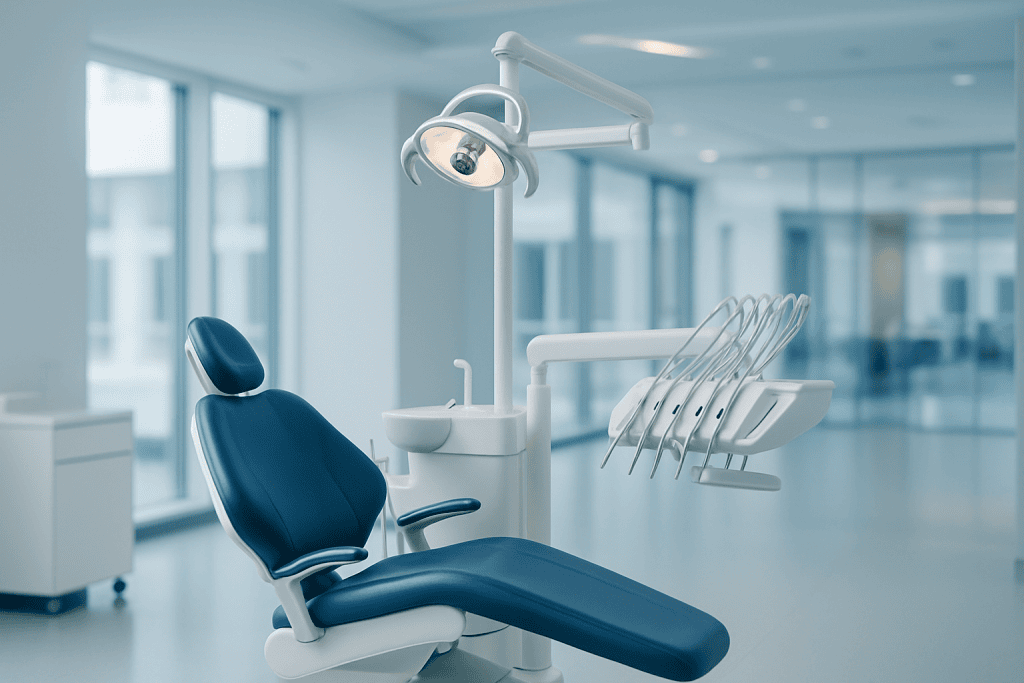
Composite bonding in Turkey has become one of the most frequently considered cosmetic dental treatments for people travelling from the United Kingdom, Ireland and North America, largely because it is quick, minimally invasive and reversible in a way that porcelain work is not. The treatment uses a tooth-coloured resin that a dentist sculpts directly onto the tooth to repair chips, gaps, discolouration or uneven edges, then hardens and polishes so that it blends with the surrounding enamel.
This guide explains what composite bonding can and cannot fix, how it differs from porcelain veneers and from what is often marketed as composite veneers, how the treatment is organised within a hospital group rather than a stand-alone clinic, what recovery looks like, and how to compare the UK, US and Türkiye pathways honestly. The verified price band beneath these sections gives the cost context; the text itself focuses on the clinical and practical questions you should settle before booking anything.
What composite bonding is and who it suits
Composite bonding is a minimally invasive cosmetic dental treatment in which a dentist applies tooth-coloured resin to the surface of a tooth, shapes it by hand, hardens it with a curing light and polishes it to a natural finish. Because the resin bonds to existing enamel, the tooth itself is usually left almost untouched. It is used to repair chips, close small gaps between teeth, mask localised discolouration and even out worn or uneven edges so that the smile looks more balanced.
Who is usually a good candidate
- Adults with healthy gums and teeth free of active decay who want to correct minor cosmetic flaws.
- People with small chips or wear on the front teeth, or slightly uneven edges.
- Those who want a conservative option that can later be adjusted, repaired or removed.
- Patients who prefer a single-visit treatment rather than a laboratory-made restoration.
Who should not have it, or should look at alternatives first
- Anyone with untreated gum disease, cavities or infection: these must be managed before any cosmetic work.
- People with heavy grinding or clenching habits, unless a night guard is part of the plan, because composite can chip under repeated force.
- Patients with large gaps, severe crowding or bite problems, who may need orthodontics or a different restoration.
- Those expecting a dramatic change in tooth colour across the whole mouth; bonding blends with the shade you have, so whitening is sometimes advised first.
Bonding vs veneers: the short version
Porcelain veneers are thin ceramic shells made in a laboratory, usually requiring a layer of enamel to be removed and two or more visits. Composite bonding is added rather than removed, is done chairside and is repairable. Composite veneers sit in between: the same resin, but layered over the whole front surface of a tooth for a fuller change. The right choice depends on how much needs correcting and how permanent you want the decision to be, which is exactly what a dentist assesses before proposing a plan.
Why patients from the UK and the US travel to Türkiye for composite bonding
Most people who look into composite bonding in Turkey are not motivated by clinical need alone. Cosmetic dentistry is almost never available on the NHS, and in the United States it is typically excluded from dental insurance, so patients are self-funding wherever they go. That changes the calculation: rather than waiting for a slot at a private practice at home, many decide to combine treatment with a short trip and use the time difference to their advantage.
What distinguishes hospital-based dentistry from the wider market is the setting. Acıbadem operates a network of more than 20 hospitals, 7 of which are JCI-accredited, with more than 3,300 physicians across its facilities. Dental departments within these hospitals work alongside anaesthesia, intensive care, radiology and laboratory services on the same site. For a simple procedure such as bonding that may sound like more infrastructure than the treatment needs, and often it is; the point is that if an unexpected finding appears during examination, such as a cracked root or an infection that needs imaging or a specialist opinion, it can be handled within the same institution rather than referred elsewhere at short notice.
There are also practical reasons. Istanbul is roughly a four-hour flight from London and about ten hours from New York. International patient teams are used to coordinating consultations, translations and follow-up messages with patients who live in another time zone, and appointments can usually be arranged without a waiting list. Cost is part of the picture too, and the price band below shows how the three markets compare; the following sections explain what those differences do and do not mean.
How composite bonding works with Acıbadem, step by step
The pathway is designed so that nothing clinically important happens for the first time on the day you arrive. Each stage is a chance to confirm that bonding is right for you or to change course.
- Remote medical review. You share photographs of your teeth, any recent X-rays and a short medical and dental history through the international patient service. A dentist reviews them and indicates whether composite bonding, composite veneers or another approach is likely to be appropriate. This review is free and carries no obligation.
- Personal plan. You receive a written outline of the proposed treatment, the number of teeth involved, expected visit length and a quote based on that review. If the recommendation differs from what you had in mind, this is the moment to ask why.
- Arrival and coordinator. A patient coordinator confirms your appointment times, hospital location and transport. Many UK patients choose Acibadem Maslak Hospital because of its position in central Istanbul, but the coordinator will advise which site fits your dates.
- Consultation and pre-operative checks. The dentist examines your teeth in person, takes any X-rays not already available, checks gum health and confirms the shade to match your natural enamel. Minimal preparation is usually needed; in some cases small adjustments or light polishing are done before the resin is applied.
- The treatment. Bonding is completed in a single session lasting 30 minutes to 1.5 hours under local anaesthesia, as an outpatient.
- Recovery in Istanbul. Recovery takes one to two days. A short review appointment before you fly allows the dentist to check the bite and finish.
- Follow-up after returning home. The team remains reachable for questions, and you receive your records to share with your own dentist.
The procedure: technique, anaesthesia and duration
Composite bonding is a non-surgical procedure. No incision is made and, in most cases, very little tooth structure is altered. The details below reflect the clinical facts published for this treatment within the hospital group.
Preparation
Your dentist examines your teeth and discusses your aesthetic goals to confirm that composite bonding is suitable. A resin shade is selected to match your natural teeth, which is why any planned whitening should be finished beforehand. Minimal preparation is usually needed; in some cases small adjustments or light polishing are performed before the resin is applied so that the surface accepts the bond well.
Anaesthesia
The treatment is carried out under local anaesthesia. Many patients report that they feel little more than pressure and the vibration of polishing tools, but local anaesthetic is used where the dentist judges it appropriate, particularly if an edge needs to be reshaped close to sensitive dentine. No sedation or general anaesthesia is involved for this procedure.
Duration and hospital stay
A session takes 30 minutes to 1.5 hours depending on the number of teeth treated and how much shaping is needed. It is an outpatient procedure: you walk in and walk out the same day, with no overnight stay.
What happens in the chair
- The tooth surface is cleaned and a conditioning gel is applied so the resin can bond.
- Resin is placed in thin layers, each shaped and hardened with a curing light.
- The dentist refines the shape, checks your bite and polishes the surface until it matches the sheen of neighbouring enamel.
Because the resin is shaped by hand, the result depends heavily on the dentist’s skill and on realistic planning of how the treated teeth will sit against the untreated ones.
Recovery and aftercare timeline
One of the reasons composite bonding in Turkey suits a short trip is that recovery is brief: one to two days for any sensitivity or awareness of the new shape to settle. There is no surgical wound and no dressing to manage. What matters more is how the resin is treated over the following months and years.
The first day
- Avoid biting very hard foods with the treated teeth: no nuts, ice, crusty bread or pen lids.
- Any numbness from the local anaesthetic wears off within hours; avoid chewing on that side until it does.
- Mild sensitivity to temperature is common and usually fades quickly.
The first week
- Brush twice daily and floss as usual; good oral hygiene protects the margin where resin meets enamel.
- Limit staining foods and drinks such as coffee, tea and red wine, and avoid tobacco, because freshly placed resin is more prone to picking up colour.
- If a treated edge feels high when you bite together, tell the dentist before you fly home; a small adjustment is simple at this stage.
Long term
Composite is durable but not permanent. It can wear, chip or discolour over time, particularly in people who grind their teeth or consume a lot of staining drinks. Regular dental check-ups and occasional polishing help maintain the result, and small repairs can be made by any dentist trained in composite work, including your own dentist at home. Ask for a written note of the resin shade and brand so that future touch-ups match.
What it costs: UK, US and Türkiye
Typical self-pay ranges from the Turkey Medical Price Index. Türkiye figures are guide ranges for hospital treatment; your personal quote follows a free medical review.
Source: Turkey Medical Price Index (quarterly edition). Ranges depend on the extent of treatment, materials and hospital stay; they are not a quote.
Safety and risks
Composite bonding is among the lower-risk procedures in cosmetic dentistry, but low risk is not no risk, and problems reported by patients returning from treatment abroad tend to follow recognisable patterns.
Who is not suitable
Bonding should not be placed over decay, cracks or inflamed gums, and it is a poor choice for people with untreated grinding habits or significant bite problems. A dentist who proposes bonding without examining gum health, taking any necessary X-rays or asking about clenching is skipping steps that protect you.
Complications that can occur
- Chipping or fracture of the resin, usually from biting hard objects.
- Staining or a visible colour mismatch as the composite ages differently from enamel.
- Sensitivity, particularly if enamel was adjusted more than expected.
- Rough or overhanging margins that trap plaque and irritate the gum.
- A bite that feels uneven, leading to discomfort or accelerated wear.
What cases that go wrong abroad often share
The recurring themes are rushed planning, where a large number of teeth are treated in a single visit without a proper assessment; the absence of any hospital or specialist backup when something unexpected is found; and no follow-up, so that a high spot or a chipped edge is left unaddressed until it becomes a bigger problem. Marketing that promises a transformed smile in an afternoon rarely mentions these points.
How a hospital setting changes the picture
Treatment within a JCI-accredited hospital means documented infection control, a medical record that follows you, radiology and periodontal expertise on the same site, and an international patient team that remains reachable after you leave. It does not make composite bonding permanent or risk-free, and a hospital dentist should be as willing as any other to tell you that bonding is not the right option for your teeth.
UK and US vs Türkiye: how the pathway differs
Comparing composite bonding in Turkey with treatment at home is less about the resin, which is made by the same handful of international manufacturers wherever you go, and more about how the pathway is organised and paid for.
Waiting times and access
In the UK, cosmetic bonding is a private treatment and is not provided by the NHS for aesthetic reasons alone. Waiting times at private practices vary by area. In the US, cosmetic work is usually excluded from dental insurance and patients pay out of pocket. In Türkiye, appointments within the hospital network can typically be scheduled to suit travel dates without a waiting list.
What the lower cost means, and what it does not
The cost comparison below reflects the verified difference between the three markets. That difference comes mainly from lower staff salaries, property costs and overheads in Türkiye. It does not mean lower-grade materials: the composites, bonding agents and curing equipment used in an accredited hospital are the same categories of product used in London or New York. Nor does a lower cost on its own indicate lower skill, any more than a higher cost can promise a good result; the outcome depends on the individual evaluation. What the cost of composite bonding in Turkey does not include is your travel, accommodation and time away, which should be added to any comparison.
Aftercare and follow-up
At home, you can return to the same dentist for adjustments. Abroad, you rely on the treating team being contactable and on your own dentist being willing to maintain work done elsewhere. Ask both in advance.
Compare like for like
- The same number of teeth and the same technique (bonding of edges versus full composite veneers).
- Whether examination, X-rays, polishing and a review visit are included.
- Who the dentist is and where they trained.
- What happens if a piece chips in the first weeks.
Planning the trip to Istanbul
Because composite bonding is an outpatient procedure with a recovery of one to two days, the trip can be short, but building in a small margin avoids having to rush a review appointment.
Documents and entry
- UK, Irish, US, Canadian and Australian passport holders can enter Türkiye visa-free for up to 90 days. Rules change, so check the current requirements before you travel and make sure your passport has adequate validity.
- Bring printed or digital copies of your treatment plan, any recent dental X-rays and a list of medications.
How long to stay
Many patients plan three to five nights: arrival and consultation on day one or two, treatment the following day, then a review appointment before departure. If your dentist recommends whitening first, or if a gum problem needs treating before bonding, the schedule may need to change; a flexible ticket makes this easier.
Companion
A companion is not medically necessary for bonding, since there is no sedation, but travelling with someone can be reassuring and helps with logistics. The patient coordinator can advise on accommodation close to the hospital.
Travel insurance
Standard travel insurance usually excludes planned medical or dental treatment and any complications arising from it. Look for a policy that explicitly covers elective treatment abroad, or accept that costs relating to the dental work itself would be self-funded. Ordinary cover for lost luggage, delays and unrelated illness remains worth having.
What to bring
- Your usual toothbrush and floss.
- A night guard if you already use one; the dentist may want to check it against the new shapes.
- Comfortable clothing and something to occupy the wait between appointments.
Back home: follow-up, records and your own dentist
The treatment does not end when you land. Composite bonding needs routine maintenance, and the smoother the handover to your own dentist, the easier that is.
Follow-up with your own dentist or GP
Book a routine check-up with your usual dentist within a few months of returning, and tell them exactly what was done. Share the records you received from the hospital, including the number of teeth treated, the resin shade and brand, and any X-rays taken. Most dentists are happy to polish and maintain composite placed elsewhere, but some prefer to see the documentation first. Your GP does not normally need to be involved unless you have a medical condition affected by dental treatment.
When to seek help
- A sharp edge, chip or piece of resin coming away.
- Persistent sensitivity beyond the first few days.
- Gum redness, swelling or bleeding around a treated tooth.
- A bite that feels uneven or causes jaw discomfort.
Contact the international patient team first for advice, and see a local dentist if the problem needs hands-on attention. Keep the hospital’s contact details in your phone.
Insurance, NHS and your own doctor
Private medical and dental insurance in the UK rarely covers elective cosmetic treatment abroad, and complications arising from it are often excluded too; check your policy wording before travelling. The NHS treats complications as it would for any other patient, but it will not redo cosmetic work for aesthetic reasons. In the US, HSA and FSA rules on treatment abroad and the scope of travel-medical policies vary, so confirm with your plan administrator and insurer in advance rather than assuming.
Questions to ask before deciding on composite bonding in Turkey
Whether you are considering Acıbadem or any other provider, a short checklist keeps the conversation focused on the things that affect your result. Use it during the remote review and again at the in-person consultation.
About suitability
- Have you examined my gums and checked for decay or cracks before recommending bonding?
- Do I grind or clench, and if so, should a night guard be part of the plan?
- Would whitening first give a better shade match?
- Is bonding, a composite veneer or a porcelain veneer the more appropriate option for each tooth, and why?
About the treatment
- How many teeth will be treated and how much, if any, enamel will be adjusted?
- Which resin brand and shade will be used, and can I have this in writing?
- Who will carry out the treatment, and what is their experience with composite work?
- Is a review appointment before I fly home included?
About afterwards
- How do I reach the team if something chips in the first weeks?
- What records will I receive to share with my own dentist?
- What is a realistic expectation for how the composite will age, and what maintenance will it need?
About the cost
- What exactly does the quote include: examination, X-rays, polishing, review?
- How does it compare with the price band for the same number of teeth and technique?
A provider who answers these questions clearly and is willing to say that bonding is not right for a particular tooth is showing the kind of judgement you want. Whether composite bonding is suitable for you is determined by a physician’s evaluation.
What does composite bonding in Turkey involve?
A dentist applies tooth-coloured resin to the tooth surface, shapes it, hardens it with a light and polishes it to blend with your enamel. It is a non-surgical outpatient procedure carried out under local anaesthesia. Most sessions take between 30 minutes and 1.5 hours depending on the number of teeth.
How much does composite bonding cost in Turkey compared with the UK?
The verified UK, US and Türkiye price band shown beneath this guide gives the comparison. The difference reflects lower salaries and overheads in Türkiye rather than different materials. A personal quote follows a free remote medical review, and you should add travel and accommodation when comparing.
What is the difference between composite bonding and veneers?
Composite bonding adds resin to specific areas such as chips or edges and usually leaves the tooth largely untouched. Porcelain veneers are laboratory-made ceramic shells that generally require enamel removal and more than one visit, and the decision is permanent. Composite veneers use bonding resin over the whole front surface of a tooth for a fuller change while remaining repairable.
Are composite veneers in Turkey the same as bonding?
They use the same resin and the same chairside technique, but a composite veneer covers the entire visible surface of the tooth rather than a single edge or chip. They take longer per tooth and require more skill in shaping. A dentist will advise which is appropriate for each tooth after examining you.
How long does composite bonding last?
Composite is durable but not permanent, and its lifespan depends on your bite, grinding habits, diet and hygiene. Regular check-ups and occasional polishing help maintain it, and chips can usually be repaired rather than replaced. Your dentist will give a realistic expectation based on your own teeth rather than a general figure.
Is composite bonding painful?
Most patients feel pressure and vibration rather than pain, and local anaesthesia is used where needed. Mild sensitivity to hot and cold can occur for a day or two afterwards. Recovery is typically one to two days.
How long do I need to stay in Istanbul for composite bonding?
The procedure itself is completed in a single outpatient visit, and recovery is one to two days. Many patients stay three to five nights to allow for consultation, treatment and a review appointment before flying home. Istanbul is about four hours from London by air.
Will my dentist at home maintain bonding done in Turkey?
Most dentists will polish and repair composite placed elsewhere, particularly if you can share records showing the resin brand and shade. Book a routine check-up within a few months of returning and explain what was done. If a problem arises, contact the treating hospital's international patient team for advice and see a local dentist for hands-on care.
Your care team
Physicians of the Acıbadem network who perform this treatment in Istanbul.
 Where it is performed Acibadem Maslak Hospital İstanbul · JCI-accredited hospitals

Clinical guide & data
The evidence-based pages behind this guide.