Trigeminal Neuralgia: Facial Pain Symptoms and Treatment Options

Trigeminal neuralgia causes sudden, electric shock-like pain on one side of the face. Common triggers include chewing, talking, touching the face, brushing teeth, or exposure to wind.
Key Takeaways
- Trigeminal neuralgia causes sudden, electric shock-like pain on one side of the face.
- Common triggers include chewing, talking, touching the face, brushing teeth, or exposure to wind.
- Diagnosis usually involves a medical history, neurological examination, and often MRI imaging to look for underlying causes.
- Treatment often starts with medicines and may include procedures or surgery if pain is difficult to control.
- Anyone with new facial pain should be assessed by a qualified doctor to rule out other conditions.
Trigeminal neuralgia is a nerve pain condition that causes brief, intense attacks of facial pain, often triggered by everyday activities such as speaking, chewing, or brushing the teeth. Although the pain can be severe, accurate diagnosis and a range of effective treatments can help many people manage symptoms well.
Overview
Trigeminal neuralgia is a chronic pain condition that affects the trigeminal nerve, the nerve responsible for carrying sensation from the face to the brain. When this nerve is irritated or compressed, even mild stimulation of the face can trigger sudden bursts of pain. People often describe the pain as stabbing, electric, shock-like, or burning.
The condition usually affects one side of the face and often involves the cheek, jaw, teeth, gums, lips, or less commonly the eye and forehead. Pain episodes may last from a few seconds to a couple of minutes, but they can happen repeatedly in clusters. Some people have pain-free periods between episodes, while others experience attacks more frequently over time.
Trigeminal neuralgia is not the same as ordinary tooth pain, sinus discomfort, or a typical headache. Because the symptoms can overlap with other causes of facial pain, a careful medical assessment is important. Early diagnosis can help guide treatment and reduce the impact on daily life.
Symptoms
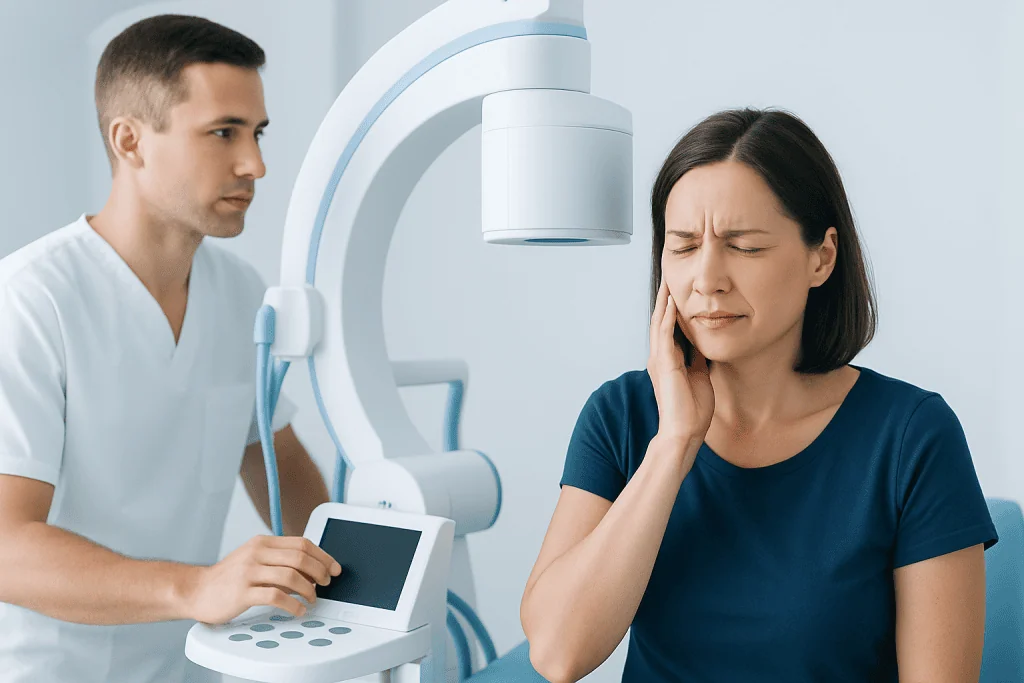
The hallmark symptom of trigeminal neuralgia is sudden, severe facial pain. The pain is usually brief but intense, often described as an electric shock, knife-like jolt, or sharp stabbing sensation. It typically occurs on one side of the face, though in rare cases both sides can be affected at different times.
Attacks may be spontaneous or triggered by everyday actions. Common triggers include washing the face, shaving, applying makeup, brushing teeth, chewing, talking, smiling, or feeling a light breeze. Some people notice a very specific “trigger zone” on the face that can bring on pain when touched.
Symptoms can vary from person to person, but may include:
- Brief episodes of intense facial pain
- Pain in the jaw, cheek, teeth, gums, lips, or around the eye
- Repeated attacks over hours, days, or weeks
- Pain brought on by light touch or routine facial movement
- Periods of remission followed by recurrence
- In some cases, a background aching or burning between sharp attacks
Because the pain can be very severe, it may interfere with eating, speaking, oral hygiene, sleep, and quality of life. Some people begin avoiding activities that trigger symptoms, which can affect nutrition, social interactions, and emotional well-being.
Causes and Risk Factors

The most common cause of trigeminal neuralgia is pressure on the trigeminal nerve by a nearby blood vessel. Over time, this contact can wear down the protective covering of the nerve, called myelin. When that happens, pain signals may be sent abnormally, leading to sudden attacks.
Sometimes trigeminal neuralgia is related to another underlying condition. Multiple sclerosis can damage myelin and may lead to symptoms in some people. Less commonly, a tumor, cyst, structural abnormality, or prior facial injury may affect the nerve. In a number of cases, no clear cause is found, even after evaluation.
Several factors are associated with a higher likelihood of developing trigeminal neuralgia:
- Older age, especially middle and later adulthood
- Female sex
- Multiple sclerosis or other disorders affecting nerve insulation
- Blood vessel changes near the nerve
- Previous facial trauma or surgery in some cases
Although stress does not cause trigeminal neuralgia, it may make living with pain more difficult. It is also important to remember that facial pain has many possible causes. Conditions such as dental problems, migraine, temporomandibular joint disorders, and cluster headache may need to be considered during evaluation.
How Trigeminal Neuralgia Is Diagnosed
Diagnosis starts with a detailed description of the pain. A doctor will ask where the pain occurs, how long attacks last, what the pain feels like, and whether certain actions trigger it. This history is often very helpful because trigeminal neuralgia has a distinctive pattern.
A neurological examination is usually performed to check facial sensation, reflexes, muscle function, and other nerve-related signs. The aim is to confirm whether the trigeminal nerve is likely involved and to look for clues that may point to another cause of facial pain.
MRI is commonly used to look for blood vessel contact with the nerve and to rule out other possible causes such as multiple sclerosis, tumors, or structural changes. In some situations, additional imaging or specialist assessment may be recommended. There is no single blood test that confirms trigeminal neuralgia, so diagnosis mainly relies on symptoms, examination, and imaging findings.
Because facial pain can sometimes be mistaken for a dental problem, people may see a dentist first. Dental evaluation can be useful when symptoms are unclear, but repeated dental procedures are usually not helpful if the true cause is nerve pain. A neurologist, pain specialist, or neurosurgeon may be involved when symptoms are persistent or complex.
Treatment Options
Treatment aims to reduce pain, lower the number of attacks, and improve daily function. Medicines are often the first step. Drugs that calm overactive nerve signaling are commonly used, and many people experience significant relief with the right medication plan. Treatment should always be individualized, especially for older adults or those with other health conditions.
If medicines do not control symptoms well, cause troublesome side effects, or become less effective over time, procedures may be considered. The choice depends on the person’s age, general health, imaging findings, and personal preferences. A specialist can explain the expected benefits and possible risks of each approach.
Procedure and surgical options may include:
- Microvascular decompression, which relieves pressure from a blood vessel on the nerve
- Stereotactic radiosurgery, which uses focused radiation to treat the nerve
- Percutaneous procedures that target pain fibers in the nerve, such as radiofrequency treatment, balloon compression, or glycerol injection
Some patients may be evaluated through Gamma Knife radiosurgery when a noninvasive option is appropriate. Others may benefit from neurosurgery for decompression or other interventions, depending on the cause and severity of symptoms. Pain specialists may also help manage difficult cases as part of a multidisciplinary approach.
Not every treatment removes pain permanently, and symptoms can return in some people. Even so, many patients achieve meaningful relief with a carefully planned combination of medication, monitoring, and when needed, procedural care. Regular follow-up is important so treatment can be adjusted safely over time.
Prevention and Self-Care
There is no guaranteed way to prevent trigeminal neuralgia, especially when it is related to blood vessel contact or other internal causes. However, self-care can help some people reduce triggers and cope better with the condition. Understanding individual trigger patterns is often one of the most useful first steps.
Simple strategies may help limit attacks in daily life. These can include choosing softer foods during flare-ups, chewing on the less painful side if possible, protecting the face from cold wind, and using gentle techniques for washing the face or brushing teeth. Good nutrition and hydration remain important, particularly if eating becomes difficult.
Helpful self-care measures may include:
- Keeping a symptom diary to identify triggers and treatment response
- Maintaining regular medical follow-up
- Using stress-management practices such as breathing exercises or relaxation techniques
- Seeking support if pain is affecting mood, sleep, or social life
People should avoid stopping prescribed medicine suddenly unless advised by a doctor. If medication side effects occur, a clinician can often adjust the dose or consider alternatives. Near the end of the care pathway, some international patients may choose evaluation at centers such as Acibadem International, where multidisciplinary specialists in JCI-accredited hospitals diagnose and treat trigeminal neuralgia.
When to See a Doctor
Anyone with new, recurrent, or severe facial pain should seek medical assessment. While trigeminal neuralgia is one possible explanation, facial pain can also result from dental disease, sinus conditions, jaw disorders, nerve injury, infection, or other neurological problems. A timely diagnosis helps direct the right treatment and avoids unnecessary procedures.
Medical review is especially important if the pain is getting worse, lasting longer, occurring with numbness or weakness, affecting both sides of the face, or interfering with eating and drinking. Emergency care may be needed if facial pain occurs together with sudden neurological symptoms such as difficulty speaking, new weakness, confusion, or vision changes.
If symptoms continue despite treatment, specialist review may help clarify the diagnosis and discuss further options. In selected cases, doctors may also evaluate for related neurological conditions such as multiple sclerosis if the overall clinical picture suggests it.
Frequently asked questions
What does trigeminal neuralgia pain feel like?
Trigeminal neuralgia pain is often described as a sudden electric shock, stabbing jolt, or sharp burst of pain on one side of the face. The attacks are usually brief, but they can be very intense and may repeat many times.
Can brushing teeth or chewing trigger trigeminal neuralgia?
Yes. Everyday activities such as brushing teeth, chewing, talking, washing the face, or even a light touch can trigger pain in some people. Cold wind on the face may also bring on an attack.
Is trigeminal neuralgia a dental problem?
Not usually. Although the pain may feel like it is coming from the teeth or gums, trigeminal neuralgia is a nerve pain condition. Because dental and nerve pain can overlap, proper medical and dental assessment may be needed.
How is trigeminal neuralgia treated?
Treatment often begins with medicines that reduce abnormal nerve signaling. If medication does not help enough or causes side effects, procedures or surgery may be considered based on the cause of the pain and the person's overall health.
Can trigeminal neuralgia go away on its own?
Some people have periods when symptoms improve or disappear for a time, but the condition can return. Because the pattern is unpredictable, ongoing medical follow-up is important even after a pain-free period.
Is trigeminal neuralgia dangerous?
Trigeminal neuralgia itself is not usually life-threatening, but the pain can be severe and can strongly affect daily life, eating, sleep, and emotional well-being. It also needs evaluation because facial pain can sometimes be caused by other conditions that require different treatment.
References
- National Institute of Neurological Disorders and Stroke
- National Health Service
- Mayo Clinic
- American Association of Neurological Surgeons
- International Headache Society
This article is for general information only and is not a substitute for professional medical advice. Please consult a qualified doctor about your individual situation.
Explore treatments in Turkey — costs, top hospitals & a free quote
JCI-accredited · board-certified surgeons · reply within 24h
Add us as a Preferred Source to see more of our trusted health content across Google Search, AI Overviews and Discover.

More from the Health Library



Related Specialists

Dr. Dilek Aydın Yıldıran
Pulmonology
Dr. Ercan Paşaoğlu
Ophthalmology
Prof. Dr. Filiz Saçan
Interventional Radiology
Prof. Dr. Mustafa Karahan
Orthopedic Surgery & Traumatology