Telemedicine for Chronic Disease Follow-Up: Who Is It Best For?

Telemedicine is often most helpful for patients with stable chronic conditions who need regular follow-up. Virtual visits can support medication review, symptom tracking, lifestyle counseling, and discussion of test results.
Key Takeaways
- Telemedicine is often most helpful for patients with stable chronic conditions who need regular follow-up.
- Virtual visits can support medication review, symptom tracking, lifestyle counseling, and discussion of test results.
- It is less suitable for urgent symptoms, new severe problems, or situations that need a hands-on physical exam or procedure.
- Home devices, reliable internet, and clear communication help make virtual care more effective.
- A blended model of telemedicine and in-person visits is often the most practical approach.
Telemedicine for chronic disease follow-up can be a practical, safe option for many people when symptoms are stable and regular monitoring is needed. It is often best suited to routine check-ins, medication review, test follow-up, and ongoing support, while some situations still require in-person care.
Overview: What telemedicine follow-up means
Telemedicine for chronic disease follow-up means having planned medical reviews through phone or video rather than always traveling to a clinic or hospital. These appointments are usually used after a diagnosis has already been made and a treatment plan is in place. The goal is to help patients stay connected with their care team, monitor progress, and address everyday questions in a timely way.
For people living with long-term conditions, follow-up care is often just as important as the initial diagnosis. Chronic diseases such as diabetes, high blood pressure, asthma, heart disease, arthritis, and some neurological or digestive conditions usually need regular review over months or years. Telemedicine can make these follow-ups more convenient, especially for people with mobility challenges, busy schedules, or long travel times.
Virtual follow-up does not replace all in-person care. Instead, it works best as one part of a broader care plan. Many patients benefit from a hybrid model in which routine check-ins happen remotely, while physical examinations, imaging, procedures, vaccinations, or urgent assessments are done face to face.
Who is telemedicine best for?
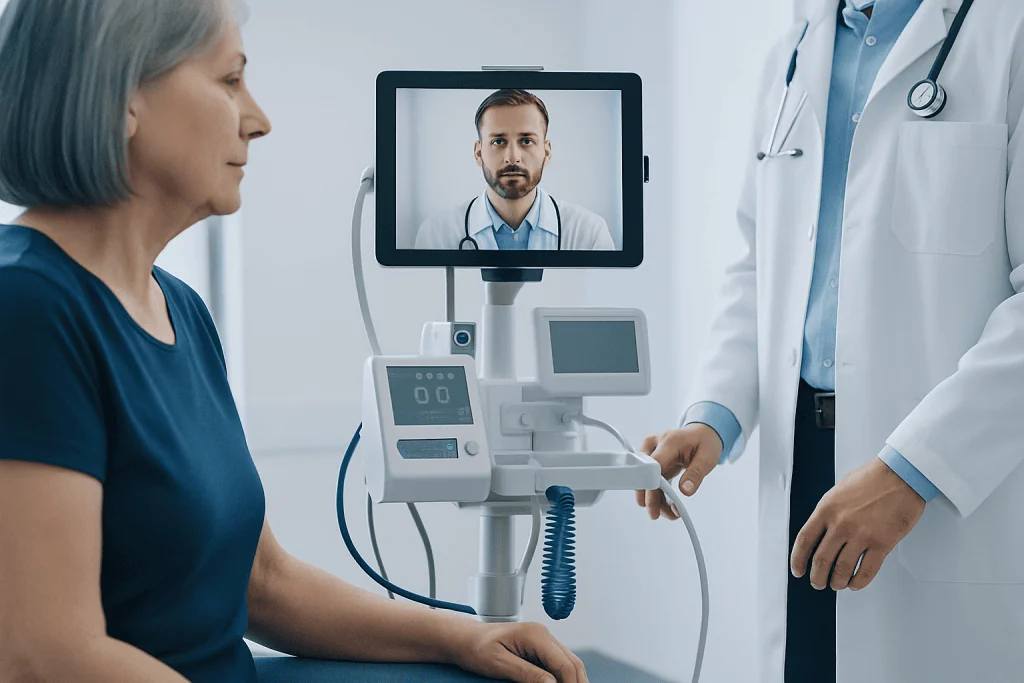
Telemedicine is generally best for people whose chronic condition is reasonably stable and already being managed by a clinician. In these cases, the doctor may be able to review symptoms, medications, blood pressure logs, blood sugar records, weight changes, sleep patterns, or home oxygen readings without needing a hands-on examination at every visit.
It can be especially helpful for patients who need regular but predictable follow-up, such as medication adjustments, discussion of lab results, nutrition guidance, or review of self-monitoring data. This may include people living with diabetes, hypertension, high cholesterol, thyroid disorders, some chronic lung diseases, or selected heart conditions that are being closely monitored.
Telemedicine may also suit older adults with transport difficulties, people in rural or remote areas, those recovering from illness or surgery, and people balancing work or caregiving responsibilities. When travel is difficult, virtual visits can reduce missed appointments and help patients stay engaged in ongoing care.
Even so, suitability is individual. A patient’s comfort with technology, hearing or vision needs, language support, health literacy, and access to home monitoring tools all affect whether telemedicine will be practical and beneficial.
When virtual follow-up works well
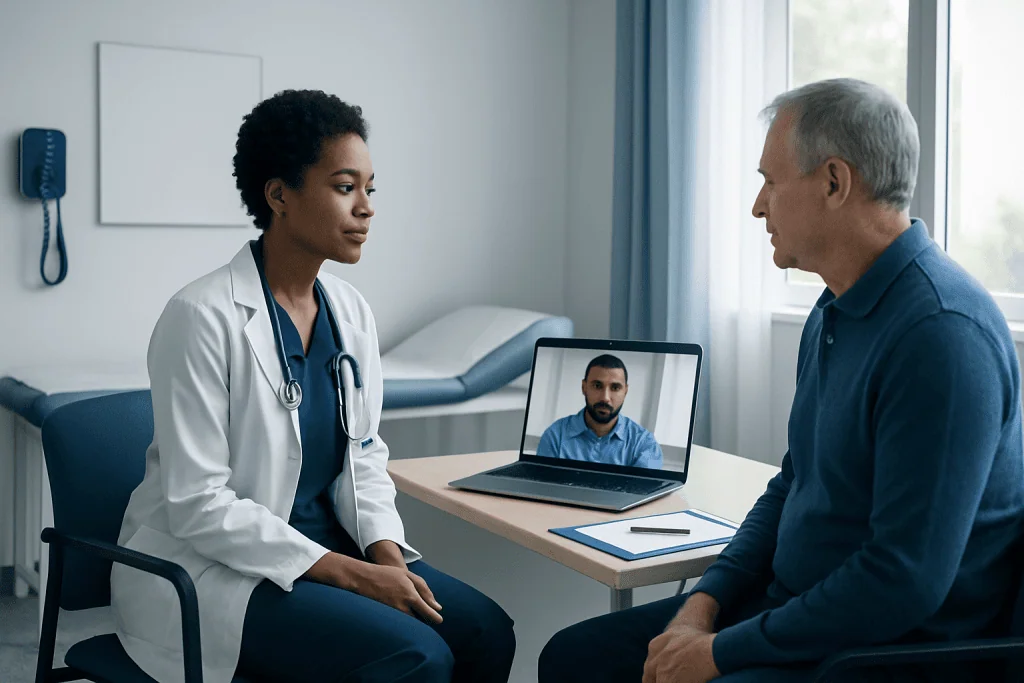
Many follow-up tasks can be handled effectively during a virtual appointment. These include reviewing symptoms, checking whether treatment goals are being met, discussing side effects, renewing prescriptions when appropriate, and answering questions about daily management. Doctors can also review laboratory results, imaging findings, and progress after previous in-person evaluations.
Telemedicine is often useful for conditions that rely heavily on trend monitoring rather than a one-time physical finding. Examples include reviewing blood glucose records, discussing home blood pressure readings, checking inhaler technique, tracking headaches, assessing sleep quality, or following symptom diaries. In some cases, structured check-up and health screening plans can be coordinated alongside virtual reviews to keep care organized.
Remote patient monitoring may make telemedicine even more effective. Depending on the condition, patients may use home blood pressure cuffs, glucometers, pulse oximeters, smart scales, or wearable devices. When the information is reliable and regularly shared, clinicians can often make informed decisions between in-person visits.
Virtual care can also strengthen education and self-management. Patients may find it easier to ask questions from home, involve family members in the discussion, and build routines around medications, diet, exercise, and symptom tracking.
Limits of telemedicine and who may need in-person care
Telemedicine is not ideal for every situation. New symptoms, sudden worsening, red-flag warning signs, or uncertainty about the diagnosis usually need an in-person medical assessment. A doctor may need to listen to the heart or lungs, feel the abdomen, examine swollen joints, test reflexes, or assess skin changes directly to make safe decisions.
People with complex, unstable, or rapidly changing conditions may also need more face-to-face care. This includes patients with frequent hospitalizations, poorly controlled symptoms despite treatment, major medication side effects, or situations where procedures, infusion therapy, or imaging are required. For example, worsening chest pain, severe breathing trouble, fainting, stroke-like symptoms, severe dehydration, or signs of infection should not be managed by routine telemedicine alone.
Virtual care can be harder for people who do not have private internet access, a suitable device, or confidence using technology. Hearing impairment, cognitive difficulties, or language barriers may also make telemedicine less effective unless support is arranged. In such cases, a caregiver or interpreter may help, but in-person care may still be more appropriate.
Telemedicine should be seen as a tool, not a shortcut. The safest approach is to let the care team decide when a remote visit is appropriate and when an office, clinic, or hospital visit is needed instead.
How doctors assess patients during remote follow-up
During a telemedicine follow-up, the doctor usually starts by asking about current symptoms, changes since the last visit, medication use, and any home measurements. Patients may be asked about energy levels, sleep, appetite, pain, breathing, swelling, mood, exercise tolerance, or other concerns that relate to their condition. The conversation can be very focused and structured, especially for chronic disease management.
Where available, doctors may review lab results, imaging, pharmacy history, and data from home devices. A video call may allow limited visual assessment, such as observing breathing effort, mobility, visible swelling, skin appearance, or how a person is using an inhaler or insulin pen. For some specialties, remote review can support treatment planning between physical appointments.
Telemedicine is often most effective when patients prepare in advance. Helpful steps include writing down symptoms, having medication lists ready, recording questions, and checking basic readings such as blood pressure, weight, temperature, or blood sugar if relevant. If a patient is also following a care plan after testing or a cardiology evaluation, having reports nearby can make the visit more productive.
If the clinician feels that remote assessment is not enough, the next step may be a same-day clinic visit, laboratory testing, imaging, or referral for urgent care. This ability to escalate care is an important part of safe telemedicine practice.
Conditions commonly followed through telemedicine
Many chronic illnesses can be followed at least partly through telemedicine when the diagnosis is established and the patient is stable. Common examples include diabetes, hypertension, asthma, chronic obstructive pulmonary disease, thyroid disorders, migraine, some mental health conditions, chronic kidney disease, high cholesterol, and some digestive disorders. In selected patients, doctors may also use telemedicine during follow-up for high blood pressure or after review in a specialty clinic.
Telemedicine can be helpful for discussing patterns rather than isolated events. For example, in diabetes care, trends in blood glucose, meals, activity, and medication adherence may guide treatment decisions. In respiratory disease, the care team may review symptoms, inhaler use, triggers, and oxygen saturation readings. In heart-related conditions, weight changes, swelling, fatigue, and blood pressure logs may be reviewed as part of ongoing management.
Specialist follow-up may also involve lifestyle counseling. Patients may receive guidance about diet, smoking cessation, physical activity, sleep habits, and stress management, all of which can strongly influence chronic disease outcomes. In some cases, related support such as nutrition and diet counseling may fit naturally alongside virtual care.
Still, not every condition behaves in the same way. A disease that is stable for one person may be unpredictable for another. This is why telemedicine decisions should be individualized rather than based only on the name of the diagnosis.
How to make telemedicine follow-up more effective
Good preparation can improve the quality of a virtual appointment. Patients should choose a quiet, well-lit, private space and test their device, camera, microphone, and internet connection before the visit. It also helps to have a list of medications, recent blood pressure or blood sugar readings, symptoms, and questions ready beforehand.
Using home monitoring tools correctly is important. A blood pressure cuff that fits properly, a calibrated glucometer, or an accurate weight scale can make the information much more useful to the clinician. Patients should ask their care team how and when to measure readings, and what changes should prompt a phone call or urgent assessment.
Clear communication matters just as much as technology. Patients should describe when symptoms started, what makes them better or worse, whether medicines are being taken as prescribed, and whether there are any barriers such as cost, side effects, or confusion about the plan. Honest discussion helps the doctor tailor follow-up safely.
Near the end of the visit, it is helpful to review the next steps: whether medication changes were made, when tests should be done, which warning signs to watch for, and when the next appointment should be in person. Acibadem International’s multidisciplinary specialists and JCI-accredited hospitals also provide diagnosis and follow-up planning for international patients who need coordinated chronic disease care.
When to seek medical help sooner
People using telemedicine for follow-up should still know when not to wait for the next virtual appointment. Urgent or emergency symptoms need immediate medical attention through local emergency services or an in-person evaluation. The exact warning signs depend on the condition, but sudden severe changes should always be taken seriously.
Examples that generally need prompt assessment include chest pain, severe shortness of breath, confusion, fainting, one-sided weakness, severe allergic reactions, signs of stroke, uncontrolled bleeding, severe dehydration, or high fever with significant worsening. Rapid swelling, severe pain, or sudden inability to function normally are also important reasons to seek direct care.
For chronic conditions, patients should contact their healthcare team earlier than planned if symptoms are becoming more frequent, medicines seem to be causing problems, or home readings are repeatedly outside the target range. Early review can sometimes prevent complications and reduce the chance of hospitalization.
Telemedicine works best when it is part of a clear safety plan. Patients should know who to contact, how to share changes in symptoms, and when a virtual visit is no longer enough.
Frequently asked questions
Is telemedicine safe for chronic disease follow-up?
For many people, yes. It is generally safest when the chronic condition is already diagnosed, symptoms are stable, and the visit is meant for review, monitoring, medication discussion, or test results. A doctor may still recommend in-person care if there are new symptoms or warning signs.
Which chronic conditions are most suitable for virtual follow-up?
Common examples include diabetes, high blood pressure, thyroid disease, asthma, high cholesterol, and some stable heart, kidney, digestive, or neurological conditions. Suitability depends less on the condition name alone and more on whether the person is stable, able to monitor symptoms, and not needing a hands-on exam.
Can telemedicine replace all in-person appointments?
Usually not. Most patients do best with a combination of virtual and face-to-face visits. Physical examinations, imaging, procedures, vaccinations, and urgent assessments still need in-person care.
What should a patient prepare before a telemedicine follow-up visit?
It helps to have a current medication list, recent home readings, symptom notes, and questions ready. Patients should also make sure their device works, choose a private space, and keep any recent test results nearby if available.
What are the main benefits of telemedicine for chronic disease management?
Telemedicine can save travel time, reduce missed appointments, and make it easier to stay in regular contact with a care team. It may also support better self-management by encouraging symptom tracking, home monitoring, and timely discussion of concerns.
When should a person avoid waiting for a telemedicine appointment?
They should seek urgent or emergency care for severe or sudden symptoms such as chest pain, major breathing difficulty, stroke-like symptoms, fainting, or confusion. If symptoms are clearly worsening or home readings are repeatedly far outside the recommended range, earlier direct medical review is advisable.
References
- World Health Organization
- Centers for Disease Control and Prevention
- National Institutes of Health
- American Medical Association
- National Institute for Health and Care Excellence
This article is for general information only and is not a substitute for professional medical advice. Please consult a qualified doctor about your individual situation.
Explore treatments in Turkey — costs, top hospitals & a free quote
JCI-accredited · board-certified surgeons · reply within 24h
Add us as a Preferred Source to see more of our trusted health content across Google Search, AI Overviews and Discover.
Check your numbers in seconds
BMI, calories, due date, blood pressure and 30+ more clinical calculators — free, instant, doctor-reviewed ranges.