How Neurologists Treat Sleep Disorders: Medicines, Devices, and Behavioral Care

Sleep disorders can be linked to the brain, nerves, breathing, movement, or body clock. Neurologists use sleep history, exams, and sleep testing to make an accurate diagnosis.
Key Takeaways
- Sleep disorders can be linked to the brain, nerves, breathing, movement, or body clock.
- Neurologists use sleep history, exams, and sleep testing to make an accurate diagnosis.
- Treatment often combines behavioral strategies with medicines or medical devices.
- Care depends on the condition, such as insomnia, sleep apnea, narcolepsy, or restless legs syndrome.
- Persistent daytime sleepiness, loud snoring, unusual sleep behaviors, or sudden muscle weakness should be assessed by a doctor.
Neurologists treat sleep disorders by identifying the underlying cause and matching care to the specific sleep problem. Treatment may include medicines, breathing or stimulation devices, and behavioral approaches that improve sleep habits and daytime functioning.
Overview: What neurologists do for sleep disorders
Neurologists treat sleep disorders by looking at how the brain and nervous system affect sleep, breathing during sleep, movement, alertness, and the body’s internal clock. Sleep is a brain-driven process, so problems such as insomnia, excessive daytime sleepiness, narcolepsy, restless legs syndrome, REM sleep behavior disorder, circadian rhythm disorders, and some forms of sleep apnea may need evaluation by a neurologist with training in sleep medicine.
The first goal is to understand what kind of sleep problem is present. Some people have trouble falling asleep, while others wake often, act out dreams, stop breathing during sleep, or feel unusually sleepy during the day. Symptoms can overlap, and one person may have more than one sleep disorder at the same time. Care is most effective when treatment is based on the exact cause rather than symptoms alone.
Neurologists also consider whether a sleep problem is related to another condition. For example, headaches, epilepsy, Parkinsonian disorders, neuropathy, depression, anxiety, obesity, and medication side effects can all affect sleep. In children and older adults, sleep concerns may look different, so age, medical history, and daily routine are important parts of the assessment.
Common sleep disorders a neurologist may treat
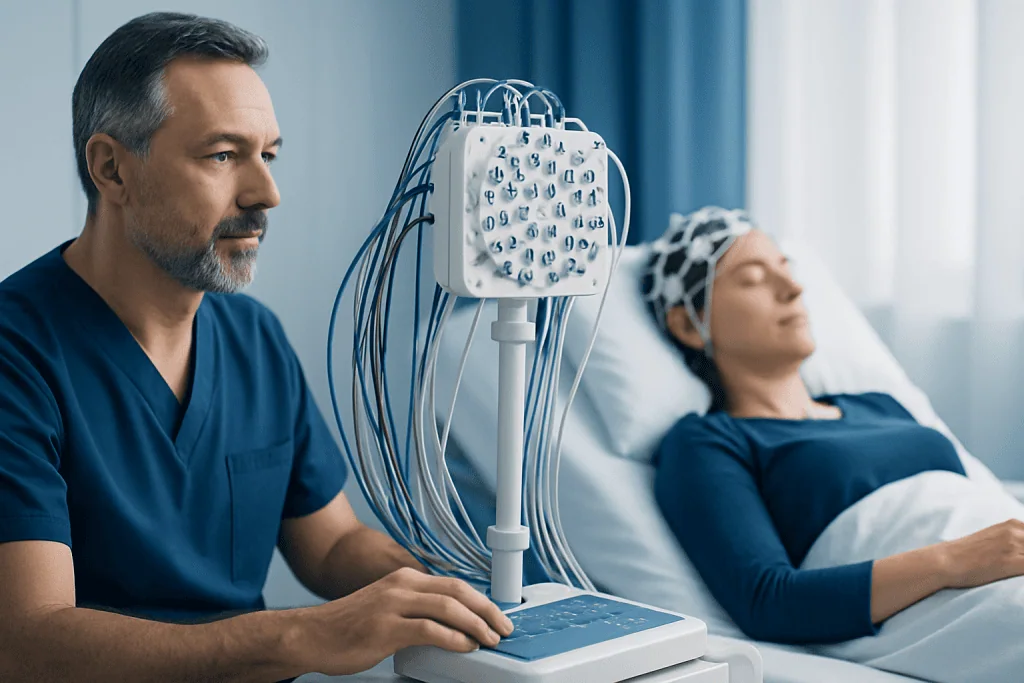
Neurologists may diagnose and manage a wide range of sleep conditions. These include chronic insomnia, obstructive and central sleep apnea, narcolepsy, idiopathic hypersomnia, restless legs syndrome, periodic limb movement disorder, circadian rhythm sleep-wake disorders, parasomnias such as sleepwalking, and REM sleep behavior disorder. Some patients are referred because of unexplained fatigue or drowsiness, which can be a sign of an underlying sleep condition rather than simply poor sleep habits.
Each disorder has a different pattern. Obstructive sleep apnea often causes loud snoring, breathing pauses, gasping, morning headaches, and unrefreshing sleep. Narcolepsy can cause irresistible sleep attacks, vivid dream-like experiences as a person falls asleep or wakes, sleep paralysis, and sometimes cataplexy, a sudden loss of muscle tone triggered by emotion. Restless legs syndrome typically causes an urge to move the legs in the evening or at night, which can delay sleep onset.
Some sleep disorders are closely connected with neurological disease. REM sleep behavior disorder, for example, may occur along with certain neurodegenerative conditions. Unusual nighttime movements may also need to be distinguished from seizures. Because symptoms can resemble one another, neurologists often help clarify whether the problem is primarily a sleep disorder, another neurological condition, or both.
How sleep disorders are diagnosed

Diagnosis starts with a detailed discussion of symptoms, sleep schedule, daytime alertness, medical history, and medicines or substances that can affect sleep, including caffeine, alcohol, sedatives, and stimulants. Bed partners or family members may provide helpful observations about snoring, breathing pauses, movements, or unusual behaviors during sleep. A neurological examination may be part of the visit if a disorder involving movement, nerves, or brain function is suspected.
Sleep specialists often use sleep diaries, questionnaires, and wearable or actigraphy data to understand patterns over time. Laboratory tests may be ordered when needed, such as checking iron stores in suspected restless legs syndrome or evaluating other medical contributors like thyroid problems. In many cases, an overnight sleep study, called polysomnography, is used to measure brain waves, breathing, oxygen levels, heart rhythm, body movements, and sleep stages.
For people with unexplained daytime sleepiness, neurologists may recommend further testing after an overnight study. A multiple sleep latency test can help assess how quickly a person falls asleep during the day and whether they enter REM sleep unusually fast, which can support a diagnosis such as narcolepsy. In selected cases, home sleep apnea testing may be appropriate, but in more complex neurological or movement-related sleep problems, in-lab testing is often more informative.
Medicines neurologists may use
Medicines can play an important role in sleep disorder treatment, but they are usually chosen carefully and tailored to the diagnosis. For insomnia, short-term medication may sometimes be used, though neurologists often prefer to combine or replace medicines with behavioral treatment when possible. The choice depends on a person’s age, sleep pattern, other medical conditions, risk of side effects, and whether daytime alertness needs to be preserved.
For excessive daytime sleepiness in narcolepsy or idiopathic hypersomnia, wake-promoting medicines may help improve alertness and daily function. If narcolepsy includes cataplexy, other medicines may be used to reduce sudden muscle weakness and improve REM-sleep-related symptoms. In restless legs syndrome, treatment may include correcting iron deficiency when present and using symptom-relieving medicines in appropriate cases.
Medication can also help some parasomnias or REM sleep behavior disorder, especially when behaviors create a risk of injury. At the same time, neurologists review current prescriptions because certain antidepressants, sedatives, pain medicines, or other drugs can worsen sleepiness, movements during sleep, or breathing problems. Safe treatment depends on balancing benefits with side effects, potential interactions, and the possibility of dependence or next-day impairment.
Devices and procedure-based treatments
Devices are especially important when a sleep disorder affects breathing or oxygen levels. For obstructive sleep apnea, positive airway pressure therapy is often a main treatment. These devices keep the airway open during sleep and can improve snoring, fragmented sleep, daytime sleepiness, and cardiovascular strain. In selected patients, alternative options may include oral appliances or other measures guided by the sleep team.
Some people need device-based care because the problem is not only blocked airflow but also unstable breathing control from the brain. Central sleep apnea may require a different strategy than obstructive sleep apnea, so accurate diagnosis matters. Depending on the findings, treatment may include addressing related heart, lung, or neurological conditions and choosing the most suitable breathing support approach.
Procedure-based treatments can be helpful for certain patients when standard therapies are not effective or well tolerated. For example, some people with sleep apnea may be evaluated for sleep apnea treatment, which can include device options and selected procedural approaches. In specific situations, a neurologist may work together with ENT, pulmonary, cardiology, or maxillofacial specialists so that care addresses the airway, breathing pattern, and neurological aspects of sleep together.
Behavioral care and lifestyle measures
Behavioral care is a core part of how neurologists treat sleep disorders, especially insomnia and circadian rhythm problems. Cognitive behavioral therapy for insomnia, often called CBT-I, helps patients change habits and thoughts that keep sleep difficulties going. It may include stimulus control, sleep scheduling, relaxation methods, and practical ways to reduce time awake in bed. For many people with chronic insomnia, this approach can be more durable than relying only on sleeping pills.
Sleep hygiene also supports treatment, although it is usually not enough by itself for a chronic disorder. Helpful steps include keeping a regular sleep and wake time, limiting alcohol close to bedtime, reducing caffeine later in the day, creating a cool and quiet sleep environment, and using the bed mainly for sleep and intimacy rather than work or screen time. People with shift work or delayed sleep schedules may also benefit from carefully timed light exposure and changes in routine.
For conditions such as restless legs syndrome or hypersomnia, behavioral strategies may be combined with exercise planning, medication timing, naps, or management of contributing conditions. If stress, anxiety, or depression is affecting sleep, neurologists may recommend coordination with mental health professionals. This kind of combined care is often important because sleep and emotional well-being influence each other in both directions.
- Keep a consistent sleep-wake schedule, even on weekends.
- Discuss all medications and supplements with a doctor.
- Avoid driving when severely sleepy.
- Seek evaluation for loud snoring, witnessed pauses in breathing, or dream enactment behaviors.
Personalized care for specific conditions
Different sleep disorders need different care plans. Chronic insomnia may improve most with behavioral therapy, while sleep apnea often needs breathing support or another airway-focused treatment. Narcolepsy usually requires a combination of scheduled habits, safety planning, and medicines to improve alertness and control REM-related symptoms. Restless legs syndrome may respond to identifying triggers, treating iron deficiency when present, and using medication only when needed.
Nighttime behaviors also need individualized assessment. Dream enactment, violent movements, or confusion during sleep can have several causes, including parasomnias, medication effects, breathing-related arousals, or seizure disorders. A neurologist may consider related conditions such as epilepsy if symptoms suggest nighttime seizures, or evaluate for movement disorders if limb movements or stiffness are present. Care focuses on both diagnosis and safety, such as preventing falls or injury in the bedroom.
When a sleep problem is linked to another condition, treatment may involve more than one specialty. A person with headaches and poor sleep may need both sleep management and migraine care. Near the end of the care journey, some patients may also need longer-term follow-up to adjust treatment as symptoms, age, or health conditions change. Acibadem International’s multidisciplinary specialists and JCI-accredited hospitals provide diagnosis and treatment for international patients with sleep-related neurological conditions.
When to see a doctor
Medical advice is important if sleep problems are frequent, last more than a few weeks, or affect daytime concentration, mood, work, school, or driving safety. A doctor should also assess loud snoring with choking or breathing pauses, persistent morning headaches, repeated nighttime movements, or behaviors such as punching, kicking, or walking during sleep. These symptoms can be treatable and are worth evaluating rather than simply enduring.
Urgent assessment may be needed when extreme sleepiness creates a safety risk, especially if a person is falling asleep while driving or working. Sudden loss of muscle tone brought on by laughter or emotion, unusual episodes that may be seizures, or significant oxygen-related symptoms during sleep should also be discussed promptly. Children, older adults, and people with neurological disease may have less typical symptoms, so family observations can be very helpful.
Early evaluation can make treatment simpler and more effective. The right diagnosis often leads to practical steps that improve sleep quality, daytime energy, and overall health. When symptoms persist, a neurologist or sleep medicine specialist can guide testing and build a plan that fits the person’s needs and daily life.
Frequently asked questions
What kinds of sleep disorders do neurologists treat?
Neurologists treat sleep disorders that involve the brain, nerves, sleep-wake regulation, movement, or breathing during sleep. Examples include insomnia, narcolepsy, restless legs syndrome, parasomnias, and some forms of sleep apnea.
Do all sleep problems need medicine?
No. Many sleep problems improve with behavioral care, lifestyle changes, or device-based treatment, depending on the diagnosis. Medicines may help in some cases, but they are usually chosen carefully and often work best as part of a broader treatment plan.
How do neurologists test for sleep disorders?
They begin with a detailed sleep history, review of symptoms, and medical evaluation. Depending on the concern, testing may include a sleep diary, blood tests, an overnight sleep study, home sleep apnea testing, or daytime sleepiness testing.
Can sleep disorders be linked to other neurological conditions?
Yes. Sleep problems can occur alongside headaches, epilepsy, movement disorders, neurodegenerative diseases, and nerve conditions. Sometimes the sleep disorder is the first clue that a neurological assessment is needed.
What is behavioral treatment for insomnia?
Behavioral treatment for insomnia often refers to cognitive behavioral therapy for insomnia, or CBT-I. It helps change habits and thought patterns that interfere with sleep and is considered a first-line treatment for many people with chronic insomnia.
When should daytime sleepiness be taken seriously?
Daytime sleepiness should be evaluated if it is persistent, unexplained, or affects safety, work, school, or driving. It is especially important to seek medical advice if sleepiness occurs despite adequate time in bed or is paired with symptoms such as snoring, breathing pauses, or sudden muscle weakness.
References
- American Academy of Sleep Medicine
- National Institute of Neurological Disorders and Stroke
- National Heart, Lung, and Blood Institute
- Centers for Disease Control and Prevention
- American Academy of Neurology
This article is for general information only and is not a substitute for professional medical advice. Please consult a qualified doctor about your individual situation.
Explore treatments in Turkey — costs, top hospitals & a free quote
JCI-accredited · board-certified surgeons · reply within 24h
Add us as a Preferred Source to see more of our trusted health content across Google Search, AI Overviews and Discover.