Meditation Techniques: An Evidence-Based Guide for Patients

Meditation techniques include mindfulness, breathing meditation, loving-kindness, body scan, mantra, and guided practices. Regular meditation may help with stress, sleep quality, emotional regulation, and coping with ongoing health conditions.
Key Takeaways
- Meditation techniques include mindfulness, breathing meditation, loving-kindness, body scan, mantra, and guided practices.
- Regular meditation may help with stress, sleep quality, emotional regulation, and coping with ongoing health conditions.
- Beginners often do best by starting with 5 to 10 minutes a day and using a simple, repeatable routine.
- Meditation is generally safe, but some people with trauma histories, severe anxiety, or other mental health conditions may need tailored guidance.
- Meditation can complement medical treatment, but it should not replace professional evaluation for concerning symptoms.
Meditation techniques are practical methods for focusing attention, increasing awareness, and responding to stress more calmly. Evidence suggests they can support mental and physical wellbeing when practiced regularly, although they are not a replacement for medical care when symptoms are significant or persistent.
Overview: What meditation techniques are
Meditation techniques are structured practices that train attention and awareness. In practical terms, they help a person notice thoughts, emotions, body sensations, or breathing without being carried away by them. Different techniques use different anchors, such as the breath, a word or phrase, sounds, movement, or guided imagery.
Evidence-based meditation does not require any particular religion, belief system, or personality type. Many people use it to reduce stress, improve focus, and feel more grounded during daily life. In healthcare settings, meditation is often discussed as a supportive self-care tool that may ease symptoms such as tension, poor sleep, and emotional overload.
It is important to set realistic expectations. Meditation is usually a skill that develops with practice rather than a quick fix. A wandering mind is normal, especially at the beginning, and returning attention gently is part of the practice itself.
How meditation may help health
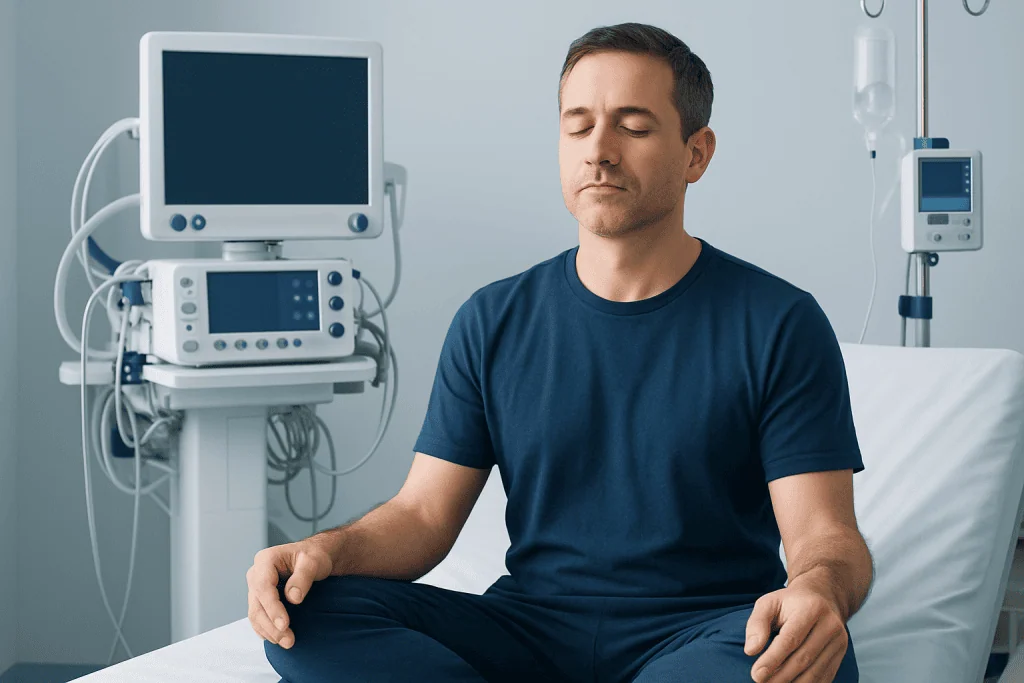
Meditation appears to influence the way the brain and body respond to stress. By repeatedly practicing calm attention, a person may become better able to pause before reacting, notice early signs of tension, and settle the nervous system. This can be helpful for day-to-day stress as well as for coping with chronic health concerns.
Research suggests that meditation may support emotional wellbeing, sleep quality, concentration, and perceived stress. Some people also report fewer stress-related physical symptoms, such as muscle tightness, headaches, or a sense of being constantly “on edge.” In people living with ongoing illness, meditation may improve coping and quality of life, even when it does not directly treat the disease itself.
Meditation is best viewed as part of a broader health plan. It may work alongside exercise, good sleep habits, counseling, and medical treatment. For example, people dealing with pain, sleep concerns, or stress-related symptoms may benefit from combining meditation with clinician-guided care for problems such as migraine, anxiety, or insomnia.
Types of meditation techniques

There is no single best meditation method for everyone. The most effective technique is often the one a person can practice consistently and comfortably. Trying a few approaches can help identify what feels practical and sustainable.
Common meditation techniques include:
- Mindfulness meditation: paying attention to present-moment experience, such as breathing, thoughts, or sensations, without judging them.
- Breathing meditation: focusing on the rhythm of inhaling and exhaling to steady attention and calm the body.
- Body scan meditation: moving attention through different parts of the body to notice tension, comfort, or sensation.
- Loving-kindness meditation: silently repeating phrases of goodwill toward oneself and others.
- Mantra meditation: repeating a word, phrase, or sound to support concentration.
- Guided meditation: following spoken instructions, often through an audio recording or trained instructor.
- Movement-based meditation: using gentle movement, such as walking or mindful stretching, as the focus of attention.
Some people also benefit from structured mind-body practices that combine breath, awareness, and movement. When used for general wellness or rehabilitation, these may fit naturally within broader supportive care such as physical therapy and rehabilitation if a clinician recommends them for stress, pain, or recovery.
How to start: a practical approach for beginners
Beginning meditation does not need to be complicated. A simple starting point is to sit in a comfortable position, set a timer for 5 to 10 minutes, and place attention on the breath. When the mind wanders, the person gently notices it and returns to breathing. This “notice and return” process is the core of many meditation techniques.
It often helps to choose the same time and place each day. Practicing after waking up, during a lunch break, or before bed can make the habit easier to maintain. A quiet room may be helpful, but perfect silence is not necessary. Background sounds can simply become part of what is noticed.
For people who find stillness difficult, a guided recording may feel more approachable than silent meditation. Others may prefer walking meditation, where attention rests on the feeling of each step and the movement of the body. The goal is not to empty the mind, but to build steadier awareness over time.
Small routines are often more effective than long, inconsistent sessions. Even a few minutes practiced regularly can be meaningful. As comfort grows, session length can be increased gradually, based on personal preference and overall health needs.
What to expect, limitations, and common challenges
Early experiences with meditation vary. Some people notice calmness quickly, while others first become more aware of how busy or tense their mind feels. This does not mean the practice is failing. In many cases, it reflects increased awareness rather than worsening symptoms.
Common challenges include restlessness, sleepiness, impatience, self-criticism, and difficulty finding time. Helpful adjustments include shorter sessions, a more upright posture, guided practice, or trying meditation at a different time of day. People who struggle with focusing on the breath may prefer sound-based, movement-based, or body scan techniques instead.
Meditation also has limitations. It may support wellbeing, but it is not designed to diagnose or cure medical illness. If someone is experiencing persistent depression, panic attacks, trauma-related symptoms, severe insomnia, disabling pain, or problems with concentration that interfere with daily life, professional assessment is important. In some cases, a clinician may suggest combining meditation with counseling, behavioral therapies, sleep evaluation, or neurology care.
Safety considerations and who may need extra guidance
Meditation is generally considered safe for most people, especially when started gradually. However, a small number of individuals may feel emotionally uncomfortable during practice, particularly if they have a history of trauma, panic symptoms, dissociation, or severe mood disorders. Quiet stillness can sometimes bring difficult thoughts or sensations into awareness.
In these situations, a gentler or more structured approach may be better. Options include shorter sessions, open-eye meditation, walking meditation, or guided practice with a qualified professional. A mental health clinician can help adapt techniques so that they feel supportive rather than overwhelming.
People using meditation for symptoms such as chronic pain, stress-related palpitations, or recurring headaches should also speak with a healthcare professional if symptoms are new, changing, or unexplained. Meditation can be part of a care plan, but it should not delay evaluation for medical conditions such as ongoing headache disorders or other causes of physical discomfort.
Building meditation into everyday life
Meditation does not only happen on a cushion or chair. Many people benefit from “informal practice,” which means bringing attention and steadiness into ordinary activities. This might include taking three slow breaths before a meeting, eating one meal more mindfully, or noticing body tension while waiting in traffic.
Supportive lifestyle habits can make meditation easier and more effective. Regular sleep, movement, balanced nutrition, and reduced overstimulation from screens or multitasking can all help the mind settle. Some people find that combining meditation with professional support improves consistency, especially when stress is linked to pain, fatigue, or illness recovery.
If physical discomfort makes sitting difficult, posture can be adapted. Meditation can be practiced while lying down, standing, or walking. The most important factors are safety, comfort, and a steady, nonjudgmental approach. Near the end of a broader care journey, some patients may also explore clinician-guided supportive services such as psychology care when emotional stress, coping difficulties, or adjustment concerns are significant.
For international patients who need further evaluation, Acibadem International’s multidisciplinary specialists in JCI-accredited hospitals diagnose and treat a wide range of neurological, pain, sleep, and mental health concerns that may affect wellbeing and stress management.
When to seek medical care
Meditation can be a helpful self-care practice, but it is not a substitute for medical attention when warning signs are present. A doctor should be consulted if stress, anxiety, low mood, sleep problems, headaches, pain, or concentration changes are persistent, worsening, or interfering with work, school, relationships, or daily activities.
Prompt medical care is especially important for symptoms such as chest pain, fainting, severe shortness of breath, new neurological symptoms, thoughts of self-harm, or sudden severe headache. These symptoms require professional assessment rather than self-management.
A person should also seek advice if meditation consistently triggers panic, distressing memories, dissociation, or worsening mood. In that situation, a clinician can help identify a safer, more tailored approach and check whether another condition needs attention.
Frequently asked questions
What are the best meditation techniques for beginners?
Many beginners do well with simple breathing meditation, guided meditation, or a short body scan. These methods are easy to follow and do not require prior experience. The best choice is usually the one that feels comfortable and can be practiced regularly.
How long should someone meditate each day?
A common starting point is 5 to 10 minutes a day. Consistency matters more than long sessions, especially at the beginning. Over time, some people naturally increase to 15 to 20 minutes or longer if it feels helpful.
Can meditation techniques help with anxiety or stress?
Meditation techniques may help reduce perceived stress and improve emotional regulation for many people. They can support a calmer response to daily pressures and may be useful alongside counseling, exercise, and healthy sleep habits. However, severe or persistent anxiety should still be assessed by a qualified clinician.
Is it normal for the mind to wander during meditation?
Yes, this is completely normal. Meditation does not require a blank mind. The practice is noticing that attention has wandered and gently bringing it back, again and again.
Can meditation replace medical treatment?
No, meditation should not replace medical treatment for diagnosed health conditions or concerning symptoms. It is best understood as a supportive practice that may complement professional care. Anyone with persistent physical or mental health symptoms should consult a doctor.
Are there any side effects or risks of meditation?
Meditation is generally safe, but some people may feel uncomfortable emotions, restlessness, or distress during practice. This can be more likely in people with trauma histories, panic symptoms, or severe mood disorders. If meditation feels overwhelming, it is sensible to stop and seek advice from a healthcare or mental health professional.
References
- World Health Organization
- National Center for Complementary and Integrative Health
- National Institutes of Health
- American Psychological Association
- Centers for Disease Control and Prevention
This article is for general information only and is not a substitute for professional medical advice. Please consult a qualified doctor about your individual situation.
Explore treatments in Turkey — costs, top hospitals & a free quote
JCI-accredited · board-certified surgeons · reply within 24h
Add us as a Preferred Source to see more of our trusted health content across Google Search, AI Overviews and Discover.