Gallstones: What Patients Need to Know

Gallstones may cause no symptoms and are sometimes found incidentally on imaging. Typical symptoms include pain in the upper right abdomen, especially after fatty meals, along with nausea or bloating.
Key Takeaways
- Gallstones may cause no symptoms and are sometimes found incidentally on imaging.
- Typical symptoms include pain in the upper right abdomen, especially after fatty meals, along with nausea or bloating.
- Ultrasound is the most common test used to diagnose gallstones and related gallbladder problems.
- Treatment is not always needed for silent gallstones, but symptomatic cases often require gallbladder removal.
- Urgent medical care is important for fever, jaundice, severe persistent pain, or vomiting.
Gallstones are hardened deposits that form in the gallbladder, often without causing symptoms. When they do cause problems, they can lead to abdominal pain, nausea, inflammation, or blockage of bile flow, and treatment is based on symptoms and complications.
Overview
Gallstones are small, hardened deposits that form in the gallbladder, a small organ located under the liver. The gallbladder stores bile, a digestive fluid that helps the body break down fats. Gallstones can vary in size from tiny grains to larger stones, and a person may have one stone or many.
Many people with gallstones never notice them because they cause no symptoms. In other cases, gallstones can block the normal flow of bile and lead to episodes of pain, inflammation, or infection. This is why gallstones can range from an incidental finding to a condition that needs prompt treatment.
For patients, the most important point is that treatment depends less on the presence of stones alone and more on whether they are causing symptoms or complications. A person with silent gallstones may simply be monitored, while someone with repeated pain or signs of blockage may need a procedure or surgery.
Symptoms of gallstones
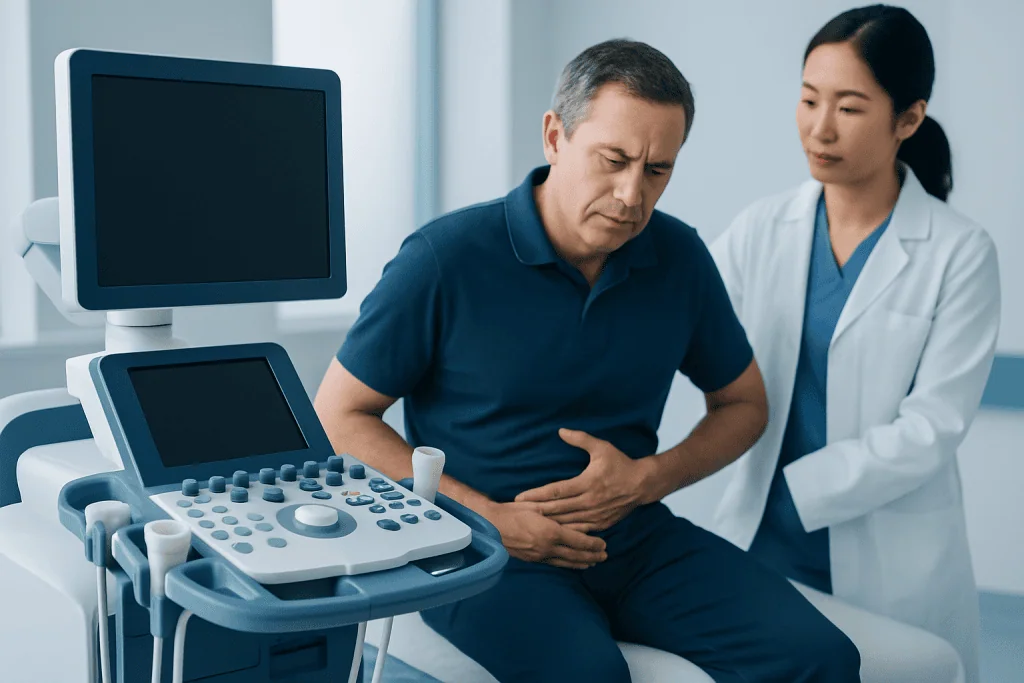
Gallstones do not always cause symptoms. When they do, the most common complaint is sudden pain in the upper right part of the abdomen or in the center of the upper abdomen. This pain may start after eating, especially after a heavy or fatty meal, and can last from minutes to several hours.
The pain may spread to the right shoulder or back and may be accompanied by nausea, vomiting, bloating, or indigestion-like discomfort. Some people describe the pain as steady and intense rather than cramp-like. These episodes are often called biliary colic, even though the pain is usually continuous during an attack.
If a gallstone causes inflammation or blocks a duct, symptoms may become more serious. Warning signs include fever, chills, yellowing of the skin or eyes, very dark urine, pale stools, or severe pain that does not improve. These symptoms can suggest complications involving the gallbladder, liver, or pancreas and should not be ignored.
- Upper right abdominal pain
- Pain after meals, especially fatty foods
- Nausea or vomiting
- Bloating or fullness
- Pain radiating to the back or right shoulder
- Fever or jaundice in complicated cases
Why gallstones form: causes and risk factors
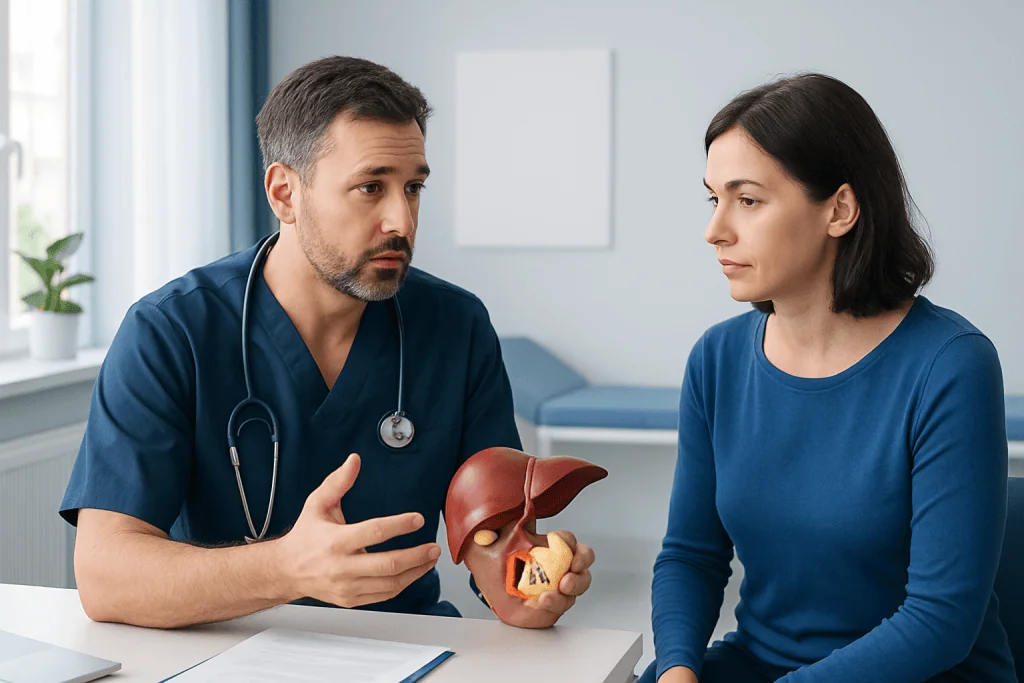
Gallstones usually form when the substances in bile become imbalanced. Most gallstones are cholesterol stones, which develop when bile contains too much cholesterol or the gallbladder does not empty effectively. Less commonly, pigment stones form from excess bilirubin, a substance produced when red blood cells break down.
Several factors increase the likelihood of developing gallstones. Risk rises with age and is generally higher in women. Other recognized risk factors include obesity, rapid weight loss, pregnancy, family history, diabetes, liver disease, and certain blood disorders. A diet high in calories and refined carbohydrates may also contribute in some individuals.
Gallstones can also be linked to other digestive problems when stones move into the bile ducts and interfere with nearby organs. In some situations, this may contribute to inflammation of the pancreas, known as pancreatitis, or infection within the biliary system. Understanding risk factors can help patients discuss prevention and long-term management with their doctor.
How gallstones are diagnosed
Diagnosis starts with a medical history and physical examination. A doctor will ask about the pattern of pain, meal-related symptoms, nausea, fever, and any past episodes. Tenderness in the upper abdomen may raise suspicion of gallbladder inflammation, but imaging is usually needed to confirm the diagnosis.
Ultrasound is the main test used to identify gallstones because it is widely available, noninvasive, and good at showing stones in the gallbladder. Blood tests may also be ordered to look for signs of infection, bile duct blockage, liver irritation, or pancreatic involvement. These tests help show whether symptoms are due to simple gallstones or a complication that requires faster treatment.
If doctors suspect stones in the bile ducts rather than only in the gallbladder, additional imaging may be needed. Depending on the situation, this may include MRI-based bile duct imaging or specialized endoscopic testing. In selected patients, ERCP may be used to both diagnose and treat bile duct stones.
Treatment options for gallstones
Treatment depends on whether gallstones are causing symptoms. Gallstones found incidentally and causing no discomfort often do not need immediate treatment. In these cases, doctors may recommend observation and education about symptoms that should prompt follow-up.
When gallstones cause repeated pain, inflammation, or complications, the usual treatment is removal of the gallbladder. This operation is called cholecystectomy and is commonly performed using minimally invasive techniques. Patients often ask whether the body can function without a gallbladder; in most cases, digestion remains normal or adapts well over time. Surgical care may be discussed as gallbladder surgery or laparoscopic surgery, depending on the clinical situation.
If a stone has moved into the common bile duct, treatment may involve removing the blockage before or around the time of surgery. Endoscopic procedures can often clear duct stones without an external incision. When gallstones lead to infection, acute inflammation, or complications such as cholecystitis, treatment becomes more urgent and may include hospital care, fluids, pain control, and antibiotics when appropriate.
Medication to dissolve stones is used only in specific circumstances and is less common because it works slowly and is not suitable for many types of stones. A qualified doctor can explain which option fits the patient’s symptoms, health status, and imaging findings.
Prevention and self-care
Not all gallstones can be prevented, but healthy habits may lower risk. Maintaining a stable, healthy weight is one of the most helpful steps. Rapid weight loss can increase the chance of stone formation, so weight reduction is generally safest when it is gradual and medically guided.
Regular meals and a balanced eating pattern may support normal gallbladder emptying. Many clinicians advise limiting excess saturated fat and highly processed foods while emphasizing vegetables, fruits, whole grains, and healthy fats in appropriate amounts. Patients who notice that certain foods trigger pain may find it useful to avoid those foods until they are assessed by a doctor.
Self-care is supportive, but it does not replace medical evaluation when symptoms are significant. Repeated abdominal pain after meals, especially if it interferes with daily life, deserves professional attention. People with diabetes, older adults, and those with other digestive or liver conditions should be especially cautious and seek timely advice.
When to seek medical care
Medical review is appropriate if a person has repeated episodes of upper abdominal pain, nausea after fatty meals, or unexplained digestive discomfort that keeps returning. Even when symptoms improve between attacks, recurring pain can suggest symptomatic gallstones and should be evaluated.
Urgent care is important if pain is severe, lasts more than a few hours, or comes with fever, chills, vomiting, jaundice, dark urine, pale stools, confusion, or marked weakness. These features may indicate gallbladder inflammation, bile duct obstruction, infection, or pancreatic involvement and require prompt treatment.
Near the end of the care pathway, some patients may benefit from assessment by a multidisciplinary digestive health team. Acibadem International’s multidisciplinary specialists and JCI-accredited hospitals diagnose and treat gallstones for international patients, including advanced imaging, endoscopic procedures, and surgery when needed.
Frequently asked questions
Can gallstones go away on their own?
Gallstones usually do not disappear on their own, especially if they are made of cholesterol or pigment and have already formed clearly on imaging. If they are not causing symptoms, they may not need treatment, but they should be discussed with a doctor if symptoms develop.
Do all gallstones need surgery?
No. Gallstones that cause no symptoms often do not require surgery. Surgery is most commonly recommended when stones cause repeated pain, inflammation, duct blockage, or other complications.
What does gallstone pain feel like?
Gallstone pain is often felt in the upper right or upper middle abdomen and may begin after eating, particularly after fatty foods. It is usually steady and can radiate to the back or right shoulder, sometimes with nausea or vomiting.
Is it safe to live without a gallbladder?
Yes, most people can live well without a gallbladder. The liver still makes bile, but instead of being stored in the gallbladder, bile flows more directly into the intestine.
Can diet alone treat gallstones?
Diet may help reduce symptom triggers and support overall digestive health, but it does not reliably remove existing gallstones. Medical evaluation is still important if symptoms are recurring or severe.
How are gallstones different from kidney stones?
Gallstones form in the gallbladder from substances in bile, while kidney stones form in the urinary system from minerals and salts in urine. They affect different organs, cause different patterns of pain, and are treated in different ways.
References
- National Institute of Diabetes and Digestive and Kidney Diseases
- American College of Gastroenterology
- National Health Service
- Mayo Clinic
- Society of American Gastrointestinal and Endoscopic Surgeons
This article is for general information only and is not a substitute for professional medical advice. Please consult a qualified doctor about your individual situation.
Gallstones in Turkey — costs, top hospitals & a free quote
JCI-accredited · board-certified surgeons · reply within 24h
Add us as a Preferred Source to see more of our trusted health content across Google Search, AI Overviews and Discover.
Check your numbers in seconds
BMI, calories, due date, blood pressure and 30+ more clinical calculators — free, instant, doctor-reviewed ranges.

General Surgery
Open, laparoscopic and robotic surgery for a broad range of abdominal and soft-tissue conditions.
119 specialists in this unitMore from the Health Library

Nasal Polyps: A Complete Medical Overview

Lack of Proper Sleep Causing Auditory Halucinations: An Evidence-Based Guide for Patients
Necrotising Pancreas: An Evidence-Based Guide for Patients

Jujubes — Explained by Medical Evidence, Not Myths

Prosopagnosia: What Patients Need to Know

Oximetry: An Evidence-Based Guide for Patients
General Surgery Specialists at Acibadem

Assoc. Prof. Dr. A. Enes Arıkan
General Surgery
Assoc. Prof. Dr. Abdülhak Hamit Karayağız
General Surgery
Dr. Abdullah Boğa
General Surgery
Prof. Dr. Abdullah Zorluoğlu
General Surgery