Lower Back Stretches — Explained by Medical Evidence, Not Myths
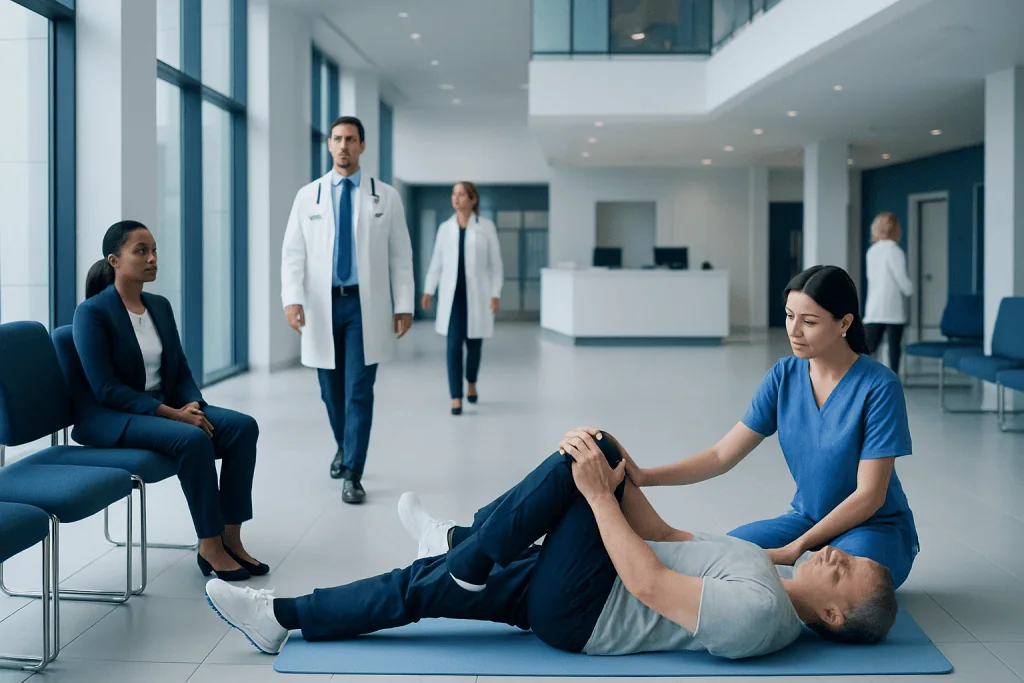
Lower back stretches may help mechanical back stiffness, but they are not appropriate for every cause of low back pain. Gentle, controlled movements are usually safer than forcing deep stretches or bouncing.
Key Takeaways
- Lower back stretches may help mechanical back stiffness, but they are not appropriate for every cause of low back pain.
- Gentle, controlled movements are usually safer than forcing deep stretches or bouncing.
- Pain that shoots down the leg, causes weakness, or follows injury needs medical assessment before starting a stretching routine.
- Regular movement, posture habits, and core-strengthening often matter as much as stretching.
- If a stretch increases pain during or after exercise, it should be stopped and reviewed with a qualified clinician.
Lower back stretches can reduce stiffness, improve mobility, and support recovery for many people, but they are not a one-size-fits-all solution. The safest approach is to match the stretch to the likely cause of discomfort and avoid movements that worsen pain, numbness, or weakness.
Overview: what medical evidence says about lower back stretches
Lower back stretches can help many people with mild, non-specific low back discomfort, especially when stiffness, prolonged sitting, or reduced mobility are part of the problem. Evidence suggests that movement-based care can be useful for common back pain, but the benefit usually comes from a balanced program that may include stretching, strengthening, walking, and activity modification rather than stretching alone.
That distinction matters because “back pain” describes a symptom, not a single diagnosis. Some people feel muscular tightness after long periods at a desk. Others have pain related to an irritated joint, a strained muscle, degenerative changes, or nerve irritation such as a herniated disc. A stretch that relieves one person may aggravate another.
Medical guidance increasingly favors an individualized approach. Instead of relying on popular myths such as “everyone should touch their toes” or “pain means the stretch is working,” clinicians usually recommend gentle movements that improve comfort and function without reproducing sharp pain. The goal is not extreme flexibility. It is better movement, less stiffness, and safer daily activity.
How to tell when stretching may help
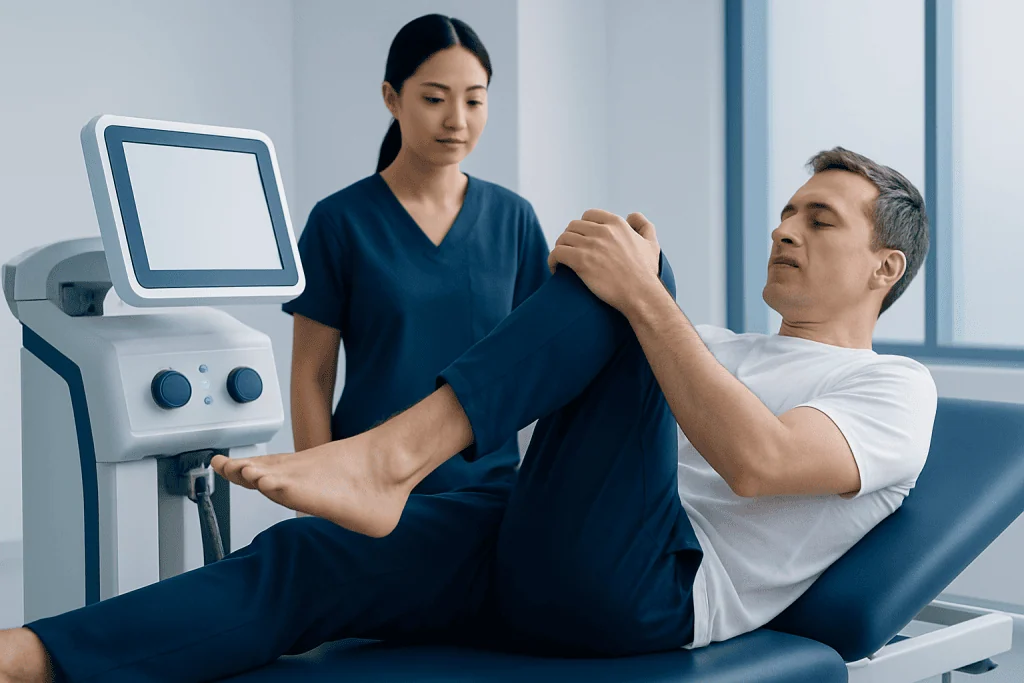
Lower back stretches are often most helpful when discomfort is mild to moderate, has developed gradually, and feels linked to stiffness, inactivity, muscle tension, or a temporary strain. Common examples include morning tightness, aching after long sitting, or a sense that the back loosens up after walking. In these situations, gentle stretching can improve range of motion and reduce the feeling of being “locked up.”
Stretching may also support recovery when nearby areas are tight, especially the hips, buttocks, and hamstrings. The lower back does not work in isolation. Limited mobility in the hip flexors or gluteal muscles can change movement patterns and increase strain on the lumbar area, so a back-friendly routine often includes more than the spine itself.
It is important to distinguish stiffness from warning symptoms. Stretching is less suitable as a self-care starting point when pain is severe, suddenly worsening, or accompanied by numbness, tingling, weakness, fever, unexplained weight loss, or changes in bowel or bladder function. In those cases, a medical review should come first.
Which stretches are commonly considered safer

The most widely recommended lower back stretches are usually gentle, slow, and easy to stop if symptoms increase. Examples often used in rehabilitation settings include a knee-to-chest stretch, child’s pose if comfortable, pelvic tilts, a supported trunk rotation, and stretches for the hamstrings and hip flexors. These movements are typically performed with steady breathing and without bouncing.
Many clinicians also emphasize “movement testing” rather than following generic internet routines. Some people feel better bending forward, while others feel worse and respond better to gentle extension-based movements. A person with leg pain related to nerve irritation may need a different plan from someone with simple muscular tightness. This is one reason formal physical therapy and rehabilitation can be helpful when symptoms recur or are hard to interpret.
A practical rule is that a stretch should create a mild pulling sensation, not sharp pain. Symptoms should settle soon after finishing, not flare for hours afterward. If a movement causes pain to spread farther into the buttock or leg, produces tingling, or feels unstable, it is usually better to stop and seek professional advice.
- Move slowly into and out of the position.
- Hold gentle stretches briefly and comfortably rather than forcing long holds.
- Keep breathing normally; do not brace or strain.
- Prefer consistency over intensity.
Common myths and why they can be misleading
One common myth is that all lower back pain comes from “tight muscles” and should be stretched aggressively. In reality, pain can arise from muscles, discs, joints, nerves, or surrounding structures, and the body may tighten as a protective response. Forcing flexibility into an irritated area can make symptoms worse rather than better.
Another myth is that stronger pain means a better stretch. Evidence-based rehabilitation does not support the idea of pushing through sharp or radiating pain. Stretching should be tolerable and controlled. Pain that shoots down the leg, worsens with coughing or sneezing, or is paired with numbness may suggest nerve involvement rather than simple stiffness.
It is also misleading to assume that one famous stretch works for everyone. Toe-touching, deep spinal twisting, or repeated extreme backbends may help some people but provoke others. People with scoliosis, disc problems, osteoporosis, recent surgery, or inflammatory conditions may need modified movements. A stretch routine should fit the person’s symptoms, age, mobility, and underlying diagnosis.
What else helps besides stretching
For many people, the most effective plan for lower back discomfort combines stretching with regular daily movement. Walking, changing positions often, avoiding prolonged bed rest, and gradually returning to normal activity are commonly recommended for uncomplicated low back pain. These habits can reduce stiffness and help the spine tolerate everyday loads.
Strength and control are also important. A back that is flexible but poorly supported may remain painful. Exercises that improve core endurance, gluteal strength, and hip control can be as valuable as stretching, sometimes more so. Depending on the diagnosis, a clinician may recommend supervised exercise, posture training, ergonomic changes, or a structured spine rehabilitation plan.
Some people also benefit from short-term symptom relief measures such as heat, pacing of activity, or clinician-guided manual therapy. If pain is persistent or severe, doctors may investigate whether there is a more specific spinal condition and discuss broader options, which in selected cases may include evaluation by orthopedic and traumatology or spine specialists.
When lower back stretches may not be appropriate
Stretching should be approached cautiously when back pain began after a fall, collision, lifting injury, or sports trauma. It may also be unsuitable if there is known fracture risk, advanced osteoporosis, recent spinal surgery, severe disc-related symptoms, or a history of inflammatory or systemic illness affecting the spine. In such situations, the safest movement pattern may not be obvious without medical guidance.
Symptoms traveling below the knee deserve particular attention. Pain, tingling, or numbness down the leg can reflect nerve irritation, and some stretches may increase that tension. Likewise, pain accompanied by progressive weakness, trouble standing on the toes or heels, or increasing instability should not be managed with trial-and-error stretching at home.
Persistent pain lasting several weeks, recurrent episodes that disrupt work or sleep, or discomfort severe enough to limit walking and daily activity are also reasons to seek assessment. The aim is not to discourage movement, but to make sure movement is matched to the condition rather than based on guesswork.
How diagnosis guides the right exercise plan
Doctors usually diagnose low back problems by combining a symptom history with a physical examination. They often ask where the pain is felt, what movements trigger it, whether it spreads into the leg, and whether there are neurologic symptoms such as numbness or weakness. This helps separate common mechanical back pain from conditions that require more focused treatment.
Imaging is not always needed for routine, short-term low back pain. However, it may be considered when there has been trauma, red-flag symptoms, suspected nerve compression, or ongoing pain that does not improve with conservative care. In these cases, tools such as MRI can help clarify whether a disc, spinal canal, or another structure is involved.
Once the likely cause is identified, the exercise plan can be adjusted. One person may do well with flexion-based stretches, another with extension movements, and another may need to avoid stretching the lower back entirely at first and focus instead on pain control, walking, and guided stabilization. This individualized approach is more reliable than copying a generic routine from social media.
When to seek medical care
Medical care is appropriate if lower back pain is severe, follows an injury, or does not begin to improve within a reasonable period despite relative rest and gentle activity. A prompt assessment is also important if pain spreads down the leg, causes numbness or weakness, or repeatedly returns and interferes with work, sleep, or normal movement.
Urgent medical attention is needed for warning signs such as loss of bladder or bowel control, fever with back pain, unexplained weight loss, or sudden major weakness in the leg. These symptoms are not typical of simple stiffness and should not be managed with self-directed stretching.
For international patients who need diagnosis or treatment, Acibadem International’s multidisciplinary specialists and JCI-accredited hospitals evaluate spine-related symptoms and create individualized care plans based on the underlying cause.
Frequently asked questions
Do lower back stretches really work?
They can help many people, especially when pain is linked to stiffness, muscle tension, or reduced mobility. However, they work best as part of a broader plan that may also include walking, strengthening, posture changes, and medical assessment when needed.
Can stretching make lower back pain worse?
Yes, if the movement does not match the underlying problem or if it is forced too aggressively. Sharp pain, increasing leg symptoms, or pain that lingers for hours after stretching are signs that the routine may not be suitable.
Which area should be stretched for low back discomfort?
In many cases, the hips, hamstrings, and buttock muscles deserve as much attention as the lower back itself. Tightness in these areas can affect how the lumbar spine moves and may contribute to discomfort.
Should a person stretch the lower back every day?
A gentle daily routine is reasonable for many people if it feels comfortable and symptoms improve over time. The routine should stay mild, consistent, and easy to stop if pain increases.
Is it normal to feel pain during a lower back stretch?
A mild pulling sensation can be normal, but sharp, stabbing, or radiating pain is not. Stretching should generally feel controlled and tolerable, not like something that needs to be endured.
When is back pain more than simple stiffness?
Back pain deserves medical review if it follows trauma, lasts for weeks, repeatedly returns, or is associated with numbness, weakness, fever, unexplained weight loss, or bowel or bladder changes. These features suggest that the problem may not be a simple strain.
This article is for general information only and is not a substitute for professional medical advice. Please consult a qualified doctor about your individual situation.
Explore treatments in Turkey — costs, top hospitals & a free quote
JCI-accredited · board-certified surgeons · reply within 24h
Add us as a Preferred Source to see more of our trusted health content across Google Search, AI Overviews and Discover.

More from the Health Library

Stratum Corneum: An Evidence-Based Guide for Patients

Hiccups After Eating: An Evidence-Based Guide for Patients

Metabolic Age: A Complete Medical Overview

Amenorrhea — Explained by Medical Evidence, Not Myths

Neroli: An Evidence-Based Guide for Patients