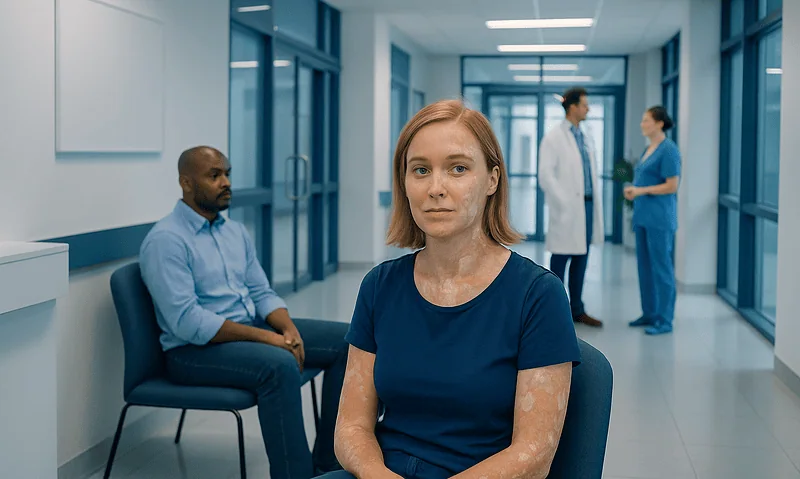
Sleep: A Complete Medical Overview

Sleep supports memory, mood, heart health, metabolism, and immune function. Healthy sleep depends on both duration and quality, including regular sleep-wake timing.
Key Takeaways
- Sleep supports memory, mood, heart health, metabolism, and immune function.
- Healthy sleep depends on both duration and quality, including regular sleep-wake timing.
- Poor sleep can be caused by lifestyle habits, stress, medical conditions, medications, or sleep disorders.
- Persistent snoring, pauses in breathing, severe daytime sleepiness, or long-term insomnia should be medically assessed.
- Simple self-care measures can improve sleep, but some people need formal testing and targeted treatment.
Sleep is a vital biological process that helps the brain and body recover, regulate hormones, support immunity, and maintain emotional balance. Good sleep is not only about hours in bed, but also about timing, quality, and whether sleep leaves a person feeling restored.
Overview: what sleep is and why it matters
Sleep is a natural, active state in which the brain and body carry out essential repair and regulation. During sleep, a person cycles through different stages that support learning, memory, emotional processing, tissue recovery, hormone balance, and energy conservation. In simple terms, sleep is one of the body’s main maintenance systems.
Healthy sleep is not measured only by the number of hours spent in bed. It also includes how easily a person falls asleep, how often sleep is interrupted, whether breathing remains normal, and how refreshed the person feels the next day. Someone can spend enough time in bed but still have poor-quality sleep if sleep is fragmented or affected by an underlying disorder.
Sleep needs vary by age, health, and individual biology. Most adults function best with about 7 to 9 hours each night, while children and teenagers generally need more. Older adults may sleep slightly less at night or wake more often, but they still need restorative sleep to support physical and mental health.
When sleep is consistently too short, irregular, or disrupted, it can affect concentration, mood, reaction time, appetite, blood pressure, and immune defenses. Over time, ongoing sleep problems may contribute to accidents, reduced quality of life, and chronic health conditions. This is why sleep is considered a core part of preventive health, alongside nutrition, movement, and stress management.
How sleep works in the body
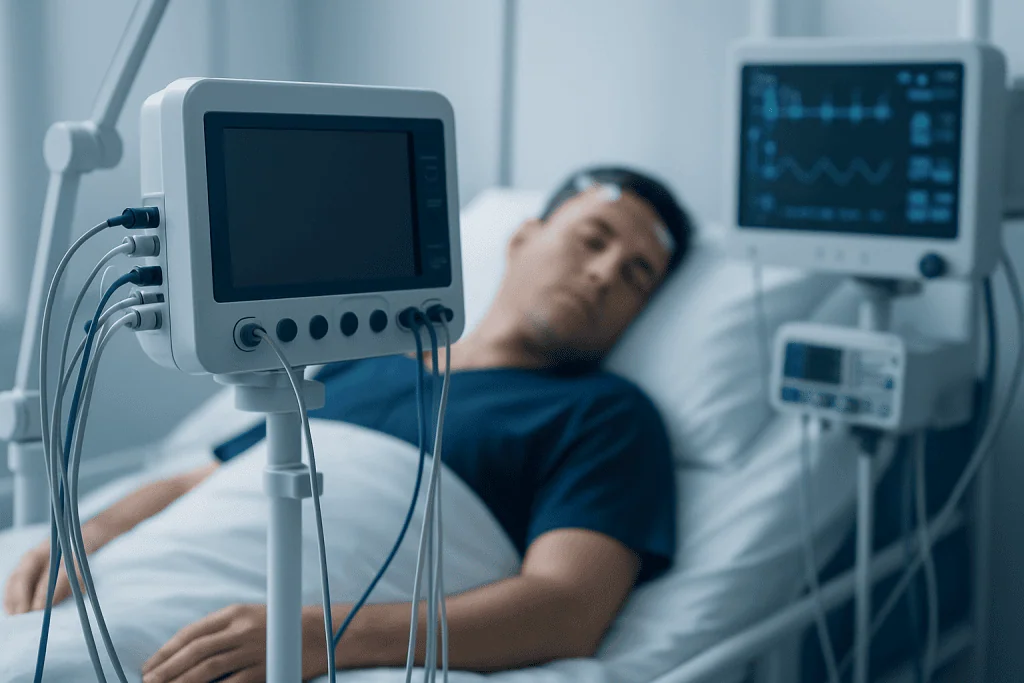
Sleep follows an internal timing system called the circadian rhythm, which helps the body align with day and night. Light exposure, especially morning light, helps set this internal clock. The brain also builds up a natural drive for sleep the longer a person stays awake, making it easier to fall asleep at night.
During the night, the brain moves through repeating sleep cycles. These include non-rapid eye movement sleep, which ranges from lighter to deeper sleep, and rapid eye movement sleep, which is more closely linked to vivid dreaming and important aspects of memory and emotional processing. Both major sleep types are necessary for full restoration.
Many body systems change during sleep. Heart rate and blood pressure usually decrease, muscles relax, and hormone patterns shift. The immune system also becomes active in ways that help recovery and resilience. If sleep is repeatedly shortened or interrupted, these normal processes may not be completed efficiently.
Because sleep affects so many systems at once, sleep problems can appear in different ways. One person may notice fatigue and poor focus, while another develops headaches, mood changes, or worsening blood pressure. In this sense, sleep is both a symptom and a foundation of overall health.
Signs of poor sleep and common sleep problems

Poor sleep may show up as difficulty falling asleep, waking often, waking too early, or feeling unrefreshed despite spending enough time in bed. Daytime effects can include tiredness, irritability, low mood, forgetfulness, reduced performance, and a tendency to doze off unintentionally. Some people become more sensitive to pain or have more trouble managing stress when sleep is poor.
One of the most common sleep complaints is insomnia, which refers to ongoing trouble falling asleep, staying asleep, or returning to sleep after waking. Insomnia can be short-term, often linked to stress or illness, or chronic, where symptoms persist for weeks or longer. If this pattern is a concern, a doctor may evaluate for insomnia and contributing factors.
Another important problem is disrupted breathing during sleep. Loud snoring, choking or gasping, restless sleep, morning headaches, and marked daytime sleepiness can point to sleep apnea. This condition can reduce sleep quality and strain the heart and blood vessels if left untreated.
Other sleep-related conditions include restless legs symptoms, circadian rhythm problems such as shift-work sleep disturbance, and movement or behavior disorders during sleep. Not every bad night means a disorder, but repeated patterns deserve attention, especially when they affect safety, work, school, or daily function.
What can interfere with sleep
Sleep can be influenced by many factors at the same time. Everyday causes include stress, irregular schedules, late-evening screen use, jet lag, alcohol, nicotine, caffeine, heavy meals close to bedtime, and sleeping in too late. These may delay the body’s natural sleep signals or cause lighter, more interrupted sleep.
Physical and mental health conditions can also interfere with normal sleep. Pain, reflux, asthma, allergies, hormonal changes, anxiety, depression, and some neurological conditions may all affect sleep quality. Certain medicines, including stimulants and some decongestants, may make it harder to fall asleep or stay asleep.
Environmental factors matter as well. Noise, light, room temperature, uncomfortable bedding, and a bed partner’s snoring or movements can all disturb sleep. In some people, the sleep setting itself becomes associated with wakefulness if they regularly work, eat, or use devices in bed.
Risk is often higher when several factors overlap. For example, a person with chronic stress, evening caffeine intake, and untreated snoring may develop more persistent problems than someone with only one temporary trigger. Looking at sleep as a pattern rather than a single symptom often helps identify what can be changed.
How doctors evaluate sleep problems
A medical assessment usually starts with a detailed history. The doctor may ask about bedtimes and wake times, snoring, breathing pauses, naps, medications, mood, work schedule, alcohol and caffeine intake, and how sleep affects daytime function. In many cases, a sleep diary kept for one to two weeks helps show patterns clearly.
A physical examination may focus on the nose, throat, weight, neck size, heart and lungs, and signs of other medical conditions. Depending on the symptoms, the doctor may also review mental health, pain, hormone-related issues, or medications that could be contributing to poor sleep.
Some people need formal sleep testing. A sleep study may be recommended when there is concern for disordered breathing, unusual movements, or unexplained daytime sleepiness. In selected cases, doctors may use home-based testing or an in-laboratory evaluation. Diagnostic testing can help guide options such as sleep apnea treatment when breathing-related sleep disruption is suspected.
When insomnia is the main issue, testing is not always necessary. Instead, the focus is often on identifying behavioral, emotional, and medical contributors. If needed, a sleep medicine specialist, neurologist, pulmonologist, ear, nose, and throat specialist, or mental health professional may be involved in the evaluation.
Treatment options and ways to improve sleep
Treatment depends on the cause. For many people, the first step is improving sleep habits and correcting triggers such as irregular schedules, late caffeine, alcohol use near bedtime, or excess screen exposure at night. Structured behavioral strategies are often more effective in the long term than relying only on short-term sleep aids.
For chronic insomnia, doctors commonly recommend cognitive behavioral therapy for insomnia, a structured approach that helps change unhelpful sleep-related thoughts and habits. Relaxation techniques, stimulus control, and sleep scheduling may also be used. Medicines may be considered in selected cases, but they are usually only one part of care and should be guided by a clinician.
If a person has sleep apnea, treatment may include lifestyle changes, positional measures, oral devices, or positive airway pressure therapy. Some people may also need assessment of the upper airway by an ENT specialist. Depending on the underlying anatomy, options can include septoplasty or tonsil and adenoid surgery when these are medically appropriate and part of the breathing problem.
When another condition is disrupting sleep, treatment focuses on that cause as well. Managing pain, reflux, anxiety, depression, allergies, or hormonal issues may improve sleep significantly. Near the end of the care pathway, multidisciplinary specialists at Acibadem International and its JCI-accredited hospitals evaluate and treat sleep-related conditions for international patients when more comprehensive assessment is needed.
Prevention and self-care for healthier sleep
Healthy sleep usually improves when a person keeps a regular schedule. Going to bed and waking up at about the same time every day helps stabilize the body’s internal clock. Morning daylight exposure, daytime physical activity, and limiting long or late naps can also support stronger sleep signals at night.
Creating a sleep-friendly environment is equally important. The bedroom should ideally be dark, quiet, and comfortably cool. Many people benefit from reserving the bed for sleep and intimacy only, rather than working, watching television, or scrolling on a phone in bed.
Helpful habits include avoiding caffeine late in the day, limiting alcohol close to bedtime, and finishing large meals several hours before sleep. A calming wind-down routine may include light reading, stretching, breathing exercises, or a warm shower. If stress is prominent, journaling or relaxation techniques may reduce the sense of mental overactivity at night.
Self-care is useful, but it should not delay evaluation when symptoms suggest a medical disorder. Regular snoring, witnessed breathing pauses, sudden sleep attacks, severe insomnia, or unusual movements during sleep are signs that professional assessment may be appropriate.
When to seek medical care
A person should seek medical care if sleep problems last for several weeks, interfere with daily life, or lead to significant fatigue, poor concentration, mood changes, or safety concerns such as drowsy driving. Difficulty sleeping during periods of stress can be common, but persistent symptoms deserve a closer look.
Medical review is especially important for loud habitual snoring, choking or gasping during sleep, witnessed breathing pauses, waking with headaches, or extreme daytime sleepiness. These symptoms can suggest a breathing-related sleep disorder that may need prompt diagnosis and treatment.
It is also wise to seek help if sleep changes occur along with chest discomfort, shortness of breath, depression, anxiety, memory decline, or neurological symptoms. Children who snore regularly, struggle at school because of poor sleep, or show unusual nighttime behaviors should also be assessed by a qualified doctor.
Urgent care may be needed if severe sleepiness causes near-miss accidents, if unusual nighttime behaviors create a risk of injury, or if a person stops breathing during sleep and cannot be awakened normally. Professional evaluation can identify whether symptoms are due to lifestyle factors, a treatable medical problem, or a formal sleep disorder.
Frequently asked questions
How many hours of sleep does an adult usually need?
Most adults need about 7 to 9 hours of sleep each night for best health and daytime function. Individual needs vary, and sleep quality matters as much as total time in bed.
Can a person sleep enough hours but still have poor sleep?
Yes. A person may spend enough time in bed but still feel tired if sleep is fragmented, too light, or interrupted by snoring, breathing pauses, pain, stress, or frequent waking. Restorative sleep depends on both duration and quality.
What is the difference between occasional bad sleep and insomnia?
Occasional bad sleep is common during stress, travel, illness, or schedule changes and often improves on its own. Insomnia usually refers to ongoing difficulty falling asleep, staying asleep, or waking too early, along with daytime effects such as fatigue or poor concentration.
Is snoring always a sign of a sleep disorder?
Not always. Some people snore without having a serious medical problem, but loud habitual snoring can also be a sign of sleep apnea, especially if it occurs with choking, gasping, or daytime sleepiness. Persistent snoring is worth discussing with a doctor.
What habits help improve sleep naturally?
Helpful habits include keeping a regular sleep schedule, getting morning light, limiting caffeine and alcohol late in the day, and creating a dark, quiet bedroom. A calming pre-sleep routine and reducing screen use before bed can also support better sleep.
When should daytime sleepiness be taken seriously?
Daytime sleepiness should be taken seriously when it is frequent, severe, or affects safety, work, or driving. It can be linked to insufficient sleep, medication effects, sleep apnea, narcolepsy, or other health conditions that need medical evaluation.
References
- American Academy of Sleep Medicine
- Centers for Disease Control and Prevention
- National Heart, Lung, and Blood Institute
- National Institute of Neurological Disorders and Stroke
- World Health Organization
This article is for general information only and is not a substitute for professional medical advice. Please consult a qualified doctor about your individual situation.
Explore treatments in Turkey — costs, top hospitals & a free quote
JCI-accredited · board-certified surgeons · reply within 24h
Add us as a Preferred Source to see more of our trusted health content across Google Search, AI Overviews and Discover.
Check your numbers in seconds
BMI, calories, due date, blood pressure and 30+ more clinical calculators — free, instant, doctor-reviewed ranges.