Dementia — Explained by Medical Evidence, Not Myths

Dementia describes a decline in memory and thinking severe enough to affect daily activities. Alzheimer’s disease is a common cause, but dementia can also result from vascular, Lewy body, frontotemporal, and other brain disorders.
Key Takeaways
- Dementia describes a decline in memory and thinking severe enough to affect daily activities.
- Alzheimer’s disease is a common cause, but dementia can also result from vascular, Lewy body, frontotemporal, and other brain disorders.
- Early evaluation matters because some causes of cognitive decline are treatable or reversible.
- Diagnosis usually includes a medical history, cognitive testing, blood tests, and brain imaging.
- Treatment focuses on the cause when possible, symptom management, safety, and support for the person and caregivers.
Dementia is not a single disease or a normal part of aging. It is a group of symptoms caused by changes in the brain that affect memory, thinking, behavior, and the ability to manage everyday life.
Overview: what dementia really means
Dementia is a medical term for a group of symptoms that affect memory, language, reasoning, judgment, and daily functioning. It is not a specific disease by itself and it is not simply “getting older.” In dementia, changes in the brain are significant enough to interfere with everyday tasks such as managing medicines, handling finances, finding words, preparing meals, or navigating familiar places.
Medical evidence shows that dementia has many possible causes. The most common is Alzheimer’s disease, but vascular problems, Lewy body disease, frontotemporal disorders, Parkinson’s disease, head injury, infections, nutritional deficiencies, and other conditions can also lead to cognitive decline. Some people have more than one cause at the same time, sometimes called mixed dementia.
Another common myth is that all memory loss means dementia. In reality, mild forgetfulness can happen with stress, poor sleep, depression, medication side effects, or normal aging. Dementia usually involves a broader pattern of change that becomes persistent and begins to affect independence, relationships, work, or safety.
Understanding dementia through evidence rather than myth can help families seek assessment early, plan ahead, and access support. A careful evaluation may identify treatable contributors and can guide the most appropriate care for the individual’s needs.
Symptoms and early signs
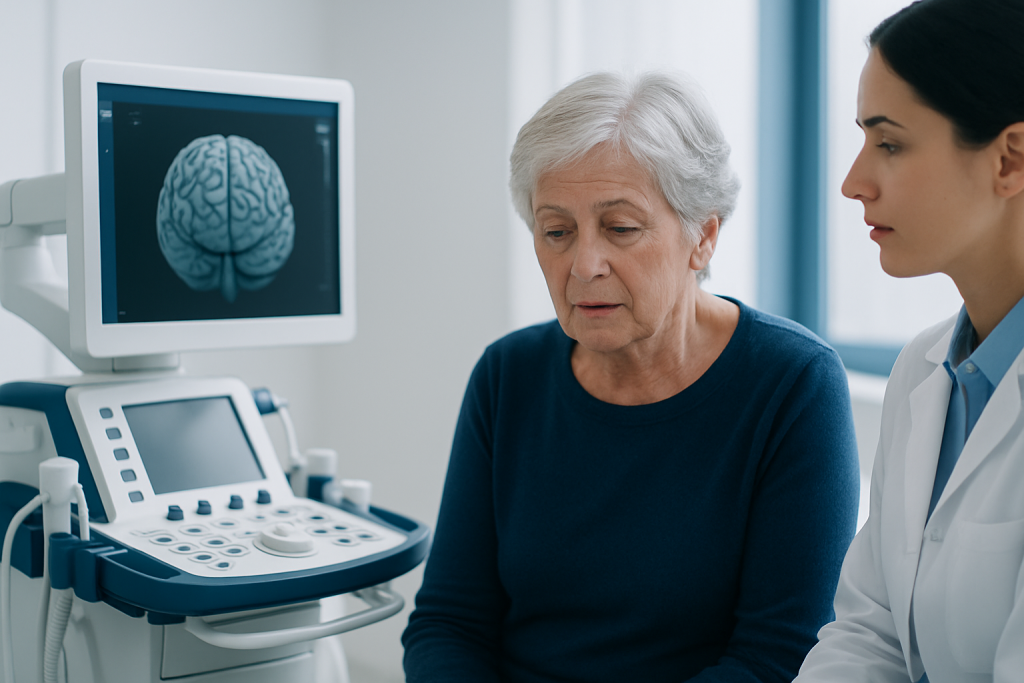
Dementia symptoms often begin gradually. Early changes may include repeatedly asking the same questions, misplacing items in unusual places, struggling to follow conversations, forgetting appointments, or needing more help with tasks that were once routine. Family members sometimes notice changes before the person does.
As dementia progresses, symptoms may affect several areas of thinking and behavior. These can include difficulty finding words, poor judgment, confusion about time or place, trouble recognizing familiar people, reduced problem-solving ability, and changes in mood or personality. Some people become withdrawn, suspicious, or apathetic, while others may become more impulsive or agitated.
Not all dementias look the same. For example, some types affect memory first, while others may begin with language problems, visual-spatial difficulties, movement changes, or behavioral symptoms. Hallucinations, sleep changes, falls, or fluctuations in alertness can suggest specific causes and are important to mention during a medical assessment.
- Persistent memory loss that disrupts daily life
- Difficulty planning, concentrating, or making decisions
- Problems with language, reading, or following instructions
- Getting lost in familiar areas
- Changes in mood, behavior, personality, or social engagement
- Reduced ability to manage finances, medicines, meals, or personal care
Causes and risk factors

Dementia develops when brain cells are damaged and can no longer communicate effectively. Different diseases and injuries can cause this damage. Alzheimer’s disease is the most common cause. Other important causes include vascular dementia after strokes or long-term blood vessel disease, Lewy body dementia, and frontotemporal dementia. Some people may also have dementia related to Parkinson’s disease, repeated head trauma, or certain neurological illnesses.
Age is the strongest risk factor, but dementia is not an inevitable part of aging. Family history and genetics can increase risk in some cases. Conditions that affect blood vessels and heart health, such as high blood pressure, diabetes, high cholesterol, obesity, smoking, and stroke, may also raise the likelihood of cognitive decline over time. Hearing loss, social isolation, depression, poor sleep, and low physical activity have also been linked with increased risk.
Importantly, not every cause of memory and thinking problems is a degenerative dementia. Problems such as medication side effects, thyroid disorders, vitamin deficiencies, dehydration, infections, alcohol misuse, sleep apnea, and depression can mimic or worsen dementia symptoms. This is why a proper medical review is so valuable.
Risk reduction does not guarantee prevention, but managing vascular health, staying physically active, protecting sleep, treating hearing loss, and maintaining mental and social engagement may support brain health throughout life.
How dementia is diagnosed
Diagnosing dementia involves more than a quick memory test. Doctors begin with a detailed history from the person and, when possible, a family member or caregiver who has noticed changes over time. They ask about memory, language, daily activities, behavior, mood, medications, medical conditions, alcohol use, sleep, and whether symptoms came on gradually or suddenly.
A physical and neurological examination helps look for clues about the underlying cause. Cognitive screening and more detailed neuropsychological testing may assess memory, attention, language, planning, and visual-spatial skills. These tests do not diagnose every cause on their own, but they help define the pattern of impairment.
Blood tests are commonly used to check for potentially reversible causes or contributing factors, such as thyroid disease, vitamin deficiencies, infection, or metabolic problems. Brain imaging may also be recommended. MRI scanning can help detect strokes, brain shrinkage patterns, tumors, fluid build-up, or other structural changes. In selected cases, clinicians may use additional tests, such as advanced imaging, sleep assessment, or lumbar puncture, depending on the person’s symptoms.
Because dementia can overlap with other neurological conditions, some people benefit from specialist evaluation. For example, if symptoms are related to cerebrovascular disease or prior stroke, the doctor may also assess for stroke-related cognitive impairment and vascular risk factors.
Treatment options and ongoing care
Treatment depends on the cause of dementia and the symptoms involved. Some conditions that resemble dementia are reversible or partially treatable, so addressing the underlying problem is the first step whenever possible. For progressive dementias, treatment aims to slow symptom worsening in some people, support day-to-day function, and improve quality of life.
Doctors may prescribe medications for certain types of dementia to help with memory, attention, or daily function, although these medicines do not cure the disease. Treatment may also include managing mood symptoms, sleep problems, hallucinations, movement issues, or agitation with careful medical supervision. Medication choices are individualized because older adults can be more sensitive to side effects.
Non-drug support is equally important. Structured routines, clear communication, home safety changes, exercise, treatment of hearing or vision problems, and caregiver education can make a meaningful difference. Occupational, physical, or speech therapy may help maintain independence and communication skills. When symptoms are complex or diagnosis is uncertain, a specialist in neurology care may guide ongoing management.
As dementia advances, care planning becomes increasingly important. Discussions about driving, finances, home support, nutrition, falls, advance directives, and future living arrangements are best started early, while the person can still take part in decisions. Near the end of the care journey, a multidisciplinary approach can help address comfort, dignity, and family support.
Prevention and self-care: what may help brain health
There is no guaranteed way to prevent dementia, but evidence supports several practical steps that may lower risk or support brain health. The strongest advice centers on protecting blood vessels and overall health. This includes controlling blood pressure, blood sugar, and cholesterol; avoiding smoking; limiting excess alcohol; staying physically active; and maintaining a balanced diet.
Regular exercise can support circulation, mobility, sleep, and mood. Social connection and mentally stimulating activities may also help preserve function and well-being. Reading, conversation, music, hobbies, and learning new skills can all be useful forms of cognitive engagement. Treating hearing loss and vision problems may reduce confusion and improve communication.
Good sleep matters as well. Ongoing sleep problems, snoring, or excessive daytime sleepiness should be discussed with a doctor, especially when memory concerns are present. Depression and anxiety can worsen concentration and motivation, so addressing mental health is another important part of self-care.
For people already living with dementia, daily self-care works best when simplified. Helpful strategies include using calendars and reminders, keeping a consistent routine, reducing clutter, labeling cupboards or rooms, ensuring adequate hydration and nutrition, and asking for support early rather than waiting for a crisis.
When to seek medical care
Medical care should be sought if memory or thinking problems are new, progressive, or beginning to affect daily life. Evaluation is especially important when someone gets lost, misses medicines, makes unsafe decisions, has rapid personality changes, or shows confusion that is out of character. Sudden worsening should never be ignored because it may reflect an infection, medication problem, delirium, or another urgent issue rather than dementia progression.
Emergency care may be needed if confusion appears suddenly, or if it is accompanied by weakness, facial drooping, trouble speaking, severe headache, chest pain, falls with injury, or reduced consciousness. These can be signs of a stroke or another acute medical problem requiring immediate attention.
Families do not need to wait until symptoms are severe. Early medical review can clarify the cause, identify treatable conditions, and create a practical plan for safety and support. In selected cases, doctors may recommend further testing or consultation in services such as neurosurgery if brain imaging reveals another structural cause for symptoms.
For international patients seeking assessment and treatment, Acibadem International’s multidisciplinary specialists and JCI-accredited hospitals provide diagnosis and care for dementia and related neurological conditions.
Frequently asked questions
Is dementia the same as Alzheimer’s disease?
No. Dementia is a general term for a decline in memory and thinking that interferes with daily life, while Alzheimer’s disease is one specific cause of dementia. Other causes include vascular dementia, Lewy body dementia, and frontotemporal dementia.
Is dementia a normal part of aging?
No. Aging can bring slower recall or occasional forgetfulness, but dementia involves more significant and persistent changes. These changes affect independence, judgment, communication, or the ability to manage everyday tasks.
Can dementia be cured?
Some conditions that mimic dementia, such as vitamin deficiencies, thyroid problems, or medication effects, can improve when treated. Progressive dementias usually cannot be cured, but treatment and supportive care may help manage symptoms and maintain quality of life.
What is the first sign of dementia?
There is no single first sign for everyone. Early clues often include repeated questions, trouble remembering recent events, difficulty managing familiar tasks, or changes in judgment, behavior, or language.
How is dementia different from delirium?
Dementia usually develops gradually over months or years. Delirium is a sudden change in attention and thinking, often caused by illness, infection, dehydration, or medications, and it can be a medical emergency.
Can lifestyle changes lower dementia risk?
Lifestyle changes cannot prevent every case, but they may help reduce risk. Managing blood pressure and diabetes, staying active, not smoking, sleeping well, treating hearing loss, and staying socially engaged all support brain health.
References
- World Health Organization
- National Institute on Aging
- Alzheimer's Association
- Centers for Disease Control and Prevention
- National Institute of Neurological Disorders and Stroke
This article is for general information only and is not a substitute for professional medical advice. Please consult a qualified doctor about your individual situation.
Dementia in Turkey — costs, top hospitals & a free quote
JCI-accredited · board-certified surgeons · reply within 24h
Add us as a Preferred Source to see more of our trusted health content across Google Search, AI Overviews and Discover.
Check your numbers in seconds
BMI, calories, due date, blood pressure and 30+ more clinical calculators — free, instant, doctor-reviewed ranges.

Neurology
Diagnosis and treatment of disorders of the brain, spinal cord, nerves and muscles.
51 specialists in this unit