Mouth Guard — Explained by Medical Evidence, Not Myths

A mouth guard can help protect teeth, gums, lips, and jaw structures from injury or wear. Sports mouth guards and night guards are not interchangeable, because they are designed for different purposes.
Key Takeaways
- A mouth guard can help protect teeth, gums, lips, and jaw structures from injury or wear.
- Sports mouth guards and night guards are not interchangeable, because they are designed for different purposes.
- A custom-fitted mouth guard usually offers the best comfort, retention, and protection.
- Persistent pain, broken dental work, jaw locking, or frequent grinding should be assessed by a dental professional.
- Cleaning, proper storage, and regular replacement help a mouth guard stay safe and effective.
A mouth guard is a protective device worn over the teeth to reduce injury and limit damage from sports impact, grinding, or clenching. The right type depends on why it is needed, how well it fits, and whether a dentist identifies an underlying dental or jaw problem.
What a Mouth Guard Does
A mouth guard is a removable protective device that covers the teeth and sometimes part of the gums. It is most often used for two broad reasons: to reduce injury during sports and to limit damage caused by grinding or clenching the teeth during sleep. In both situations, the goal is not simply comfort. A properly chosen mouth guard helps absorb force, reduce pressure on the teeth, and create a barrier between the upper and lower teeth.
Medical evidence supports mouth guards as a practical way to lower the risk of dental trauma in contact and collision sports, and to help protect tooth surfaces in people with bruxism, the medical term for grinding or clenching. However, a mouth guard does not cure every cause of jaw pain, headaches, or sleep-related symptoms. It is one part of care, and the best results usually come when the underlying cause is identified.
This distinction matters because the term “mouth guard” is often used loosely. A sports mouth guard is built to absorb impact. A night guard is designed to reduce wear and distribute biting forces during sleep. They may look similar at first glance, but they differ in materials, thickness, fit, and the problems they are meant to address.
Common Reasons People Use a Mouth Guard
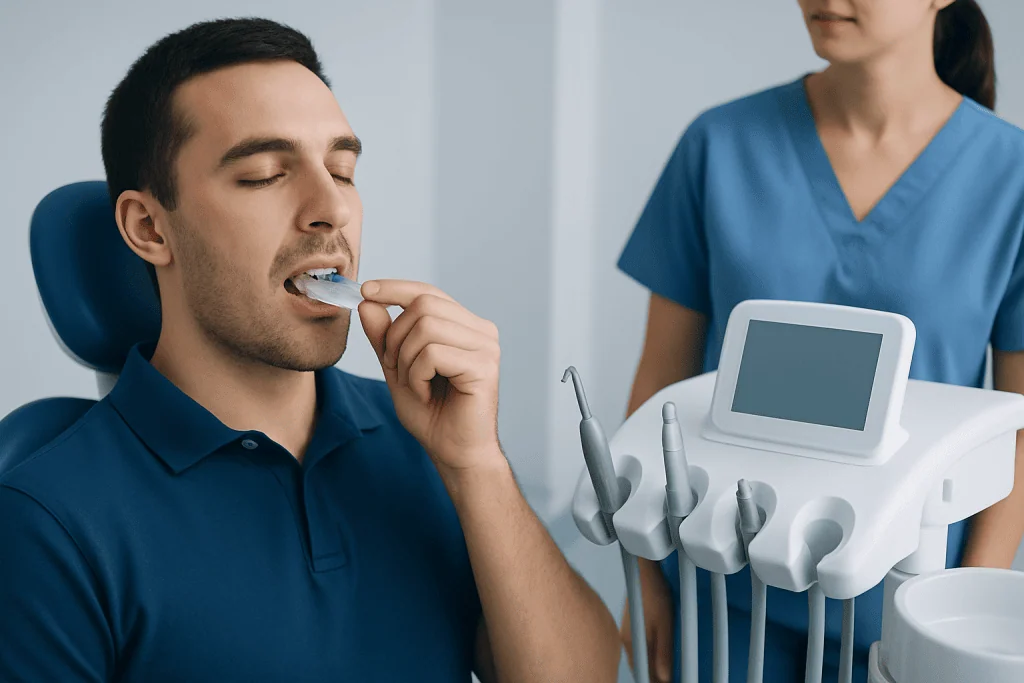
For athletes and active children, a mouth guard is most commonly used to help protect the teeth, lips, cheeks, and jaw during sports. It may be recommended for football, basketball, boxing, hockey, martial arts, rugby, and other activities where falls, contact, or flying equipment can cause injury. Even in non-contact sports, a mouth guard may be sensible when there is a risk of collision or impact.
Another major reason is nighttime grinding or clenching. People with bruxism may wake with jaw tiredness, tooth sensitivity, headaches, or a feeling that the teeth have been under pressure. Over time, grinding can contribute to enamel wear, cracked teeth, gum irritation, and stress on fillings, crowns, or implants. A night guard may help reduce this damage while a dentist looks for contributing factors.
Some people also use a mouth guard as part of care for jaw muscle strain or temporomandibular joint symptoms. In these cases, the device may help reduce pressure from clenching, but it should not be self-prescribed for long-term use if symptoms are ongoing. Jaw discomfort can overlap with bite problems, stress-related muscle tension, sleep issues, or other conditions that need targeted treatment.
- Sports and recreational impact protection
- Teeth grinding during sleep
- Daytime clenching habits
- Protection of crowns, veneers, or other dental work
- Selected cases of jaw muscle overuse under dental guidance
Types of Mouth Guard and How They Differ

There are three main categories of mouth guard: stock, boil-and-bite, and custom-made. Stock guards are pre-formed and ready to wear, but they are usually the least adjustable and may feel bulky or loose. Boil-and-bite guards soften in hot water so they can be shaped somewhat to the teeth at home. They are widely available and may suit some people temporarily, but the fit can still be limited.
Custom-made mouth guards are produced from an impression or digital scan of the teeth. They are generally considered the best option when close fit, retention, and comfort matter most, especially for regular sports participation or ongoing grinding. A well-fitted device is more likely to stay in place, interfere less with breathing and speaking, and provide more even protection.
Night guards also vary in firmness and design. Some are softer and some are harder, depending on the clinical goal and the dentist’s assessment. This is one reason it is not ideal to buy any guard and assume it will solve grinding. If a person has severe wear, bite changes, or jaw pain, a dental evaluation may be needed to choose the right type and to rule out related concerns such as temporomandibular joint problems.
Benefits, Limits, and Common Myths
The clearest benefit of a mouth guard is protection. In sports, it can help reduce chipped teeth, cuts to the lips and cheeks, and some jaw injuries. During sleep, it can help protect enamel and reduce the direct tooth-to-tooth forces caused by clenching or grinding. For people with extensive dental work, it may also lower the risk of damage to restorations.
At the same time, a mouth guard has limits. It does not treat every cause of jaw clicking, facial pain, headache, or poor sleep. It may reduce the effects of grinding without stopping the grinding itself. It also does not replace management of contributing factors such as stress, bite issues, broken teeth, sleep-disordered breathing, or poorly aligned restorations. For some patients, care may include assessment and treatment in dentistry or related dental specialties.
A common myth is that a thicker guard is always better. In reality, protection depends on purpose, fit, material, and proper use. Another myth is that any over-the-counter device is equivalent to a dentist-made one. Some people do well with store-bought guards for short-term use, but a poor fit can be uncomfortable, can wear quickly, and may not offer the intended protection.
There is also a misconception that using a mouth guard means a person can ignore symptoms. New jaw locking, loose teeth, facial swelling, severe pain, or repeated damage to dental work should not be dismissed. In those situations, the device may be part of the solution, but it should not replace professional evaluation.
How Dentists Assess Fit and Diagnose Related Problems
When a mouth guard is needed regularly, a dentist usually starts by asking why the device is being considered and whether symptoms are present. Questions may cover grinding, clenching, headaches, jaw stiffness, broken fillings, tooth sensitivity, snoring, sports participation, and prior dental injury. The teeth, gums, bite, and jaw muscles are then examined.
Signs that support bruxism or pressure-related tooth damage can include flattened biting edges, worn enamel, small cracks, gum recession, muscle tenderness, or damaged restorations. If trauma has occurred, the dentist may check whether any teeth have loosened, fractured, or changed color. In some cases, dental imaging is useful to assess roots, bone, or hidden damage. A broader review may be needed if there are symptoms of sleep apnea or persistent jaw dysfunction.
For a custom appliance, impressions or digital scans are taken to create a device that matches the person’s bite and dental anatomy. The fit is then adjusted so the guard sits securely and distributes pressure as evenly as possible. Follow-up visits are important because guards can wear down, become distorted, or need refinements over time.
Treatment Options and Choosing the Right Mouth Guard
The best mouth guard depends on the reason for use. For sports, a guard should fit securely, allow comfortable breathing, and provide coverage appropriate for the activity. For nighttime use, the design should match the pattern of grinding or clenching and the condition of the teeth and jaw. If there is significant wear, recurrent breakage, or pain, a dentist-guided approach is usually more effective than trial and error.
Treatment may involve more than the device itself. If broken, worn, or decayed teeth are contributing to pain or uneven pressure, they may need dental treatment first. Patients with missing teeth, unstable bite patterns, or extensive restorations may need a more individualized plan. In some cases, specialists may coordinate care that includes dental treatment and, when tooth structure has already been lost, dental prosthesis planning.
If stress-related clenching is part of the problem, self-care strategies can also help. These may include awareness of daytime jaw tension, avoiding gum chewing, limiting very hard foods during flare-ups, and using relaxation techniques before bed. If symptoms suggest a sleep-related breathing disorder, a doctor or dentist may recommend further evaluation rather than relying on a standard night guard alone.
Care, Cleaning, and Everyday Self-Care
A mouth guard works best when it is kept clean, dry, and in good condition. After use, it should be rinsed and cleaned as directed, usually with cool or lukewarm water and a gentle cleanser if recommended. Hot water can warp some materials. The device should be stored in a ventilated protective case and kept away from pets, heat, and direct sunlight.
Regular checks matter because damage is not always obvious. A cracked, rough, loose, or misshapen guard may irritate the mouth or stop protecting the teeth properly. People who grind heavily may wear through a device faster than expected, and growing children may outgrow sports guards as the mouth changes. Any change in fit, bite comfort, or odor despite cleaning is a reason to have it reviewed.
Good self-care also includes protecting the teeth in other ways. Staying hydrated during sports, using helmets or face protection when appropriate, and keeping up with routine dental visits all support oral health. People who clench during the day can sometimes reduce symptoms by checking that the lips are together but the teeth are apart when at rest.
When to Seek Medical or Dental Care
Professional care is advisable if a person has repeated grinding, chipped or cracked teeth, morning jaw pain, frequent headaches linked to clenching, or a mouth guard that feels uncomfortable or ineffective. Dental review is also important after a sports injury, even if the teeth look intact, because hidden cracks or root injuries can occur.
Urgent assessment is appropriate for a knocked-out or displaced tooth, severe tooth pain after impact, significant bleeding, facial swelling, trouble opening or closing the jaw, or sudden changes in the bite. These symptoms can point to injuries that should be treated promptly.
People with loud snoring, witnessed pauses in breathing during sleep, daytime sleepiness, or persistent jaw symptoms should also seek evaluation rather than relying on self-treatment. Near the end of the care pathway, if specialist support is needed, Acibadem International’s multidisciplinary specialists and JCI-accredited hospitals evaluate and treat oral, dental, and jaw-related conditions for international patients.
Frequently asked questions
What is the difference between a mouth guard and a night guard?
A mouth guard is a broad term for a protective dental device, but it is often used to describe sports protection. A night guard is a specific type of mouth guard worn during sleep to help protect teeth from grinding or clenching. They are designed differently and should not always be used interchangeably.
Can a mouth guard stop teeth grinding completely?
A mouth guard usually helps protect the teeth from damage rather than stopping the grinding itself. Some people feel less jaw strain with one, but the habit or muscle activity may still continue. If grinding is frequent, a dentist can look for contributing factors and advise on broader management.
Is a store-bought mouth guard good enough?
A store-bought guard may be acceptable for temporary use or lower-risk situations, especially a boil-and-bite type that can be shaped at home. However, it may not fit as well as a custom-made device and can feel bulky or less secure. For regular sports use, heavy grinding, or jaw symptoms, a custom assessment is often more suitable.
How often should a mouth guard be replaced?
Replacement depends on wear, fit, and how often the device is used. A mouth guard should be replaced sooner if it becomes cracked, loose, misshapen, rough, or difficult to clean. Children and teenagers may need more frequent replacement as their teeth and jaws develop.
Can children use a mouth guard?
Yes, children commonly use mouth guards for sports, and they can be very helpful in reducing dental injuries. The guard should fit properly and be checked regularly because a child's mouth changes as they grow. A dentist can advise on the safest option for the child's age and activity.
Should a person sleep with a sports mouth guard?
A sports mouth guard is not usually the best choice for sleep because it is designed for impact protection, not for overnight grinding patterns or bite balance. It may feel too bulky or not distribute pressure in the right way. If nighttime grinding is suspected, a dentist can recommend a more appropriate night guard.
References
- American Dental Association
- American Academy of Pediatric Dentistry
- National Institute of Dental and Craniofacial Research
- Centers for Disease Control and Prevention
- Mayo Clinic
This article is for general information only and is not a substitute for professional medical advice. Please consult a qualified doctor about your individual situation.
Explore treatments in Turkey — costs, top hospitals & a free quote
JCI-accredited · board-certified surgeons · reply within 24h
Add us as a Preferred Source to see more of our trusted health content across Google Search, AI Overviews and Discover.