Nurse Anesthetist: An Evidence-Based Guide for Patients

A nurse anesthetist is a highly trained clinician who provides anesthesia and monitors patient safety throughout a procedure. They work in collaboration with surgeons, anesthesiologists, and other healthcare professionals depending on the setting and the patient's needs.
Key Takeaways
- A nurse anesthetist is a highly trained clinician who provides anesthesia and monitors patient safety throughout a procedure.
- They work in collaboration with surgeons, anesthesiologists, and other healthcare professionals depending on the setting and the patient's needs.
- Before anesthesia, patients are assessed for medical history, medications, allergies, and risks to help choose the safest plan.
- During and after a procedure, a nurse anesthetist manages pain, breathing, blood pressure, and recovery from anesthesia.
- Patients should ask questions about fasting, medications, recovery, and who will be providing anesthesia care.
A nurse anesthetist is an advanced practice nurse trained to provide anesthesia care before, during, and after medical procedures. For patients, this usually means careful assessment, close monitoring, pain control, and communication as part of the anesthesia team.
Overview: what a nurse anesthetist does
A nurse anesthetist is an advanced practice registered nurse with specialized education and clinical training in anesthesia care. In many countries, including the United States, this role is commonly called a certified registered nurse anesthetist, or CRNA. For patients, the key point is simple: a nurse anesthetist helps keep them safe and comfortable before, during, and after surgery or other procedures that require anesthesia or sedation.
Anesthesia care is more than giving medication. It includes reviewing the patient’s health history, helping select the most appropriate type of anesthesia, monitoring the heart, lungs, blood pressure, oxygen levels, and pain control during the procedure, and supervising recovery afterward. This work can take place in operating rooms, labor and delivery units, endoscopy suites, intensive care settings, outpatient centers, and emergency situations.
A nurse anesthetist may provide general anesthesia, regional anesthesia such as spinal or epidural blocks, local anesthetic support, or different levels of sedation. The exact responsibilities can vary by hospital, country, local regulations, and the complexity of the case. In some settings they practice closely with anesthesiologists and surgeons as part of a team, while in others they may take a lead role in delivering anesthesia care.
Training, qualifications, and place in the care team
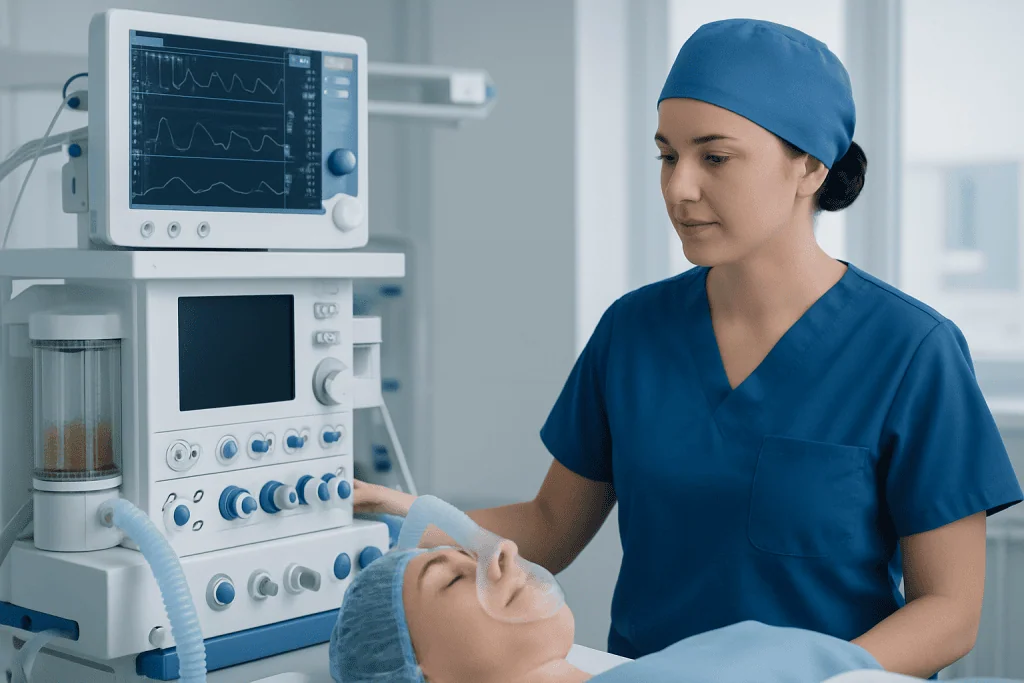
Nurse anesthetists complete extensive nursing and advanced clinical education before they are allowed to practice independently within their legal scope. Their preparation typically builds on registered nursing experience and includes graduate-level study in physiology, pharmacology, airway management, pain medicine, and hands-on anesthesia training. They are also trained to recognize and respond quickly to changes in breathing, circulation, and consciousness.
Patients sometimes wonder how a nurse anesthetist differs from an anesthesiologist. An anesthesiologist is a physician who specializes in anesthesia, perioperative medicine, and critical care. A nurse anesthetist is an advanced practice nurse with focused anesthesia training. Both are qualified anesthesia professionals, but their educational pathways are different. In many hospitals, they work together as part of a coordinated anesthesia team that matches the patient’s health needs with the right level of expertise.
What matters most to patients is that anesthesia care is individualized. A relatively healthy person having a short outpatient procedure may have a different care model from someone with complex heart, lung, or neurological disease. Team-based planning helps make anesthesia safer, especially for older adults, children, and people with multiple medical conditions.
Before a procedure: assessment and planning

One of the most important parts of a nurse anesthetist’s role happens before the procedure begins. During the pre-anesthesia assessment, the clinician reviews the patient’s medical history, prior reactions to anesthesia, allergies, medications, supplements, and lifestyle factors such as smoking or alcohol use. They also ask about conditions that may affect anesthesia, including sleep apnea, asthma, heart disease, diabetes, reflux, obesity, and difficult airways.
This assessment helps guide decisions about whether the patient may need general anesthesia, sedation, or a regional technique. It also helps identify steps that can reduce risk, such as fasting for a certain period, adjusting medicines that affect bleeding or blood sugar, or arranging extra monitoring during and after the procedure. For some patients, additional tests or specialist input may be needed before surgery.
Patients benefit from sharing complete and accurate information. It is especially important to mention blood thinners, insulin or other diabetes medicines, herbal products, pregnancy, loose teeth, implanted devices, and any history of nausea after anesthesia. People with conditions such as arrhythmia or severe breathing problems may need more detailed planning so the anesthesia team can choose the safest approach.
A good pre-procedure discussion also covers expectations. The nurse anesthetist may explain when the patient will stop eating and drinking, how pain will be controlled, what waking up may feel like, and whether temporary side effects such as sore throat, grogginess, chills, or nausea are possible. Clear communication can reduce anxiety and help patients feel prepared.
During anesthesia: monitoring, comfort, and safety
During the procedure, the nurse anesthetist closely observes the patient and adjusts care moment by moment. This includes monitoring breathing, oxygen levels, blood pressure, heart rhythm, temperature, and the depth of anesthesia or sedation. Even when the patient is asleep or unable to speak, the anesthesia professional is continuously assessing how the body is responding and whether medications or supportive measures need to be changed.
Airway and breathing support are central parts of anesthesia care. Depending on the procedure, the patient may breathe on their own, receive oxygen through a mask, or require advanced airway support. Nurse anesthetists are trained to manage these situations and to recognize signs of airway obstruction, low oxygen, changes in circulation, or medication-related reactions quickly.
Pain control is another major focus. In some operations, patients may benefit from a nerve block or other regional technique in addition to general anesthesia. This can help reduce pain after surgery and may lower the need for opioid medicines in recovery. When appropriate, patients having robotic surgery or other minimally invasive procedures may discuss anesthesia choices with the team in advance.
Safety also involves teamwork. The nurse anesthetist communicates with the surgeon, nursing staff, and recovery team throughout the procedure. This coordination supports smoother transitions before incision, during the operation, and as the patient wakes up and moves to postoperative care.
After the procedure: recovery and pain management
Anesthesia care continues after the procedure ends. In the recovery area, the nurse anesthetist or anesthesia team monitors how well the patient is waking up, breathing, and controlling pain. They also look for common short-term effects such as nausea, vomiting, dizziness, chills, sore throat, confusion, or changes in blood pressure. Most of these effects are temporary and can often be treated effectively.
The recovery plan depends on the procedure and the patient’s medical history. Some people are ready to go home the same day, while others need longer observation. Before discharge, patients are usually advised about eating, drinking, activity, medications, and warning signs to watch for. They may also be told not to drive, sign important documents, or make major decisions for a period of time after sedation or anesthesia.
Pain management is individualized. The goal is usually to keep pain at a manageable level while limiting side effects such as heavy sedation, constipation, or nausea. This may involve a combination of methods rather than a single medicine. For selected procedures, options such as regional anesthesia, local anesthetic techniques, and multimodal pain plans can be discussed in advance with the anesthesia team.
Benefits, risks, and questions patients can ask
For patients, the main benefit of care from a nurse anesthetist is expert, continuous attention to anesthesia safety and comfort. These clinicians are trained to assess risk, tailor medications, support breathing and circulation, and respond to unexpected changes. Their role is especially valuable in environments where close observation and quick decision-making are essential.
All anesthesia carries some degree of risk, but the level of risk varies depending on the patient’s age, general health, the procedure being done, and the type of anesthesia used. Possible issues may include temporary nausea, vomiting, sore throat, low blood pressure, medication reactions, or confusion after waking. More serious complications are less common but are more likely in people with significant underlying illness or complex surgery.
Patients often feel more confident when they know what to ask. Helpful questions include:
- Who will be providing anesthesia care during the procedure?
- What type of anesthesia or sedation is planned, and why?
- Do any current medicines need to be stopped or adjusted?
- When should eating and drinking stop before the procedure?
- How will pain and nausea be managed afterward?
- What should be expected during recovery at home?
If a procedure involves a condition such as sleep apnea, severe obesity, or difficult airway history, it is worth asking how these factors may affect anesthesia planning. For patients undergoing major operations, hospitals with access to advanced imaging, intensive care, and specialties such as cardiology care or neurology evaluation may be important parts of a broader perioperative plan.
When to seek medical care
Patients should seek medical advice before a planned procedure if they have new symptoms, worsening chronic illness, fever, chest pain, shortness of breath, or a recent hospital admission. These issues do not always mean the procedure must be delayed, but they should be reviewed promptly because they can change the safest anesthesia plan.
After anesthesia or sedation, urgent medical attention is needed if there is severe trouble breathing, chest pain, fainting, seizure, heavy bleeding, persistent confusion, signs of stroke, or an allergic reaction such as facial swelling or widespread rash. Patients should also contact a healthcare professional if vomiting is ongoing, pain is uncontrolled, fever develops, or they cannot keep fluids down.
It is also reasonable to ask for medical review if recovery feels much slower than expected, especially in older adults or people with multiple health conditions. Reassurance, medication adjustment, or a change in the recovery plan may be all that is needed. When questions arise, it is safest to contact the surgeon, anesthesia team, or local emergency services based on symptom severity.
Choosing a hospital and preparing well
Good anesthesia care depends on both individual expertise and the systems around it. Patients may wish to ask whether the hospital uses standardized safety checks, pre-anesthesia assessment protocols, recovery monitoring, and clear pathways for managing complications. These practical details often matter as much as the procedure itself, especially for people with complex medical histories.
Preparation can improve recovery. Following fasting instructions carefully, taking medicines exactly as advised, arranging transportation home, and sharing complete health information can all help reduce avoidable problems. Patients who smoke, have poorly controlled diabetes, or live with chronic lung or heart disease may benefit from optimization before surgery rather than rushing into a non-urgent procedure.
For international patients or those needing multidisciplinary evaluation, coordinated care can be helpful when surgery overlaps with other health concerns. Acibadem International’s multidisciplinary specialists and JCI-accredited hospitals diagnose and treat patients who need anesthesia-supported procedures, with preoperative assessment and postoperative follow-up tailored to individual needs.
Frequently asked questions
Is a nurse anesthetist qualified to give anesthesia?
Yes. A nurse anesthetist is an advanced practice nurse with specialized training in anesthesia care, patient monitoring, and emergency response. Their scope of practice depends on local laws, hospital policies, and the type of procedure being performed.
What is the difference between a nurse anesthetist and an anesthesiologist?
Both are trained anesthesia professionals, but they follow different educational pathways. An anesthesiologist is a physician, while a nurse anesthetist is an advanced practice nurse; in many settings they work together as part of the same anesthesia team.
Will a nurse anesthetist stay with the patient during surgery?
In most anesthesia settings, a qualified anesthesia professional continuously monitors the patient throughout the procedure. The nurse anesthetist’s role includes watching vital signs, adjusting medications, and responding quickly to changes in the patient’s condition.
What should patients tell the nurse anesthetist before a procedure?
Patients should share all medicines, supplements, allergies, prior reactions to anesthesia, and any major medical conditions. It is also important to mention sleep apnea, pregnancy, smoking, alcohol use, implanted devices, and recent illnesses such as fever or breathing symptoms.
Can a nurse anesthetist help with pain after surgery?
Yes. Pain management is a routine part of anesthesia care, both during and after a procedure. Depending on the situation, this may include regional anesthesia, local anesthetic techniques, and a combination of medicines to improve comfort and recovery.
Are there risks with anesthesia provided by a nurse anesthetist?
All anesthesia has potential risks, regardless of which qualified professional provides it. The overall risk depends more on the patient’s health, the procedure, and the anesthesia plan than on the professional title alone.
References
- American Association of Nurse Anesthesiology
- American Society of Anesthesiologists
- National Institute for Health and Care Excellence
- World Health Organization
- MedlinePlus
This article is for general information only and is not a substitute for professional medical advice. Please consult a qualified doctor about your individual situation.
Explore treatments in Turkey — costs, top hospitals & a free quote
JCI-accredited · board-certified surgeons · reply within 24h
Add us as a Preferred Source to see more of our trusted health content across Google Search, AI Overviews and Discover.
Check your numbers in seconds
BMI, calories, due date, blood pressure and 30+ more clinical calculators — free, instant, doctor-reviewed ranges.