Hypercapnia: A Complete Medical Overview
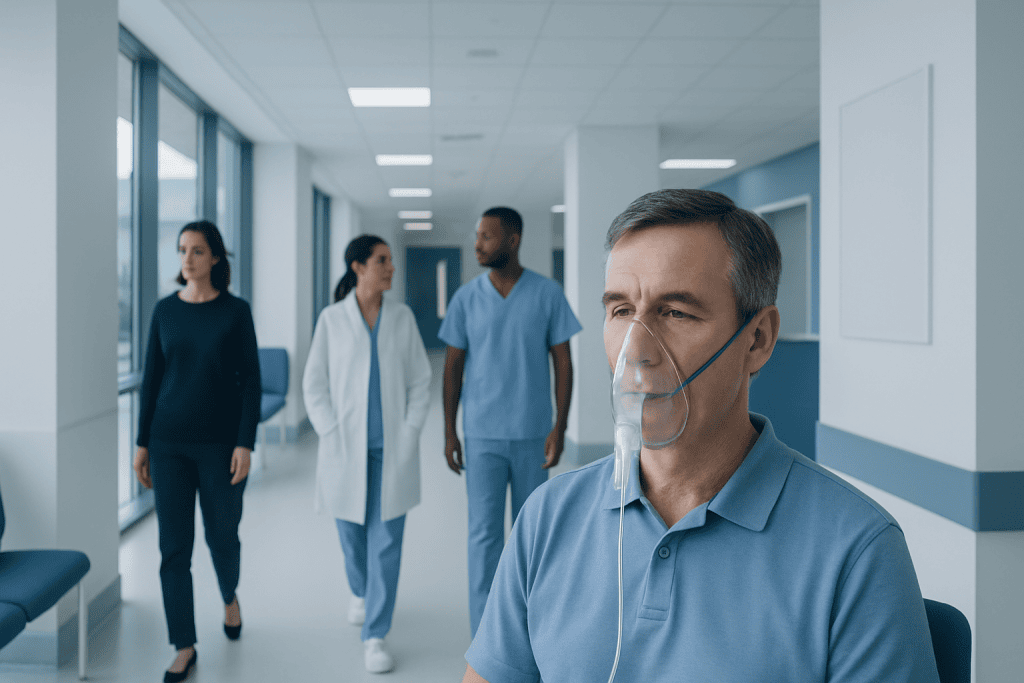
Hypercapnia is an elevated carbon dioxide level in the blood caused by reduced ventilation or impaired gas exchange. Symptoms may include headache, sleepiness, shortness of breath, confusion, and in severe cases drowsiness or loss of consciousness.
Key Takeaways
- Hypercapnia is an elevated carbon dioxide level in the blood caused by reduced ventilation or impaired gas exchange.
- Symptoms may include headache, sleepiness, shortness of breath, confusion, and in severe cases drowsiness or loss of consciousness.
- Common causes include COPD, obesity hypoventilation, sleep-disordered breathing, neuromuscular disorders, sedative medications, and severe lung disease.
- Diagnosis usually combines clinical assessment with tests such as arterial blood gas analysis, pulse oximetry, and chest or lung evaluation.
- Treatment may include oxygen used carefully, noninvasive ventilation, medication review, and treatment of the underlying condition.
Hypercapnia means there is too much carbon dioxide in the blood, most often because the lungs are not removing it effectively. It can develop gradually or happen suddenly, and treatment focuses on correcting the breathing problem and addressing the underlying cause.
What hypercapnia is
Hypercapnia is a medical term for an abnormally high level of carbon dioxide (CO2) in the blood. CO2 is a normal waste gas made by the body during metabolism and removed through breathing. When the lungs cannot clear enough CO2, it builds up in the bloodstream and can affect how the brain, heart, and muscles function.
This problem is not a disease by itself. Instead, it is usually a sign that breathing is too shallow, too slow, or too ineffective to meet the body’s needs. Hypercapnia can develop suddenly during an acute illness or over time in people with chronic lung, chest wall, or nerve and muscle conditions.
A mild rise in CO2 may cause vague symptoms such as fatigue or morning headaches. More significant elevations can lead to confusion, drowsiness, and serious breathing failure. Because symptoms can overlap with many other conditions, medical evaluation is important to confirm the diagnosis and identify the reason it is happening.
How carbon dioxide builds up in the body
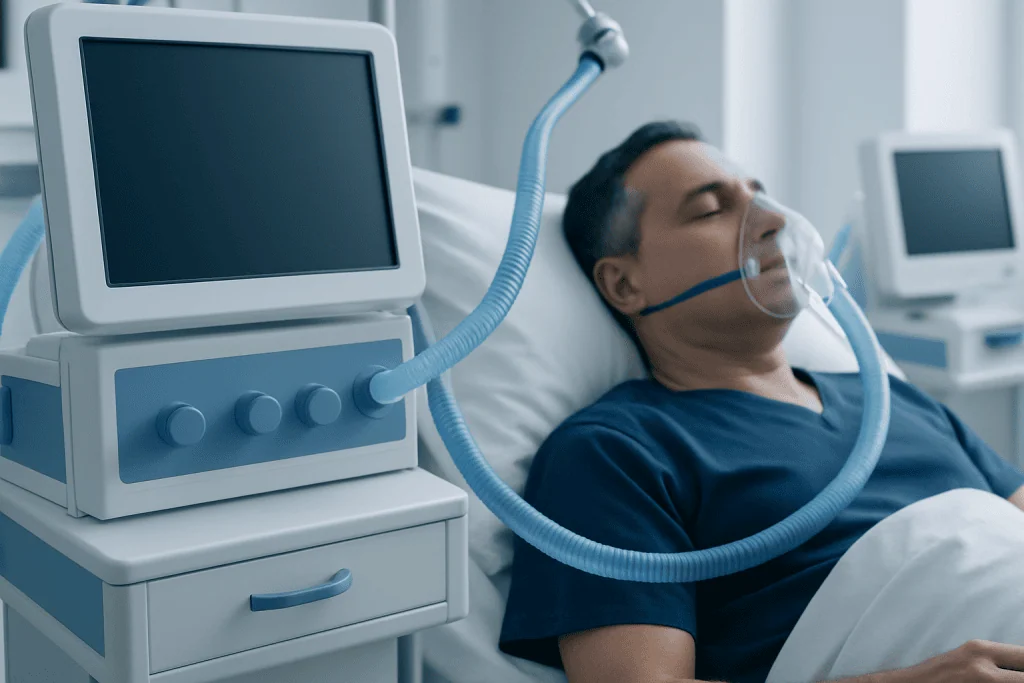
Breathing has two main jobs: bringing oxygen into the lungs and removing carbon dioxide. Hypercapnia happens when ventilation is not sufficient for the body’s CO2 production. This can occur if a person breathes too slowly, takes very shallow breaths, has narrowed airways, or has lung damage that reduces effective gas exchange.
The body often tries to compensate at first. A person may breathe faster, use more effort to breathe, or experience restless sleep. In long-standing cases, the kidneys can partly adjust the blood’s acid-base balance, which is why some people with chronic hypercapnia may have fewer obvious symptoms until the CO2 level rises further.
Doctors often distinguish between acute hypercapnia and chronic hypercapnia. Acute hypercapnia appears over hours or days and may cause more dramatic symptoms because the body has had little time to adapt. Chronic hypercapnia develops over weeks or longer and is commonly seen in some people with advanced COPD, obesity hypoventilation syndrome, or neuromuscular disorders.
Symptoms and possible complications

Symptoms of hypercapnia vary depending on how high the CO2 level is and how quickly it rises. Early or milder symptoms can include headache, difficulty concentrating, unusual tiredness, flushing, daytime sleepiness, poor sleep, and shortness of breath. Some people notice morning headaches because breathing may become less effective during sleep.
As CO2 rises further, symptoms can become more concerning. These may include confusion, irritability, tremor, palpitations, dizziness, worsening breathlessness, and a feeling of being unable to stay awake. Severe hypercapnia can lead to marked drowsiness, disorientation, panic, reduced responsiveness, or loss of consciousness.
High CO2 can also disturb the body’s acid-base balance, leading to respiratory acidosis. If not treated, this can strain vital organs and contribute to respiratory failure. Symptoms should never be interpreted in isolation, because many people with hypercapnia also have low oxygen levels, infection, or another acute illness that needs urgent care.
- Common symptoms: headache, fatigue, sleepiness, shortness of breath
- Neurologic symptoms: confusion, poor concentration, drowsiness
- Severe warning signs: bluish lips, inability to stay awake, severe distress, fainting
Common causes and who is at higher risk
Hypercapnia is usually caused by conditions that reduce effective breathing. Chronic obstructive pulmonary disease is a well-known cause, especially during flare-ups. Other lung-related causes include severe asthma, pneumonia, advanced emphysema, and conditions that damage the air sacs or make it harder to move air in and out of the lungs.
Not all causes begin in the lungs. Extra body weight can restrict chest movement and contribute to obesity hypoventilation syndrome, especially when combined with sleep apnea. Disorders that weaken the breathing muscles or the nerves controlling them, such as certain neuromuscular diseases, can also cause CO2 retention. Chest wall conditions that limit expansion may have a similar effect.
Medications and substances are another important risk factor. Opioids, sedatives, alcohol, and some sleep medications can suppress breathing, particularly in older adults or people with underlying lung disease. Hospital doctors may also evaluate for related respiratory problems such as sleep apnea when symptoms are worse at night or on waking.
- Lung disease: COPD, severe asthma, pneumonia, advanced chronic lung conditions
- Sleep-related breathing disorders: obstructive sleep apnea, obesity hypoventilation
- Neuromuscular and chest wall problems: muscle weakness, spinal or chest restriction
- Medication-related causes: opioids, sedatives, alcohol, anesthetic effects
How doctors diagnose hypercapnia
Diagnosis starts with a careful history and physical examination. Doctors ask about breathing symptoms, smoking history, sleep quality, snoring, medication use, recent infection, and any existing heart, lung, or neurologic conditions. They also assess breathing rate, oxygen level, mental status, and signs of increased work of breathing.
The key test for confirming hypercapnia is an arterial blood gas test, which measures carbon dioxide, oxygen, and blood acidity directly. Pulse oximetry can show oxygen saturation, but it cannot measure CO2 accurately on its own. Depending on the situation, clinicians may also use blood tests, chest imaging, lung function tests, and sleep studies to find the cause.
In acute or severe cases, rapid assessment is especially important because treatment decisions may depend on how high the CO2 level is and whether the blood has become too acidic. If chronic lung disease is suspected, a doctor may also evaluate whether the person would benefit from specialist respiratory care, pulmonary rehabilitation, or advanced support such as bronchoscopy when airway evaluation is needed for selected cases.
Treatment options and long-term management
Treatment for hypercapnia depends on the cause, severity, and whether it is acute or chronic. The first goal is to support breathing and improve ventilation. In hospital settings, this may include carefully managed oxygen, bronchodilator medicines when airways are narrowed, treatment of infection, and adjustment or reversal of sedating medications when appropriate.
Many people with acute hypercapnia improve with noninvasive ventilation, which uses a mask to support breathing and help remove CO2. This approach is commonly used in selected cases of COPD flare-ups and some sleep-related breathing disorders. If noninvasive support is not enough, some patients may need more intensive respiratory support. In broader respiratory evaluation, treatments for severe underlying lung disease may overlap with care pathways used for COPD treatment or for acute pneumonia treatment when infection is the trigger.
Long-term management focuses on preventing CO2 from building up again. This may involve optimizing inhaled medications, using nighttime ventilation support in suitable patients, managing body weight, treating sleep apnea, stopping smoking, and improving physical conditioning. Some people may be referred to respiratory specialists for a structured plan and follow-up testing to monitor progress.
Prevention, self-care, and when to seek medical care
Prevention centers on addressing the conditions that make breathing less effective. People with chronic lung disease can reduce risk by taking prescribed medicines correctly, avoiding smoking and secondhand smoke, keeping up with recommended vaccinations, and seeking early care for infections or worsening symptoms. For those with obesity hypoventilation or sleep-disordered breathing, consistent use of prescribed nighttime breathing support can be important.
Self-care also includes reviewing medications with a clinician, especially opioids, sedatives, or sleep aids that may slow breathing. Good sleep habits, physical activity suited to the person’s health, and careful follow-up for chronic conditions can all help reduce episodes of hypercapnia. People should not change prescription medicines on their own, but they should ask whether any drug could be affecting breathing.
Medical care should be sought promptly for worsening shortness of breath, increasing sleepiness, confusion, bluish lips, chest pain, or difficulty staying awake. Emergency help is needed if a person is hard to wake, becomes unresponsive, or appears to be struggling severely to breathe. For international patients who need multidisciplinary respiratory assessment, Acibadem International’s specialists in JCI-accredited hospitals diagnose and treat conditions associated with hypercapnia.
Frequently asked questions
Is hypercapnia the same as low oxygen?
No. Hypercapnia means high carbon dioxide in the blood, while hypoxemia means low oxygen in the blood. They can happen together, but one does not automatically mean the other.
Can hypercapnia be chronic?
Yes. Some people with long-standing lung disease, obesity hypoventilation syndrome, or neuromuscular conditions can develop chronic hypercapnia. In these cases, the body may partly adapt, so symptoms can be subtle until the condition worsens.
What does hypercapnia feel like?
It may feel like unusual tiredness, morning headaches, shortness of breath, poor concentration, or sleepiness. If the carbon dioxide level rises more, a person may become confused, dizzy, or very drowsy.
Can sleep apnea cause hypercapnia?
Yes, especially when sleep apnea occurs with obesity hypoventilation syndrome or other breathing problems. Repeated breathing interruptions during sleep can reduce effective ventilation and contribute to carbon dioxide buildup.
How is hypercapnia confirmed?
It is usually confirmed with an arterial blood gas test, which directly measures carbon dioxide and blood acidity. Doctors may also use pulse oximetry, chest imaging, lung function tests, and sleep studies to understand the cause.
Is hypercapnia treatable?
Yes, in many cases it is treatable and manageable. The best treatment depends on why it is happening and may include breathing support, treatment of infection or lung disease, medication review, and management of sleep-related breathing disorders.
References
- World Health Organization
- American Thoracic Society
- National Heart, Lung, and Blood Institute
- National Institute for Health and Care Excellence
- Merck Manual Professional Edition
This article is for general information only and is not a substitute for professional medical advice. Please consult a qualified doctor about your individual situation.
Medical weight-loss options in Turkey — costs & eligibility
JCI-accredited · board-certified surgeons · reply within 24h
Add us as a Preferred Source to see more of our trusted health content across Google Search, AI Overviews and Discover.

More from the Health Library



Related Specialists

Prof. Dr. Mehmet Veli Karaaltın
Aesthetic Plastic & Reconstructive Surgery
Prof. Dr. Ender Arıkan
Endocrinology
Dr. Cennet Nalan Soyder
Neurology
Prof. Dr. Gökhan Pekel
Ophthalmology