Prothrombin Time: An Evidence-Based Guide for Patients

Prothrombin time, often reported with INR, helps show how well the blood-clotting system is working. The test is most often used to monitor warfarin and to investigate unusual bleeding, bruising, or possible liver disease.
Key Takeaways
- Prothrombin time, often reported with INR, helps show how well the blood-clotting system is working.
- The test is most often used to monitor warfarin and to investigate unusual bleeding, bruising, or possible liver disease.
- Results can be affected by medicines, diet, liver function, vitamin K levels, and some medical conditions.
- A high or low result does not give a diagnosis on its own; it needs to be interpreted in the context of symptoms and other tests.
- Patients should seek medical advice promptly for significant bleeding, black stools, severe headache, chest pain, or signs of stroke.
Prothrombin time is a blood test that measures how long it takes blood to clot. It is commonly used to monitor warfarin treatment, assess bleeding or clotting concerns, and help doctors evaluate liver function and vitamin K-related clotting problems.
What prothrombin time is and why it matters
Prothrombin time is a blood test that measures how many seconds it takes for blood to form a clot under controlled laboratory conditions. It looks at part of the body’s clotting pathway, especially proteins made by the liver that help stop bleeding after an injury. In many cases, the result is also reported as an INR, or international normalized ratio, which helps standardize results between laboratories.
For patients, the test is important because it helps answer a practical question: is the blood clotting too slowly, too quickly, or in the expected range for the situation? Doctors often order prothrombin time when someone is taking warfarin, has unusual bruising or bleeding, may have liver disease, or needs a broader assessment before certain procedures.
Prothrombin time is not a diagnosis by itself. Instead, it is one piece of a larger clinical picture that may include symptoms, medications, diet, medical history, liver tests, and other blood tests. Understanding that context can make the result less confusing and more useful for patients.
How the test is used in everyday care
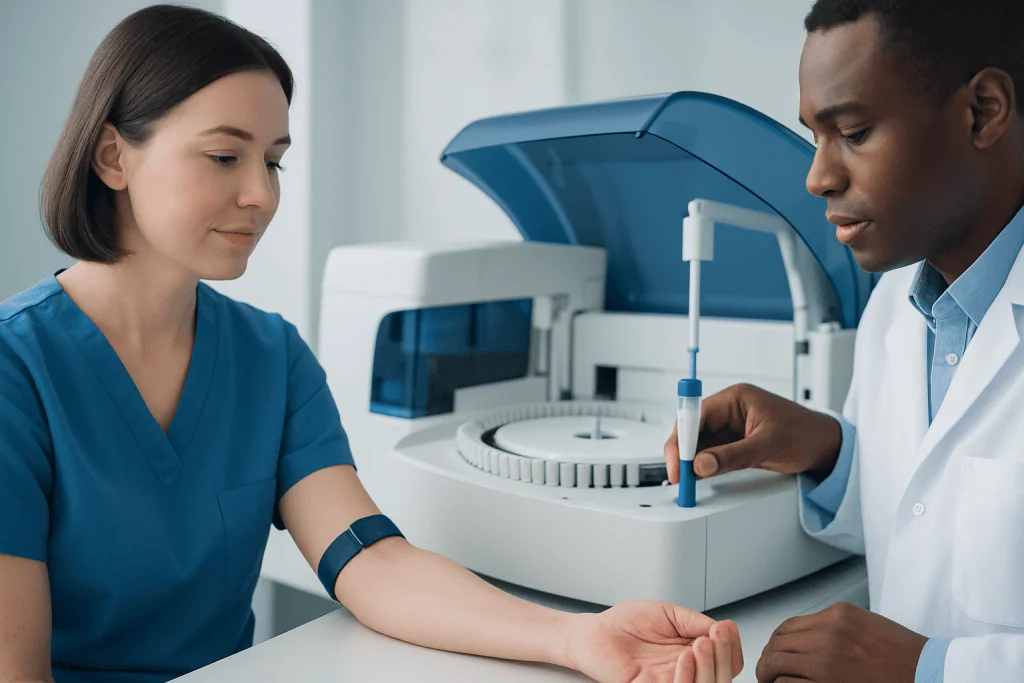
One of the most common uses of prothrombin time is monitoring warfarin, a medicine that reduces the blood’s ability to clot. Because warfarin can both prevent dangerous clots and increase bleeding risk, regular INR checks help doctors adjust treatment safely. The target INR is not the same for every patient and depends on the reason warfarin was prescribed.
Doctors may also order prothrombin time when they need to investigate symptoms such as frequent nosebleeds, heavy menstrual bleeding, easy bruising, bleeding gums, or prolonged bleeding after a cut. It can also help assess how well the liver is making clotting factors, since several of these proteins are produced in the liver.
In some situations, the test is part of pre-procedure planning, especially when there is concern about bleeding risk. It may also be used alongside other tests when evaluating suspected deep vein thrombosis or another clotting problem, although prothrombin time alone does not diagnose a blood clot.
- Monitoring warfarin treatment
- Investigating unusual bleeding or bruising
- Assessing liver-related clotting problems
- Checking clotting status before selected procedures
- Supporting evaluation of vitamin K deficiency or other coagulation disorders
What happens during the test and how to prepare

Prothrombin time is a simple blood test. A healthcare professional takes a small blood sample, usually from a vein in the arm, and the sample is sent to a laboratory. The test itself is quick, and most people can return to normal activities right away.
In many cases, no special preparation is needed. However, patients should tell their doctor about all prescription medicines, over-the-counter medicines, supplements, and herbal products they use. This matters because many substances can affect clotting and change the result, including warfarin, some antibiotics, pain relievers, and supplements that influence bleeding.
It is also helpful to mention any recent illness, vomiting, diarrhea, poor nutrition, or major diet changes. Foods rich in vitamin K do not usually need to be avoided unless a doctor gives specific instructions, but sudden changes in vitamin K intake can influence INR in people taking warfarin. Patients should follow the testing plan their clinician recommends rather than adjusting diet or medicines on their own.
Understanding prothrombin time and INR results
A prothrombin time result is often reported in seconds, while INR provides a standardized value that is especially useful for people taking warfarin. A result that is higher than expected usually means blood is taking longer to clot. A lower-than-expected result can mean blood is clotting more quickly than anticipated, though interpretation depends on the reason the test was ordered.
There is no single result that is “normal” for every person in every situation. Laboratories may use different reference ranges, and patients taking anticoagulants often have a target range that is intentionally different from someone not using these medicines. That is why results should be reviewed by the clinician who knows the patient’s medical history and treatment goals.
When a result falls outside the expected range, doctors may repeat the test or order other studies. These can include a complete blood count, liver function tests, activated partial thromboplastin time, fibrinogen testing, or imaging when a clot is suspected. In some cases, care may involve specialists in hematology evaluation and treatment to investigate complex bleeding or clotting disorders.
What can affect the result
Prothrombin time can be influenced by many factors, which is why one isolated result may not tell the full story. Medicines are a major reason for changes. Warfarin is the most familiar example, but other drugs can also raise bleeding risk or alter INR, including some antibiotics, antifungal medicines, anti-inflammatory drugs, and certain heart medicines.
Liver disease can prolong prothrombin time because the liver makes several clotting factors. Vitamin K deficiency may also affect the result, since vitamin K is needed for normal clotting factor production. Poor nutrition, absorption problems in the digestive tract, and prolonged illness can contribute. Some inherited clotting disorders, severe infection, and major blood loss may also play a role.
Even lifestyle changes can matter, especially for patients on warfarin. Sudden changes in diet, alcohol intake, or supplement use may alter INR. Rather than trying to interpret these changes alone, patients should share them with their clinician so that results can be viewed safely and accurately. If liver disease is being considered, doctors may also recommend gastroenterology assessment and care as part of the broader evaluation.
Treatment and next steps after an abnormal result
An abnormal prothrombin time does not have one single treatment because the next step depends on the cause. If the issue is related to warfarin, the doctor may adjust the dose, repeat the test, or review recent diet and medication changes. Patients should not change or stop anticoagulant treatment unless a qualified clinician tells them to do so.
If the result suggests a possible vitamin K problem, liver condition, or another disorder, treatment focuses on the underlying cause. This may involve more blood tests, review of medicines, nutritional support, or further assessment for bleeding or clotting disease. Some people need follow-up with internal medicine, hematology, or liver specialists to clarify the reason for the abnormal result.
When there are symptoms of active clotting or bleeding, care becomes more urgent. Depending on the situation, doctors may investigate conditions such as pulmonary embolism or other serious causes of sudden symptoms. Near the end of the care pathway, some international patients may seek evaluation at centers such as Acibadem International, where multidisciplinary specialists in JCI-accredited hospitals diagnose and treat coagulation, cardiovascular, and liver-related conditions.
Prevention, self-care, and living with regular PT/INR monitoring
For patients who need ongoing monitoring, consistency is often more important than perfection. Taking medicines exactly as prescribed, attending scheduled blood tests, and informing clinicians about new medicines or supplements can help keep results stable. This is especially true for people on warfarin, where even small changes can sometimes affect INR.
It also helps to maintain steady eating habits rather than making sudden major changes. People taking warfarin do not always need to avoid vitamin K-rich foods, but they should aim for a consistent pattern and discuss diet plans with their care team. Alcohol should be used cautiously, and any episodes of vomiting, diarrhea, fever, or poor intake should be reported if they might affect medication control.
Patients should know the signs of possible bleeding or clotting complications and keep a current list of their medicines. Wearing medical identification may be useful for some people taking anticoagulants. If longer-term prevention of clotting problems is needed, a doctor may also discuss options such as cardiology evaluation and follow-up or individualized anticoagulation management.
When to seek medical care
Patients should contact a doctor promptly if they notice unusual bruising, frequent nosebleeds, bleeding gums, heavier-than-usual menstrual bleeding, blood in urine, or black or bloody stools. They should also ask for medical advice if a routine prothrombin time or INR result is outside the target range given by their clinician, especially when taking warfarin.
Emergency care is needed for severe bleeding, vomiting blood, sudden severe headache, fainting, weakness on one side, trouble speaking, chest pain, or sudden shortness of breath. These symptoms can point to serious bleeding or a dangerous clot and should not be ignored.
It is also sensible to seek review before surgery, dental work, or a new prescription if a patient is on anticoagulants. Early communication helps reduce the risk of preventable bleeding or clotting problems and allows safe planning with the healthcare team.
Frequently asked questions
What is the difference between prothrombin time and INR?
Prothrombin time is the measured number of seconds it takes blood to clot in the laboratory. INR is a standardized way of expressing that result so it can be compared more reliably across laboratories, especially for people taking warfarin.
Does a high prothrombin time always mean something serious?
Not always. A high result can happen for several reasons, including warfarin treatment, vitamin K deficiency, liver problems, or interactions with medicines and supplements. The result needs to be interpreted together with symptoms, medical history, and sometimes repeat testing.
Do patients need to fast before a prothrombin time test?
Most people do not need to fast before this test. However, they should follow any specific instructions from their doctor or laboratory and mention all medicines, vitamins, and herbal products they use.
Can diet affect prothrombin time or INR?
Yes, especially in people taking warfarin. Sudden changes in foods rich in vitamin K, major diet changes, poor nutrition, or alcohol use can influence INR. A consistent diet is usually more helpful than avoiding specific foods completely.
Why would someone have this test if they are not on warfarin?
Doctors may order it to investigate unexplained bleeding or bruising, assess liver function, or evaluate part of the clotting system before certain procedures. It can also help identify whether more testing is needed for a possible bleeding disorder.
Can prothrombin time diagnose a blood clot?
No. Prothrombin time does not diagnose a clot such as deep vein thrombosis or pulmonary embolism on its own. If a clot is suspected, doctors use symptoms, examination, and often imaging tests along with blood work.
This article is for general information only and is not a substitute for professional medical advice. Please consult a qualified doctor about your individual situation.
Explore treatments in Turkey — costs, top hospitals & a free quote
JCI-accredited · board-certified surgeons · reply within 24h
Add us as a Preferred Source to see more of our trusted health content across Google Search, AI Overviews and Discover.

More from the Health Library

Emgality: What Patients Need to Know

Nicotine Lozenges: A Complete Medical Overview

Anti Inflammatory Breakfast: A Complete Medical Overview

Microdermabrasion: What Patients Need to Know

Dislocated Toe: Symptoms, Treatment, and Recovery