Glasgow Coma Scale: Diagnosis, Outlook, and Modern Treatment Approaches

The Glasgow Coma Scale measures eye opening, verbal response, and motor response. A GCS score helps clinicians assess consciousness quickly and monitor changes over time.
Key Takeaways
- The Glasgow Coma Scale measures eye opening, verbal response, and motor response.
- A GCS score helps clinicians assess consciousness quickly and monitor changes over time.
- Lower scores suggest more severe impairment, but the score must be interpreted in context.
- The Glasgow Coma Scale supports diagnosis and treatment decisions in head injury, stroke, infection, and other emergencies.
- Modern care focuses on the underlying cause, brain protection, imaging, monitoring, and rehabilitation when needed.
The Glasgow Coma Scale is a standard bedside tool doctors use to assess a person's level of consciousness after head injury or serious illness. It helps guide urgent decisions, track changes over time, and support diagnosis and treatment planning, but it does not replace a full medical evaluation.
Overview: what the Glasgow Coma Scale means
The glasgow coma scale is a structured clinical method used to measure a person’s level of consciousness. It was designed to give healthcare teams a clear, repeatable way to describe how awake and responsive someone is, especially after head trauma or other conditions affecting the brain. Rather than being a diagnosis itself, it is a communication tool that helps guide urgent care and monitor whether a patient is improving, staying stable, or worsening.
The scale looks at three areas: eye opening, verbal response, and motor response. Each area receives a score, and the numbers are added together to create a total score. This total can help the medical team estimate the severity of impaired consciousness, but it is only one part of the overall picture.
Today, the Glasgow Coma Scale is used in emergency departments, ambulances, intensive care units, and hospital wards around the world. It remains important because it is simple, fast, and useful in many situations, including stroke, severe infection, seizures, poisoning, and traumatic brain injury.
How the GCS score is calculated
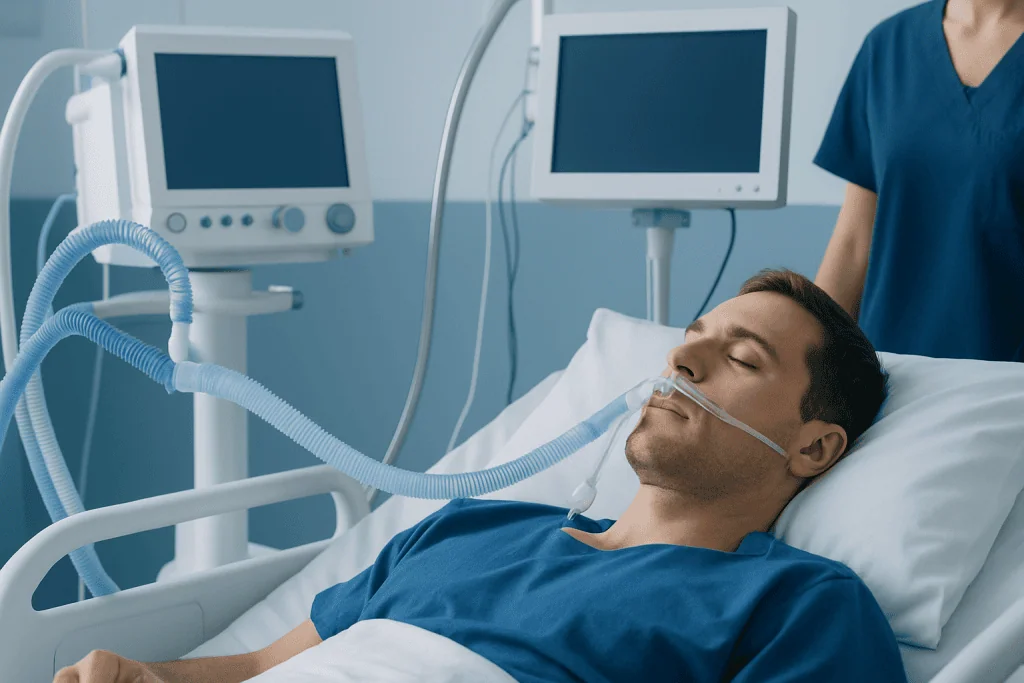
The Glasgow Coma Scale has three components. Eye opening is scored from 1 to 4, verbal response from 1 to 5, and motor response from 1 to 6. The three numbers are recorded separately and then added together, giving a total score between 3 and 15.
A higher score generally means better responsiveness. For example, a person who opens their eyes spontaneously, speaks clearly, and follows commands will have a higher score than someone who does not open their eyes, makes no understandable sounds, or does not move purposefully. Many clinicians prefer to document the separate component scores as well as the total, because this gives a more precise description of what the patient can and cannot do.
In practice, the score must be interpreted carefully. Intubation, sedation, alcohol or drug effects, hearing loss, facial injury, language barriers, and pre-existing neurological conditions can all affect the result. For that reason, the Glasgow Coma Scale is most helpful when used alongside examination findings, imaging, vital signs, and the patient’s medical history.
- Eye opening: spontaneous, to speech, to pain, or none
- Verbal response: oriented, confused, inappropriate words, incomprehensible sounds, or none
- Motor response: obeys commands, localizes pain, withdraws, abnormal flexion, abnormal extension, or none
When and why doctors use the Glasgow Coma Scale
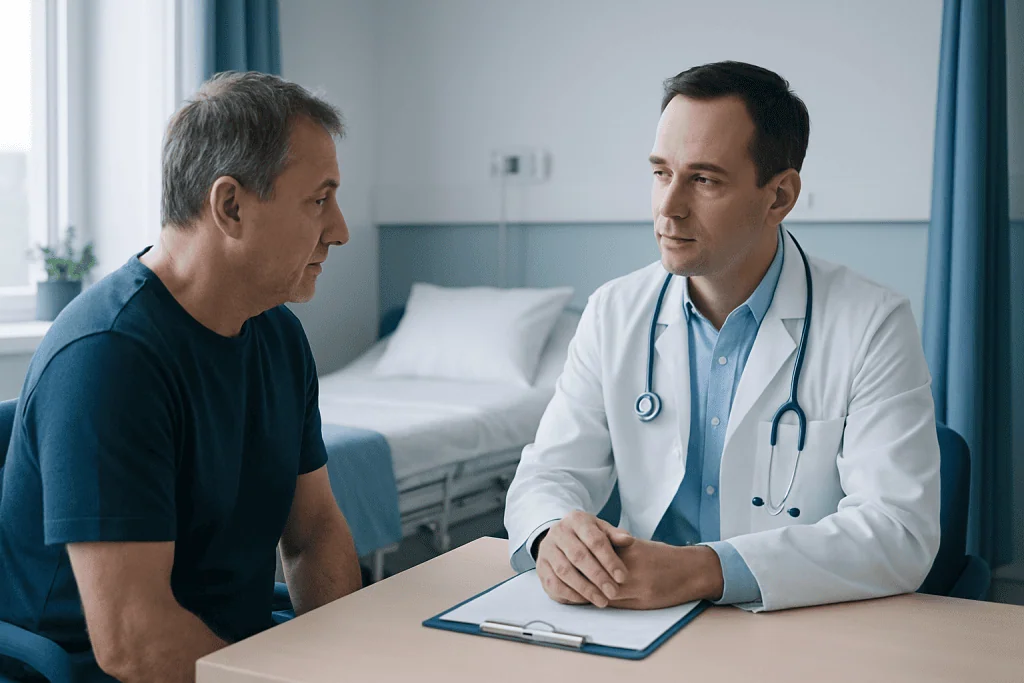
Doctors use the Glasgow Coma Scale whenever there is concern about reduced consciousness or possible brain dysfunction. A sudden drop in alertness can happen after a blow to the head, a fall, a road traffic injury, stroke, bleeding in or around the brain, meningitis, metabolic problems, or lack of oxygen. The scale helps the team quickly describe the patient’s neurological state and decide how urgent the situation may be.
One of the main strengths of the GCS score is that it can be repeated over time. A single score gives useful information, but a trend is often even more important. If a patient’s score falls, this may signal rising pressure in the brain, worsening bleeding, ongoing seizures, or another serious change that requires immediate treatment. If the score improves, it may suggest recovery after treatment or stabilization.
The scale is also used to support decisions about observation, imaging, and specialist involvement. For example, a patient with a concerning head injury may need close neurological monitoring, prompt MRI or CT imaging, and review by a neurologist or neurosurgeon. In this way, the Glasgow Coma Scale helps organize care, but the underlying cause always remains the main focus.
What can lower consciousness and affect the score
A low Glasgow Coma Scale score does not point to just one disease. It simply shows that the brain is not responding normally at that moment. Common causes include traumatic brain injury, stroke, brain infections, seizures, low blood sugar, severe electrolyte imbalance, liver or kidney failure, poisoning, overdose, and reduced oxygen supply. Some people develop reduced consciousness because of a combination of factors rather than a single problem.
There are also circumstances in which the score may appear lower without reflecting the true level of brain function. Sedative medicines, anesthesia, alcohol intoxication, or a breathing tube can affect speech and responsiveness. Eye swelling, facial trauma, deafness, or paralysis may make parts of the assessment difficult or impossible to interpret. For children, especially infants, modified pediatric approaches may be used because normal speech and interaction differ by age.
This is why clinicians never rely on the Glasgow Coma Scale in isolation. They combine it with a neurological examination, blood tests, brain imaging, and sometimes electroencephalography or intracranial monitoring. If structural brain injury is suspected, investigation for conditions such as brain tumor or bleeding may also be part of the broader diagnostic pathway, depending on the clinical setting.
Diagnosis and evaluation beyond the scale
Once the Glasgow Coma Scale suggests an altered level of consciousness, the next step is to identify the cause quickly and safely. Doctors begin with airway, breathing, and circulation, then perform a focused neurological exam. They check pupil size and reaction, limb strength, reflexes, blood pressure, oxygen levels, temperature, and signs of trauma or infection. Family members or witnesses may provide important information about what happened and when symptoms began.
Brain imaging is often essential. CT scans are commonly used in emergencies because they are fast and effective at showing bleeding, fractures, and swelling. MRI may offer more detailed images in selected cases, especially when doctors need more information about brain tissue, stroke patterns, inflammation, or subtle injury. Blood tests can reveal infection, low glucose, organ dysfunction, toxins, or metabolic disturbances that may be contributing to the change in consciousness.
Specialist evaluation may also be needed. Depending on the cause, this can involve emergency medicine, neurology, neurosurgery, intensive care, infectious disease, or rehabilitation teams. In complex cases, advanced monitoring and repeated neurological checks are important because the patient’s condition can evolve over hours or days.
Modern treatment approaches and outlook
Treatment is directed at the reason the Glasgow Coma Scale score is low, not at the score itself. Emergency care may include oxygen, airway support, intravenous fluids, blood sugar correction, seizure control, infection treatment, or measures to reduce pressure inside the skull. If there is bleeding, swelling, or a mass effect in the brain, patients may require close intensive care monitoring and, in some cases, neurosurgery.
For trauma, stroke, and other acute neurological problems, timing matters. Early diagnosis and rapid treatment can reduce further brain injury and improve recovery potential. Management may involve specialists in neurology, critical care, and rehabilitation. The best plan depends on the patient’s age, the cause of impaired consciousness, associated injuries or illnesses, and how the score changes over time.
Outlook varies widely. Some people recover quickly once a reversible cause such as low blood sugar, medication effects, or a seizure is treated. Others need longer hospital care and may have ongoing difficulties with speech, memory, movement, or behavior after severe brain injury. In selected cases, structured rehabilitation, physical therapy, occupational therapy, and speech therapy can play an important role in recovery and adaptation.
Near the end of the care pathway, some international patients may seek multidisciplinary evaluation. Acibadem International’s JCI-accredited hospitals and specialist teams assess and treat neurological conditions, including acute brain disorders and recovery needs, with coordinated diagnostic and treatment planning.
Prevention, monitoring, and self-care after a brain event
The Glasgow Coma Scale itself cannot be prevented, but many of the conditions that lead to an altered score can be reduced through practical safety and health measures. Wearing seat belts, using helmets during high-risk activities, preventing falls, controlling blood pressure, taking medicines as prescribed, and managing chronic illnesses all help reduce the risk of serious brain events.
After a head injury or neurological illness, careful observation matters. Family members may be asked to watch for increasing sleepiness, confusion, repeated vomiting, severe headache, weakness, seizures, or changes in behavior. Follow-up appointments are important because some problems become more noticeable after the initial emergency has passed, especially concentration, mood, balance, and memory difficulties.
Recovery often includes gradual return to activity, rest, hydration, and avoiding alcohol or sedating drugs unless a doctor advises otherwise. People should follow medical guidance closely, especially after concussion, stroke, or brain surgery. If symptoms worsen or new neurological symptoms appear, prompt reassessment is needed.
When to seek medical care
Immediate medical care is needed if a person is difficult to wake, becomes confused, has slurred speech, loses consciousness, has a seizure, develops weakness on one side, or shows signs of a serious head injury. Emergency assessment is also important after a significant fall, road traffic accident, or blow to the head, even if symptoms seem mild at first and then worsen.
Urgent medical attention is also recommended for persistent vomiting, severe headache, unusual drowsiness, breathing difficulty, bluish lips, fever with confusion, or sudden behavior change. These signs can reflect a brain emergency or another serious condition affecting the body and brain.
Even when symptoms improve, follow-up with a qualified doctor is sensible after any episode of reduced consciousness. A professional assessment can help identify the cause, decide whether more testing is needed, and provide guidance on safe recovery and warning signs to watch for.
Frequently asked questions
What is the Glasgow Coma Scale used for?
The Glasgow Coma Scale is used to measure a person’s level of consciousness in a standardized way. Doctors commonly use it after head injury, stroke, seizure, infection, or other emergencies that affect brain function.
What is a normal GCS score?
A total score of 15 is generally considered fully alert within the scale’s framework. However, a normal score does not rule out every brain problem, so symptoms and the full clinical assessment still matter.
Does a low GCS score always mean coma?
No. A low score means reduced responsiveness, but not everyone with a low score is in a true coma. Doctors look at the full examination, the cause of the problem, and whether the score is changing over time.
Can medications affect the Glasgow Coma Scale?
Yes. Sedatives, anesthesia, pain medicines, alcohol, and some drugs can reduce responsiveness and make the score appear lower. This is one reason clinicians interpret the score in the context of the whole situation.
How often is the Glasgow Coma Scale checked?
It depends on the patient’s condition. In emergencies or intensive care, it may be checked repeatedly over short intervals to detect any change quickly; in more stable situations, assessments may be less frequent.
Is the Glasgow Coma Scale enough to diagnose brain injury?
No. It is an important bedside tool, but it does not identify the exact cause of reduced consciousness. Imaging, blood tests, neurological examination, and sometimes specialist monitoring are usually needed.
Can someone recover after a very low GCS score?
Recovery is possible, but it depends on the cause, the speed of treatment, the extent of brain injury, and the person’s overall health. Some causes are reversible, while others may lead to longer-term neurological effects and rehabilitation needs.
References
- World Health Organization
- Centers for Disease Control and Prevention
- National Institute of Neurological Disorders and Stroke
- National Health Service
- Brain Trauma Foundation
This article is for general information only and is not a substitute for professional medical advice. Please consult a qualified doctor about your individual situation.
Explore treatments in Turkey — costs, top hospitals & a free quote
JCI-accredited · board-certified surgeons · reply within 24h
Add us as a Preferred Source to see more of our trusted health content across Google Search, AI Overviews and Discover.