Pacemaker: What Patients Need to Know

A pacemaker helps regulate slow or irregular heart rhythms by sending electrical signals to the heart. It is commonly used for bradycardia, some heart block conditions, and selected rhythm-related symptoms.
Key Takeaways
- A pacemaker helps regulate slow or irregular heart rhythms by sending electrical signals to the heart.
- It is commonly used for bradycardia, some heart block conditions, and selected rhythm-related symptoms.
- Implantation is usually a planned procedure performed with imaging and heart monitoring guidance.
- Most people return to normal routines after recovery, with some temporary activity restrictions.
- Regular follow-up is important to check battery life, lead function, and device settings.
A pacemaker is a small device placed under the skin to help the heart beat at a safe, steady rate when the body’s natural electrical system is too slow or unreliable. For many patients, it improves symptoms such as dizziness, fainting, or fatigue and supports everyday activity with careful follow-up.
What a pacemaker does
A pacemaker is a small medical device that helps the heart maintain a safe rhythm when its natural electrical system does not work properly. It usually sits under the skin near the collarbone and connects to the heart through one or more thin wires called leads. The device monitors the heartbeat and sends gentle electrical impulses only when needed.
Patients often hear about pacemakers when a doctor finds that the heart is beating too slowly, pauses too long, or has difficulty moving electrical signals from the upper to the lower chambers. In these situations, the device does not “shock” the heart like a defibrillator. Instead, it quietly supports the heart’s timing so blood can circulate more effectively.
Modern pacemakers are small, programmable, and designed to match a person’s needs. Some work in one chamber of the heart, while others coordinate two or more chambers. A cardiology team chooses the type based on symptoms, test results, and the exact rhythm problem involved.
Who may need a pacemaker
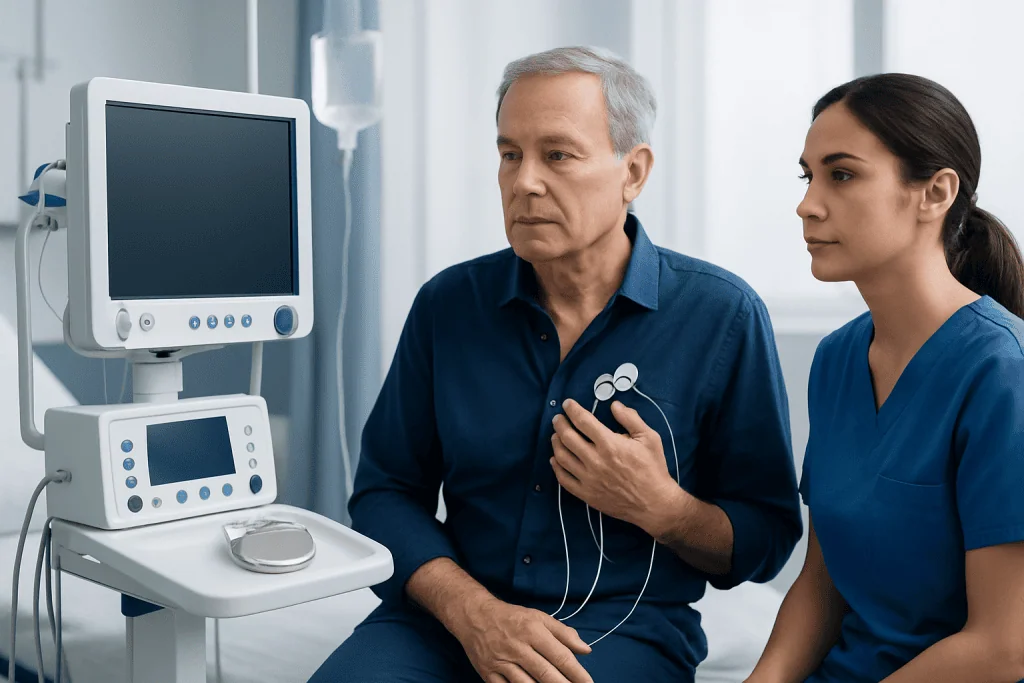
A pacemaker may be recommended when an abnormal rhythm causes symptoms or creates a risk of poor circulation. The most common reason is bradycardia, which means the heart rate is slower than normal and not meeting the body’s needs. Some people feel tired, lightheaded, short of breath, or faint because the brain and muscles are not receiving enough blood flow.
Another common reason is heart block, where electrical signals do not travel normally through the heart. This can happen because of aging-related changes, prior heart surgery, certain heart diseases, or sometimes medications. In some patients, a pacemaker is also used after procedures that affect the heart’s electrical pathways.
Doctors look at both symptoms and test findings before recommending treatment. Not every slow pulse needs a pacemaker. If the slow rhythm occurs only during sleep, is caused by a reversible problem, or does not produce symptoms, the care plan may focus first on the underlying cause. Related rhythm problems may overlap with broader arrhythmia evaluation and management.
- Persistent dizziness or fainting related to a slow rhythm
- Documented pauses in the heartbeat
- Heart block seen on electrocardiogram testing
- Fatigue or exercise intolerance caused by poor heart rate response
Symptoms and warning signs

The symptoms that lead to pacemaker evaluation can be subtle at first. Some patients notice unusual tiredness, poor stamina, or feeling mentally foggy. Others may experience clear warning signs such as dizziness, near-fainting, fainting, or a sense that the heart is beating too slowly.
Shortness of breath during normal activities, chest discomfort, or reduced exercise tolerance may also occur, especially when the heart cannot speed up appropriately with activity. In older adults, these symptoms are sometimes mistaken for general aging, but they can reflect a treatable electrical problem in the heart.
Symptoms do not always match the severity of the rhythm issue, which is why medical assessment matters. A person may have significant conduction problems with only mild symptoms, while someone else may feel very unwell from intermittent pauses. If symptoms happen suddenly or are associated with collapse, urgent assessment is important.
How doctors diagnose the need for a pacemaker
Diagnosis begins with a detailed history, medication review, and physical examination. Doctors ask when symptoms occur, whether they happen during exercise or rest, and whether there is a history of fainting, heart disease, or prior procedures. Some medicines can slow the heart, so identifying reversible causes is an important first step.
An electrocardiogram is a key test because it shows the heart’s electrical pattern at that moment. If symptoms come and go, the doctor may recommend longer monitoring with a Holter monitor or event recorder to capture episodes over time. Blood tests may also be used to look for causes such as thyroid problems or electrolyte imbalance.
Imaging and functional tests may be added depending on the clinical picture. An echocardiogram helps assess heart structure and pumping function, which can influence the choice of device. In selected patients, broader cardiology care may include evaluation for related structural or rhythm disorders before a final treatment plan is made.
Pacemaker implantation and what to expect
Pacemaker implantation is usually a planned hospital procedure performed by a cardiologist or electrophysiology specialist. The patient typically receives local anesthesia to numb the area and medication to help with comfort and relaxation. Through a small incision near the collarbone, the doctor guides the leads into the heart using imaging and then connects them to the pacemaker generator.
Once the leads are in position, the team tests the system to make sure it senses and paces properly. The device is then placed under the skin, and the incision is closed. Most patients stay for monitoring after the procedure, though the exact length of stay depends on the person’s health, the type of device, and how the recovery is going.
It is normal to have some soreness, bruising, or mild swelling near the incision for a short time. Patients are usually advised to avoid heavy lifting and large overhead arm movements on the implant side until the leads have settled. For some rhythm conditions, doctors may also discuss other procedures such as electrophysiology and ablation if pacing is only one part of the overall treatment plan.
Life with a pacemaker: recovery, follow-up, and daily living
Most people can return to many normal activities after recovery, including walking, travel, and moderate exercise as advised by their doctor. The device is programmed to fit the patient’s needs, and follow-up visits are important to check battery status, lead function, and whether the settings are still appropriate. Many devices can also be monitored remotely.
Living with a pacemaker usually involves practical precautions rather than major lifestyle limitations. Patients should carry their device identification card and inform healthcare professionals before medical procedures. Strong electromagnetic fields can sometimes interfere with a pacemaker, so the care team explains how to use household electronics safely and what types of industrial or medical equipment may need special consideration.
Battery life varies by device type and how often pacing is needed, but pacemakers generally last for years before the generator needs replacement. Replacing the generator is usually simpler than the first implantation because the leads may remain in place if they are working well. If the patient also has underlying heart failure or another heart condition, follow-up may involve multiple specialists.
Near the end of the care journey, some patients seek coordinated international support. Acibadem International’s multidisciplinary specialists in JCI-accredited hospitals diagnose and treat heart rhythm disorders, including pacemaker-related care, for international patients.
Risks, possible complications, and alternatives
Pacemaker implantation is a well-established procedure, but like any intervention it carries some risks. These may include bleeding, infection, bruising, lead movement, damage to a blood vessel, or a small risk of lung injury near the implant area. Device-related problems can also occur later, such as lead malfunction or battery depletion, which is why routine follow-up is essential.
Not every patient with a slow pulse needs an implanted device right away. If a medication is causing the slow rhythm, adjusting that treatment may help. If a temporary condition such as infection, thyroid disease, or electrolyte disturbance is responsible, treating the cause may restore normal rhythm.
In selected cases, the best option may be a different type of device or another rhythm treatment strategy. Some patients need more advanced pacing approaches, and some may need separate evaluation for other devices if they are at risk of dangerous fast rhythms. The treatment decision is individualized and should be made with a qualified heart specialist.
When to seek medical care
Medical advice should be sought promptly if a person has fainting, repeated near-fainting, new unexplained dizziness, unusual fatigue, or shortness of breath that could be related to a slow heart rhythm. These symptoms do not always mean a pacemaker is needed, but they deserve professional assessment, especially in older adults or people with known heart disease.
After pacemaker implantation, patients should contact a doctor if they develop increasing redness, swelling, discharge, fever, worsening pain at the incision, or if the area appears to be opening. They should also seek care if symptoms such as dizziness, fainting, palpitations, or breathlessness return, because the device settings or leads may need to be checked.
Urgent medical attention is important for chest pain, collapse, severe shortness of breath, or signs of stroke such as facial drooping, arm weakness, or difficulty speaking. These symptoms can have several causes and should not be ignored. Early evaluation gives the best chance of identifying the problem and choosing the right treatment.
Frequently asked questions
Is a pacemaker the same as a defibrillator?
No. A pacemaker mainly helps prevent the heart from beating too slowly by sending small electrical impulses when needed. A defibrillator is designed to detect and treat certain dangerous fast rhythms, although some devices can combine both functions.
Can a person live a normal life with a pacemaker?
Many people return to normal daily activities after recovery. They usually need regular follow-up and a few practical precautions, but walking, travel, and many forms of exercise are often possible with medical guidance.
How long does a pacemaker last?
Pacemaker batteries often last for several years, depending on the device type and how much pacing is required. The doctor checks battery status during routine follow-up and plans generator replacement before the battery runs out.
Is pacemaker implantation a major surgery?
It is generally considered a minor to moderate invasive procedure rather than open-heart surgery. It is usually performed through a small incision under local anesthesia with monitoring, and recovery is often quicker than many people expect.
Are mobile phones and home appliances safe with a pacemaker?
Most everyday electronics are safe when used normally. Patients are usually advised to keep mobile phones a short distance from the device site and to follow their care team’s instructions about stronger electromagnetic sources.
Will a pacemaker cure the underlying heart disease?
A pacemaker treats certain rhythm and conduction problems, but it does not cure every underlying heart condition. Some patients still need treatment for related issues such as coronary artery disease, valve disease, or heart failure.
References
- American Heart Association
- National Heart, Lung, and Blood Institute
- Mayo Clinic
- European Society of Cardiology
- National Institute for Health and Care Excellence
This article is for general information only and is not a substitute for professional medical advice. Please consult a qualified doctor about your individual situation.
Explore treatments in Turkey — costs, top hospitals & a free quote
JCI-accredited · board-certified surgeons · reply within 24h
Add us as a Preferred Source to see more of our trusted health content across Google Search, AI Overviews and Discover.
Check your numbers in seconds
BMI, calories, due date, blood pressure and 30+ more clinical calculators — free, instant, doctor-reviewed ranges.