Epidermis: What Patients Need to Know

The epidermis is the skin’s outer layer and forms a protective barrier. It helps prevent water loss and shields the body from irritants, germs, and UV exposure.
Key Takeaways
- The epidermis is the skin’s outer layer and forms a protective barrier.
- It helps prevent water loss and shields the body from irritants, germs, and UV exposure.
- Common problems affecting the epidermis include dryness, eczema, infection, sun damage, and some skin cancers.
- Good skin care, sun protection, and early evaluation of unusual skin changes support epidermal health.
- Persistent rash, pain, bleeding, infection, or a changing spot on the skin should be assessed by a doctor.
The epidermis is the outermost layer of the skin and acts as the body’s first barrier against the environment. Understanding how it works can help patients protect skin health and recognize when changes may need medical attention.
Overview: what the epidermis does
The epidermis is the outer layer of the skin. It is thin compared with deeper skin layers, but it performs essential tasks every day: it helps keep moisture in, reduces entry of harmful substances, and provides a first line of defense against microbes and physical irritation.
Patients often hear about the epidermis when discussing dry skin, rashes, wounds, sun damage, or skin cancer. In simple terms, a healthy epidermis acts like a protective shield. When that shield is irritated or injured, skin may become dry, itchy, red, sensitive, or more vulnerable to infection.
The epidermis is constantly renewing itself. New skin cells form in deeper parts of this layer and gradually move upward, where older cells are shed from the surface. This ongoing cycle is one reason minor superficial skin damage can heal, though healing may be slower with age, certain illnesses, or repeated irritation.
How the epidermis is built
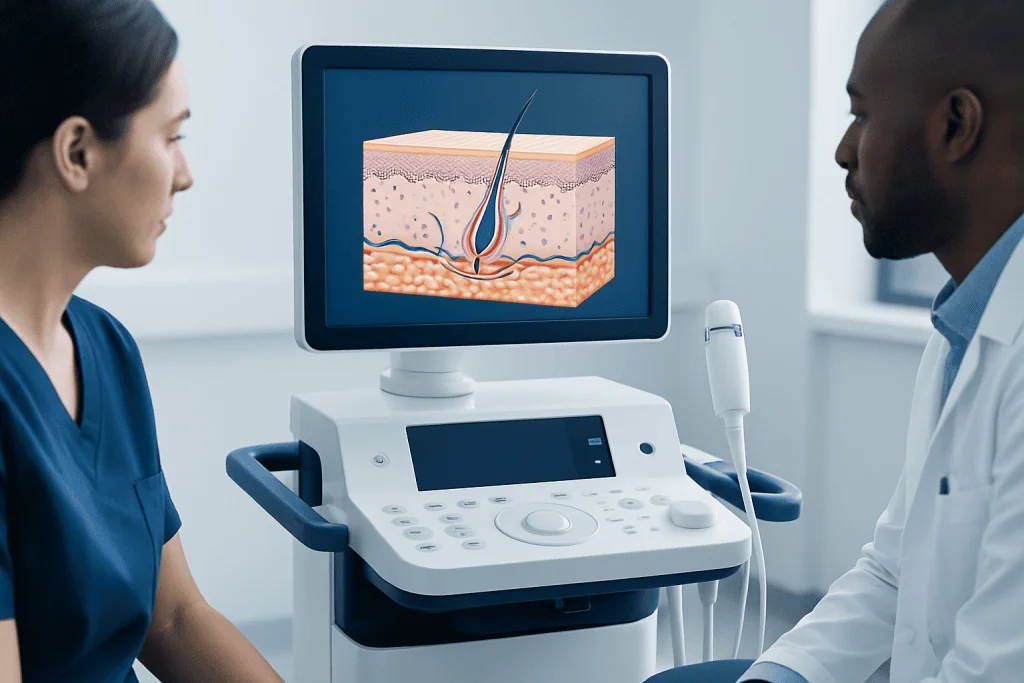
The skin has three main layers: the epidermis, the dermis, and the subcutaneous tissue beneath them. The epidermis sits on top and does not contain blood vessels. Instead, it receives support from deeper layers while providing the body with a durable external covering.
The epidermis contains several types of cells. Keratinocytes are the main cells and produce keratin, a structural protein that helps strengthen the skin barrier. Melanocytes make melanin, the pigment that contributes to skin color and helps protect against ultraviolet radiation. Immune cells in the epidermis also help detect threats such as infection or inflammation.
Although medical texts describe several sublayers within the epidermis, patients do not need to memorize them to understand the big picture. What matters most is that these layers work together to create a surface that is flexible, water-resistant, and able to repair itself over time.
- Keratinocytes: build the protective skin barrier
- Melanocytes: produce pigment and help with UV protection
- Immune cells: support defense against infection and irritation
Why the epidermis matters for everyday health

A well-functioning epidermis helps the body in several ways. It limits water loss, which helps keep skin comfortable and less prone to cracking. It also creates a barrier against pollutants, detergents, allergens, and germs that come into contact with the skin during daily life.
The epidermis also plays a role in sensation and appearance. While deeper structures handle much of the skin’s sensory function, the surface condition of the epidermis influences how smooth, rough, tight, or irritated the skin feels. Changes in this layer may also affect tone, texture, and visible signs such as scaling or flaking.
Because the epidermis is exposed to the environment, it is often the first place where health problems appear. Dry climates, frequent hand washing, harsh products, friction, allergic reactions, and ultraviolet light can all affect its barrier function. Over time, repeated damage may contribute to chronic irritation or visible aging changes.
Common problems that affect the epidermis
Many common skin concerns begin in or strongly involve the epidermis. Dry skin develops when the barrier does not retain enough moisture. Eczema can lead to itching, redness, and inflammation linked to a weakened barrier. Contact dermatitis may happen when the skin reacts to irritants or allergens. Superficial fungal or bacterial infections can also involve the outer skin layers.
Sun exposure is another major factor. Ultraviolet radiation can damage epidermal cells, leading to sunburn, rough spots, premature aging changes, and increased risk of skin cancer over time. Patients with repeated sun exposure should pay attention to new or changing skin lesions, especially if a spot bleeds, crusts, or does not heal.
Some disorders affect how epidermal cells grow or shed. Psoriasis, for example, causes skin cells to build up more quickly than usual, leading to thick, scaly plaques. If skin symptoms are persistent or recurrent, a dermatologist may assess for conditions such as eczema, psoriasis, or skin cancer depending on the appearance and history.
- Dryness, flaking, and cracking
- Itching, redness, and rash
- Sunburn and pigment changes
- Superficial skin infections
- Abnormal or changing growths on the skin
How doctors evaluate epidermis-related concerns
Diagnosis usually starts with a clinical skin examination and a careful history. A doctor may ask when symptoms began, whether they are itchy or painful, which products are used on the skin, and whether there has been recent sun exposure, illness, travel, or contact with allergens or irritants.
In many cases, the appearance and distribution of the skin changes provide important clues. For example, patches on the hands may suggest irritation from frequent washing or chemicals, while sharply defined scaly plaques may point toward psoriasis. Doctors may also ask about family history, medications, and other medical conditions that can affect the skin barrier.
Some cases need additional testing. This may include swabs for infection, patch testing for allergy, or a skin biopsy if the diagnosis is unclear or a suspicious lesion needs evaluation. When a procedure is needed, patients may be referred for skin biopsy or, if a concerning lesion is found, dermatology assessment to guide diagnosis and next steps.
Treatment options and restoring the skin barrier
Treatment depends on the cause of the problem affecting the epidermis. For simple dryness or irritation, doctors usually recommend gentle skin care, regular moisturizers, and avoiding triggers such as harsh soaps, fragrances, or repeated exposure to cleaning products. Barrier-repair creams can be especially helpful when the outer layer is dry or compromised.
Inflammatory conditions such as eczema or dermatitis may be treated with medicated creams or ointments prescribed by a doctor. Infections may need antifungal, antibacterial, or antiviral treatment depending on the cause. If a growth is suspicious, management may include monitoring, biopsy, or removal.
Sun damage and precancerous changes are treated according to their severity and location. Some lesions can be managed with topical therapy, minor in-office procedures, or specialist follow-up. When a skin problem is persistent, widespread, or diagnostically complex, structured dermatology care can help identify the cause and tailor treatment appropriately.
At the end of the treatment process, the goal is not only symptom relief but also recovery of the barrier itself. This often means combining medical treatment with daily skin-protection habits so the epidermis has the best chance to heal and remain resilient.
Protecting the epidermis: prevention and self-care
Everyday habits can support epidermal health. Gentle cleansing, regular moisturizing, and sun protection are the basics. Patients generally benefit from lukewarm rather than very hot water, fragrance-free skin products when possible, and prompt moisturizing after bathing or hand washing.
Sun protection matters because the epidermis absorbs much of the daily impact of ultraviolet exposure. Practical measures include seeking shade, wearing protective clothing, and using a broad-spectrum sunscreen appropriate for the skin type and activity. Consistent protection is especially important for children, fair skin, outdoor workers, and anyone with a history of sun damage.
It also helps to reduce avoidable irritation. Gloves may be useful when cleaning or handling chemicals. Repeated scratching can further damage the epidermis and increase the risk of infection, so treating itch early is important. For patients with chronic skin disease, following a doctor’s plan even after symptoms improve may reduce flare-ups.
- Cleanse gently and avoid over-washing
- Use moisturizers regularly, especially after bathing
- Limit harsh soaps, fragrances, and irritants
- Protect skin from sun exposure
- Check the skin periodically for new or changing spots
When to seek medical care
Many mild epidermis-related concerns improve with gentle skin care, but some symptoms should be assessed by a doctor. Medical advice is appropriate if a rash lasts more than a couple of weeks, keeps returning, spreads quickly, or interferes with sleep or daily comfort. Skin that becomes painful, swollen, warm, or drains pus may be infected and should be examined promptly.
Patients should also seek evaluation for any spot that changes in size, shape, or color, or for a sore that does not heal. Bleeding, crusting, rapid growth, or a lesion that looks clearly different from nearby moles are reasons not to delay an appointment. Early assessment is important, particularly when skin cancer is a possibility.
Children, older adults, and people with diabetes, immune system problems, or significant chronic illness may need earlier evaluation because skin problems can become complicated more easily. Acibadem International’s multidisciplinary specialists in JCI-accredited hospitals diagnose and treat a wide range of skin conditions for international patients when expert assessment is needed.
Frequently asked questions
What is the epidermis in simple terms?
The epidermis is the outermost layer of the skin. It forms a protective barrier that helps keep moisture in and blocks many irritants, germs, and environmental exposures from entering the body.
Can the epidermis heal itself?
Yes, the epidermis continually renews itself by producing new skin cells that move toward the surface. Minor superficial damage often heals well, but healing may be slower if the skin is repeatedly irritated or if a person has certain medical conditions.
What happens when the epidermis is damaged?
When the epidermal barrier is weakened, the skin may become dry, itchy, red, stinging, or more sensitive than usual. Cracks in the skin can also make it easier for irritants or infection to cause further problems.
Is the epidermis the same as the whole skin?
No, the epidermis is only the outer layer. The skin also includes the deeper dermis and the fatty layer beneath, which support blood vessels, nerves, hair follicles, sweat glands, and connective tissue.
How can patients keep the epidermis healthy?
Gentle cleansing, regular moisturizing, and consistent sun protection are the main steps. Avoiding harsh products and reducing repeated friction or scratching can also help protect the skin barrier.
Can epidermis problems be a sign of skin cancer?
Sometimes, yes. A changing spot, a sore that does not heal, or a lesion that bleeds or crusts should be checked by a qualified doctor because some skin cancers begin in the outer skin layers.
References
- American Academy of Dermatology
- National Institute of Arthritis and Musculoskeletal and Skin Diseases
- MedlinePlus
- National Cancer Institute
This article is for general information only and is not a substitute for professional medical advice. Please consult a qualified doctor about your individual situation.
Oncology care in Turkey — second opinion and treatment plan
JCI-accredited · board-certified surgeons · reply within 24h
Add us as a Preferred Source to see more of our trusted health content across Google Search, AI Overviews and Discover.