Hypertension: What Patients Need to Know

Hypertension often causes no symptoms, so regular blood pressure checks are important. Persistently high blood pressure increases the risk of heart, brain, kidney, and eye complications.
Key Takeaways
- Hypertension often causes no symptoms, so regular blood pressure checks are important.
- Persistently high blood pressure increases the risk of heart, brain, kidney, and eye complications.
- Treatment usually combines lifestyle changes with medication when needed.
- Home blood pressure monitoring can help confirm diagnosis and track control.
- Urgent medical care is needed for very high readings with symptoms such as chest pain, shortness of breath, or neurological changes.
Hypertension means blood pressure stays higher than normal over time. It often has no clear symptoms, but it can quietly damage blood vessels and increase the risk of heart attack, stroke, kidney disease, and other serious health problems if it is not identified and managed.
What hypertension means
Hypertension is the medical term for persistently high blood pressure. Blood pressure is the force of blood pushing against artery walls as the heart pumps and relaxes. When this pressure stays too high over time, the heart and blood vessels work harder than they should, which can gradually harm many organs.
Many people think high blood pressure would be easy to feel, but hypertension often develops silently. A person may feel well for years while high pressure slowly affects the arteries, heart, brain, kidneys, and eyes. That is why hypertension is usually found during a routine checkup, a pharmacy screening, or home monitoring rather than because of obvious symptoms.
Blood pressure is recorded as two numbers. The first, or systolic pressure, reflects pressure when the heart contracts. The second, or diastolic pressure, reflects pressure when the heart relaxes between beats. A doctor interprets these readings in context, often using repeated measurements rather than one isolated result, because stress, caffeine, pain, exercise, and measurement technique can temporarily change the numbers.
Why hypertension matters for long-term health
Uncontrolled hypertension can damage blood vessels throughout the body. Over time, this damage may lead to narrowing, stiffness, or weakening of arteries. The result is a higher risk of cardiovascular and other complications, even in people who do not feel unwell.
Health problems linked with hypertension can include heart attack, heart failure, stroke, chronic kidney disease, vision problems, and vascular disease. High blood pressure also commonly exists alongside conditions such as diabetes, high cholesterol, obesity, and sleep apnea, which can further increase risk.
Because the effects build gradually, early detection is valuable. Managing blood pressure can reduce strain on the heart and lower the chance of complications. In some patients, doctors also look for related conditions such as coronary artery disease or evaluate whether high blood pressure is contributing to a broader cardiovascular risk profile.
Symptoms and signs to know

Most people with hypertension have no symptoms at all. This is one of the main reasons it can remain undiagnosed. A normal day-to-day sense of well-being does not rule out high blood pressure, so screening is important even for otherwise healthy adults.
When symptoms do occur, they are often nonspecific and may not be caused by blood pressure itself. Some people report headaches, dizziness, palpitations, nosebleeds, or a sense of pressure in the head, but these symptoms can have many possible explanations. A diagnosis of hypertension should not be based on symptoms alone.
Very high blood pressure can sometimes occur with warning signs that need urgent assessment. These may include chest pain, shortness of breath, severe headache, confusion, weakness on one side, trouble speaking, fainting, or sudden visual changes. These symptoms can signal a medical emergency involving the heart, brain, or other organs.
- Hypertension is often symptom-free.
- Symptoms are not a reliable way to detect it.
- Regular measurement is the best way to know whether blood pressure is high.
Causes and risk factors
In most adults, hypertension is primary, also called essential, hypertension. This means it develops over time due to a combination of genetics, aging, lifestyle, and environmental factors rather than one single identifiable disease. Family history can play an important role, and blood pressure often rises gradually with age.
Several modifiable factors increase the likelihood of developing hypertension or make it harder to control. These include excess salt intake, low physical activity, excess body weight, regular alcohol use, smoking, chronic stress, and poor sleep. Some people are also more sensitive to dietary sodium than others, so the same eating pattern may affect individuals differently.
Sometimes high blood pressure is secondary to another medical condition or medication. Causes can include kidney disease, hormone disorders, pregnancy-related conditions, sleep apnea, and certain prescription or over-the-counter medicines. Doctors may consider these causes when hypertension begins suddenly, becomes severe at a young age, or is difficult to control. Related vascular conditions such as atherosclerosis may also be part of the overall picture, especially in older adults or those with multiple risk factors.
How hypertension is diagnosed
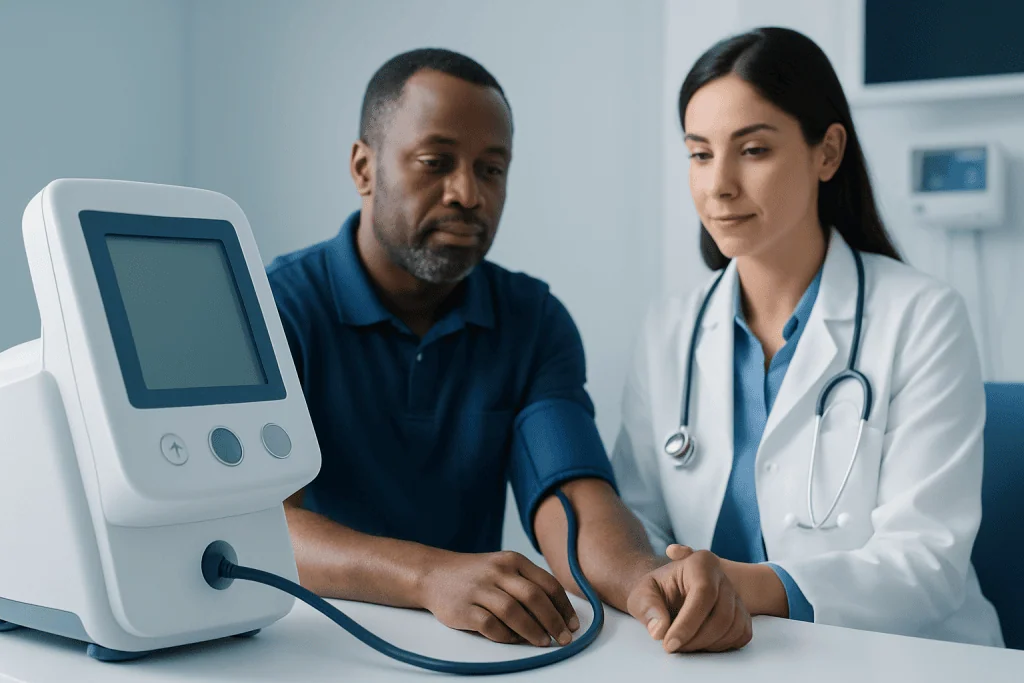
Diagnosis starts with accurate blood pressure measurement. A healthcare professional usually checks blood pressure in a seated position after a period of rest, using a correctly sized cuff. Because blood pressure naturally changes during the day, one high reading does not always mean a person has hypertension.
Doctors often confirm the diagnosis with repeated office readings, home blood pressure monitoring, or 24-hour ambulatory blood pressure monitoring. Home monitoring can be especially helpful because it shows blood pressure in usual daily conditions and may identify white coat hypertension, where readings are higher in a medical setting, or masked hypertension, where clinic readings seem normal but home readings are elevated.
Evaluation may also include blood and urine tests, kidney function tests, cholesterol and blood sugar checks, and sometimes an electrocardiogram or heart imaging. These tests help look for organ effects, assess overall cardiovascular risk, and search for possible secondary causes. If there are signs of heart involvement, a doctor may recommend further cardiac evaluation and, in some cases, procedures such as echocardiography to assess heart structure and function.
Treatment options and daily management
Treatment aims to lower blood pressure safely and reduce the risk of future complications. For many people, care begins with lifestyle measures such as eating a balanced diet, limiting sodium, staying physically active, maintaining a healthy weight, sleeping well, reducing alcohol intake, and stopping smoking. These changes can improve blood pressure on their own and also make medicines work better.
When lifestyle changes are not enough, doctors may prescribe medication. Several medication classes are commonly used, and the best choice depends on age, other medical conditions, kidney function, pregnancy status, and overall cardiovascular risk. Some patients need one medicine, while others need a combination to reach their target blood pressure.
Good control usually depends on consistency. Taking medicine as prescribed, checking blood pressure at home, and attending follow-up visits help the care team adjust treatment if needed. If hypertension has already affected the heart or blood vessels, some patients may need broader evaluation and care related to cardiology services or management of complications such as heart failure.
Near the end of the care pathway, education remains important. Patients benefit from understanding their readings, knowing which symptoms require urgent help, and recognizing that successful treatment is often long term. Acibadem International’s multidisciplinary specialists in JCI-accredited hospitals diagnose and treat hypertension and related cardiovascular conditions for international patients.
Prevention and self-care habits that help
Prevention focuses on daily habits that support heart and vascular health. Even people without diagnosed hypertension can benefit from regular exercise, a diet rich in vegetables, fruits, legumes, whole grains, and lean proteins, and limiting highly processed foods that tend to be high in salt. Weight management can also make a meaningful difference, especially when excess weight is carried around the abdomen.
Self-care is not only about food and exercise. Stress reduction, enough sleep, and limiting tobacco and alcohol are also important. People with diabetes, kidney disease, or a strong family history of cardiovascular disease may need earlier and more frequent blood pressure checks because their overall risk may be higher.
Home blood pressure monitoring can be a practical tool. Using a validated monitor, measuring at similar times, and recording the results for a doctor review can give a more complete picture than occasional office readings alone. Patients should avoid changing medication on their own based only on one reading unless a doctor has given clear instructions.
- Check blood pressure regularly if advised.
- Keep follow-up appointments even when feeling well.
- Bring a list of medicines and home readings to appointments.
- Ask a doctor before using decongestants, supplements, or pain medicines regularly, as some can raise blood pressure.
When to seek medical care
A routine appointment is appropriate if repeated home or pharmacy readings are higher than normal, even if there are no symptoms. A doctor can confirm whether hypertension is present, review risk factors, and discuss the most suitable monitoring and treatment plan. This is especially important for people who are pregnant, have kidney disease, diabetes, or a history of heart or stroke problems.
Prompt medical review is also sensible if blood pressure becomes harder to control, if prescribed medicine causes troubling side effects, or if symptoms such as persistent headaches, reduced exercise tolerance, swelling, or new palpitations develop. These issues do not always mean an emergency, but they deserve professional assessment.
Emergency care is needed for very high blood pressure accompanied by chest pain, severe shortness of breath, fainting, severe headache, confusion, seizures, sudden weakness or numbness, trouble speaking, or sudden vision loss. In that setting, the concern is not simply a high number but possible acute organ damage, which requires immediate treatment.
Frequently asked questions
What is hypertension in simple terms?
Hypertension means blood pressure stays too high over time. This extra pressure can strain blood vessels and the heart, increasing the risk of problems such as stroke, heart disease, and kidney damage.
Can someone have hypertension without symptoms?
Yes. Most people with hypertension do not notice symptoms, which is why it is often found during routine checks. Feeling well does not guarantee that blood pressure is normal.
Is one high blood pressure reading enough for a diagnosis?
Usually not. Blood pressure can rise temporarily because of stress, pain, exercise, caffeine, or anxiety during a medical visit. Doctors generally confirm hypertension with repeated measurements, home monitoring, or ambulatory monitoring.
Can lifestyle changes really help lower hypertension?
Yes, lifestyle measures can make a meaningful difference, especially in mild or early hypertension. Healthy eating, regular physical activity, weight management, lower sodium intake, better sleep, and limiting alcohol can all support blood pressure control.
Will hypertension always require medication?
Not always, but many people do need medication, particularly if blood pressure is significantly elevated or if cardiovascular risk is high. The decision depends on the blood pressure level, age, other health conditions, and how well lifestyle changes are working.
How often should blood pressure be checked?
The right schedule depends on age, medical history, and previous readings. People with diagnosed hypertension or higher risk may need more frequent checks, while others may only need periodic screening during routine care.
When is high blood pressure an emergency?
It becomes an emergency when a very high reading occurs together with symptoms such as chest pain, severe headache, shortness of breath, confusion, weakness, trouble speaking, or vision loss. In that situation, urgent medical care is important because there may be damage to vital organs.
References
- World Health Organization
- American Heart Association
- Centers for Disease Control and Prevention
- National Heart, Lung, and Blood Institute
- European Society of Cardiology
This article is for general information only and is not a substitute for professional medical advice. Please consult a qualified doctor about your individual situation.
Hypertension in Turkey — costs, top hospitals & a free quote
JCI-accredited · board-certified surgeons · reply within 24h
Add us as a Preferred Source to see more of our trusted health content across Google Search, AI Overviews and Discover.
Check your numbers in seconds
BMI, calories, due date, blood pressure and 30+ more clinical calculators — free, instant, doctor-reviewed ranges.