Fennel Seeds: A Complete Medical Overview

Fennel seeds are widely used as a spice and herbal remedy, most often for digestive symptoms such as bloating and gas. Their main active compounds include volatile oils such as anethole, which may contribute to flavor and some biological effects.
Key Takeaways
- Fennel seeds are widely used as a spice and herbal remedy, most often for digestive symptoms such as bloating and gas.
- Their main active compounds include volatile oils such as anethole, which may contribute to flavor and some biological effects.
- Evidence for fennel seeds is stronger for mild symptom relief than for treating diagnosed medical conditions.
- Fennel seeds may not be suitable for everyone, especially people with allergies, hormone-sensitive conditions, or medication concerns.
- Persistent digestive symptoms should be medically assessed rather than managed only with home remedies.
- Medical advice is important if symptoms are severe, recurrent, or associated with weight loss, bleeding, fever, or trouble swallowing.
Fennel seeds are the dried seeds of the fennel plant, commonly used in cooking and traditional remedies, especially for digestive comfort. They may help with mild bloating or gas in some people, but they are not a cure for disease and may cause side effects or interactions in certain situations.
Overview: What Fennel Seeds Are and How They Are Used
Fennel seeds come from Foeniculum vulgare, a plant in the carrot family. They have a sweet, slightly licorice-like flavor and are used in many cuisines as well as in teas, spice blends, and traditional health practices. In everyday use, fennel seeds are often chewed after meals or steeped in hot water for digestive comfort.
From a medical perspective, fennel seeds are best understood as a food and herbal product rather than a primary treatment for illness. They contain plant compounds, including volatile oils such as anethole, fenchone, and estragole, which have been studied for possible effects on digestion, smooth muscle activity, and inflammation. However, research quality varies, and results do not support using fennel seeds as a replacement for medical diagnosis or prescribed care.
Many people ask whether fennel seeds are “good for health.” The most balanced answer is that they can be part of a healthy diet and may provide mild relief for some digestive symptoms, but their effects are modest and not universal. The benefits depend on the individual, how the seeds are used, and whether there is an underlying condition that needs medical attention.
Potential Health Benefits of Fennel Seeds
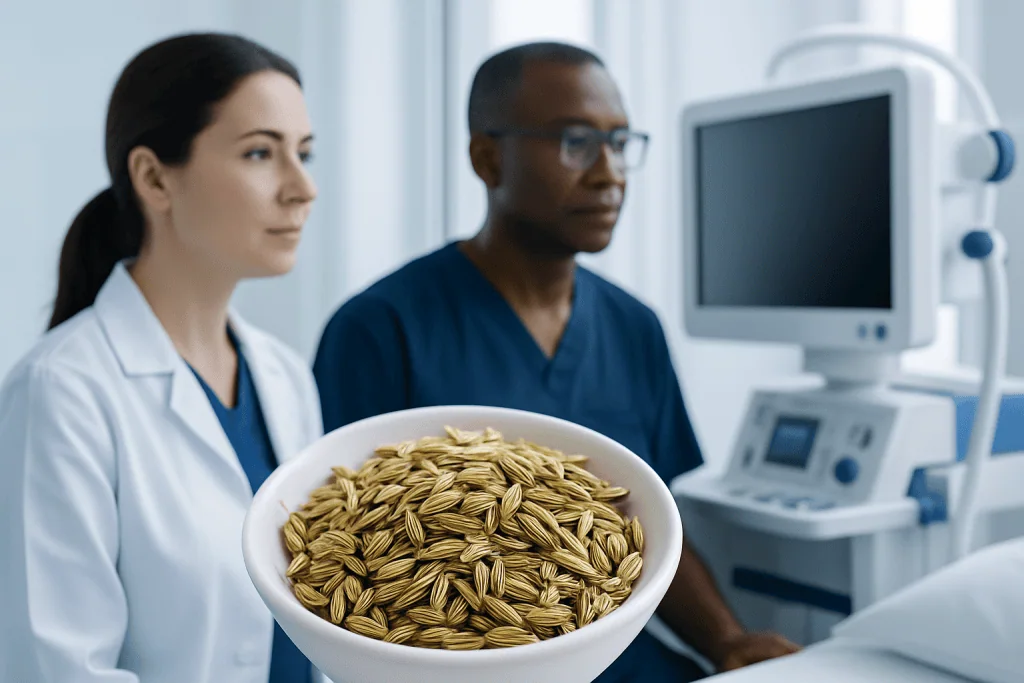
The most common reason people use fennel seeds is to ease minor digestive discomfort. Some individuals report reduced bloating, gas, or a feeling of fullness after meals. This may be related to the plant’s aromatic oils and possible antispasmodic effects, which can help relax the digestive tract in mild, temporary symptoms.
Fennel seeds also add flavor without needing excess salt or sugar, which can support healthier eating patterns. They contain small amounts of fiber and plant nutrients, although they are usually consumed in relatively small quantities. Their greatest nutritional value often comes from helping make meals more varied and enjoyable rather than from being a major source of vitamins or minerals.
Some traditional systems of medicine have used fennel seeds for menstrual discomfort, infant colic, appetite changes, or bad breath. These uses are widely known, but scientific evidence is mixed and not equally strong for all of them. For people with repeated stomach pain, diarrhea, constipation, or upper abdominal symptoms, a proper medical evaluation may be needed to rule out problems such as gastritis or other digestive disorders rather than assuming a spice alone will help.
How Fennel Seeds May Affect Digestion and the Body

Fennel seeds have been studied because their natural oils may influence intestinal movement and gas handling. In simple terms, they may help some people feel less cramping or pressure after eating. This is why fennel seed tea or crushed seeds are often used as a home remedy after a heavy meal.
There is also interest in whether fennel has mild anti-inflammatory or antioxidant activity. Laboratory studies suggest possible biological effects, but results from laboratory settings do not always translate into meaningful clinical benefits for patients. This is an important difference: a plant can show promising properties in research without becoming a proven treatment for disease.
Digestive symptoms can also come from many different causes, including food intolerance, acid-related conditions, irritable bowel syndrome, infection, gallstones, or structural disease. If symptoms are frequent or disruptive, specialists may recommend testing or procedures such as endoscopy to identify the cause. Using fennel seeds for occasional mild discomfort is very different from trying to self-manage a persistent digestive problem.
Possible Side Effects, Risks, and Interactions
Fennel seeds are generally well tolerated when used in normal food amounts, but that does not mean they are risk-free. Some people may experience allergy symptoms, especially if they are sensitive to plants in the carrot or celery family. Possible reactions include itching in the mouth, rash, swelling, or breathing difficulty, which require prompt medical attention.
Concentrated herbal preparations deserve more caution than culinary use. Teas, extracts, oils, and supplements may deliver higher amounts of active compounds than typical food use, and product quality can vary. Stomach upset, nausea, skin sensitivity, and unwanted interactions are more likely when concentrated products are taken frequently or in large amounts.
Fennel may have mild estrogen-like activity, so people with hormone-sensitive conditions should discuss use with a doctor. It may also interact with some medications or supplements, although the exact clinical importance can vary. Pregnant or breastfeeding individuals, parents considering herbal products for infants, and people preparing for procedures should ask a qualified clinician before using fennel seed supplements regularly.
Who Should Be Cautious With Fennel Seeds
Caution is especially important for people with a history of plant allergies, unexplained digestive symptoms, or chronic illness. Someone with ongoing heartburn, vomiting, early fullness, swallowing problems, anemia, or blood in the stool should not rely on herbal remedies alone. These symptoms may need formal evaluation by a gastroenterology specialist.
People with known digestive diseases may also need individualized advice. For example, bloating and abdominal discomfort can overlap with conditions such as Crohn's disease or food-related disorders, where self-treatment may delay diagnosis. Fennel seeds may be harmless as a flavoring in many cases, but regular medicinal use should fit into a wider care plan.
Children, older adults, and people taking multiple medications often benefit from extra caution because they can be more sensitive to dehydration, poor intake, and side effects. If abdominal symptoms are severe or recurrent, testing may be more useful than repeated home remedies. In some cases, doctors may use laboratory testing, imaging, or colonoscopy depending on the symptom pattern and age group.
How to Use Fennel Seeds Safely
For most healthy adults, the safest way to use fennel seeds is as a culinary ingredient. They can be added whole or lightly crushed to food, or used to make a mild tea. Starting with small amounts is sensible, especially for anyone who has not used them before or has a sensitive stomach.
It is best not to assume that more is better. Large amounts, frequent concentrated use, or combining several herbal products at once may increase the chance of side effects. If a person notices rash, worsening stomach pain, dizziness, or any unusual symptom after using fennel seed products, they should stop and seek medical advice.
People choosing packaged fennel products should remember that herbal supplements are not all standardized in the same way as prescription medicines. Labels may differ in concentration and purity, and some products contain blends rather than fennel alone. A doctor, pharmacist, or dietitian can help decide whether a specific product is appropriate.
When to Seek Medical Care
Medical care should be sought if digestive symptoms are persistent, worsening, or associated with warning signs. These include vomiting, fever, unexplained weight loss, trouble swallowing, black stools, blood in the stool, chest pain, severe constipation, or significant abdominal pain. New symptoms in older adults also deserve careful assessment.
People should also contact a healthcare professional if they think they are having an allergic reaction to fennel seeds or any herbal product. Swelling of the lips or throat, wheezing, widespread hives, or shortness of breath are urgent symptoms. In these situations, emergency care may be needed.
If symptoms continue despite simple dietary measures, clinicians may investigate causes ranging from indigestion to inflammatory or structural disease. Near the end of a care pathway, some patients may need targeted treatment guided by findings from consultation and testing. Acibadem International’s multidisciplinary specialists and JCI-accredited hospitals diagnose and treat digestive conditions for international patients when expert evaluation is needed.
Frequently asked questions
What are fennel seeds used for?
Fennel seeds are most commonly used as a culinary spice and as a traditional remedy for mild digestive discomfort. Many people use them after meals for bloating, gas, or a feeling of fullness, although they do not treat the underlying cause of persistent symptoms.
Do fennel seeds help with bloating?
They may help some people with mild bloating or gas, particularly when symptoms are occasional and meal-related. However, repeated bloating can also be linked to food intolerance, constipation, irritable bowel syndrome, or other digestive conditions that may need medical assessment.
Are fennel seeds safe to eat every day?
Using fennel seeds in normal food amounts is generally considered safe for most healthy adults. Daily use of concentrated teas, extracts, or supplements is a different matter and should be discussed with a healthcare professional, especially if there are medical conditions, pregnancy, or medication use.
Can fennel seeds cause side effects?
Yes. Although many people tolerate them well, fennel seeds can sometimes cause allergic reactions, stomach upset, or sensitivity when used in larger or concentrated amounts. Anyone who develops swelling, rash, breathing difficulty, or severe symptoms should seek medical care promptly.
Can fennel seeds replace medical treatment for stomach problems?
No. Fennel seeds may support comfort in mild, temporary digestive symptoms, but they should not replace diagnosis or treatment for ongoing stomach pain, reflux, bowel changes, bleeding, or weight loss. Persistent symptoms need evaluation by a qualified doctor.
Who should avoid fennel seed supplements?
People with plant allergies, hormone-sensitive conditions, pregnancy concerns, or complex medication regimens should be cautious with fennel seed supplements. Children and infants should not be given herbal products without professional guidance because safety and dosing can be uncertain.
References
- National Center for Complementary and Integrative Health
- National Institutes of Health
- World Health Organization
- U.S. Food and Drug Administration
- European Medicines Agency
This article is for general information only and is not a substitute for professional medical advice. Please consult a qualified doctor about your individual situation.
Persistent digestive symptoms? Get evaluated in Turkey
JCI-accredited · board-certified surgeons · reply within 24h
Add us as a Preferred Source to see more of our trusted health content across Google Search, AI Overviews and Discover.