Placenta Previa: A Complete Medical Overview

Placenta previa happens when the placenta is positioned low enough to cover or approach the cervix. The most common symptom is painless bright red vaginal bleeding after 20 weeks of pregnancy.
Key Takeaways
- Placenta previa happens when the placenta is positioned low enough to cover or approach the cervix.
- The most common symptom is painless bright red vaginal bleeding after 20 weeks of pregnancy.
- Diagnosis is usually confirmed by ultrasound, and vaginal examination is avoided until placenta location is known.
- Treatment depends on the amount of bleeding, the gestational age, and whether the cervix is fully or partly covered.
- Many patients need activity guidance, repeat monitoring, and planned cesarean birth if the placenta still covers the cervix.
- Any bleeding during pregnancy should be assessed promptly by a qualified doctor.
Placenta previa is a pregnancy condition in which the placenta lies low in the uterus and covers part or all of the cervix. It can cause painless vaginal bleeding, especially in the second half of pregnancy, and needs close obstetric care to protect both mother and baby.
What placenta previa means
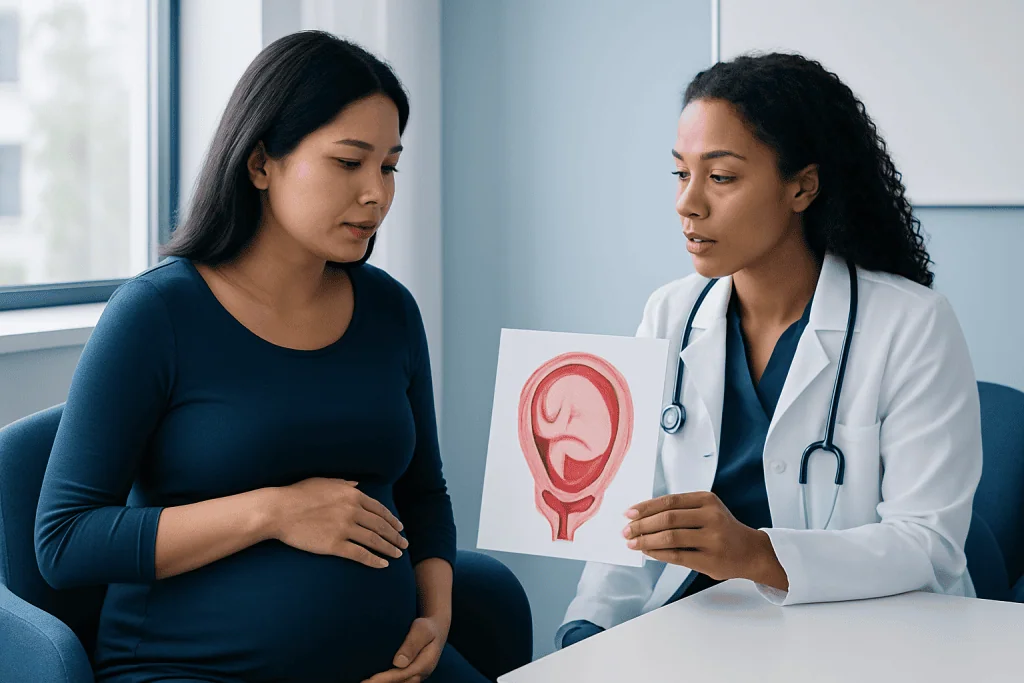
Placenta previa means the placenta has implanted in the lower part of the uterus and lies close to or over the cervix, which is the opening to the birth canal. In a typical pregnancy, the placenta attaches higher in the uterus, leaving the cervix clear for labor. When the placenta blocks this opening, normal vaginal delivery may not be safe.
This condition is usually identified during routine prenatal ultrasound or after bleeding occurs. In some cases, a placenta that looks low early in pregnancy moves upward as the uterus grows. For this reason, a low-lying placenta seen in the second trimester does not always remain placenta previa later on.
Doctors often describe placenta previa based on how much of the cervix is covered. It may be complete, partial, or marginal, and some clinicians also use the term low-lying placenta when the placenta is near but not covering the cervix. These distinctions matter because they help guide delivery planning and the need for closer observation.
How placenta previa can affect pregnancy
The main concern with placenta previa is bleeding. As pregnancy progresses and the lower part of the uterus stretches, the placenta may partially separate from the uterine wall. Because the placenta contains many blood vessels, this separation can lead to vaginal bleeding that may range from light spotting to heavier bleeding.
Placenta previa can also affect how and when the baby is delivered. If the placenta continues to cover the cervix near the end of pregnancy, a cesarean birth is usually recommended because the placenta physically blocks the baby’s passage through the birth canal. Attempting vaginal delivery in this situation can increase the risk of severe bleeding.
Not every patient has the same course. Some have a single mild bleeding episode and continue pregnancy under close supervision, while others need hospital care, urgent treatment, or earlier delivery. Care plans are individualized based on symptoms, ultrasound findings, and the stage of pregnancy.
Symptoms and warning signs
The classic symptom of placenta previa is painless, bright red vaginal bleeding after 20 weeks of pregnancy. The bleeding may start suddenly and may stop on its own, only to return later. Some patients notice only a small amount, while others have more significant bleeding that needs urgent medical attention.
Although bleeding is the most common sign, some people do not have symptoms and learn about the condition on a routine ultrasound. A doctor may also suspect placenta previa if the baby is in an unusual position, such as breech or transverse, because the placenta can affect how the baby settles in the uterus.
Symptoms that should never be ignored include:
- Any vaginal bleeding in the second or third trimester
- Dizziness, weakness, or fainting
- Uterine contractions or cramping with bleeding
- Decreased fetal movement
- Severe or persistent abdominal pain
While pain is less typical in placenta previa than in some other causes of bleeding, it is still important to seek prompt assessment. Pregnancy bleeding can have several causes, including placental abruption, and only medical evaluation can identify the reason safely.
Causes and risk factors
The exact reason placenta previa develops is not always clear. It relates to where the fertilized egg implants in the uterus and how the placenta forms and grows. It is not caused by ordinary daily activities, and patients should not blame themselves for the condition.
Some factors make placenta previa more likely. These include a previous cesarean birth, prior surgery on the uterus, a history of placenta previa in an earlier pregnancy, carrying more than one baby, and increased maternal age. Smoking and some assisted reproductive techniques have also been associated with a higher chance of a low-lying placenta.
Doctors also pay close attention when placenta previa occurs in someone with previous uterine scarring, because this may raise the possibility of abnormal placental attachment. In selected cases, further assessment is needed to look for related conditions that can affect delivery planning and maternal safety.
Having risk factors does not mean placenta previa will occur, and some patients develop it without any known risk factors. Good prenatal care remains the best way to detect it early and reduce complications.
How doctors diagnose placenta previa
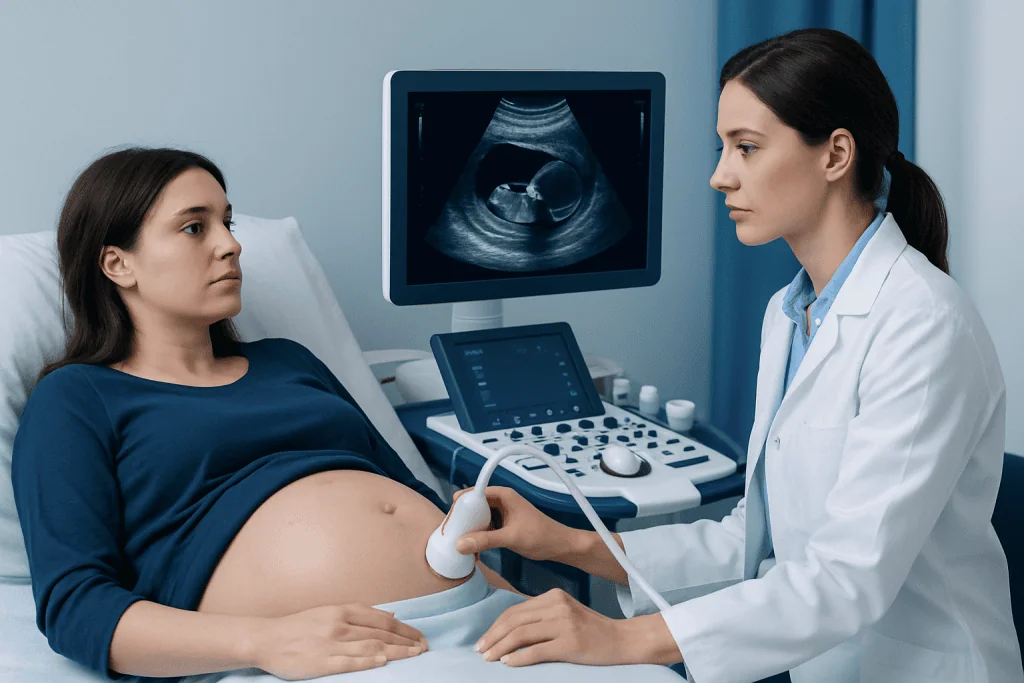
Placenta previa is usually diagnosed with ultrasound. A routine abdominal ultrasound may first suggest that the placenta is low, and a transvaginal ultrasound is often used to confirm the exact placental position more clearly. Despite understandable concern, transvaginal ultrasound is generally considered safe in this setting and provides important information.
One key point is that a digital vaginal examination is typically avoided if placenta previa is suspected and placental location has not been confirmed. This is because touching the cervix when it is covered by the placenta can provoke heavy bleeding. Imaging is the safest first step.
Diagnosis may also include monitoring the baby’s well-being, checking maternal vital signs, and blood tests if bleeding has occurred. Repeat ultrasounds are common because the placenta may appear to move upward as the uterus expands. This follow-up helps determine whether the placenta remains low and whether delivery plans need to change.
In some situations, the obstetric team may evaluate for related placental conditions or signs of preterm labor. If bleeding is recurrent or significant, the patient may be admitted for observation and fetal monitoring.
Treatment and delivery planning
Treatment for placenta previa depends on how far along the pregnancy is, how much bleeding has occurred, whether the bleeding has stopped, and whether the placenta still covers the cervix. If bleeding is light and both mother and baby are stable, doctors may recommend rest, reduced activity, pelvic rest, and close follow-up. This often includes repeat ultrasound and instructions about when to return to the hospital.
If bleeding is heavier, ongoing, or associated with signs of instability, hospital care may be needed. The medical team may monitor the baby, check blood counts, and prepare for urgent delivery if necessary. In pregnancies at risk of preterm birth, medication may be considered to help support fetal lung maturity, depending on the clinical situation and gestational age.
When placenta previa persists late in pregnancy, cesarean birth is usually the safest option because the cervix remains blocked. Delivery timing is planned carefully to balance the risks of bleeding against the benefits of further fetal growth. If bleeding becomes severe, delivery may need to happen sooner than originally expected.
Management may involve specialists in obstetrics and gynecology as well as neonatal care and anesthesiology. If surgery is anticipated, some patients may also benefit from care at centers experienced in high-risk pregnancy management, where multidisciplinary teams can prepare for potential complications in advance.
Daily precautions, self-care, and prevention
There is no guaranteed way to prevent placenta previa, but early and regular prenatal care can help detect it before complications develop. Following ultrasound recommendations and attending scheduled appointments are especially important when a low-lying placenta has been seen earlier in pregnancy.
Self-care focuses on reducing avoidable risks and knowing when to seek help. A doctor may advise avoiding sexual intercourse, tampons, or douching if placenta previa is confirmed, particularly after bleeding has occurred. Patients should also discuss travel, work duties, and exercise with their obstetric team, since recommendations vary depending on the severity of the condition.
Helpful practical steps include:
- Keeping emergency contact numbers easily available
- Knowing the nearest hospital with obstetric services
- Seeking advice before long-distance travel
- Monitoring fetal movement as advised by a doctor
- Reporting even small amounts of bleeding promptly
General pregnancy health measures still matter, including not smoking, staying hydrated, and taking prescribed prenatal supplements. These steps do not reposition the placenta, but they support overall maternal and fetal health while the pregnancy is being monitored.
When to seek medical care
Any vaginal bleeding during pregnancy should be reported promptly to a qualified doctor. Immediate medical care is especially important if the bleeding is moderate or heavy, if it returns after stopping, or if it is accompanied by contractions, dizziness, fainting, severe pain, or reduced fetal movement. It is safer not to drive alone if symptoms feel urgent.
Patients with known placenta previa should follow the emergency instructions provided by their obstetric team. They should avoid inserting anything into the vagina and should not assume the bleeding will resolve without assessment. Even a small amount of bleeding can become more serious, so timely evaluation is important.
Near the end of pregnancy, clear delivery planning helps reduce uncertainty. The care team explains when to come to the hospital, what symptoms require urgent attention, and whether planned cesarean delivery is recommended. For international patients who need evaluation or treatment, Acibadem International’s multidisciplinary specialists at JCI-accredited hospitals provide diagnosis and care, including pregnancy follow-up and delivery and support for complex obstetric cases.
Frequently asked questions
Can placenta previa go away on its own?
A placenta that is low in the uterus earlier in pregnancy may appear to move upward as the uterus grows. This means some cases diagnosed in the second trimester no longer meet the definition of placenta previa later on. Follow-up ultrasound is the best way to see whether it has resolved.
Is bleeding from placenta previa always painful?
Not usually. The typical bleeding from placenta previa is painless and bright red, especially in the second half of pregnancy. However, pregnancy bleeding can have other causes, so medical assessment is still important even if there is no pain.
Can someone with placenta previa have a vaginal birth?
If the placenta still covers the cervix near delivery, vaginal birth is generally not safe and cesarean birth is usually recommended. In some cases, a placenta that is only low-lying and not covering the cervix may allow different planning. The delivery method depends on ultrasound findings and the doctor's judgment.
What activities should be avoided with placenta previa?
A doctor may recommend pelvic rest, which can include avoiding sexual intercourse and not placing anything in the vagina. Depending on bleeding episodes and pregnancy stage, advice about exercise, work, and travel may also change. These instructions should be individualized by the obstetric team.
Does placenta previa harm the baby?
Placenta previa can increase the risk of preterm birth and complications related to bleeding, but many pregnancies are managed successfully with close monitoring. The baby's well-being is checked through routine prenatal care and additional monitoring if needed. Early diagnosis helps the care team plan the safest timing and method of delivery.
How is placenta previa different from placental abruption?
Placenta previa means the placenta is located low and covers part or all of the cervix. Placental abruption means the placenta separates from the uterine wall before birth. Both can cause bleeding, but they are different conditions and need urgent medical evaluation.
References
- American College of Obstetricians and Gynecologists
- Royal College of Obstetricians and Gynaecologists
- National Institute for Health and Care Excellence
- World Health Organization
- Society for Maternal-Fetal Medicine
This article is for general information only and is not a substitute for professional medical advice. Please consult a qualified doctor about your individual situation.
Explore treatments in Turkey — costs, top hospitals & a free quote
JCI-accredited · board-certified surgeons · reply within 24h
Add us as a Preferred Source to see more of our trusted health content across Google Search, AI Overviews and Discover.