Sacrum: A Complete Medical Overview

The sacrum sits between the lumbar spine and the tailbone and forms the back of the pelvis. It helps transfer body weight from the spine to the hips and legs during standing, walking, and lifting.
Key Takeaways
- The sacrum sits between the lumbar spine and the tailbone and forms the back of the pelvis.
- It helps transfer body weight from the spine to the hips and legs during standing, walking, and lifting.
- Sacral pain may be linked to sacroiliac joint problems, injury, arthritis, pregnancy-related strain, or nerve irritation.
- Diagnosis usually combines a physical exam with imaging such as X-ray, MRI, or CT when needed.
- Treatment depends on the cause and may include rest, physical therapy, medicines, injections, or selected procedures.
The sacrum is a triangular bone at the base of the spine that connects the lower back to the pelvis. It helps bear body weight, supports movement, and protects nearby nerves, so pain in this area can come from joints, muscles, discs, nerves, or injury rather than the bone alone.
What the sacrum is and why it matters
The sacrum is a large, triangular bone at the very bottom of the spine. In most adults, it is made up of five vertebrae that fuse together over time. It sits between the last lumbar vertebra above and the coccyx, or tailbone, below, and it joins the hip bones on each side to help form the pelvis.
This area matters because the sacrum is a central weight-bearing structure. It helps transfer force from the upper body into the pelvis and legs during standing, walking, bending, and lifting. It also contains openings for important nerves that travel from the lower spine into the buttocks, pelvis, and legs.
Although people often use the term “sacrum pain” to describe discomfort low in the back, the source is not always the sacral bone itself. Pain may come from the sacroiliac joints, nearby ligaments, muscles, lumbar discs, or irritated nerves. Understanding the sacrum in this broader way can make symptoms easier to explain and guide the right treatment.
Sacral anatomy and function
The upper part of the sacrum connects with the fifth lumbar vertebra, while the lower part connects with the coccyx. On each side, it forms the sacroiliac joints with the pelvic bones. These joints have limited motion, but that small amount of movement is important for balance, shock absorption, and smooth transfer of force through the body.
Several strong ligaments support the sacrum and stabilize the pelvis. Muscles of the lower back, buttocks, and pelvic floor also attach around this region. Because so many structures meet here, pain can feel deep, broad, or difficult to pinpoint, and it may worsen with activities that load one leg more than the other, such as climbing stairs or getting up from a chair.
The sacrum also helps protect the lower spinal canal and sacral nerve roots. When these nerves are compressed or inflamed, a person may feel pain, tingling, numbness, or weakness in the buttock, groin, or leg. In some cases, symptoms are related to conditions affecting the lower spine, such as a herniated disc, rather than the sacrum itself.
- Structural role: forms the back of the pelvis
- Mechanical role: transfers weight from spine to hips
- Protective role: shields lower spinal nerves
- Functional role: supports posture, walking, and stability
Symptoms linked to the sacrum
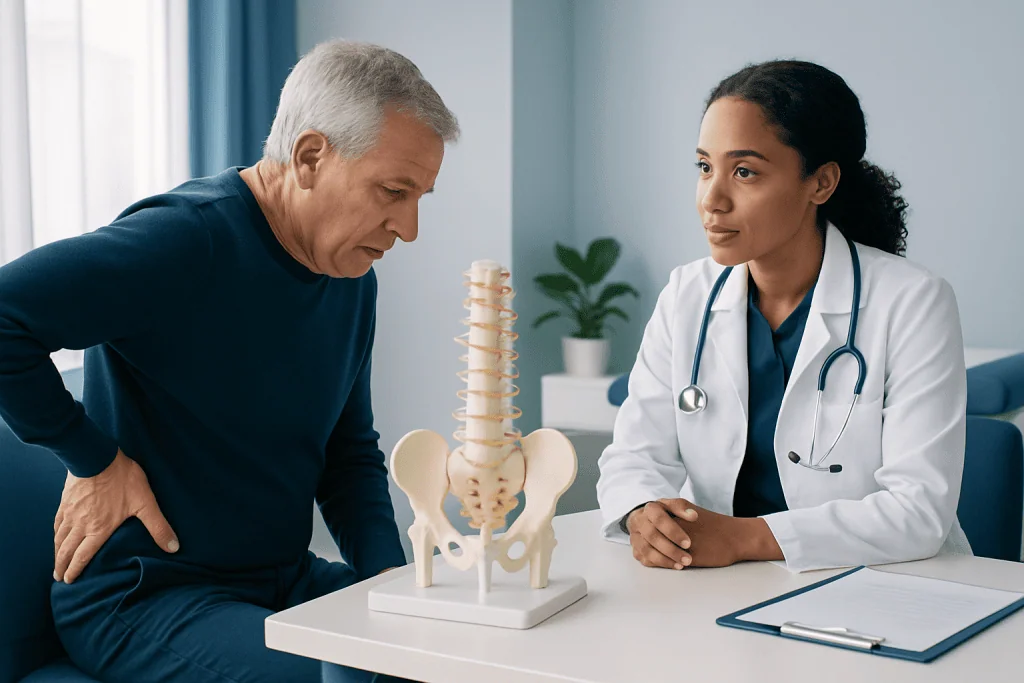
Symptoms related to the sacrum can vary widely. Some people feel a dull ache in the center of the low back or upper buttock area, while others notice sharp pain with standing, walking, turning in bed, or rising from a seated position. Pain may affect one side or both sides and can sometimes spread into the buttock, groin, hip, or back of the thigh.
Stiffness is common, especially after rest or in the morning. Some people describe a sense of instability in the pelvis, discomfort when climbing stairs, or pain after long periods of sitting. If nerves are involved, symptoms may include burning pain, tingling, numbness, or weakness in the leg.
Not all lower back or tailbone symptoms come from the sacrum. Nearby causes may include scoliosis, lumbar strain, disc disease, hip disorders, or coccyx irritation. A careful medical assessment helps distinguish among these possibilities.
- Low back pain near the center or just off to one side
- Buttock or pelvic pain that worsens with movement
- Pain after prolonged sitting or standing
- Radiating discomfort into the groin or leg
- Numbness, tingling, or weakness if nerves are affected
Common causes and risk factors
Sacral area pain has many possible causes. One of the most common is dysfunction or inflammation of the sacroiliac joints, where the sacrum meets the pelvis. These joints can become painful from overuse, altered movement patterns, arthritis, pregnancy-related ligament changes, or previous injury. Falls directly onto the lower back or buttocks can also bruise or fracture the sacrum, especially in older adults or people with weaker bones.
Degenerative changes in the lower spine may contribute as well. Arthritis, spinal narrowing, or disc problems can refer pain to the sacral region or irritate the nerves that pass through it. Inflammatory conditions such as ankylosing spondylitis may involve the sacroiliac joints, especially when there is morning stiffness and symptoms improve with gentle movement.
Other possible causes include repetitive heavy lifting, sports that involve twisting or impact, differences in leg length, poor core strength, prior pelvic surgery, and infections or tumors, which are much less common but important to rule out when symptoms are unusual or persistent. Risk is often higher in people with osteoporosis, pregnancy-related pelvic strain, or a history of lower back disorders.
How doctors diagnose sacrum-related problems
Diagnosis starts with a detailed history and physical examination. A doctor will usually ask where the pain is felt, when it began, what makes it worse or better, and whether there are symptoms such as numbness, fever, weakness, or recent injury. The examination may include checking posture, walking, spinal motion, hip motion, nerve function, and tenderness around the sacrum and sacroiliac joints.
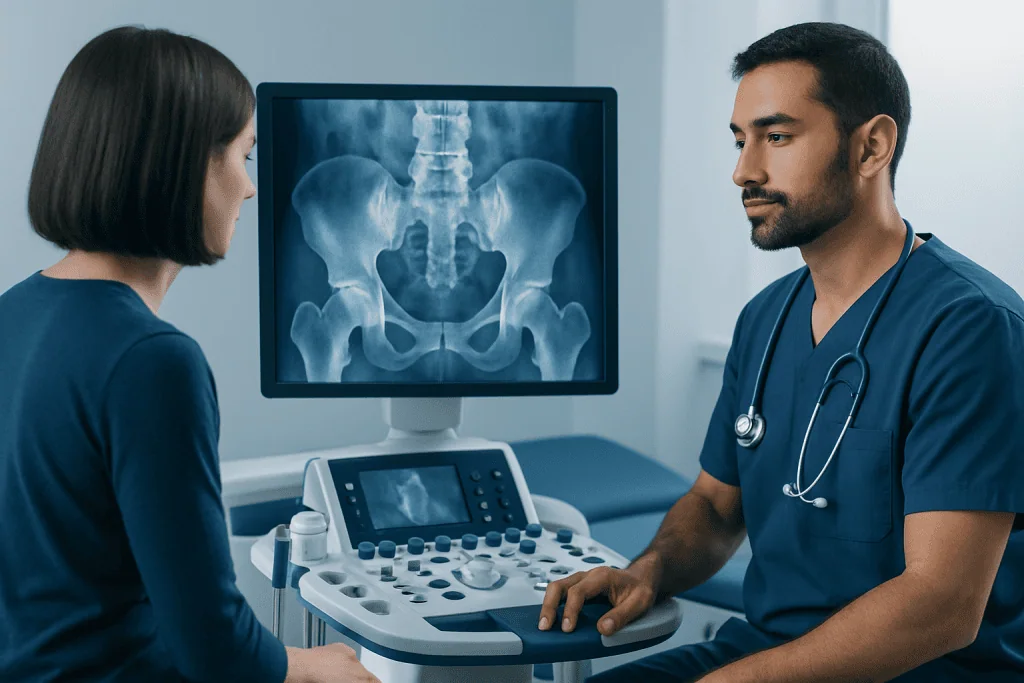
Imaging is not always needed right away, especially for short-lived pain without warning signs. However, X-rays can help identify fractures, alignment problems, or arthritis. MRI is often more useful when a doctor suspects nerve compression, inflammation, stress injury, infection, or a problem in the discs or soft tissues. CT may provide more detail for bone injury.
Sometimes the diagnosis is made by combining exam findings with response to treatment. In selected cases, guided injections into the sacroiliac joint can help confirm the pain source as well as provide relief. When symptoms suggest broader spine involvement, evaluation may include consultation with specialists in orthopedics and traumatology or neurosurgery.
Treatment options for sacrum pain
Treatment depends on the cause, severity, and duration of symptoms. For recent strain or mild inflammation, doctors often recommend relative rest, short-term activity modification, heat or cold therapy, and pain-relieving or anti-inflammatory medicines when appropriate. Gentle movement is usually preferred over complete bed rest, because staying active within comfort limits can help reduce stiffness and support recovery.
Physical therapy is a common and effective part of care. A therapist may focus on posture, hip and core strength, flexibility, gait mechanics, and exercises to stabilize the pelvis. If muscle tension contributes to pain, manual therapy and stretching may also help. When lumbar nerve irritation is part of the problem, treatment may overlap with care for lower spine disorders, and some people may benefit from physical therapy and rehabilitation programs designed for spinal mechanics.
For persistent pain, doctors may consider image-guided injections around the sacroiliac joint or nearby nerves. Surgery is not common for most sacral pain, but it may be considered in specific situations such as unstable fractures, severe nerve compression, or selected sacroiliac joint problems that do not improve with conservative care. If advanced imaging shows major lower spine involvement, some patients may be evaluated for spine surgery when non-surgical measures are no longer enough.
Because treatment should match the underlying diagnosis, self-treating ongoing pain without assessment is not ideal. A clinician can help determine whether the problem is primarily joint-related, muscular, neurologic, or linked to another condition.
Prevention and self-care
Not every sacral problem can be prevented, but healthy movement habits can reduce strain on the lower spine and pelvis. Regular exercise that builds core strength, hip stability, and flexibility may improve support around the sacrum. Good lifting technique, gradual progression in sports, and avoiding sudden overload can also help protect the area.
For people who sit for long periods, changing position often and using supportive seating may reduce pressure and stiffness. During flare-ups, many people benefit from short walks, gentle stretching, and avoiding movements that clearly worsen pain. If pregnancy contributes to pelvic pain, a doctor or physical therapist may suggest targeted exercises, posture advice, or support devices.
Bone health matters too, especially in older adults. Adequate calcium and vitamin D intake, weight-bearing exercise, and evaluation for osteoporosis when appropriate may lower the risk of fractures involving the sacrum. People with recurring lower back pain should consider medical review rather than relying only on home remedies.
When to seek medical care
Medical care is advisable if sacral or low back pain lasts more than a few weeks, keeps returning, limits daily activities, or follows a fall or other injury. A doctor should also assess symptoms that spread down the leg, or pain that is severe enough to disturb sleep or make walking difficult.
Urgent evaluation is important if there is new weakness, significant numbness, fever, unexplained weight loss, loss of bladder or bowel control, or pain after a major accident. These features do not always mean a serious condition, but they need prompt attention to rule out nerve compression, fracture, infection, or other important causes.
For international patients who need assessment of complex spine, pelvic, or nerve-related symptoms, Acibadem International’s multidisciplinary specialists and JCI-accredited hospitals diagnose and treat these conditions using coordinated orthopedic, neurosurgical, imaging, and rehabilitation expertise.
Frequently asked questions
What is the sacrum?
The sacrum is a triangular bone at the base of the spine, located between the lower back and the tailbone. It connects the spine to the pelvis and helps support body weight during standing and movement.
Is the sacrum the same as the tailbone?
No. The sacrum sits above the tailbone and is larger, while the tailbone, or coccyx, is the small bone below it. People sometimes confuse the two because pain in either area can feel similar.
What causes pain in the sacrum area?
Common causes include sacroiliac joint dysfunction, muscle strain, arthritis, pregnancy-related pelvic changes, falls, fractures, and irritation of nearby spinal nerves. Sometimes the pain comes from the lower lumbar spine rather than the sacrum itself.
How is sacrum pain diagnosed?
Doctors usually begin with a history and physical examination to understand where the pain comes from and whether nerves are involved. Imaging such as X-ray, MRI, or CT may be used if symptoms are persistent, severe, or linked to injury or warning signs.
Can sacrum pain go away on its own?
Mild pain from strain or temporary inflammation may improve with time, activity modification, and conservative care. If pain is persistent, recurrent, or associated with numbness, weakness, or trauma, medical evaluation is important.
What treatments help sacrum-related pain?
Treatment may include rest, heat or cold therapy, medication, physical therapy, posture and movement correction, and sometimes injections. Surgery is usually reserved for specific causes such as unstable fractures or significant nerve compression.
References
- National Institute of Arthritis and Musculoskeletal and Skin Diseases
- American Academy of Orthopaedic Surgeons
- National Health Service
- MedlinePlus
- Radiological Society of North America
This article is for general information only and is not a substitute for professional medical advice. Please consult a qualified doctor about your individual situation.
Joint and spine care in Turkey — expert assessment & treatment
JCI-accredited · board-certified surgeons · reply within 24h
Add us as a Preferred Source to see more of our trusted health content across Google Search, AI Overviews and Discover.