Cholestasis: An Evidence-Based Guide for Patients

Cholestasis means bile flow is reduced or blocked inside the liver or in the bile ducts. Common symptoms include itching, jaundice, dark urine, pale stools, and fatigue.
Key Takeaways
- Cholestasis means bile flow is reduced or blocked inside the liver or in the bile ducts.
- Common symptoms include itching, jaundice, dark urine, pale stools, and fatigue.
- Causes range from medications and pregnancy-related liver changes to gallstones, inflammation, and tumors.
- Diagnosis usually involves blood tests and imaging to locate the problem and guide treatment.
- Treatment depends on the cause and may include medicines, endoscopic procedures, or surgery.
- Persistent jaundice, severe itching, fever, abdominal pain, or confusion need prompt medical attention.
Cholestasis is a condition in which bile cannot flow normally from the liver to the intestine. It is not a single disease but a sign of an underlying problem, and care focuses on finding the cause, easing symptoms, and protecting the liver.
What cholestasis is
Cholestasis is a reduction or blockage of bile flow. Bile is a fluid made by the liver that helps digest fats and carries waste products, including bilirubin, out of the body. When bile cannot move normally, substances that should be excreted can build up in the liver and bloodstream.
Doctors usually describe cholestasis as either intrahepatic, meaning the problem starts within the liver, or extrahepatic, meaning bile is blocked in the ducts outside the liver. This distinction matters because the likely causes, tests, and treatments are different.
Cholestasis is not a diagnosis by itself. It is a clinical finding that can appear in many conditions, from temporary medication side effects to liver cancer or bile duct obstruction. Because the causes vary widely, proper evaluation is important rather than assuming all jaundice or itching has the same explanation.
How cholestasis can feel
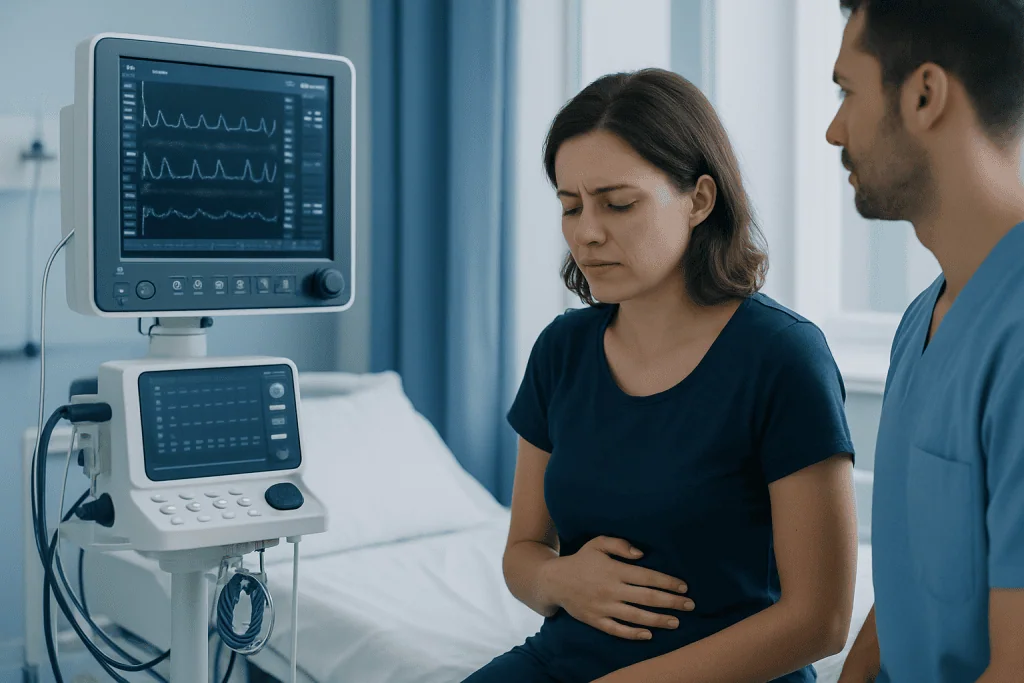
Some people notice symptoms early, while others learn they have cholestasis after routine blood tests. One of the most characteristic symptoms is itching, which can be widespread and intense, often worse at night. Unlike a skin rash, the itching comes from changes inside the body rather than a primary skin disorder.
Jaundice, a yellowing of the skin or eyes, may develop when bilirubin builds up. Dark urine and pale or clay-colored stools can occur because bilirubin is not reaching the intestine in the usual way. Fatigue, nausea, poor appetite, and discomfort in the upper right abdomen may also occur.
If bile flow is reduced for a longer period, the body may absorb fat less effectively. This can contribute to oily stools, unintentional weight loss, or low levels of fat-soluble vitamins such as vitamins A, D, E, and K. In long-standing cases, people may develop easy bruising or bone-related problems linked to vitamin deficiency.
- Itching without an obvious rash
- Yellowing of the eyes or skin
- Dark urine
- Pale stools
- Fatigue or nausea
- Upper abdominal discomfort
Why cholestasis happens

Causes of cholestasis are often grouped by where the interruption in bile flow occurs. Intrahepatic cholestasis can result from viral hepatitis, alcohol-related liver injury, fatty liver disease, autoimmune conditions such as primary biliary cholangitis, inherited disorders, sepsis, or reactions to certain medicines. Some people develop cholestasis during pregnancy, a condition called intrahepatic cholestasis of pregnancy, which needs careful monitoring.
Extrahepatic cholestasis happens when bile ducts are narrowed or blocked after bile leaves the liver. Gallstones are a common cause. Other causes include inflammation, scarring, pancreatic disease, bile duct strictures, and cancers affecting the liver, pancreas, or bile ducts. In some cases, doctors investigate for pancreatic cancer or cholangiocarcinoma when imaging suggests a blockage.
Risk factors depend on the underlying condition. They may include a personal or family history of liver or gallbladder disease, pregnancy, certain prescription medicines or supplements, autoimmune disease, heavy alcohol use, obesity, viral infections, or prior surgery involving the liver, gallbladder, or bile ducts. A full medical history helps doctors narrow the possibilities safely and efficiently.
How doctors diagnose cholestasis
Diagnosis begins with a history, physical examination, and blood tests. Liver function tests often show a cholestatic pattern, including elevations in alkaline phosphatase and gamma-glutamyl transferase, sometimes along with bilirubin. Additional tests may help look for infection, autoimmune disease, medication-related injury, or inherited causes.
Imaging is commonly needed to see whether bile ducts are enlarged or blocked. Ultrasound is often the first test because it is widely available and useful for detecting gallstones and duct dilation. Depending on the results, doctors may order MRI-based bile duct imaging, CT, or endoscopic studies. If there is concern about another liver condition, the evaluation may overlap with workups for cirrhosis.
When the cause remains unclear, more specialized tests may be recommended. These can include antibody testing, elastography, liver biopsy, or procedures that directly examine the bile ducts. The goal is to identify whether the problem lies within the liver cells, the small ducts in the liver, or a larger duct outside the liver, because treatment depends on that distinction.
Treatment depends on the cause
There is no single treatment for cholestasis because it is a sign of another problem. Care usually has two goals: restore bile flow when possible and relieve symptoms while protecting liver function. If a medicine appears to be the cause, a doctor may recommend stopping or changing it under medical supervision. If pregnancy is involved, monitoring and timing of delivery are guided by obstetric and liver specialists.
When a bile duct is blocked, treatment may involve a procedure to open or drain the duct. This can include ERCP to remove stones or place a stent, or surgical treatment when structural problems need repair. If imaging suggests gallstones are the source, doctors may discuss gallbladder surgery after the acute issue is addressed.
Medicines may be used to ease itching and support bile flow in selected situations. Nutritional support can also be important, especially if fat absorption is reduced or vitamin deficiencies develop. When cholestasis is linked to liver failure or advanced chronic liver disease, more specialized treatment is needed, and in some cases people may be evaluated within a liver transplant program.
Living with cholestasis: self-care and prevention
Self-care cannot replace medical treatment, but it can support overall liver health and comfort. People with cholestasis are often advised to avoid alcohol unless a doctor says otherwise, review all medicines and supplements with a clinician, and keep follow-up appointments for blood tests and imaging. Because itching can be disruptive, gentle skin care, fragrance-free moisturizers, cool showers, and avoiding overheating may help reduce irritation.
Nutrition matters when bile flow is impaired. Some people benefit from guidance on balanced meals, adequate calories, and monitoring for fat-soluble vitamin deficiencies. Patients should not start vitamin supplements on their own in high doses, because needs vary and excess can also be harmful. A clinician or dietitian can tailor advice to the underlying cause and the severity of the condition.
Prevention is mainly about addressing risk factors and underlying diseases early. This may include prompt treatment of gallstones, careful use of potentially liver-affecting medicines, vaccination and prevention strategies for viral hepatitis when appropriate, and management of metabolic health. People with chronic liver or biliary disorders often do best with regular specialist follow-up rather than waiting for symptoms to worsen.
When to seek medical care
Medical advice should be sought promptly for new jaundice, persistent itching without a clear skin cause, dark urine, pale stools, or unexplained fatigue accompanied by abnormal liver tests. These symptoms do not always mean a serious blockage, but they do need assessment because early treatment can prevent complications.
Urgent care is especially important if cholestasis symptoms occur with fever, chills, vomiting, confusion, severe abdominal pain, bleeding, or increasing sleepiness. These features can point to infection, significant obstruction, or worsening liver function and should not be ignored.
If specialist evaluation is needed, multidisciplinary teams may include gastroenterologists, hepatologists, radiologists, endoscopists, surgeons, and obstetricians when pregnancy is involved. Acibadem International’s multidisciplinary specialists and JCI-accredited hospitals diagnose and treat cholestatic liver and bile duct conditions for international patients when advanced assessment or treatment is required.
Frequently asked questions
Is cholestasis a disease or a symptom?
Cholestasis is usually considered a condition or clinical finding rather than a single disease. It means bile flow is reduced or blocked, and doctors then look for the underlying cause.
Can cholestasis go away on its own?
Sometimes it improves when the trigger is removed, such as stopping a medication under medical guidance or after pregnancy-related cholestasis resolves. However, it should not be assumed to be harmless, because some causes need urgent treatment.
What is the difference between jaundice and cholestasis?
Jaundice is the yellowing of the skin and eyes caused by bilirubin buildup. Cholestasis is one possible reason bilirubin rises, but jaundice can also happen for other reasons, such as hemolysis or different liver disorders.
Does cholestasis always cause pain?
No. Many people mainly notice itching, jaundice, or changes in urine and stool color. Pain is more likely when cholestasis is related to gallstones, inflammation, or another obstructive problem.
How serious is cholestasis?
The seriousness depends on the cause and how long bile flow is impaired. Some cases are temporary and treatable, while others can lead to infection, vitamin deficiency, or liver damage if not managed appropriately.
Can blood tests alone diagnose cholestasis?
Blood tests can strongly suggest cholestasis by showing a typical liver enzyme pattern and elevated bilirubin. Even so, imaging or other tests are usually needed to identify the reason for the bile flow problem.
References
- National Institute of Diabetes and Digestive and Kidney Diseases
- American College of Gastroenterology
- American Association for the Study of Liver Diseases
- European Association for the Study of the Liver
- Mayo Clinic
This article is for general information only and is not a substitute for professional medical advice. Please consult a qualified doctor about your individual situation.
Persistent digestive symptoms? Get evaluated in Turkey
JCI-accredited · board-certified surgeons · reply within 24h
Add us as a Preferred Source to see more of our trusted health content across Google Search, AI Overviews and Discover.

More from the Health Library



Related Specialists

Ody. Sefa Porsuk
Audiology
Prof. Dr. Ahmet Karaman
Gastroenterology
Prof. Dr. Mustafa Öztürk
Radiology
Assoc. Prof. Dr. Aslıhan Demirel
Infectious Diseases & Clinical Microbiology