

Understanding May Thurner Syndrome: A Complete Patient Guide

May thurner syndrome is a vein compression disorder that most often affects the left side of the pelvis and leg. It may cause no symptoms, but it can also lead to chronic leg discomfort, swelling, or a deep vein thrombosis.
Key Takeaways
- May thurner syndrome is a vein compression disorder that most often affects the left side of the pelvis and leg.
- It may cause no symptoms, but it can also lead to chronic leg discomfort, swelling, or a deep vein thrombosis.
- Diagnosis usually combines a physical exam with imaging such as ultrasound, CT, MR venography, or catheter-based venography.
- Treatment depends on symptoms and whether a clot is present, and may include blood thinners, clot removal procedures, or venous stenting.
- Prompt medical care is important for sudden leg swelling, chest pain, shortness of breath, or signs of a possible blood clot.
May thurner syndrome is a condition in which the right iliac artery compresses the left iliac vein in the pelvis, slowing blood flow from the left leg. Some people have no symptoms, while others develop leg swelling, pain, or deep vein thrombosis, and effective treatment is available after proper evaluation.
Overview: what May Thurner syndrome means
May thurner syndrome is a condition where the right common iliac artery presses on the left common iliac vein in the pelvis. This repeated pressure can narrow the vein and reduce blood flow returning from the left leg. Over time, that slowdown may irritate the vein wall and raise the risk of clotting.
Many people have some degree of iliac vein compression without ever knowing it. May thurner syndrome becomes clinically important when the narrowing causes symptoms such as heaviness, swelling, pain, or skin changes in the leg, or when it contributes to a deep vein thrombosis. In other words, the condition is not defined only by anatomy but by its effect on circulation and symptoms.
The syndrome is usually discussed as a vascular problem rather than a general leg complaint because symptoms can overlap with other conditions. It may resemble varicose vein disease, a muscle strain, or ordinary swelling after long periods of sitting. A careful evaluation helps distinguish it from other causes of leg discomfort and from deep vein thrombosis.
How it can affect the body
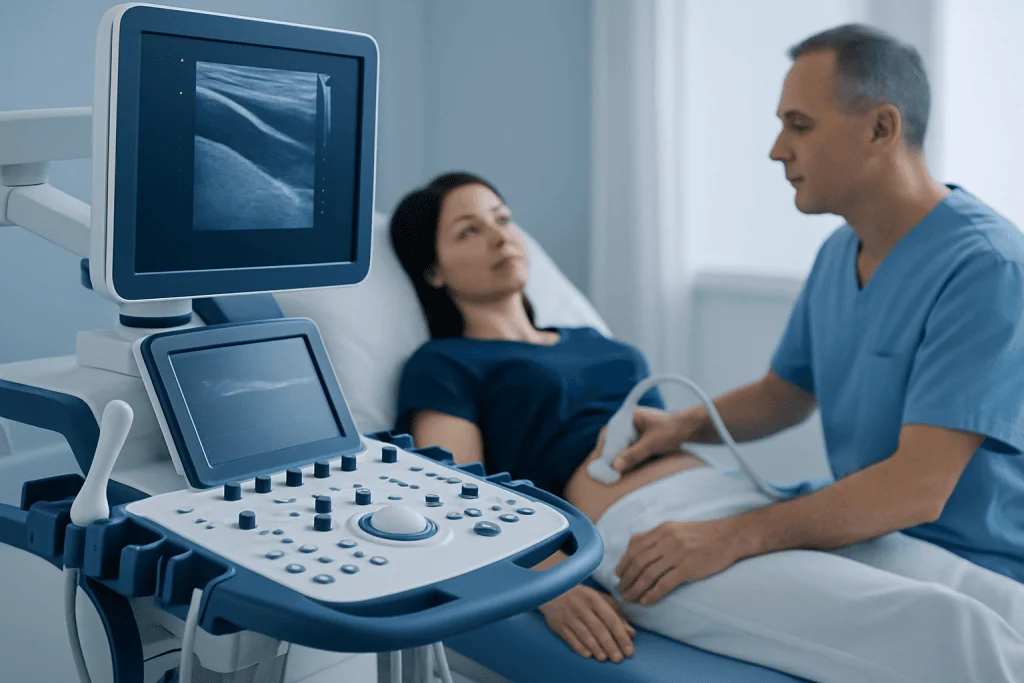
The main issue in may thurner syndrome is venous outflow obstruction. Veins carry blood back toward the heart, and when one of the major pelvic veins is narrowed, pressure can build up in the leg. This can lead to aching, a feeling of fullness, swelling that is often worse later in the day, and visible surface veins that enlarge to compensate.
In some patients, the first sign is not chronic discomfort but a blood clot in the left leg. When blood flow is sluggish, clot formation becomes more likely. A clot may cause sudden swelling, warmth, tenderness, and redness, especially in the calf or thigh. If part of a clot travels to the lungs, it can become a medical emergency.
Chronic untreated vein narrowing may also contribute to longer-term vein problems. These can include persistent swelling, skin discoloration around the ankle, and in more advanced cases skin breakdown. Early recognition is helpful because treatment can reduce symptoms and lower the risk of complications.
Symptoms and possible complications

Symptoms vary widely. Some people have no symptoms at all, while others notice gradual left leg discomfort that may be hard to explain at first. The pattern often becomes clearer with standing, exercise, long travel, or prolonged sitting, when venous return is more easily slowed.
Common symptoms and signs can include:
- Swelling in one leg, usually the left
- Aching, cramping, throbbing, or a feeling of heaviness
- Pain that worsens after standing or sitting for long periods
- Visible varicose veins or enlarged veins in the pelvis or upper thigh
- Skin color changes or irritation in chronic cases
- Sudden calf or thigh swelling if a clot develops
Complications mainly relate to thrombosis and chronic venous insufficiency. A deep vein thrombosis can damage the vein and valves even after the clot is treated, which may lead to ongoing swelling and discomfort. Rarely, clot migration to the lungs can cause pulmonary embolism, which requires urgent care.
Causes and risk factors
The underlying cause is mechanical compression: the right common iliac artery crosses over the left common iliac vein and presses it against the spine. With each heartbeat, the artery can repeatedly pulse against the vein. Over time, this may contribute to scarring or thickening within the vein, making narrowing more significant.
Not everyone with this anatomy develops symptoms. Symptoms become more likely when vein flow is further affected by other clotting or circulation risks. These can include inherited clotting disorders, pregnancy, recent surgery, hormonal medications such as estrogen-containing contraceptives, prolonged immobility, dehydration, active cancer, or previous blood clots.
May thurner syndrome is often identified in younger or middle-aged adults, particularly when an otherwise unexplained left-sided deep vein thrombosis occurs. Still, it can affect a broader range of patients, and the diagnosis should be considered based on symptoms and imaging rather than age alone.
How doctors diagnose May Thurner syndrome
Diagnosis starts with a medical history and physical examination. The doctor will ask about one-sided swelling, pain, prior clots, recent travel or immobility, hormonal medications, pregnancy history, and family history of thrombosis. The pattern of symptoms, especially swelling mainly in the left leg, may suggest a pelvic vein problem.
Imaging is usually needed because the compressed vein lies deep in the pelvis and cannot be assessed fully from symptoms alone. A leg ultrasound is often the first test, especially if a clot is suspected, but ultrasound may not clearly show the iliac vein. Additional tests may include CT venography, MR venography, or catheter venography. In some centers, intravascular ultrasound is used during a procedure to assess the vein from inside and measure the degree of narrowing more precisely.
Doctors also evaluate for related conditions and complications. If there is concern for clotting, blood tests and a broader thrombosis workup may be considered in selected patients. The goal is not simply to confirm compression, but to determine whether it explains the patient’s symptoms and whether treatment is likely to help.
Treatment options and what they aim to do
Treatment depends on whether symptoms are mild, whether a blood clot is present, and how severe the vein narrowing is. For some people with mild symptoms and no clot, conservative measures such as compression stockings, regular movement, hydration, and monitoring may be appropriate. If a clot is present, blood-thinning medication is commonly used to prevent further clot growth and reduce the risk of new clots.
When may thurner syndrome causes significant symptoms or contributes to a large clot, doctors may recommend endovascular treatment. This may include catheter-based clot removal or clot-dissolving therapy in selected cases, followed by opening the narrowed vein with a balloon and placing a stent to help keep it open. A stent does not treat every type of leg swelling, but in properly selected patients it can improve venous drainage and reduce symptoms.
Because treatment is individualized, care often involves vascular medicine, interventional radiology, or vascular surgery specialists. Patients being assessed for clot-related symptoms may also need evaluation and treatment for deep vein thrombosis treatment, and some benefit from varicose veins treatment if surface vein problems coexist. In more complex vein disorders, doctors may also assess for chronic venous insufficiency to guide long-term care.
After treatment, follow-up is important. Patients may need repeat imaging, a period of anticoagulation, compression therapy, and advice about travel, exercise, and future clot risk. Ongoing care helps confirm that the vein remains open and that symptoms are improving as expected.
Prevention, self-care, and living with the condition
There is no guaranteed way to prevent the pelvic anatomy that leads to may thurner syndrome, but practical steps can support vein health and reduce the chance of clot-related problems. Regular walking, changing position during long trips, staying well hydrated, and avoiding long periods of immobility can help blood flow more normally in the legs.
People who already have symptoms may find it helpful to elevate the legs when resting, use compression garments if advised by a clinician, and maintain follow-up appointments. If symptoms worsen during travel, desk work, or recovery from illness, more frequent movement breaks can be useful. These steps do not remove the compression itself, but they may reduce day-to-day discomfort and improve circulation.
Anyone with a history of blood clots should discuss future risk situations with a doctor. Pregnancy, surgery, hospitalization, or hormone therapy may change the balance of risks and may require a personalized prevention plan. Near the end of the care pathway, some patients seek evaluation at centers with multidisciplinary vascular expertise; Acibadem International’s specialists in JCI-accredited hospitals diagnose and treat venous conditions for international patients, including care such as angiography when detailed vascular assessment is needed.
When to seek medical care
Medical assessment is important if one leg, especially the left, becomes repeatedly swollen, painful, or heavy without a clear reason. Care is also appropriate if leg symptoms are persistent, if varicose veins suddenly seem worse, or if skin color changes develop around the ankle or calf. These signs do not always mean may thurner syndrome, but they do deserve evaluation.
Urgent medical care is needed for possible deep vein thrombosis or pulmonary embolism. Warning signs include sudden one-sided leg swelling, marked calf or thigh pain, warmth, redness, chest pain, coughing up blood, shortness of breath, lightheadedness, or fainting. These symptoms should not be self-treated at home.
Because several common and uncommon conditions can cause similar symptoms, it is best not to assume the diagnosis based on internet searches alone. A qualified clinician can confirm whether symptoms relate to vein compression, a clot, another vein disorder, or a different medical issue altogether.
Frequently asked questions
Is May Thurner syndrome rare?
It is considered underdiagnosed rather than simply rare. Some people have iliac vein compression on imaging without symptoms, while others only discover it after leg swelling or a blood clot occurs.
Does May Thurner syndrome always cause a blood clot?
No. Many patients have no clot and may only have heaviness, swelling, or aching in one leg. However, the condition can increase the risk of deep vein thrombosis, which is why symptoms should be assessed promptly.
Why does it usually affect the left leg?
The classic pattern involves the right iliac artery compressing the left iliac vein in the pelvis. Because that vein drains the left leg, symptoms and clots are more often left-sided.
Can May Thurner syndrome be seen on a regular leg ultrasound?
Ultrasound is often the first test, especially to check for a clot in the leg. However, the compressed part of the vein sits deep in the pelvis, so additional imaging such as CT, MR venography, or catheter-based studies may be needed.
Will everyone with May Thurner syndrome need a stent?
No. Treatment depends on symptoms, how severe the narrowing is, and whether a clot is present. Some people are managed conservatively, while others benefit from endovascular procedures such as stenting.
Can May Thurner syndrome come back after treatment?
Symptoms can recur or persist in some patients, which is why follow-up matters. Doctors may monitor recovery with imaging and adjust medications, compression therapy, or other aspects of care based on progress.
References
- National Heart, Lung, and Blood Institute
- Society for Vascular Surgery
- American Heart Association
- Centers for Disease Control and Prevention
- National Institute for Health and Care Excellence
This article is for general information only and is not a substitute for professional medical advice. Please consult a qualified doctor about your individual situation.
Explore treatments in Turkey — costs, top hospitals & a free quote
JCI-accredited · board-certified surgeons · reply within 24h
Add us as a Preferred Source to see more of our trusted health content across Google Search, AI Overviews and Discover.

More from the Health Library



Related Specialists
Prof. Dr. Aziz Kaya Alturfan
Orthopedic Surgery & Traumatology
Prof. Dr. Özlem Dicle
Dermatology
Prof. Dr. Arzu Ertürk
Pulmonary Medicine
Prof. Dr. Abdullah Zorluoğlu
General Surgery