

Bone Cancer: Early Signs, Risk Factors, and How It Is Treated

Bone cancer is uncommon and is different from cancers that spread to bone from another part of the body. Persistent bone pain, swelling, or an unexplained fracture should be medically assessed.
Key Takeaways
- Bone cancer is uncommon and is different from cancers that spread to bone from another part of the body.
- Persistent bone pain, swelling, or an unexplained fracture should be medically assessed.
- Diagnosis usually involves imaging tests and a biopsy to confirm the exact tumor type.
- Treatment is individualized and may include surgery, chemotherapy, and sometimes radiotherapy.
- Care from an experienced multidisciplinary team helps plan treatment and rehabilitation.
Bone cancer is a rare cancer that starts in bone tissue and may cause ongoing bone pain, swelling, or a bone that breaks more easily than expected. Treatment depends on the cancer type, size, grade, and location, and often combines surgery with other therapies such as chemotherapy or radiotherapy.
What bone cancer is
Bone cancer is a malignant tumor that begins in the bone itself. In many people, the term is confusing because cancers from the breast, lung, prostate, or other organs can spread to bone, but those are not primary bone cancers. A true primary bone cancer starts in bone tissue or closely related cells and is much less common than metastatic cancer in bone.
The most recognized primary types include osteosarcoma, chondrosarcoma, and Ewing sarcoma. These differ by the kind of cells involved, the age groups affected, and how they are treated. Some grow in the long bones of the arms or legs, while others can develop in the pelvis, spine, or other bones.
Bone cancer can occur in children, teenagers, and adults, but the pattern varies by type. Osteosarcoma and Ewing sarcoma are more often seen in younger people, while chondrosarcoma is more common in adults. Because symptoms can resemble sports injuries, arthritis, or other bone conditions, diagnosis may take time.
Although hearing the term can feel overwhelming, modern care is structured and team-based. Diagnosis aims to define the exact tumor type and stage, and treatment is planned to remove or control the cancer while preserving function whenever possible.
Early signs and symptoms
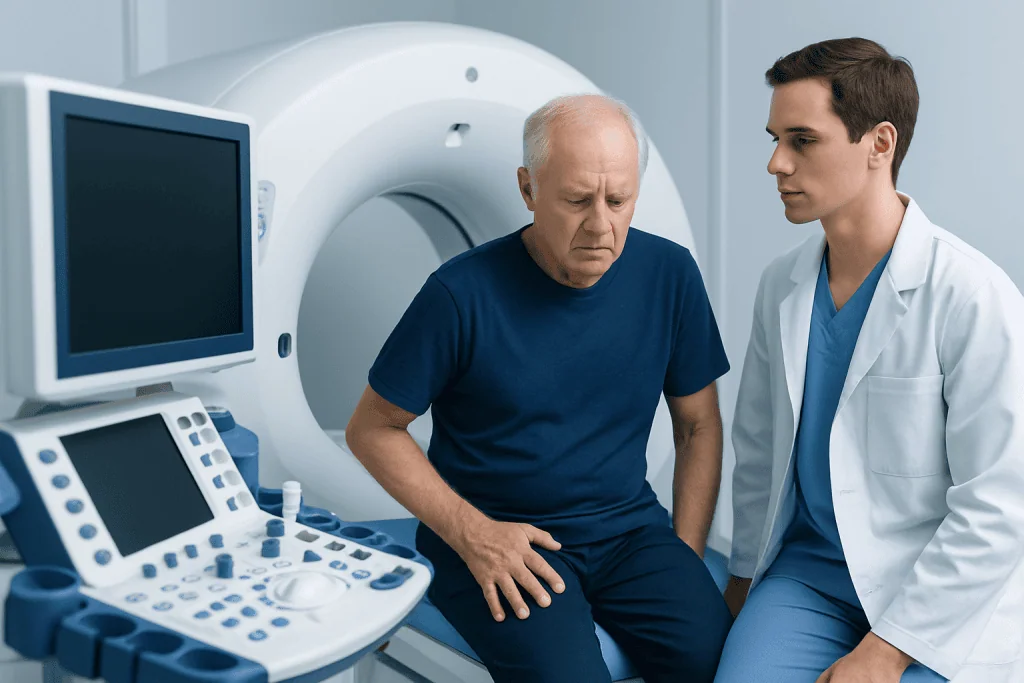
The most common early sign of bone cancer is persistent bone pain. At first, the pain may come and go, feel worse at night, or be noticed during activity. Over time, it often becomes more regular and may not improve with rest in the way a simple strain or bruise would.
Swelling or a lump near the affected bone can also appear, though this may happen later than pain. If the tumor is near a joint, it may limit movement or make walking, bending, or using a limb uncomfortable. Some people notice tenderness when the area is touched.
Another possible sign is a fracture that happens more easily than expected, sometimes after a minor fall or routine activity. A weakened bone can break because the tumor has changed its structure. General symptoms such as fatigue, unintended weight loss, or fever are less common but can occur in some cases.
Symptoms can overlap with noncancerous problems such as overuse injuries, infections, or benign bone tumors. That is one reason persistent or unexplained symptoms should be assessed rather than self-diagnosed. Other bone-related conditions may also need specialist evaluation, including bone metastasis when cancer has spread from another organ.
Causes and risk factors
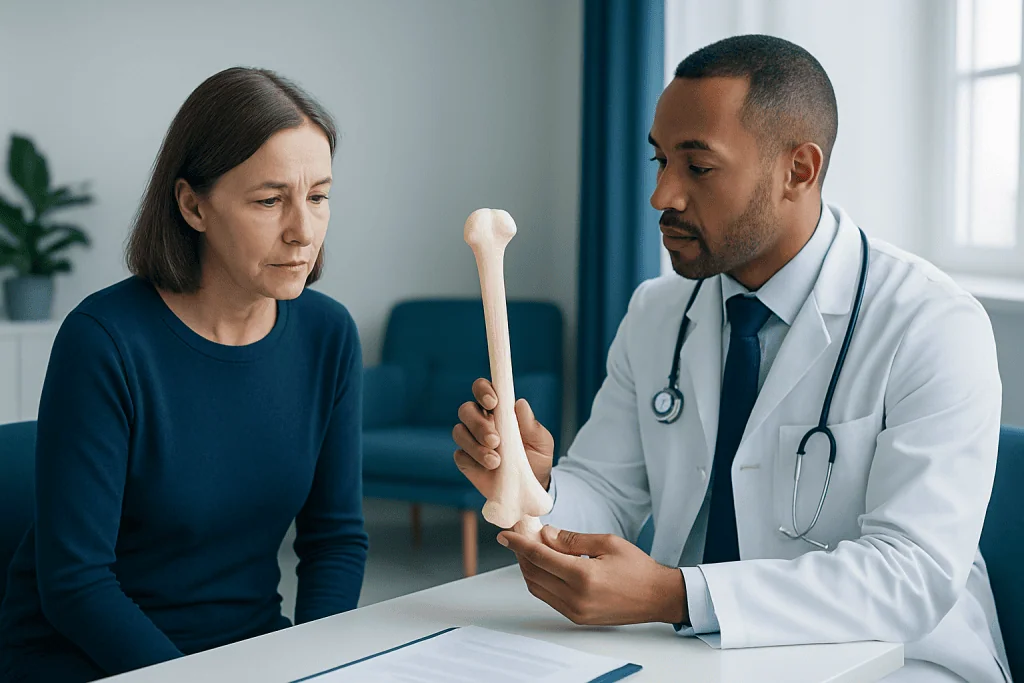
In many people with bone cancer, there is no clear single cause. Cancer develops when cells grow in an uncontrolled way, usually because of changes in their genetic material. Most of these changes are not inherited and happen sporadically, meaning they arise over time without an obvious trigger.
Certain factors can increase risk. Previous radiation therapy to a bone area may raise the chance of a later bone cancer, especially many years after treatment. Some inherited conditions linked to DNA repair or tumor suppression can also increase risk, though these are uncommon.
Paget disease of bone, which mainly affects older adults, has been associated with a higher risk of osteosarcoma in rare cases. Some noncancerous bone conditions and repeated bone remodeling may also be part of the clinical picture, but they do not mean a person will develop cancer.
It is important to know that ordinary physical activity, minor bumps, or routine exercise do not cause bone cancer. Most people with bone pain do not have cancer. Still, symptoms that are persistent, progressive, or unexplained deserve medical attention so common conditions and more serious causes can be distinguished.
How bone cancer is diagnosed
Diagnosis begins with a careful medical history and physical examination. A clinician asks about the pattern of pain, any swelling, recent injuries, overall health, and family history. This first step helps guide which tests are most useful and whether urgent assessment is needed.
Imaging is central to evaluation. An X-ray is often the first test and may show changes in the bone structure. Depending on the findings, doctors may use MRI to define the tumor and nearby soft tissues, CT to look more closely at bone or chest involvement, and bone scans or PET imaging in selected cases to assess spread.
A biopsy is needed to confirm bone cancer and identify the specific type. In a biopsy, a specialist removes a small tissue sample with a needle or through a minor surgical procedure, and a pathologist examines it under a microscope. Because biopsy planning can affect later surgery, it is best done by a team experienced in musculoskeletal tumors.
Blood tests may support the overall assessment, though they do not diagnose bone cancer by themselves. Once the pathology is confirmed, the team stages the cancer by evaluating its size, grade, location, and whether it has spread. In some patients, advanced imaging such as PET-CT imaging may help with staging and treatment planning.
Treatment options and how decisions are made
Bone cancer treatment is individualized. The plan depends on the tumor type, grade, size, exact location, whether it has spread, and the person’s age and general health. Care is usually coordinated by a multidisciplinary team that may include orthopedic oncology surgeons, medical oncologists, radiation oncologists, radiologists, pathologists, and rehabilitation specialists.
Surgery is often the main treatment for localized primary bone cancer. The goal is to remove the tumor completely with a margin of healthy tissue. Whenever appropriate, limb-sparing surgery is preferred so that the arm or leg can be preserved, sometimes using reconstruction with metal implants, bone grafts, or other techniques. In selected cases, orthopedic oncology surgery is the cornerstone of treatment.
Chemotherapy is commonly used for some bone cancers, especially osteosarcoma and Ewing sarcoma. It may be given before surgery to shrink the tumor and after surgery to reduce the risk of recurrence. For some patients, systemic care through medical oncology is an essential part of treatment planning.
Radiotherapy may be used when a tumor is sensitive to radiation, when surgery is not possible, or to help control symptoms. Chondrosarcoma is generally less responsive to standard chemotherapy, so treatment often relies more heavily on surgery. Supportive care, rehabilitation, pain management, and emotional support are important throughout recovery. In selected cases, radiation oncology may be included as part of a broader care plan.
Recovery, follow-up, and self-care
Recovery after bone cancer treatment is often gradual and depends on the treatment used and the bone involved. Surgery may require rehabilitation to rebuild strength, improve movement, and adapt to reconstruction or changes in function. People who receive chemotherapy or radiotherapy may also need time and support to manage fatigue and other side effects.
Follow-up appointments are an important part of care. Doctors monitor healing, watch for recurrence, and check for any late effects of treatment. Follow-up may include physical examinations, imaging tests, and discussions about symptoms, mobility, school or work, and emotional well-being.
Self-care supports recovery but does not replace medical follow-up. Helpful steps often include taking medications as prescribed, attending rehabilitation sessions, eating a balanced diet, staying active within medical guidance, and reporting new pain, swelling, fever, or changes in function promptly. Emotional support from family, counseling, or peer groups can also be valuable.
Because bone tumors and their treatment can affect mobility and daily routines, practical planning matters too. Patients may benefit from advice on safe movement, fall prevention, return to exercise, and protecting the treated limb. Near the end of the treatment journey, some international patients may choose evaluation at centers such as Acibadem International, where multidisciplinary specialists in JCI-accredited hospitals diagnose and treat bone cancer.
When to seek medical care
Medical care should be sought for bone pain that lasts for weeks, keeps returning, or feels worse at night or at rest. Swelling, a new lump, limping, reduced movement in a joint, or pain that is not explained by a clear injury also deserve assessment. These symptoms do not automatically mean cancer, but they should not be ignored.
More urgent evaluation is needed if a bone seems to break after a minor injury, if pain becomes severe suddenly, or if swelling rapidly increases. People who have had previous radiation treatment to the area, known inherited cancer syndromes, or a history of another cancer should mention this when they seek care.
It is also reasonable to ask for specialist review if symptoms continue despite treatment for a presumed strain or sports injury. Early assessment can help rule out serious causes, confirm benign conditions, or identify a tumor at a stage when treatment planning may be more straightforward.
Frequently asked questions
What is the difference between bone cancer and cancer that spreads to bone?
Bone cancer usually refers to a primary cancer that starts in the bone itself. Cancer that spreads to bone began in another organ, such as the breast or lung, and is treated according to its original cancer type.
Is bone pain always a sign of bone cancer?
No. Bone pain is much more often caused by injuries, arthritis, overuse, infection, or other noncancerous problems. However, pain that is persistent, progressive, unexplained, or worse at night should be checked by a doctor.
Can bone cancer be cured?
Some cases can be treated successfully, especially when the cancer is found before it has spread and can be removed completely. Outlook depends on the exact type of bone cancer, its stage, and how it responds to treatment.
How is bone cancer confirmed?
Imaging tests can strongly suggest a bone tumor, but a biopsy is needed to confirm the diagnosis. The biopsy shows the exact type of tumor and helps doctors choose the most appropriate treatment.
Does bone cancer always require amputation?
No. Many patients can have limb-sparing surgery, which removes the tumor while preserving the arm or leg. The surgical approach depends on the tumor’s size, location, and involvement of nearby nerves, blood vessels, and soft tissues.
Who is more likely to get bone cancer?
Risk varies by tumor type. Some primary bone cancers are more common in children and teenagers, while others are more often seen in adults, and certain inherited conditions or prior radiation exposure may increase risk.
References
- National Cancer Institute
- American Cancer Society
- National Health Service
- National Comprehensive Cancer Network
- World Health Organization
This article is for general information only and is not a substitute for professional medical advice. Please consult a qualified doctor about your individual situation.
Oncology care in Turkey — second opinion and treatment plan
JCI-accredited · board-certified surgeons · reply within 24h
Add us as a Preferred Source to see more of our trusted health content across Google Search, AI Overviews and Discover.

More from the Health Library



Related Specialists

Dr. Ersin Adem Hadzhiyusein
Inpatient Clinic Physicians Clinical Service
Ody. Meltem Doğan
Audiology
Fzt. Tuğçe Kahraman
Physical Medicine & Rehabilitation
Prof. Dr. Züleyha Akkan Çetinkaya
Gastroenterology