Brain Stem: A Complete Medical Overview
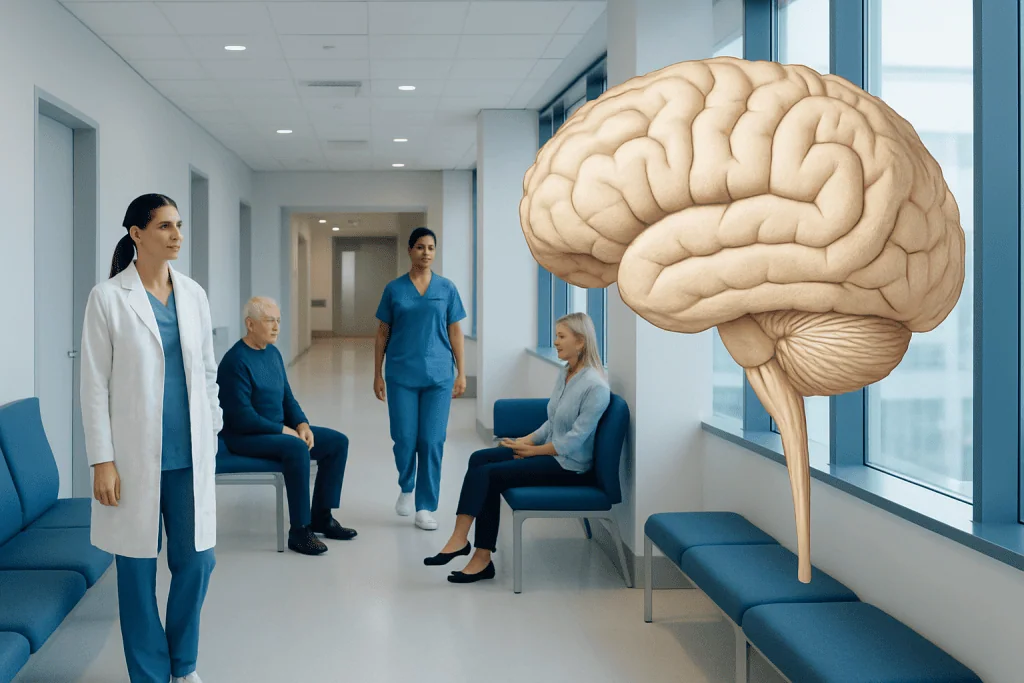
The brain stem links the brain and spinal cord and regulates many automatic body functions. It includes three main parts: the midbrain, pons, and medulla.
Key Takeaways
- The brain stem links the brain and spinal cord and regulates many automatic body functions.
- It includes three main parts: the midbrain, pons, and medulla.
- Brain stem disorders may cause dizziness, swallowing trouble, weakness, double vision, or changes in consciousness.
- Diagnosis often relies on neurological examination and brain imaging such as MRI or CT.
- Treatment depends on the cause and may involve emergency care, medication, rehabilitation, or surgery.
- Sudden brain stem symptoms require prompt medical evaluation.
The brain stem is the lower part of the brain that connects the brain to the spinal cord and helps control vital functions such as breathing, heart rate, swallowing, sleep, and alertness. Because it contains many important nerve pathways and control centers in a small area, brain stem problems can affect movement, sensation, balance, speech, and consciousness.
Overview: What the Brain Stem Does
The brain stem is the stalk-like part of the brain located at its base, where the brain connects to the spinal cord. It is essential for life because it helps regulate breathing, heart rate, blood pressure, swallowing, sleep-wake cycles, and alertness. It also serves as a communication pathway, carrying signals between the brain, spinal cord, and the rest of the body.
Although it is relatively small, the brain stem contains densely packed nerve fibers and clusters of nerve cells called nuclei. These structures help control eye movements, facial sensation, hearing, balance, speech, and coordination of many automatic functions. This is why even a small injury or illness in the brain stem can cause a wide range of symptoms.
The brain stem is usually divided into three sections: the midbrain, pons, and medulla. Each section has different roles, but they work together continuously. Understanding the brain stem helps explain why symptoms such as double vision, slurred speech, difficulty swallowing, and sudden imbalance can point to a neurological problem that needs careful assessment.
Brain Stem Anatomy and Main Functions
The midbrain is the upper part of the brain stem. It helps with eye movements, visual and auditory reflexes, and aspects of movement control. It also contains pathways that connect higher brain centers with lower parts of the nervous system.
The pons sits between the midbrain and medulla. It helps relay information between the brain and cerebellum, which is important for balance and coordination. The pons also supports facial movements, hearing, chewing, and parts of breathing control.
The medulla is the lowest part of the brain stem and continues into the spinal cord. It plays a major role in automatic functions that the body performs without conscious effort, including breathing rhythm, heart rate, blood pressure regulation, coughing, sneezing, and swallowing.
Several cranial nerves begin in or pass through the brain stem. These nerves are involved in facial sensation, eye movement, hearing, taste, swallowing, and shoulder or tongue movement. Because so many functions are concentrated here, brain stem disease can produce a recognizable combination of symptoms affecting both the head and the rest of the body.
Symptoms of Brain Stem Problems

Brain stem symptoms depend on which area is affected and how suddenly the problem develops. Some people notice gradual symptoms, while others develop sudden changes that need urgent medical care. Common symptoms can include dizziness, vertigo, double vision, facial numbness, hearing changes, slurred speech, hoarseness, trouble swallowing, weakness, numbness, poor coordination, or unsteady walking.
Because the brain stem helps regulate consciousness and automatic functions, more serious involvement may lead to confusion, extreme sleepiness, breathing difficulty, abnormal heart rate, or loss of consciousness. In some cases, symptoms affect one side of the face and the opposite side of the body, which can be a clue to a brain stem lesion.
Symptoms do not always mean there is permanent damage. For example, inflammation, infection, migraine-related neurological symptoms, and some temporary circulation problems can mimic more severe disorders. Even so, new or unexplained neurological symptoms should not be ignored.
- Double vision or abnormal eye movements
- Difficulty swallowing or choking
- Sudden imbalance or falls
- Slurred speech or voice changes
- Facial weakness or numbness
- Arm or leg weakness, numbness, or poor coordination
- Changes in alertness, breathing, or consciousness
Causes and Risk Factors
Brain stem problems can happen for many different reasons. One important cause is reduced blood flow, such as a stroke affecting the back part of the brain circulation. Bleeding, trauma, infections, inflammatory disorders, demyelinating diseases, and tumors can also involve the brain stem. Less commonly, congenital abnormalities or degenerative neurological diseases may affect this area.
Risk factors depend on the underlying condition. For vascular causes, high blood pressure, diabetes, smoking, high cholesterol, heart rhythm disorders, and older age raise risk. For infections or inflammatory diseases, immune status and exposure history may be relevant. Head injury can damage the brain stem directly or indirectly through swelling.
Tumors in or near the brain stem may be primary growths arising from nervous tissue or lesions spreading from another site. These may develop slowly and cause symptoms over time, such as progressive imbalance, swallowing changes, or cranial nerve problems. In selected cases, doctors may investigate related concerns such as brain tumor when imaging shows a mass near the brain stem.
Sometimes symptoms arise from pressure on the brain stem rather than damage within it. Swelling, hydrocephalus, or structural abnormalities at the base of the skull can disrupt normal function. This is one reason prompt evaluation is important when symptoms are severe, persistent, or worsening.
How Brain Stem Conditions Are Diagnosed
Diagnosis begins with a careful medical history and neurological examination. A doctor looks for patterns involving eye movements, facial strength, sensation, swallowing, speech, coordination, reflexes, and limb function. The timing of symptoms is especially important because sudden symptoms may suggest a stroke or other emergency.
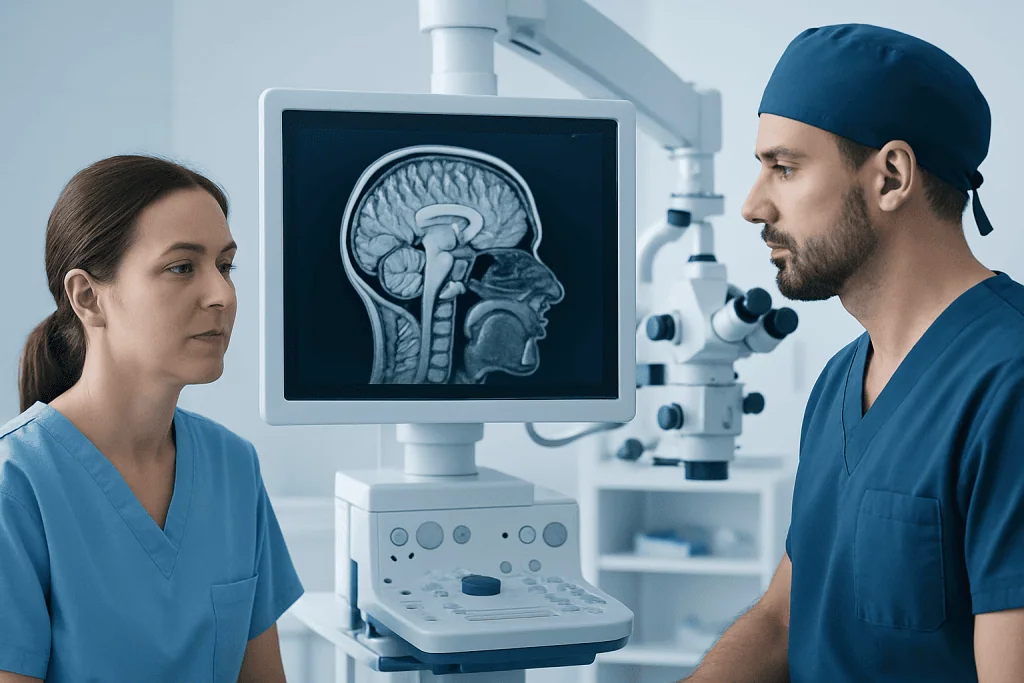
Brain imaging is often central to diagnosis. A CT scan may be used first in emergencies to check for bleeding or major structural problems. MRI usually provides more detailed images of the brain stem and is often better for identifying small strokes, inflammation, demyelination, infection, or tumors. In some situations, doctors may use advanced imaging or angiography to assess blood vessels, especially if a vascular abnormality is suspected.
Additional tests may include blood tests, heart rhythm monitoring, swallowing assessment, hearing tests, or lumbar puncture if infection or inflammation is a concern. If a mass, cyst, or pressure-related problem is found, the care team may discuss specialized options such as brain surgery or other targeted procedures, depending on the location and cause.
Treatment Options and Recovery
Treatment for a brain stem problem depends entirely on the underlying cause. A brain stem stroke may require urgent hospital treatment to restore or protect blood flow and prevent complications. Infections are treated with appropriate antimicrobial medicines. Inflammatory or autoimmune conditions may respond to steroids or other immune therapies. Tumors may be managed with observation, medication, surgery, radiation, or a combination, depending on the diagnosis.
Supportive care is often very important. Some patients need monitoring of breathing, heart function, swallowing, and nutrition. If swallowing is impaired, a speech and swallowing specialist may recommend texture changes or therapy to reduce the risk of choking. Rehabilitation may include physical therapy, occupational therapy, and speech therapy to improve balance, movement, communication, and daily function.
When blood vessel disease is involved, treatment may also focus on reducing future risk with blood pressure control, diabetes management, cholesterol treatment, smoking cessation, and other preventive strategies. In carefully selected cases involving vascular blockage or bleeding risk, doctors may consider advanced procedures such as interventional neuroradiology or stroke treatment pathways.
Recovery varies widely. Some people improve significantly with early treatment and rehabilitation, while others may have lasting effects. Follow-up care usually involves neurology and, when needed, neurosurgery, rehabilitation medicine, or ear-balance and swallowing specialists. Near the end of the care pathway, some international patients may seek evaluation at Acibadem International, where multidisciplinary specialists in JCI-accredited hospitals diagnose and treat complex neurological conditions.
Prevention and Self-Care
Not all brain stem conditions can be prevented, but some of the most serious causes are linked to overall vascular and neurological health. Managing blood pressure, blood sugar, and cholesterol, staying physically active, not smoking, and following treatment for heart disease can lower the risk of stroke and other circulation-related problems.
People who have balance problems, swallowing changes, or neurological symptoms should avoid self-diagnosis. Practical self-care measures may help while waiting for medical review, such as eating slowly, avoiding driving if vision or balance is affected, and having support when walking. These steps do not replace proper assessment.
After diagnosis, recovery often improves with consistent rehabilitation, medication adherence, and regular follow-up. Patients and families may find it helpful to keep a symptom diary, especially if episodes are intermittent. Noting the time, duration, triggers, and associated symptoms can help clinicians understand whether a problem is worsening or responding to treatment.
When to Seek Medical Care
Immediate medical care is important if symptoms begin suddenly or are severe. Emergency evaluation is needed for sudden weakness, numbness, trouble speaking, double vision, facial drooping, severe imbalance, loss of consciousness, or difficulty breathing. These can be signs of a stroke or another urgent brain stem problem.
A person should also see a doctor promptly for ongoing swallowing difficulty, repeated choking, persistent dizziness, new hearing loss, unexplained facial numbness, or progressive coordination problems. Even when symptoms seem mild, they can reflect a condition that needs early treatment.
Medical advice is especially important for people with known vascular risk factors, a recent head injury, cancer, infection, or immune-related illness. A qualified clinician can decide whether symptoms are likely to be temporary, require urgent imaging, or need referral to a neurologist or neurosurgeon.
Frequently asked questions
What is the brain stem in simple terms?
The brain stem is the lower part of the brain that connects the brain to the spinal cord. It helps control automatic functions such as breathing, heartbeat, swallowing, sleep, and alertness.
What are the three parts of the brain stem?
The brain stem has three main parts: the midbrain, pons, and medulla. Each part supports different functions, including eye movements, facial control, breathing, balance, and circulation.
Can brain stem problems be serious?
Yes, they can be serious because the brain stem controls vital functions and contains many important nerve pathways in a small space. However, the outcome depends on the cause, how quickly it is diagnosed, and how soon treatment begins.
What symptoms can suggest a brain stem disorder?
Possible symptoms include double vision, dizziness, trouble swallowing, slurred speech, facial numbness, weakness, imbalance, and changes in alertness. Sudden onset of these symptoms should be treated as urgent.
How do doctors check the brain stem?
Doctors usually start with a neurological examination and then use imaging such as CT or MRI. Other tests may be added depending on the suspected cause, including blood tests, heart monitoring, or swallowing studies.
Can someone recover from a brain stem injury or illness?
Many people can improve, especially when the cause is treated early and rehabilitation starts promptly. Recovery varies widely, and some patients may need ongoing therapy for movement, speech, swallowing, or balance.
References
- National Institute of Neurological Disorders and Stroke
- National Institute on Deafness and Other Communication Disorders
- American Stroke Association
- Mayo Clinic
- Merck Manual Consumer Version
This article is for general information only and is not a substitute for professional medical advice. Please consult a qualified doctor about your individual situation.
Joint and spine care in Turkey — expert assessment & treatment
JCI-accredited · board-certified surgeons · reply within 24h
Add us as a Preferred Source to see more of our trusted health content across Google Search, AI Overviews and Discover.
Check your numbers in seconds
BMI, calories, due date, blood pressure and 30+ more clinical calculators — free, instant, doctor-reviewed ranges.