Hormonal Imbalance — Explained by Medical Evidence, Not Myths

Hormonal imbalance can affect energy, mood, sleep, skin, weight, menstrual cycles, sexual health, and metabolism. The term describes many possible conditions, so diagnosis depends on symptoms, medical history, examination, and targeted testing.
Key Takeaways
- Hormonal imbalance can affect energy, mood, sleep, skin, weight, menstrual cycles, sexual health, and metabolism.
- The term describes many possible conditions, so diagnosis depends on symptoms, medical history, examination, and targeted testing.
- Common causes include thyroid disease, diabetes, polycystic ovary syndrome, menopause, stress, certain medicines, and pituitary or adrenal disorders.
- Treatment focuses on the underlying cause and may involve lifestyle changes, monitoring, medicines, or specialist care.
- Persistent, severe, or rapidly changing symptoms should be assessed by a qualified doctor rather than attributed to myths or social media advice.
Hormonal imbalance is not a single disease. It is a descriptive term for symptoms and health changes that happen when one or more hormones are outside the body’s usual range or when tissues do not respond to hormones normally.
Overview: what hormonal imbalance really means
Hormonal imbalance means the body is making too much or too little of a hormone, or that organs and tissues are not responding to a hormone as expected. Hormones act as chemical messengers and help regulate growth, metabolism, blood sugar, reproduction, sleep, stress responses, and many other functions. Because hormones affect several body systems at once, changes can feel wide-ranging rather than limited to one symptom.
The phrase is common in everyday conversation, but it is not a diagnosis by itself. Medical evaluation aims to identify which hormone pathway may be involved and whether symptoms are related to a specific condition such as thyroid disease, diabetes, polycystic ovary syndrome, menopause, pituitary disorders, or adrenal problems. In many cases, symptoms that seem hormonal may also have non-hormonal causes, including poor sleep, nutritional issues, depression, medication side effects, or chronic illness.
Reliable care begins with evidence rather than myths. There is no single “hormone reset” that fits everyone, and supplements or restrictive diets are not a substitute for diagnosis. A clinician looks at the whole picture: symptoms, timing, age, menstrual or reproductive history when relevant, medications, family history, and selected tests.
Common symptoms and how they may appear
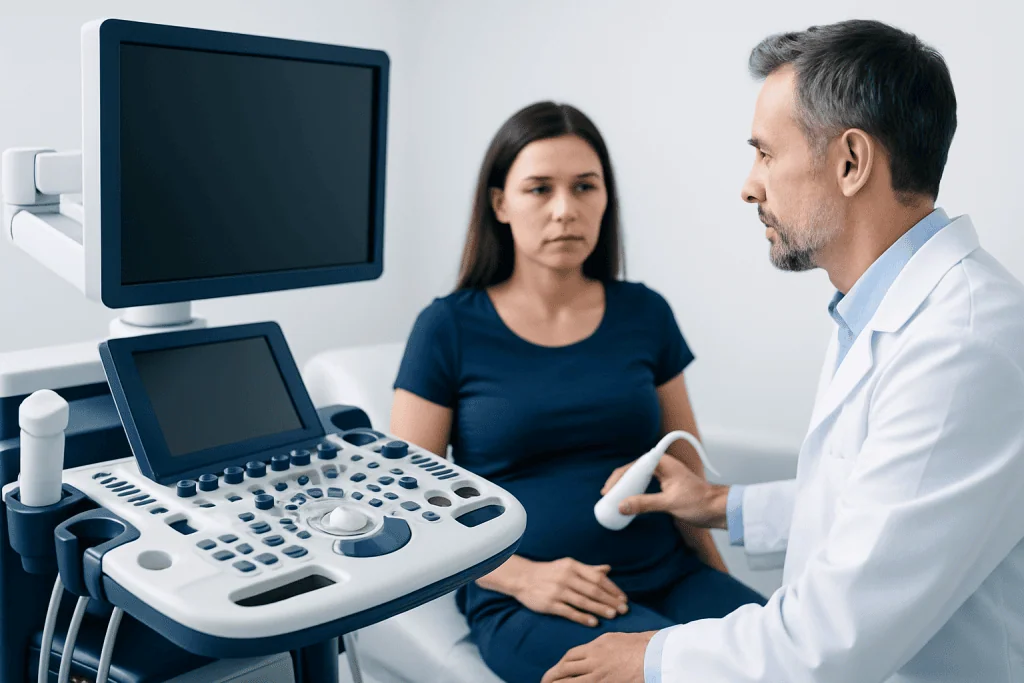
Hormonal imbalance symptoms vary by which gland or hormone is involved. Some people notice gradual changes over months, while others develop symptoms more suddenly. The same symptom can have many causes, so patterns matter as much as individual complaints.
Possible symptoms may include:
- Unexplained weight gain or weight loss
- Fatigue, low energy, or weakness
- Changes in appetite or thirst
- Mood changes, anxiety, irritability, or low mood
- Sleep problems or feeling unusually sleepy
- Menstrual irregularity, heavy bleeding, missed periods, or fertility concerns
- Hot flashes, night sweats, or vaginal dryness around menopause
- Acne, oily skin, hair thinning, or increased facial/body hair
- Reduced libido or sexual dysfunction
- Sensitivity to heat or cold
- Palpitations, tremor, sweating, or bowel habit changes
Children and adolescents can show different patterns, such as growth concerns, delayed puberty, or early puberty. In adults, symptoms often overlap with stress, aging, and common medical conditions, which is why self-diagnosis can be misleading. A doctor may consider whether symptoms point toward thyroid hormone changes, blood sugar problems, sex hormone fluctuations, cortisol imbalance, or less common endocrine disorders.
It is also important to note that “normal” life transitions can involve hormonal shifts without indicating disease. Puberty, pregnancy, the postpartum period, perimenopause, and menopause all involve major hormonal changes. These still deserve medical attention if symptoms are disruptive, severe, or unusual.
Causes and risk factors

Hormonal imbalance can arise from endocrine gland disorders, normal life stages, chronic disease, or outside influences such as medicines. The endocrine system includes the thyroid, pancreas, ovaries, testes, pituitary gland, adrenal glands, and other tissues that produce hormones. A problem in one part of the system can affect several others.
Common medical causes include thyroid disorders, insulin resistance and diabetes, polycystic ovary syndrome, menopause, and conditions affecting the pituitary or adrenal glands. Less commonly, tumors that produce hormones, autoimmune disease, eating disorders, severe illness, or genetic conditions can be involved. Some symptoms may also appear after cancer treatment, major surgery, or significant weight changes.
Risk factors depend on the underlying condition but can include family history of endocrine disease, obesity, chronic stress, sleep disruption, pregnancy-related changes, aging, and certain medications such as steroids, hormonal contraception, fertility drugs, or treatments affecting the thyroid. Exposure to smoking and heavy alcohol use may worsen some endocrine and reproductive health issues.
Stress deserves careful explanation because it is often overused online. Ongoing stress can affect cortisol and sleep, which may influence appetite, menstrual cycles, energy, and mood. However, stress does not explain every symptom, and persistent changes should not automatically be dismissed as stress-related without medical assessment.
How doctors diagnose hormonal imbalance
Diagnosis starts with a detailed medical history and physical examination. A clinician asks when symptoms began, whether they fluctuate, how they relate to menstrual cycles if relevant, and whether there are warning signs such as unintended weight loss, fainting, severe headaches, vision changes, or rapid heartbeat. Medication use, supplements, pregnancy status, and family history are also important.
Tests are chosen based on the suspected cause rather than ordered all at once. Depending on symptoms, a doctor may request blood tests for thyroid function, blood glucose, hemoglobin A1c, reproductive hormones, cortisol-related markers, or other endocrine studies. In some situations, urine or saliva tests may have a role, but blood testing is often central. Timing matters for certain hormone tests, especially in menstruating patients.
Imaging may be needed when a structural problem is suspected. Examples include thyroid ultrasound for nodules or enlargement, pelvic ultrasound when polycystic ovary syndrome is being considered, or scans of the pituitary or adrenal glands in selected cases. If imaging or blood tests suggest a thyroid growth, further evaluation may include thyroid biopsy to clarify the diagnosis.
Because symptoms can mimic many conditions, doctors may also check for anemia, nutrient deficiencies, liver or kidney disease, sleep disorders, or mental health concerns. A careful, stepwise approach helps avoid unnecessary testing while still identifying conditions that require treatment.
Treatment options based on the cause
There is no single hormonal imbalance treatment that works for everyone. Care is directed at the diagnosed cause and the person’s symptoms, age, overall health, and reproductive goals. For some people, treatment mainly involves monitoring and lifestyle changes; for others, prescription medicines or procedures are needed.
Examples of evidence-based treatment include thyroid hormone replacement for hypothyroidism, medicines that reduce excess thyroid hormone activity in hyperthyroidism, blood sugar management for diabetes, treatment for polycystic ovary syndrome, and symptom-directed care around menopause. Some patients with thyroid enlargement or nodules may need thyroid surgery if doctors identify cancer, compressive symptoms, or other clear indications. Selected endocrine or reproductive conditions may also need referral to specialists in gynecology, endocrinology, dermatology, fertility, or mental health.
Lifestyle measures can support treatment but should not replace medical care. Balanced nutrition, regular physical activity, good sleep habits, stress management, and limiting smoking and excess alcohol can improve metabolic and reproductive health. When weight changes are part of the picture, safe, sustainable plans are preferred over rapid detoxes or severe restriction.
At the end of the evaluation process, some people learn their symptoms are not due to a hormone disorder. That can still be useful, because it redirects care toward the true cause. For international patients who need coordinated endocrine and related specialist assessment, Acibadem International’s multidisciplinary teams in JCI-accredited hospitals diagnose and treat a wide range of hormone-related conditions.
Prevention, self-care, and separating myths from facts
Not every hormonal disorder can be prevented, especially those linked to autoimmune disease, genetics, aging, or tumors. Still, healthy daily habits can lower risk for some metabolic and reproductive problems and may reduce symptom burden. Regular sleep, physical activity, weight management, and a varied diet help support insulin sensitivity, cardiovascular health, and overall endocrine balance.
It is wise to be cautious with online claims. A “hormone balancing” product, test, or diet may sound appealing, but many are not backed by strong evidence. Over-the-counter supplements can also interfere with test results or prescribed medicines. Patients should tell their doctor about all supplements, hormone products, or herbal remedies they use.
Practical self-care steps include tracking symptoms, noting menstrual patterns when relevant, recording sleep and energy changes, and seeking care before symptoms become severe. People with diagnosed endocrine disease should keep follow-up appointments and have recommended lab monitoring. Good control of conditions such as diabetes and thyroid disease often improves day-to-day well-being and lowers the risk of complications.
Some situations benefit from specialist review, especially when symptoms involve the neck, swallowing, or visible thyroid enlargement. If structural thyroid disease is found, management may overlap with care for thyroid cancer or benign thyroid conditions depending on test results.
When to seek medical care
Medical review is appropriate when symptoms are persistent, getting worse, or affecting daily life. This includes ongoing fatigue, unexplained weight change, repeated missed periods, troublesome hot flashes, new acne or hair growth changes, significant mood changes, palpitations, or changes in thirst and urination. People who are trying to conceive or who have concerns during pregnancy should seek prompt advice.
Urgent care is important for warning signs such as chest pain, fainting, severe shortness of breath, confusion, severe dehydration, a very rapid heartbeat, sudden vision changes, severe headache, or signs of very high or very low blood sugar. A rapidly enlarging neck mass, trouble swallowing, or difficulty breathing also needs prompt medical attention.
Early evaluation does not always mean a serious problem is present. In many cases, it provides reassurance, identifies manageable causes, and helps avoid unnecessary self-treatment. A qualified doctor can decide whether simple monitoring is enough or whether endocrine testing and specialist referral are needed.
Frequently asked questions
Is hormonal imbalance a real medical condition?
Hormonal imbalance is a real medical concept, but it is not one single diagnosis. It describes a situation in which hormone levels are too high or too low, or the body responds to them abnormally, and doctors then look for the specific cause.
What is the most common sign of hormonal imbalance?
There is no single most common sign because symptoms depend on which hormone is affected. Fatigue, weight changes, irregular periods, mood changes, skin changes, and sleep problems are frequent reasons people seek evaluation.
Can stress cause hormonal imbalance?
Chronic stress can affect cortisol, sleep, appetite, and menstrual patterns, so it can contribute to hormone-related symptoms. However, stress should not be assumed to be the only cause, especially if symptoms are persistent, severe, or worsening.
How is hormonal imbalance tested?
Doctors usually begin with a medical history, physical examination, and targeted blood tests based on the symptoms. Additional tests such as ultrasound or other imaging may be needed if a thyroid, pituitary, adrenal, or reproductive condition is suspected.
Can hormonal imbalance go away on its own?
Some hormone changes are temporary, such as those linked to puberty, pregnancy, the postpartum period, or perimenopause. Others, like thyroid disease or diabetes, usually need medical follow-up and sometimes long-term treatment.
Do supplements fix hormonal imbalance?
Supplements do not reliably treat most hormone disorders, and some can interfere with tests or medicines. It is safer to have symptoms assessed first so treatment targets the actual cause rather than a broad wellness claim.
This article is for general information only and is not a substitute for professional medical advice. Please consult a qualified doctor about your individual situation.
Explore treatments in Turkey — costs, top hospitals & a free quote
JCI-accredited · board-certified surgeons · reply within 24h
Add us as a Preferred Source to see more of our trusted health content across Google Search, AI Overviews and Discover.

More from the Health Library

Fibroglandular Density — Explained by Medical Evidence, Not Myths

Dyspepsia: What Patients Need to Know

Buttocks Hair: A Complete Medical Overview

Parasocial: An Evidence-Based Guide for Patients

MCHC: What Patients Need to Know