Headache Waking: Common Causes, Related Conditions, and When to See a Doctor
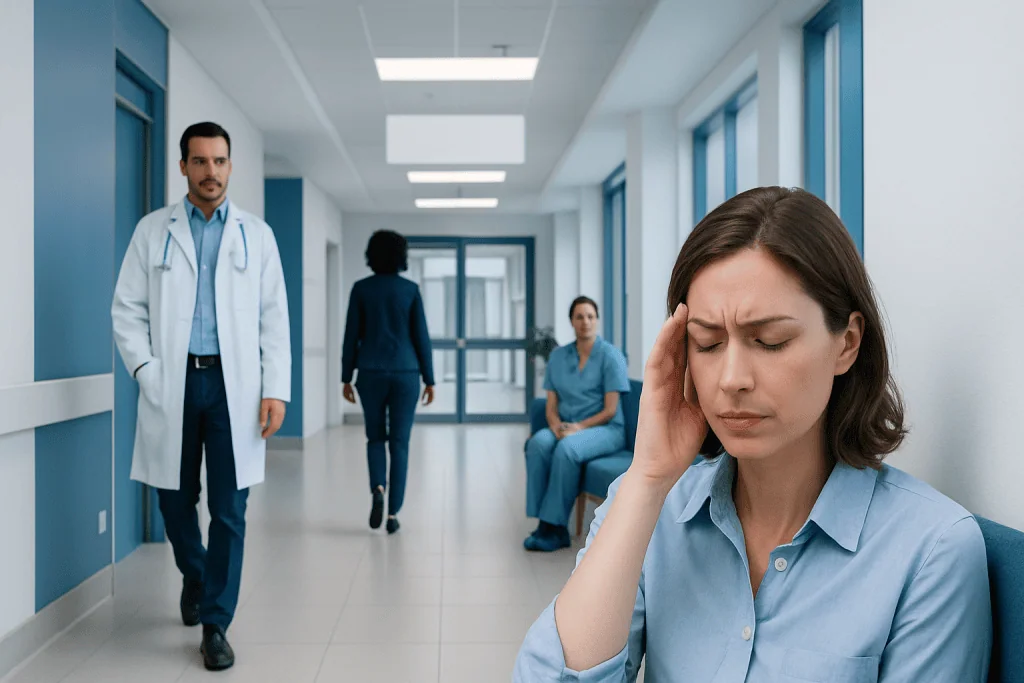
Headache waking is a symptom, not a diagnosis, and many causes are treatable. Sleep disruption, migraine, tension-type headache, teeth grinding, and sleep apnea are common explanations.
Key Takeaways
- Headache waking is a symptom, not a diagnosis, and many causes are treatable.
- Sleep disruption, migraine, tension-type headache, teeth grinding, and sleep apnea are common explanations.
- Red-flag features include sudden severe pain, neurologic symptoms, fever, confusion, or headache after head injury.
- Keeping a headache diary can help identify triggers such as poor sleep, alcohol, dehydration, or medication overuse.
- Medical evaluation is important if headaches are new, worsening, frequent, or repeatedly wake a person from sleep.
Headache waking often relates to common issues such as poor sleep, migraine, tension-type headache, teeth grinding, or sleep apnea, but it can sometimes signal a condition that needs prompt care. The pattern, timing, and associated symptoms help doctors understand whether a morning or sleep-related headache is usually benign or needs urgent evaluation.
Overview: what headache waking can mean
Headache waking means a person is awakened from sleep by head pain or regularly wakes up with a headache. In many cases, the cause is not dangerous and may be related to disrupted sleep, muscle tension, migraine, dehydration, snoring, teeth grinding, or medication effects. The key question is whether the headache follows a familiar pattern or appears with warning signs that suggest a more urgent problem.
The timing of pain offers useful clues. Some people wake with a dull, pressure-like headache after poor sleep or jaw clenching. Others are awakened in the early morning by migraine, cluster headache, or a headache linked to low oxygen during sleep. Doctors consider not only the pain itself but also symptoms such as nausea, light sensitivity, nasal congestion, weakness, fever, or changes in vision.
Because headache waking can overlap with sleep disorders and neurologic conditions, assessment often looks at the whole picture rather than one symptom alone. A careful history, examination, and sometimes sleep or brain testing can usually identify the cause and guide treatment.
Common patterns and symptoms to notice

People describe headache waking in different ways. The pain may feel like a tight band around the head, throbbing on one side, pain behind an eye, or a heavy pressure that improves after getting up. Some headaches last minutes, while others continue for hours after waking.
Associated symptoms are especially important. Migraine may come with nausea, vomiting, light sensitivity, sound sensitivity, or an aura. A tension-type headache is more often steady and pressing, without severe nausea. Cluster headache can cause intense pain around one eye with tearing, eyelid drooping, restlessness, or a blocked nostril on the same side. Recurrent headaches that awaken a person from sleep may also be seen in migraine or cluster headache.
Morning headaches linked to sleep problems may occur alongside loud snoring, witnessed pauses in breathing, dry mouth, unrefreshing sleep, or daytime sleepiness. Teeth grinding may lead to jaw soreness, temple pain, or worn teeth. A headache diary that records bedtime, wake time, food, alcohol, stress, menstrual pattern, and medications can help reveal these patterns.
- Location: one-sided, both sides, behind the eyes, or neck-related
- Quality: throbbing, pressure, stabbing, or burning
- Duration: brief attack, morning-only, or all-day headache
- Associated signs: nausea, vision changes, fever, weakness, snoring, jaw pain
Common causes and related conditions

Several non-urgent conditions can lead to headache waking. Sleep deprivation, irregular sleep schedules, dehydration, alcohol use, caffeine withdrawal, and stress are frequent contributors. Tension-type headache often follows poor posture, neck strain, or muscle tightness during sleep. Teeth grinding, also called bruxism, can strain the jaw muscles and cause pain in the temples or forehead on waking.
Migraine is another common explanation. Changes in sleep routine are a well-known migraine trigger, and some people have attacks in the early morning because of changes in hormone levels, sleep stage transitions, or missed meals. Cluster headache is less common but classically may wake people from sleep with sudden severe pain around one eye. Some patients with sleep-related headache patterns may also be assessed by specialists in neurology evaluation or sleep disorders assessment.
Sleep apnea deserves special attention because it can cause repeated drops in oxygen overnight and is associated with morning headache. Typical clues include loud snoring, gasping, pauses in breathing, obesity, high blood pressure, and excessive daytime tiredness. Sinus inflammation, especially during infections or allergy flares, can also cause facial pressure and morning discomfort, although not every forehead headache is truly sinus-related.
Less commonly, headache waking may occur with medication overuse, uncontrolled blood pressure, depression or anxiety, or conditions that increase pressure inside the skull. Rarely, serious causes include bleeding, stroke, meningitis, tumors, or giant cell arteritis in older adults. These are usually considered when the headache is new, rapidly worsening, unusually severe, or paired with other concerning symptoms.
How doctors evaluate headache waking
Diagnosis begins with a detailed conversation about the headache pattern. Doctors ask when the pain occurs, how often it wakes the person, what the pain feels like, what makes it better or worse, and whether there are associated symptoms. They also review sleep quality, snoring, stress, caffeine, alcohol, hydration, recent infections, and the use of pain relievers or other medicines.
A physical and neurologic examination helps look for clues such as neck stiffness, facial tenderness, jaw problems, changes in vision, weakness, or balance difficulties. In many people with a stable long-term headache pattern and no red flags, imaging may not be needed. However, if the headache is new, unusual, or linked to abnormal exam findings, doctors may recommend tests such as blood work or MRI to rule out structural causes.
When a sleep-related cause is suspected, evaluation may include screening for sleep apnea or referral for a sleep study. Dental assessment may help if bruxism is likely. If the presentation strongly suggests migraine, cluster headache, or another primary headache disorder, diagnosis is often based on symptom pattern rather than a single test.
Treatment options depend on the cause
Treatment for headache waking focuses on the underlying cause and on symptom relief. If poor sleep, dehydration, irregular meals, alcohol, or caffeine changes are contributing, correcting these triggers may significantly reduce attacks. For tension-type headaches, management may include posture improvement, stress reduction, stretching, and general pain-relief strategies advised by a clinician.
Migraine treatment may involve acute medicines taken at the start of an attack and preventive treatment when headaches are frequent or disabling. Cluster headache requires a different approach and should be assessed promptly because the pain can be intense and the most effective treatments are condition-specific. If sleep apnea is identified, treatment of the breathing disorder often improves morning headaches as well as sleep quality and daytime functioning.
People with persistent or complex symptoms may benefit from specialist care, such as headache treatment or coordinated review by sleep and neurology teams. In selected cases, physical therapy, dental management for bruxism, or treatment of sinus or mood-related conditions may be part of the plan. The best treatment depends on a clear diagnosis rather than repeated self-treatment with over-the-counter pain medicines.
Frequent use of pain relievers can sometimes create a cycle called medication-overuse headache. For this reason, a doctor may ask how often headache medicines are used each week and may recommend a safer long-term plan if headaches are becoming more frequent.
Prevention and self-care strategies
Self-care can reduce many common causes of headache waking. A regular sleep schedule is one of the most helpful steps. Going to bed and waking at similar times each day supports normal sleep cycles and may reduce both migraine and tension-type headache triggers.
Other practical measures include staying hydrated, not skipping meals, limiting alcohol, and being consistent with caffeine intake rather than suddenly stopping after high use. Good sleep habits matter: a quiet dark room, a supportive pillow, screen-free wind-down time, and management of snoring or nasal blockage can all help. If jaw clenching is suspected, a dentist can advise on management.
A headache diary is often useful for several weeks. It can track pain timing, severity, sleep, foods, stress, menstruation, and medication use. This information makes medical visits more productive and can reveal patterns that are easy to miss in daily life.
For international patients who need multidisciplinary evaluation, Acibadem International’s JCI-accredited hospitals bring together specialists in neurology, sleep medicine, imaging, and related fields to diagnose and treat headache disorders in a coordinated way.
When to seek medical care
A person should arrange medical review if headache waking is new, becoming more frequent, changing in pattern, or interfering with daily life. Evaluation is also important when morning headaches occur with loud snoring, witnessed breathing pauses, daytime sleepiness, or repeated use of pain medicines. Adults over 50 with a new headache pattern should be assessed rather than assuming the cause is simple tension or sinus pressure.
Urgent medical attention is needed for a sudden severe headache that reaches maximum intensity quickly, a headache after head injury, or headache with fainting, confusion, seizure, fever, neck stiffness, weakness, numbness, trouble speaking, chest pain, or new vision loss. These features can point to conditions that need prompt treatment. If there is any doubt about severity, seeking immediate medical advice is the safer choice.
Frequently asked questions
Is headache waking always a sign of something serious?
No. Many people wake with headaches because of poor sleep, tension-type headache, migraine, dehydration, teeth grinding, or sleep apnea. However, a new, severe, or changing pattern should be assessed by a doctor to rule out less common but important causes.
Why do headaches happen in the morning?
Morning headaches can happen after fragmented sleep, low oxygen from sleep apnea, jaw clenching, alcohol use, caffeine withdrawal, or an overnight migraine attack. The exact timing can help doctors narrow down the cause. Associated symptoms such as snoring, nausea, or eye pain are also useful clues.
Can sleep apnea cause headache waking?
Yes. Sleep apnea can lead to repeated breathing interruptions during sleep, and some people wake with a headache, dry mouth, and unrefreshing sleep. If headaches come with loud snoring or daytime sleepiness, medical evaluation for a sleep disorder is reasonable.
When should someone worry about a headache that wakes them up?
Concern is higher if the headache is sudden and severe, different from usual headaches, or accompanied by weakness, confusion, fever, seizure, or vision changes. Headache after a head injury also needs prompt attention. Recurrent headaches that disturb sleep should be discussed with a clinician even when they are not emergencies.
Can stress or teeth grinding cause waking up with a headache?
Yes. Stress can contribute to muscle tension in the scalp, neck, and jaw, and overnight teeth grinding may lead to temple pain or jaw soreness on waking. A doctor or dentist can help confirm whether bruxism or tension is part of the problem.
What can help prevent headache waking at home?
Helpful steps include keeping a regular sleep schedule, staying hydrated, avoiding skipped meals, moderating alcohol, and keeping caffeine intake consistent. A headache diary can help identify triggers and patterns. Home measures are supportive, but frequent or severe headaches still need professional assessment.
References
- National Institute of Neurological Disorders and Stroke
- American Headache Society
- American Academy of Neurology
- National Heart, Lung, and Blood Institute
- Mayo Clinic
This article is for general information only and is not a substitute for professional medical advice. Please consult a qualified doctor about your individual situation.
Explore treatments in Turkey — costs, top hospitals & a free quote
JCI-accredited · board-certified surgeons · reply within 24h
Add us as a Preferred Source to see more of our trusted health content across Google Search, AI Overviews and Discover.
Check your numbers in seconds
BMI, calories, due date, blood pressure and 30+ more clinical calculators — free, instant, doctor-reviewed ranges.