Allodynia: What Patients Need to Know

Allodynia means feeling pain from stimuli that normally should not hurt. It may occur with migraines, fibromyalgia, diabetes-related nerve damage, shingles, and other nervous system conditions.
Key Takeaways
- Allodynia means feeling pain from stimuli that normally should not hurt.
- It may occur with migraines, fibromyalgia, diabetes-related nerve damage, shingles, and other nervous system conditions.
- Diagnosis focuses on medical history, symptom patterns, and looking for the underlying cause.
- Treatment usually combines management of the trigger condition with medications, lifestyle measures, and pain-management strategies.
- New or worsening skin pain, numbness, weakness, or severe headaches should be evaluated by a doctor.
Allodynia is pain triggered by everyday sensations such as light touch, clothing, brushing the hair, or mild temperature changes. It is not a disease on its own, but a symptom that can happen when the nervous system becomes overly sensitive, often in conditions such as migraine, fibromyalgia, or nerve injury.
What is allodynia?
Allodynia is a type of pain in which ordinary sensations feel painful. A light touch, a bedsheet brushing the skin, wearing glasses, combing the hair, or a mild change in temperature may cause discomfort or sharp pain even though these stimuli are not normally painful.
Patients often describe allodynia as burning, stinging, raw, aching, or overly sensitive skin. The sensation may affect one small area or larger parts of the body, and it can come and go or persist for longer periods. Because the pain seems out of proportion to the trigger, allodynia can be confusing and frustrating.
Importantly, allodynia is a symptom rather than a diagnosis by itself. It usually reflects a problem in the way the nervous system is processing pain signals. This is why evaluation focuses not only on the pain itself, but also on identifying an underlying condition that may be making the nerves or brain more sensitive.
How allodynia feels and common symptoms
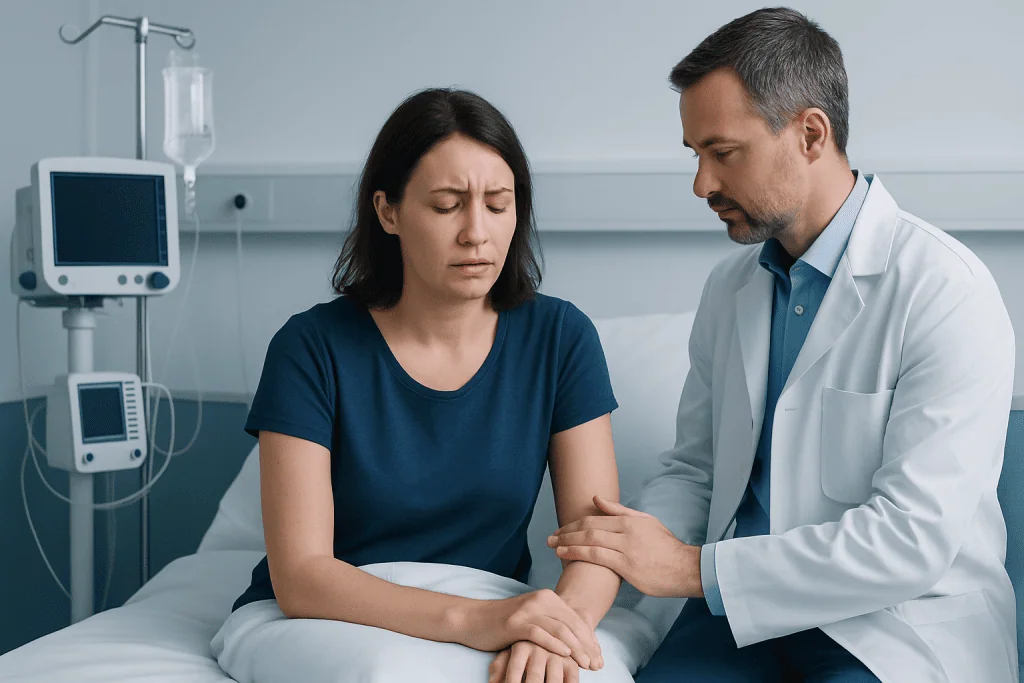
The main symptom of allodynia is pain from something that should not hurt. Some people notice pain when clothing touches the skin, when they rest against a chair, or when they wash their face. Others notice scalp tenderness while brushing their hair or discomfort from cool air moving over the skin.
Doctors sometimes describe different patterns of allodynia based on the trigger. Mechanical allodynia refers to pain from touch or movement across the skin, such as rubbing or pressure. Thermal allodynia refers to pain caused by temperatures that are only mildly warm or cool.
Allodynia may occur together with other symptoms depending on the cause. These may include headache, fatigue, sleep problems, numbness, tingling, burning pain, muscle aches, or increased sensitivity to sound and light. In some people it overlaps with migraine symptoms, while in others it may happen alongside widespread pain seen in fibromyalgia.
- Pain from light touch, clothing, or bedding
- Scalp pain when brushing or washing hair
- Discomfort from mild heat or cold
- Burning, stinging, or raw skin sensations
- Episodes linked to headaches, fatigue, or nerve symptoms
Why allodynia happens

Allodynia happens when the nervous system becomes sensitized. In simple terms, pain pathways begin reacting too strongly, so normal sensory input is interpreted as painful. This can involve the peripheral nerves, the spinal cord, the brain, or a combination of these areas.
One important concept is central sensitization, in which the brain and spinal cord become more responsive to sensory signals. This can make pain easier to trigger and harder to turn off. Central sensitization is often discussed in conditions such as migraine and fibromyalgia, but it can also be part of other chronic pain disorders.
In other cases, damaged or irritated nerves send abnormal signals. This is why allodynia may develop after shingles, with diabetic neuropathy, after certain injuries, or in some neurological diseases. Even when the skin looks normal, the underlying nerve processing may be altered.
Causes and risk factors
Allodynia can be associated with several medical conditions. Migraine is one of the best-known causes, especially during or around headache attacks. People with migraine-related allodynia may find that glasses, earrings, a ponytail, or touching the face becomes painful during an episode.
Another common association is nerve-related pain. Diabetes can injure nerves over time, leading to abnormal sensations and pain. Shingles and postherpetic neuralgia may also leave nerves unusually sensitive after the rash has healed. Other possible causes include multiple sclerosis, trauma, surgery, certain infections, and some chronic pain syndromes.
Fibromyalgia is another condition in which heightened pain sensitivity is common. Sleep disturbance, stress, anxiety, and persistent pain may make symptoms more noticeable, although they are not the sole cause. Because allodynia has many possible triggers, a doctor may look broadly for neurological, metabolic, inflammatory, and pain-processing disorders.
- Migraine and other headache disorders
- Fibromyalgia and central sensitization syndromes
- Peripheral neuropathy, including diabetic nerve damage
- Shingles and postherpetic neuralgia
- Multiple sclerosis or other neurological disorders
- Injury, surgery, or chronic pain conditions
How doctors diagnose allodynia
Diagnosis begins with a detailed history. A doctor will ask what the pain feels like, what triggers it, where it occurs, how long it lasts, and whether there are related symptoms such as headache, numbness, weakness, rash, or sleep problems. Medication history and past illnesses are also important.
The physical examination may include gently testing the skin’s response to light touch, pressure, or temperature. The aim is not just to confirm that allodynia is present, but to look for clues about the cause. Findings such as reduced sensation, muscle weakness, balance changes, or skin changes may help guide the next step.
Depending on the suspected cause, testing may include blood tests, nerve studies, or imaging. For example, a patient with severe headaches may need evaluation in a neurology setting and sometimes brain MRI to investigate related conditions. If nerve injury or a pain-processing disorder is suspected, the doctor may consider a broader neurological workup rather than relying on one single test.
Treatment options for allodynia
The most effective treatment plan usually addresses the underlying cause. If allodynia is linked to migraine, improving headache control may reduce skin sensitivity. If it is related to neuropathy, management may focus on the nerve disorder itself, including treating contributors such as diabetes. When chronic pain syndromes are involved, treatment often combines several approaches.
Doctors may use medications commonly prescribed for neuropathic pain or pain sensitization. The choice depends on the patient’s symptoms, medical history, and the condition causing the allodynia. In selected cases, referral to specialists in neurology or pain management may be helpful, especially when symptoms are persistent or difficult to explain.
Non-drug strategies are also important. These may include sleep support, stress reduction, regular physical activity within tolerance, physical therapy, and learning ways to reduce symptom triggers. For some patients, a multidisciplinary plan offers the best results because it addresses both the nervous system and the day-to-day impact of chronic pain.
When allodynia is related to broader nerve pain, doctors may evaluate for pain management options and, if there are signs of nerve dysfunction, investigate conditions such as neuropathy. Near the end of the care pathway, patients seeking international evaluation may also wish to know that Acibadem International’s multidisciplinary specialists and JCI-accredited hospitals diagnose and treat neurological and pain-related conditions for international patients.
Self-care, daily coping, and prevention
There is not always a way to fully prevent allodynia, because it depends on the underlying condition. Still, practical measures can reduce discomfort. Soft clothing, fragrance-free skin products, avoiding extreme temperatures, and adjusting grooming habits may help decrease irritation in sensitive areas.
For patients with migraine, keeping a symptom diary may reveal patterns such as stress, poor sleep, dehydration, or missed meals. Managing these triggers may help lower the frequency of attacks and the periods when allodynia appears. Patients with diabetes or other causes of neuropathy may benefit from careful management of the underlying disease and regular follow-up.
Good sleep, gradual activity, and stress-management techniques can support the nervous system and improve coping with chronic pain. Even simple changes such as choosing loose fabrics, using lukewarm water, and pacing daily activities can make symptoms easier to manage. A doctor or therapist can help tailor these steps to the patient’s needs.
When to seek medical care
Medical evaluation is important when pain from touch or temperature is new, persistent, or getting worse. Although allodynia is often related to treatable pain or nerve conditions, it should not be ignored, especially if it starts without a clear reason or significantly affects sleep, mood, or daily activities.
Prompt medical care is especially important if allodynia occurs with other symptoms such as weakness, numbness, facial drooping, vision changes, confusion, severe headache, a new rash, fever, or trouble walking. These features may point to a condition that needs timely diagnosis and treatment.
If symptoms seem linked to recurring headaches, nerve pain, or a chronic pain disorder, a primary care doctor or neurologist can help guide the workup. Early assessment can clarify the cause, reduce uncertainty, and support a treatment plan that is appropriate and safe.
Frequently asked questions
Is allodynia the same as nerve pain?
Not exactly. Allodynia is pain caused by a stimulus that normally should not hurt, while nerve pain is a broader category that can include burning, shooting, tingling, or electric-like sensations. Allodynia can happen as part of nerve pain, but the terms are not interchangeable.
Can migraine cause allodynia?
Yes. Many people with migraine develop skin sensitivity during or around headache attacks, making touch, hair brushing, or wearing glasses uncomfortable. Better migraine control may reduce these episodes for some patients.
Does allodynia mean there is a problem with the skin?
Usually no. The skin may look completely normal because the issue is often how the nervous system processes sensation. However, a doctor may still check for skin conditions, rash, infection, or injury when evaluating symptoms.
How is allodynia treated?
Treatment depends on the cause. Doctors may treat the underlying condition, such as migraine or neuropathy, and may also use medications or non-drug pain-management strategies. Self-care measures and trigger reduction can also help lessen discomfort.
Can allodynia go away?
It can improve, especially when the underlying cause is identified and managed. In some people it is temporary and linked to flares of migraine or another condition. In others it may be more persistent and require ongoing treatment and follow-up.
When should someone worry about allodynia?
Medical advice should be sought if allodynia is new, worsening, or interfering with daily life. Urgent assessment is important if it occurs with weakness, numbness, severe headache, rash, fever, confusion, or changes in vision or walking. These symptoms can suggest a condition that needs prompt care.
References
- National Institute of Neurological Disorders and Stroke
- American Migraine Foundation
- National Institute of Arthritis and Musculoskeletal and Skin Diseases
- Centers for Disease Control and Prevention
- International Association for the Study of Pain
This article is for general information only and is not a substitute for professional medical advice. Please consult a qualified doctor about your individual situation.
Hair transplant in Turkey — costs, graft counts & a free assessment
JCI-accredited · board-certified surgeons · reply within 24h
Add us as a Preferred Source to see more of our trusted health content across Google Search, AI Overviews and Discover.