Loofah: An Evidence-Based Guide for Patients

A loofah is a dried fibrous fruit used as a bath sponge for gentle exfoliation. Overuse or rough scrubbing can irritate the skin and worsen dryness or inflammation.
Key Takeaways
- A loofah is a dried fibrous fruit used as a bath sponge for gentle exfoliation.
- Overuse or rough scrubbing can irritate the skin and worsen dryness or inflammation.
- Loofahs can hold moisture and microbes, so regular cleaning and replacement are important.
- People with eczema, cuts, active rashes, or very sensitive skin may be better off avoiding loofahs.
- Medical advice is recommended if skin becomes painful, swollen, draining, or does not improve.
Loofah is a natural plant-based sponge often used to exfoliate the skin and create lather during bathing. It can be helpful for some people, but it should be used gently, cleaned carefully, and avoided on sensitive, broken, or infected skin.
Overview: What Is a Loofah?
A loofah is a natural fibrous sponge made from the dried fruit of the Luffa plant. Many people use it in the shower or bath to exfoliate, which means removing surface dead skin cells and helping soap or body wash spread more evenly across the skin.
For many healthy adults, a loofah can be part of a normal skin-care routine when it is used gently. However, it is not essential for skin health, and it is not right for everyone. In some cases, rough exfoliation can damage the skin barrier, cause irritation, or make existing skin problems worse.
The main patient question is usually whether loofah is good or bad for the skin. The evidence-based answer is that loofah can be useful for light exfoliation, but its safety depends on how often it is used, how clean it is kept, and whether the person has sensitive skin, open wounds, or a skin condition.
How Loofah Affects the Skin

The outer layer of skin naturally sheds dead cells over time. A loofah provides physical exfoliation by rubbing away some of these cells. This may leave the skin feeling smoother and can help remove debris, sweat, and residue from the surface.
At the same time, physical exfoliation is a form of friction. If that friction is too strong or too frequent, the skin can become dry, red, itchy, or stinging. This is especially true in people with a weakened skin barrier, older skin, or skin exposed to hot water and harsh cleansers.
Loofah also does not treat medical skin disease. It cannot cure acne, eczema, fungal infections, or chronic roughness on its own. In fact, in some people with inflamed or fragile skin, using a loofah may aggravate symptoms and delay healing.
When a person has persistent dryness, flaking, or rash, it can be helpful to look for the underlying cause rather than scrubbing harder. Some symptoms may relate to conditions such as eczema or psoriasis, which usually need a tailored treatment plan.
Potential Benefits of Using a Loofah
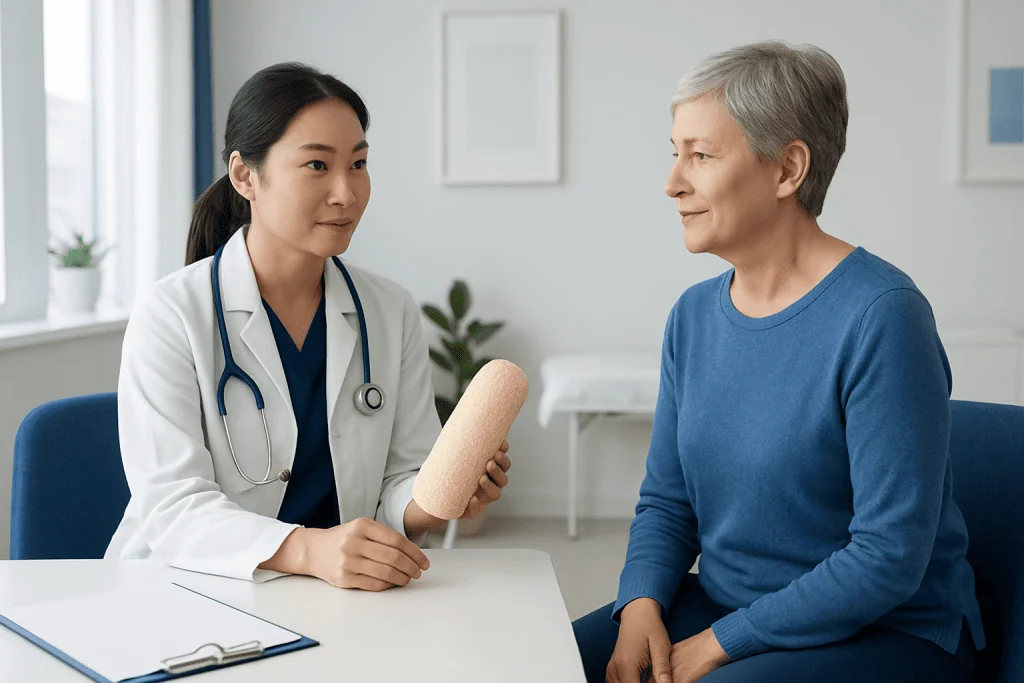
Used correctly, a loofah may offer a few practical benefits. It can provide mild exfoliation, help loosen rough surface skin, and improve the feel of body cleansers on areas such as the arms, legs, and back. Some people also find it useful before applying moisturizer, because smoother skin may allow creams to spread more evenly.
These benefits are generally cosmetic and comfort-related rather than medical. A loofah may make the skin feel refreshed, but that does not mean more scrubbing is better. Gentle, occasional use is usually more skin-friendly than vigorous daily rubbing.
- May help remove dead skin cells from healthy, non-sensitive skin
- Can improve lather and cleansing during bathing
- May leave some areas feeling smoother temporarily
- Can be part of a simple body-care routine when cleaned and dried properly
People who want exfoliation but find a loofah too rough may prefer gentler approaches. Examples include a soft washcloth, fragrance-free cleansers, regular moisturizing, or professional guidance if rough skin is linked to a skin disorder.
Risks, Side Effects, and Who Should Avoid It
The main concerns with loofah are skin irritation and hygiene. Because the fibers are abrasive, they can create tiny breaks in the skin, especially if used with pressure or on already dry skin. These small injuries may increase discomfort and make the skin more vulnerable to inflammation.
Loofahs also tend to stay damp in bathrooms, which can allow bacteria, fungi, and other microbes to grow over time. If a loofah is not cleaned well or is used for too long, it may contribute to follicle irritation or skin infection, particularly after shaving or on broken skin.
People should be cautious or avoid loofahs altogether if they have cuts, sunburn, active acne that is inflamed, infected skin, recent cosmetic procedures, diabetes-related skin vulnerability, or chronic inflammatory conditions. Those with itchy, cracked, or easily irritated skin often do better with less friction and stronger focus on barrier repair.
If skin symptoms include persistent redness, scaling, pus, pain, or a spreading rash, a clinician may assess for irritation, allergy, bacterial infection, or fungal infection. In some cases, care may include dermatology evaluation and a targeted treatment plan rather than further exfoliation.
How to Use a Loofah Safely
Safe loofah use starts with a light touch. It is best used on healthy, intact skin with warm rather than very hot water. A small amount of gentle cleanser is usually enough. The loofah should be moved in soft circular or sweeping motions, without scrubbing until the skin feels raw or overly tight.
For many people, occasional use is enough. Daily exfoliation is often unnecessary and may be too harsh, especially in dry climates or during winter. After use, rinsing the skin well and applying a fragrance-free moisturizer can help reduce dryness and support the skin barrier.
- Do not use on cuts, shaving nicks, rashes, burns, or infected areas
- Avoid sharing a loofah with others
- Stop use if stinging, redness, or itching develops
- Use gentler pressure on thin or sensitive areas of the body
People who have rough patches that do not improve with moisturizing and gentle care may need medical advice. Sometimes rough skin is related to dermatitis, keratosis pilaris, or other conditions that respond better to medicated or prescription-strength skin care than to mechanical scrubbing.
Cleaning, Drying, and Replacing a Loofah
Because moisture encourages microbial growth, loofah hygiene is a key part of safe use. After each bath or shower, the loofah should be rinsed thoroughly to remove soap and skin debris. It should then be squeezed out and left to dry completely in a clean, well-ventilated place rather than in a constantly damp corner of the shower.
Regular replacement is also important. Even with careful care, loofahs wear down and can become less sanitary over time. A loofah that smells musty, changes color, feels slimy, or sheds excessively should be discarded promptly.
Some people prefer synthetic bath sponges or washable cloths because they may be easier to clean and dry fully. The best choice is usually the one that is gentle on the skin and practical to keep hygienic.
If repeated use of bath tools seems to trigger bumps, itching, or recurrent irritation, a skin specialist may help identify whether the issue is friction, allergy, bacterial folliculitis, or another cause. Depending on findings, treatment may range from skin-care changes to allergy testing or other dermatologic care.
Loofah Alternatives for Sensitive or Problem Skin
Not everyone needs physical exfoliation. Many people with dry, sensitive, or reactive skin do better with a simpler routine focused on gentle cleansing and regular moisturizing. A soft cotton washcloth used lightly, or even the hands alone, may be enough for daily hygiene.
Chemical exfoliants, such as products containing certain acids or urea, can sometimes soften rough skin more evenly than a loofah. However, these products can also irritate the skin if used incorrectly, so they should be chosen carefully, especially by people with eczema, rosacea, or a history of allergies.
When skin remains rough, itchy, or inflamed despite home care, it may be helpful to ask a clinician for an assessment. Some people need treatment directed at the cause, such as inflammation, infection, or an underlying skin disease, rather than another exfoliating tool.
Near the end of the care pathway, if specialist help is needed, Acibadem International’s multidisciplinary specialists in JCI-accredited hospitals evaluate skin concerns for international patients and guide treatment when appropriate, including services such as skin-focused specialist care when there is concern about unusual lesions that should not be self-treated.
When to Seek Medical Care
Medical care is appropriate if skin symptoms appear after loofah use and do not settle quickly with stopping exfoliation and using bland moisturizers. Warning signs include increasing pain, warmth, swelling, drainage, crusting, or a rash that spreads. These may suggest significant irritation or an infection that needs professional evaluation.
It is also sensible to seek care for recurring bumps after shaving, persistent itching, cracked skin, or patches that repeatedly flare after bathing products are used. A clinician can review bathing habits, examine the skin barrier, and look for causes such as contact dermatitis, folliculitis, fungal infection, or chronic inflammatory skin disease.
Any mole, spot, or sore that changes in color, shape, size, or bleeding pattern should not be scrubbed with a loofah. Instead, it should be assessed by a qualified doctor. Timely evaluation can clarify whether the problem is simple irritation or something requiring more specific treatment.
Frequently asked questions
Is loofah good for the skin?
Loofah can be useful for mild exfoliation on healthy skin when used gently and occasionally. It is not necessary for skin health, and it may irritate dry, sensitive, or inflamed skin.
How often should a loofah be used?
Many people do best with occasional rather than daily use. The ideal frequency depends on skin type, but if dryness, redness, or stinging develops, use should be reduced or stopped.
Can a loofah cause infection?
A loofah can hold moisture and microbes if it is not cleaned and dried well. The risk is higher when it is used on broken skin, after shaving, or for too long without replacement.
Who should avoid using a loofah?
People with eczema, psoriasis, open cuts, active rashes, sunburn, infected skin, or very sensitive skin may be better off avoiding loofahs. It is also best not to use one on newly shaved or recently treated skin.
What is the safest way to clean a loofah?
It should be rinsed thoroughly after each use, squeezed out, and allowed to dry completely in a well-ventilated area. If it develops an odor, discoloration, slime, or visible wear, it should be replaced.
What can be used instead of a loofah?
Gentle alternatives include a soft washcloth, the hands, or a fragrance-free cleanser without scrubbing tools. For rough skin, a clinician may suggest a moisturizer or medicated product instead of physical exfoliation.
References
- American Academy of Dermatology
- National Eczema Association
- Centers for Disease Control and Prevention
- Mayo Clinic
- Cleveland Clinic
This article is for general information only and is not a substitute for professional medical advice. Please consult a qualified doctor about your individual situation.
Explore treatments in Turkey — costs, top hospitals & a free quote
JCI-accredited · board-certified surgeons · reply within 24h
Add us as a Preferred Source to see more of our trusted health content across Google Search, AI Overviews and Discover.