How to Sober Up Fast? Causes, Explanations, and Next Steps

There is no instant way to sober up; only time lowers blood alcohol levels. Coffee, cold showers, vomiting, or exercise do not remove alcohol from the body.
Key Takeaways
- There is no instant way to sober up; only time lowers blood alcohol levels.
- Coffee, cold showers, vomiting, or exercise do not remove alcohol from the body.
- Confusion, slow breathing, repeated vomiting, seizures, or trouble waking someone are emergency warning signs.
- A doctor may assess breathing, blood sugar, hydration, injuries, and other causes of altered consciousness.
- Planning ahead, limiting alcohol, eating beforehand, and never mixing alcohol with certain medicines can reduce risk.
For most people, feeling drunk improves safely with time because the liver must break alcohol down at its own pace. There is no reliable way to sober up fast, but hydration, rest, and careful observation can help someone stay safer while waiting for alcohol levels to fall.
Overview: Can Someone Sober Up Fast?
In most situations, alcohol-related impairment passes without lasting harm as the body gradually processes the alcohol. The most important fact is simple: there is no proven shortcut that makes a person sober up quickly. The liver breaks alcohol down over time, and common “tricks” may make someone feel more awake without actually making them less impaired.
This matters because a person may seem better before their coordination, judgment, and reaction time have truly returned to normal. Drinking coffee, taking a cold shower, walking around, or eating after heavy drinking does not rapidly clear alcohol from the bloodstream. These steps may improve comfort or alertness, but they do not make driving, swimming, working with machinery, or being alone any safer.
Most mild intoxication improves with rest, fluids, and supervision by a sober adult. However, alcohol can also be dangerous, especially when large amounts are consumed quickly, when alcohol is mixed with sedatives or other drugs, or when the person has underlying medical problems. In those cases, prompt medical care is important.
What Actually Helps While Waiting
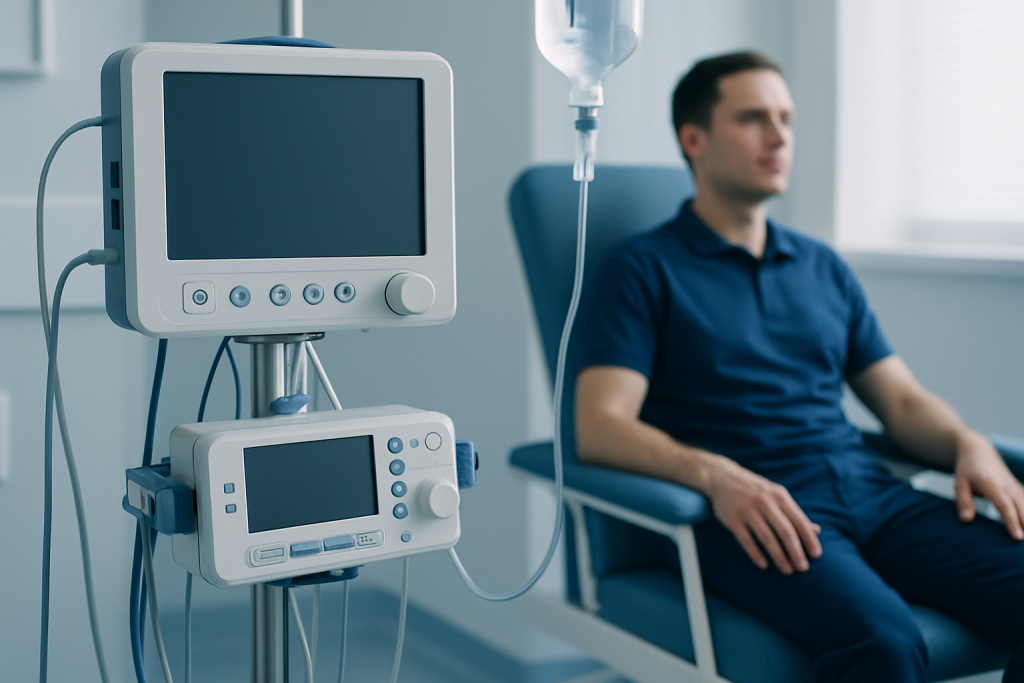
The safest approach is supportive care while the body metabolizes alcohol. A person should stop drinking alcohol completely, move to a calm place, sip water if they are fully awake and able to swallow, and avoid additional substances such as sleeping pills, opioids, or recreational drugs. If they feel nauseated, small amounts of water or an oral rehydration drink may be easier to tolerate than large volumes at once.
Food can help reduce further stomach irritation and may be useful if the person has not eaten, but it does not “soak up” alcohol that has already entered the bloodstream. Rest is helpful, but someone who is heavily intoxicated should not simply be left alone to “sleep it off.” They should be checked regularly because breathing can slow and consciousness can worsen over time.
If the person lies down, placing them on their side can lower the risk of choking if vomiting occurs. Keeping them warm, speaking calmly, and preventing falls are also important. A sober companion should stay with them until they are clearly improving and able to respond normally.
- Helpful: stopping alcohol, supervision, side-lying position, sips of water, rest, and monitoring.
- Not helpful for sobering up: coffee, energy drinks, cold showers, forced vomiting, or vigorous exercise.
- Unsafe: driving, bathing alone, taking sedatives, or assuming sleep is always harmless.
Why Alcohol Wears Off Slowly

Alcohol is absorbed through the stomach and small intestine and then enters the bloodstream. Once there, it affects the brain, nerves, coordination, mood, and judgment. The liver does most of the work of breaking alcohol down, but it can do so only at a limited rate. This is why the main answer to “how to sober up fast” is that the body needs time.
How long intoxication lasts varies from person to person. Body size, sex, age, how quickly alcohol was consumed, whether food was eaten, liver health, sleep deprivation, dehydration, and certain medicines all influence how strongly alcohol affects someone and how long symptoms continue. Two people can drink similar amounts and become impaired in very different ways.
Alcohol may also worsen or hide other health problems. Low blood sugar, head injury, drug interactions, anxiety, and dehydration can cause symptoms that overlap with intoxication. That is one reason sudden confusion or unusual drowsiness should not always be assumed to be “just drunkenness,” especially if the history is unclear.
Signs It May Be More Than Simple Intoxication
Many people who have had too much alcohol are sleepy, unsteady, nauseated, or emotionally labile, and these symptoms can improve with time. Still, some warning signs suggest alcohol poisoning, another medical problem, or a dangerous combination of substances. These situations need urgent attention rather than home remedies.
Emergency signs include trouble waking the person, slow or irregular breathing, bluish or very pale skin, repeated vomiting, seizures, collapse, severe confusion, or behavior that is wildly out of character. Injuries after a fall, a possible head impact, chest pain, and signs of self-harm also need immediate medical evaluation.
Risk is higher if alcohol was mixed with sleeping tablets, anti-anxiety medications, opioid pain medicines, cannabis edibles, or other drugs. Binge drinking can also trigger complications such as severe vomiting, aspiration, dangerous dehydration, low blood sugar, and heart rhythm disturbances. In some cases, symptoms that seem alcohol-related may actually point to another urgent condition such as stroke.
When to Seek Medical Care
Medical care is recommended right away if the person cannot stay awake, cannot answer simple questions, has breathing problems, vomits repeatedly, has a seizure, may have a head injury, or if no one knows how much they drank or what else they may have taken. It is safer to seek help early than to wait for symptoms to become severe.
A medical review is also sensible when intoxication seems prolonged, when confusion is disproportionate to the amount reportedly consumed, or when the person has diabetes, liver disease, epilepsy, heart disease, or pregnancy. Older adults and teenagers may be more vulnerable to complications and may need lower thresholds for evaluation.
If the person is awake and stable but has persistent vomiting, significant weakness, severe hangover symptoms, or concern about recurrent risky drinking, a doctor can help assess the immediate problem and discuss prevention. In urgent settings, clinicians may also evaluate whether treatments such as IV fluid therapy are appropriate as supportive care for dehydration or ongoing vomiting, though fluids do not directly speed alcohol clearance.
How Doctors Evaluate Alcohol Intoxication
When someone arrives for medical evaluation, the first priority is safety. Clinicians check airway, breathing, circulation, temperature, level of consciousness, and blood sugar. They also look for injuries, signs of overdose, and symptoms that might suggest another cause of confusion, such as infection, stroke, or metabolic problems.
The examination usually includes questions about what was consumed, when it was consumed, whether any medicines or drugs were taken, and whether the person has underlying health conditions. Blood tests may be used in selected cases to check glucose, electrolytes, kidney function, liver function, or alcohol level. A urine test or toxicology screen may be considered if mixed substance use is suspected.
Imaging is not needed for everyone, but a doctor may order it if there was a fall, loss of consciousness, severe headache, or concern for brain injury. In some cases, a person with repeated vomiting or abdominal pain may need assessment for digestive complications. If symptoms suggest another serious illness, specialists may become involved, including teams experienced in emergency medicine.
Treatment Options and Recovery
Treatment depends on severity. Mild cases may need observation, a safe place to recover, oral fluids, and management of nausea. Moderate to severe intoxication may require oxygen, intravenous fluids for dehydration, glucose if blood sugar is low, monitoring of heart rhythm and breathing, and treatment for injuries or complications. If another drug is involved, care is tailored to that substance as well.
Importantly, treatment is usually supportive rather than curative. There is no medication that instantly removes alcohol from the bloodstream in routine care. Instead, doctors support the body until alcohol levels fall and the person can protect their airway, think clearly, and drink fluids safely.
Some people also need follow-up after recovery. Repeated episodes of binge drinking, memory blackouts, tremors, or difficulty cutting down may point to an alcohol use problem. In that situation, the person may benefit from a structured assessment and support from specialists, including psychiatry or addiction-focused care. Near the end of the care pathway, Acibadem International’s multidisciplinary specialists and JCI-accredited hospitals also evaluate and treat alcohol-related medical complications for international patients when needed.
Prevention and Safer Next Steps
The best way to avoid needing to “sober up fast” is to reduce the chance of heavy intoxication in the first place. Helpful steps include eating before drinking, pacing alcoholic drinks, alternating with water, avoiding drinking games, and setting a limit in advance. It also helps to have a sober friend, arrange transportation, and avoid mixing alcohol with sedatives or other substances unless a doctor has clearly advised that a medicine is safe with alcohol.
After an episode of heavy drinking, recovery may continue into the next day. Rest, fluids, light meals, and avoiding more alcohol can support recovery from a hangover, but persistent severe symptoms should prompt medical advice. If drinking is happening more often than intended, affecting work or relationships, or leading to risky situations, speaking with a healthcare professional can be a useful next step.
Anyone who is unsure whether symptoms are due to alcohol alone should err on the side of caution. It is especially important to seek help if symptoms are new, extreme, or unusual for that person. A qualified clinician can rule out other causes and help make a plan to prevent future episodes.
Frequently asked questions
What is the fastest way to sober up?
There is no true fast way to sober up because only time allows the liver to break down alcohol. Water, food, and rest may help comfort, but they do not quickly lower blood alcohol levels.
Does coffee help someone sober up?
Coffee may make a person feel more awake, but it does not remove alcohol from the bloodstream. Someone can feel alert and still be significantly impaired in judgment, coordination, and reaction time.
Can a cold shower make a drunk person sober?
No. A cold shower does not speed alcohol metabolism and may even be risky if the person is dizzy, weak, or likely to fall. Supervision in a safe place is a better option.
Should someone who is drunk be allowed to sleep?
Sleep is not automatically dangerous, but a heavily intoxicated person should not be left alone without checks. If they are hard to wake, breathing slowly, vomiting repeatedly, or not responding normally, urgent medical care is needed.
How can someone tell the difference between being drunk and alcohol poisoning?
Alcohol poisoning is more severe and may include slow or irregular breathing, inability to wake up, seizures, blue-tinged skin, or repeated vomiting. When there is doubt, it is safer to seek emergency medical help rather than wait.
Does vomiting help get alcohol out faster?
No. Vomiting does not meaningfully speed sobering once alcohol has been absorbed, and it can increase the risk of dehydration and choking. Repeated vomiting is a reason to consider medical evaluation.
When should a person talk to a doctor after drinking too much?
They should seek urgent help for red-flag symptoms such as confusion, slow breathing, seizures, chest pain, injury, or trouble waking up. A non-emergency medical visit is also wise if heavy drinking happens repeatedly, blackouts occur, or cutting down feels difficult.
References
- World Health Organization
- Centers for Disease Control and Prevention
- National Institute on Alcohol Abuse and Alcoholism
- National Health Service
- Mayo Clinic
This article is for general information only and is not a substitute for professional medical advice. Please consult a qualified doctor about your individual situation.
Explore treatments in Turkey — costs, top hospitals & a free quote
JCI-accredited · board-certified surgeons · reply within 24h
Add us as a Preferred Source to see more of our trusted health content across Google Search, AI Overviews and Discover.