Laparotomy: A Complete Medical Overview

Laparotomy is open surgery that gives surgeons direct access to the abdominal cavity. It can be used for diagnosis, treatment, emergency care, or cancer-related procedures.
Key Takeaways
- Laparotomy is open surgery that gives surgeons direct access to the abdominal cavity.
- It can be used for diagnosis, treatment, emergency care, or cancer-related procedures.
- Recovery usually takes longer than minimally invasive surgery, but the exact timeline depends on the reason for surgery and overall health.
- Possible risks include bleeding, infection, blood clots, bowel problems, and scar-related complications.
- Careful follow-up, wound care, pain control, and gradual return to activity support healing.
Laparotomy is a type of open abdominal surgery in which a surgeon makes an incision in the abdomen to examine, diagnose, or treat conditions affecting internal organs. It may be planned or performed urgently, and understanding why it is used, how recovery works, and what risks to expect can help patients prepare with more confidence.
Overview: what a laparotomy is and why it is done
Laparotomy is a surgical procedure in which a doctor opens the abdomen through a larger incision to reach the organs inside. In simple terms, it is open abdominal surgery. A laparotomy may be done to find the cause of symptoms, to confirm a diagnosis, to remove diseased tissue, to control bleeding, or to treat urgent problems such as a blocked or injured bowel.
Although many abdominal operations can now be done with minimally invasive techniques, laparotomy still plays an important role. Surgeons may choose it when they need a wider view of the abdominal cavity, when the condition is complex, or when a patient is unstable and fast access is necessary. This is why the procedure may be planned in advance or carried out as an emergency.
The term exploratory laparotomy is often used when the main goal is to inspect the abdominal organs and identify the cause of a serious problem. However, many laparotomies are both diagnostic and therapeutic, meaning the surgeon may discover the cause and treat it during the same operation. Depending on the reason for surgery, the operation may involve the stomach, intestines, liver, gallbladder, pancreas, spleen, uterus, ovaries, kidneys, bladder, or blood vessels.
Laparotomy is a broad surgical approach rather than one single disease-specific operation. For some people it is part of treatment for conditions such as colon cancer or severe inflammation in the abdomen. Understanding the purpose of the operation often makes it easier to discuss the expected benefits, risks, and recovery plan with the surgical team.
When laparotomy may be recommended
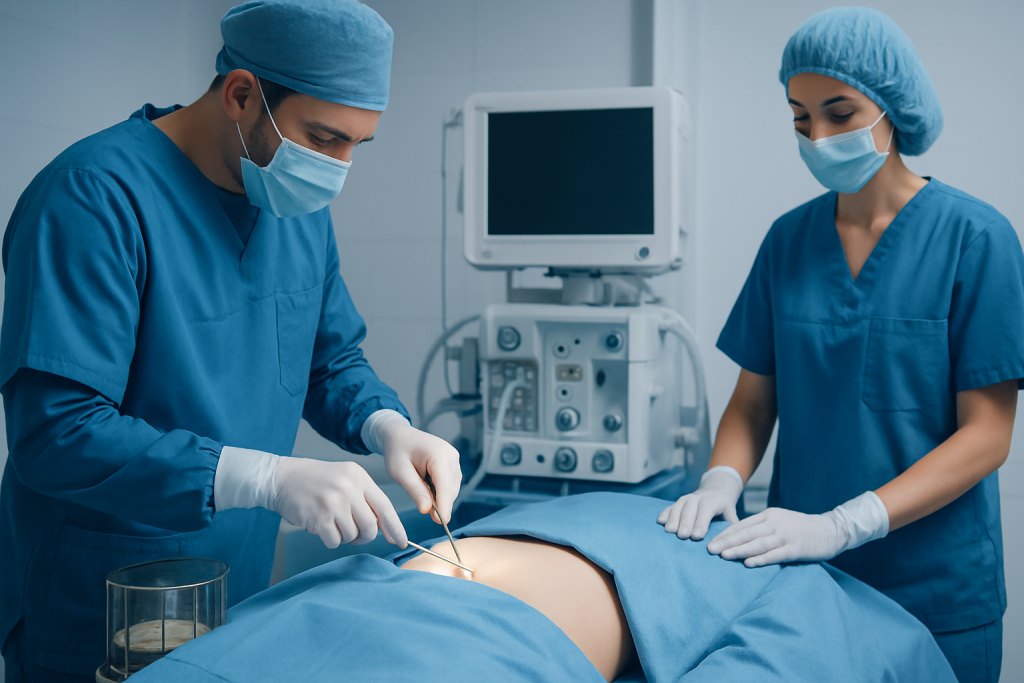
Doctors recommend laparotomy when direct access to the abdomen is the safest or most effective way to manage a problem. This can include abdominal pain with an unclear cause, internal bleeding, intestinal blockage, a suspected perforation, abdominal trauma, large tumors, severe infection, or complications from another disease. In some situations, imaging tests suggest a problem but do not provide enough information on their own.
It may also be used when minimally invasive surgery is not suitable. This can happen if there is a lot of scar tissue from previous surgery, a very large mass, widespread disease, or concern that the patient may need more extensive repair than expected. Sometimes a procedure that starts laparoscopically has to be converted to laparotomy if visibility is poor or safe completion is not possible through small incisions.
Examples of operations performed through a laparotomy approach include bowel surgery, tumor removal, treatment of severe infection, repair of injuries, and gynecologic procedures. In selected cases, the surgeon may perform colon surgery or a hysterectomy through an open abdominal incision, depending on the patient’s condition and the complexity of the case.
The decision is individualized. Surgeons consider the likely diagnosis, urgency, imaging findings, prior operations, age, general health, medications, and whether the goals are diagnosis, treatment, or both. A clear preoperative discussion helps patients understand not only why laparotomy is being considered, but also whether there are reasonable alternatives.
What happens before and during the procedure
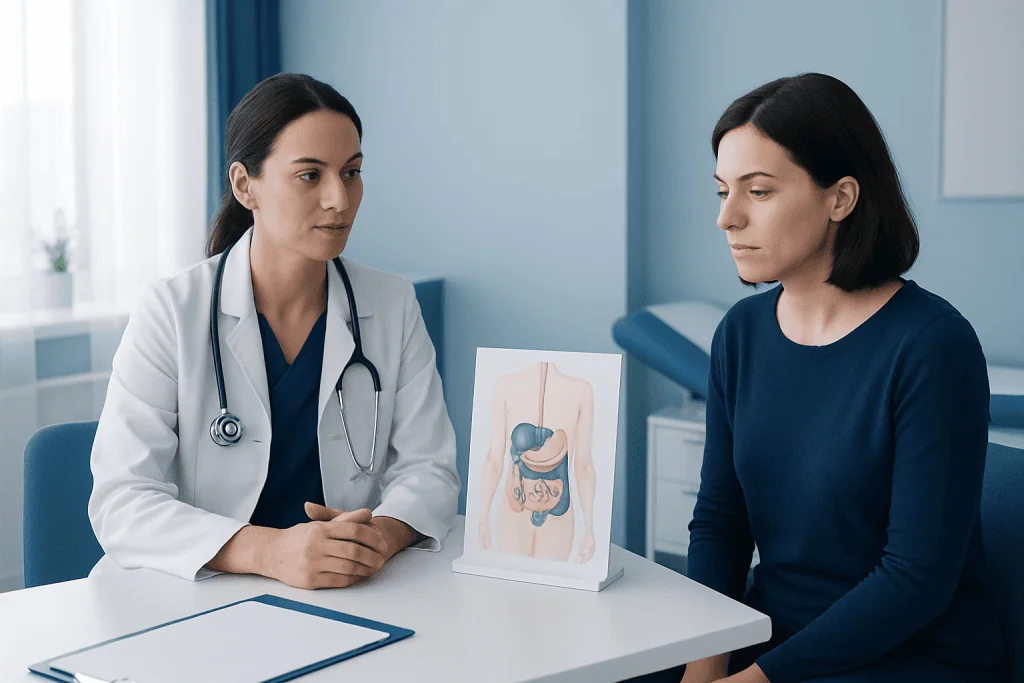
Before a planned laparotomy, the medical team reviews symptoms, medical history, medications, allergies, and previous surgeries. Blood tests and imaging such as ultrasound, CT, or MRI may be needed. Patients are usually asked not to eat or drink for a period before surgery, and some medicines may need to be adjusted, especially blood thinners, diabetes drugs, or supplements that increase bleeding risk.
Laparotomy is typically done under general anesthesia, so the patient is asleep during the operation. After the abdomen is cleaned and prepared, the surgeon makes an incision. The exact location and length depend on the goal of surgery. A midline incision is common because it gives broad access to the abdominal cavity, but other incision types may be chosen when the problem is more localized.
Once the abdomen is opened, the surgeon examines the relevant organs and performs the necessary treatment. This may include stopping bleeding, removing inflamed or damaged tissue, repairing an injury, taking a biopsy, or removing a mass. In some patients, part of the intestine may need to be removed and then reconnected, or a temporary or permanent stoma may be created if the bowel needs diversion.
At the end of the procedure, the surgeon closes the incision with stitches, staples, or both. Drains may sometimes be placed to remove fluid. After surgery, the patient is taken to a recovery area for monitoring of breathing, pain, blood pressure, and early signs of complications.
Benefits, limitations, and possible risks
The main advantage of laparotomy is visibility and access. It allows the surgeon to examine a large area directly, feel tissues by hand, and perform complex procedures when speed or control is important. In emergencies, this can be lifesaving. In planned surgery, it may offer a more reliable approach for extensive disease or complicated anatomy.
Its main limitation is that it is more invasive than laparoscopic or robotic surgery. A larger incision usually means more postoperative pain, a longer hospital stay, slower return to everyday activities, and a larger scar. These trade-offs are important to discuss before surgery, especially when more than one surgical approach may be possible.
As with any major operation, laparotomy carries risks. These include bleeding, infection, reaction to anesthesia, blood clots, pneumonia, and injury to nearby organs such as the bowel, bladder, or blood vessels. Some people may also develop delayed bowel function after surgery, a problem often called postoperative ileus, which can cause bloating, nausea, and difficulty eating.
Longer-term complications can include scar discomfort, adhesions, incisional hernia, and changes in bowel habits depending on the underlying procedure. Risk varies from person to person. Factors such as smoking, obesity, diabetes, poor nutrition, advanced age, emergency surgery, and existing heart or lung disease can increase the chance of complications.
Recovery after laparotomy
Recovery from laparotomy depends on why the surgery was needed, how extensive it was, and whether any complications occurred. Many patients stay in the hospital for several days, while emergency or more complex cases may require longer care. Early priorities include pain control, walking safely, breathing exercises, wound monitoring, and gradually restarting fluids and food as bowel function returns.
Pain after open abdominal surgery is expected, but it should be managed. Doctors may use a combination of methods, including intravenous medicines at first and oral medicines later. Good pain control helps patients move, cough, breathe deeply, and sleep better, all of which support healing and lower the risk of complications such as chest infection or blood clots.
At home, the incision should be kept clean and observed for redness, swelling, warmth, drainage, or opening of the wound. Heavy lifting is usually restricted for a period because the abdominal wall needs time to heal. Fatigue is common, and returning to normal energy levels can take weeks. A gradual increase in walking and light activity is often encouraged unless the surgical team advises otherwise.
Diet and bowel habits may change temporarily. Some people need a softer diet at first, while others can return to a normal diet more quickly. Constipation can happen because of pain medicines, reduced activity, and changes in eating. Drinking enough fluids, following dietary advice, and using bowel medications only as directed can help. In more complex digestive cases, procedures such as pancreatic surgery or bowel resection may shape recovery in specific ways, so individualized instructions matter.
Prevention, preparation, and self-care
Not every laparotomy can be prevented, especially when it is needed in an emergency. However, some steps may reduce surgical risk or improve recovery. If surgery is planned, stopping smoking, controlling blood sugar, reviewing medications, improving nutrition, and following preoperative instructions carefully can make a meaningful difference. Patients should tell their doctor about all prescription medicines, over-the-counter products, and supplements.
Preparation also includes practical planning. Arranging help at home, understanding activity limits, preparing simple meals, and knowing when follow-up visits are scheduled can make the recovery period smoother. Asking about wound care, bathing, driving, returning to work, and warning signs before leaving the hospital is useful.
Self-care after surgery focuses on rest balanced with safe movement. Walking as advised helps circulation and bowel recovery. Deep breathing exercises may lower the risk of lung complications. Nutrition, hydration, and enough protein can support tissue healing. Patients should not restart strenuous exercise or lifting until the surgical team confirms it is safe.
When laparotomy is part of treatment for a serious underlying condition, ongoing care may involve other specialists. For example, surgery related to ovarian cancer or advanced abdominal disease may be followed by additional imaging, pathology review, or oncology treatment. Near the end of the care pathway, some international patients choose centers such as Acibadem International, where multidisciplinary specialists in JCI-accredited hospitals diagnose and treat complex abdominal conditions.
When to seek medical care
Urgent medical evaluation is needed for severe abdominal pain, a rigid or swollen abdomen, persistent vomiting, fainting, signs of internal bleeding, chest pain, difficulty breathing, or sudden confusion. These symptoms can signal a serious abdominal problem or a postoperative complication and should not be ignored.
After a laparotomy, patients should contact their doctor promptly if they develop fever, increasing redness around the wound, pus-like drainage, worsening pain that does not improve with treatment, inability to pass gas or stool, repeated vomiting, calf swelling, or shortness of breath. A wound that opens, heavy bleeding, or signs of dehydration also require attention.
It is also appropriate to seek medical care when symptoms are less dramatic but persistent, such as ongoing loss of appetite, worsening weakness, new abdominal swelling, or concerns about medication side effects. A qualified clinician can decide whether these changes are part of normal recovery or need further testing.
Follow-up appointments are an important part of safe recovery. At these visits, the team may review pathology results, remove staples, assess healing, discuss activity progression, and plan any further treatment. Patients should feel comfortable bringing questions about recovery, scar care, diet, bowel habits, and return to daily routines.
Frequently asked questions
Is laparotomy the same as laparoscopic surgery?
No. Laparotomy is open abdominal surgery performed through a larger incision, while laparoscopic surgery uses small incisions and a camera. Both approaches can treat abdominal conditions, but the best option depends on the diagnosis, urgency, anatomy, and surgeon’s judgment.
How long does it take to recover from a laparotomy?
Recovery varies widely depending on the reason for surgery and the patient’s general health. Many people need several weeks before returning to normal daily activities, and full healing can take longer. The surgical team provides the most accurate timeline for each individual case.
Why would someone need an exploratory laparotomy?
An exploratory laparotomy may be needed when a serious abdominal problem is suspected but cannot be fully identified with examination and imaging alone. It allows the surgeon to inspect the abdominal organs directly and treat the problem immediately if necessary.
Will there always be a large scar after laparotomy?
Laparotomy does leave a scar because it involves an abdominal incision. The size and location depend on the type of operation and the area that needed access. Over time, many scars fade, but scar appearance varies from person to person.
What are the most common risks after a laparotomy?
Common concerns include pain, wound infection, bleeding, constipation, delayed return of bowel function, and blood clots. Some patients may also develop adhesions or an incisional hernia later. Careful follow-up and early movement can help reduce some of these risks.
When can a patient eat again after laparotomy?
This depends on the type of surgery and how quickly bowel function returns. Some patients start with fluids and progress gradually, while others may need more time before regular food is recommended. The surgeon’s instructions should guide eating after surgery.
References
- World Health Organization
- American College of Surgeons
- National Institute of Diabetes and Digestive and Kidney Diseases
- MedlinePlus
- National Health Service
This article is for general information only and is not a substitute for professional medical advice. Please consult a qualified doctor about your individual situation.
Persistent digestive symptoms? Get evaluated in Turkey
JCI-accredited · board-certified surgeons · reply within 24h
Add us as a Preferred Source to see more of our trusted health content across Google Search, AI Overviews and Discover.
Check your numbers in seconds
BMI, calories, due date, blood pressure and 30+ more clinical calculators — free, instant, doctor-reviewed ranges.