Cystoscopy: Candidacy, Procedure Steps, and Recovery Timeline

Cystoscopy allows direct examination of the urethra and bladder using a thin scope. It may be recommended for blood in the urine, repeated urinary infections, bladder symptoms, stones, or abnormal imaging results.
Key Takeaways
- Cystoscopy allows direct examination of the urethra and bladder using a thin scope.
- It may be recommended for blood in the urine, repeated urinary infections, bladder symptoms, stones, or abnormal imaging results.
- The procedure can be done with local, regional, or general anesthesia depending on the reason and the type of cystoscope used.
- Mild burning with urination and a small amount of blood in the urine can occur for a short time afterward.
- Most people recover quickly after a simple diagnostic cystoscopy, but recovery can take longer if a biopsy or treatment is performed.
- Patients should seek medical care for fever, severe pain, heavy bleeding, or inability to urinate after the procedure.
Cystoscopy is a common urology procedure used to look inside the urethra and bladder with a thin camera. It helps doctors investigate urinary symptoms, confirm certain conditions, perform small treatments, and plan next steps, with recovery that is usually brief for diagnostic exams.
Overview: what cystoscopy is and why it is done
Cystoscopy is a procedure that allows a urologist to look directly inside the urethra and bladder using a thin instrument called a cystoscope. The scope has a light and camera, so the doctor can examine the lining of the urinary tract in real time. In some cases, small tools can also be passed through the scope to take a biopsy, remove a small growth, place a stent, or treat a minor problem during the same visit.
This test is often used when symptoms or scan results do not fully explain what is happening. It can help investigate blood in the urine, frequent urinary tract infections, pain with urination, bladder pain, urgency, difficulty passing urine, or suspected blockage. It may also be used to monitor healing or follow up after treatment for certain urologic conditions.
One useful way to understand cystoscopy is to think of it as both a diagnostic and a procedural tool. It does not only show structure; it can also help guide care decisions right away. For example, if there is concern about a bladder growth, recurrent bladder cancer, or a narrowing in the urinary passage, direct visualization can provide information that scans alone may not show clearly.
Who may need a cystoscopy
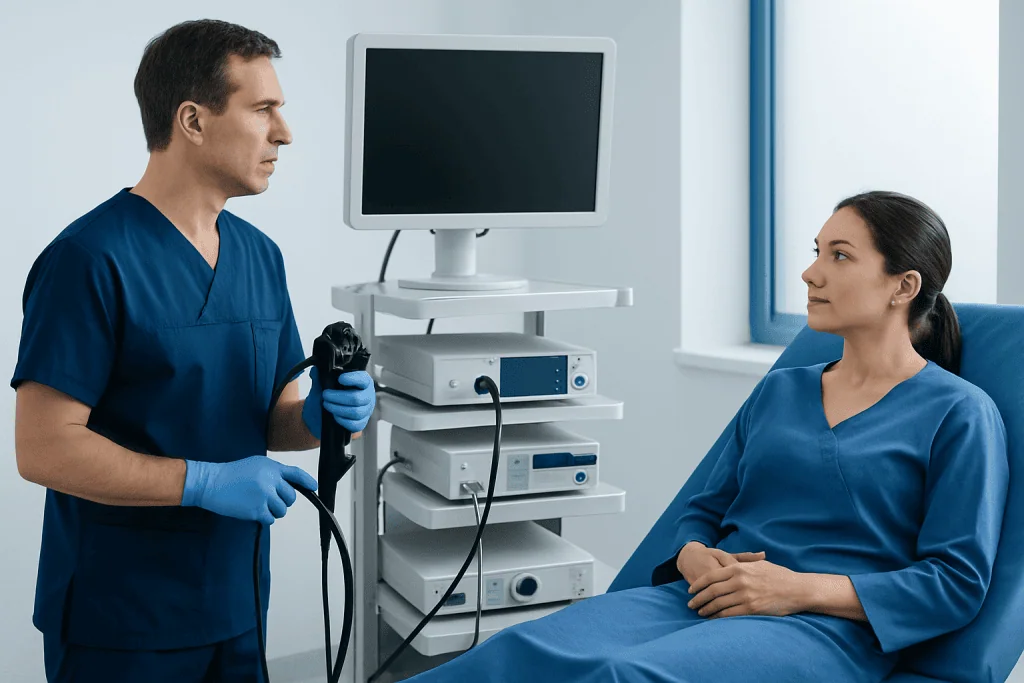
Candidacy for cystoscopy depends on symptoms, medical history, examination findings, and other test results. A doctor may recommend it for adults with visible blood in the urine, repeated urinary infections, urinary retention, suspected bladder stones, abnormal urine test findings, or unexplained pelvic or bladder symptoms. It may also be used after imaging suggests a mass, blockage, stone, or thickening of the bladder wall.
Cystoscopy is also sometimes part of treatment planning. If a person has an enlarged prostate causing obstruction, a urethral stricture, or a bladder lesion that may need biopsy or removal, cystoscopy helps clarify what is present and how severe it is. It may also be used to guide procedures such as transurethral resection of the prostate or to assess whether further care is needed for prostate cancer-related urinary issues.
Not everyone can have the procedure immediately. It may be postponed if there is an active urinary tract infection, significant uncontrolled bleeding, or certain medical issues that make anesthesia unsafe until they are managed. Before scheduling the test, the care team reviews medications, allergies, pregnancy status when relevant, prior urinary procedures, and any problems with sedation or anesthesia.
How the procedure works: step by step

Cystoscopy may be done in a clinic, outpatient center, or hospital. Some diagnostic procedures use a flexible cystoscope and local numbing gel in the urethra, while others use a rigid scope in an operating room setting with regional or general anesthesia. The choice depends on the reason for the procedure, the patient’s anatomy, comfort needs, and whether treatment is planned at the same time.
Before the procedure, the patient may be asked to provide a urine sample to check for infection. They change into a gown, and the genital area is cleaned carefully. If local anesthesia is used, numbing gel is placed into the urethra and allowed time to work. If sedation or general anesthesia is planned, fasting instructions are usually given in advance and monitoring is used during the procedure.
During cystoscopy, the doctor gently inserts the cystoscope through the urethra into the bladder. Sterile fluid is often used to fill the bladder slightly so the inner lining can be seen more clearly. The doctor examines the urethra and bladder wall, looks for inflammation, stones, strictures, tumors, diverticula, or signs of blockage, and may take a small tissue sample if needed. In selected cases, the same session can lead to a therapeutic step, such as bladder tumor resection or removal of small stones.
After the examination, the scope is removed and the patient is observed for a short period, especially if sedation or anesthesia was used. For a simple office cystoscopy, many people go home the same day soon afterward. The care team explains what was seen, whether biopsies were taken, and what symptoms are expected during early recovery.
What recovery is usually like
The recovery timeline depends on whether the cystoscopy was purely diagnostic or included a biopsy or treatment. After a simple flexible cystoscopy, many people return to light daily activities the same day or the next day. Mild burning with urination, needing to urinate more often, and seeing a small amount of blood in the urine can happen briefly and usually improve over 24 to 48 hours.
If the procedure involved a biopsy, tumor removal, dilation of a stricture, or another intervention, recovery may take longer. The doctor may advise resting for a day or two, avoiding strenuous activity for a short period, and drinking fluids unless there is a reason not to. Some patients may temporarily have a urinary catheter, which changes the aftercare plan and the timeline for returning to usual routines.
Simple self-care measures can make recovery more comfortable:
- Drink water as advised to help dilute the urine.
- Use prescribed or recommended pain relief exactly as directed.
- A warm bath or warm compress may help with mild urethral discomfort if the doctor says it is appropriate.
- Avoid heavy lifting or intense exercise until cleared, especially after biopsy or treatment.
Results may be immediate if the exam was only visual, but biopsy findings usually take longer. If the cystoscopy was part of a broader urologic workup, the follow-up visit is important because the next step may depend on pathology, urine testing, or additional imaging.
Benefits, limits, and possible risks
The main benefit of cystoscopy is that it gives the doctor a direct view inside the lower urinary tract. This makes it especially useful when symptoms are ongoing, when imaging is inconclusive, or when a tissue diagnosis is needed. It can identify inflammation, bleeding sources, bladder stones, narrowing, structural changes, and suspicious lesions more precisely than symptom-based assessment alone.
Cystoscopy also allows some problems to be addressed immediately. Instead of arranging a separate procedure later, the doctor may be able to take a biopsy, place a stent, relieve a blockage, or remove a small lesion during the same session. In this way, it can shorten the path from diagnosis to treatment. In some cases, it helps determine whether advanced surgery, such as robotic surgery, is needed or whether less invasive management is appropriate.
Like any medical procedure, cystoscopy has limitations and risks. It may cause temporary burning, urgency, or minor bleeding. Less commonly, there can be urinary tract infection, more significant bleeding, injury to the urethra or bladder, difficulty urinating afterward, or a reaction to anesthesia. These risks vary depending on the patient’s health, the type of scope used, and whether treatment was performed during the procedure.
Most complications are uncommon, and doctors take steps to reduce them through sterile technique, careful planning, and reviewing the patient’s medications and health conditions in advance. The balance of benefits and risks is best discussed with a qualified urologist who can explain why the test is being recommended in a particular situation.
Preparing for cystoscopy and caring for yourself afterward
Preparation is usually straightforward, but it should follow the doctor’s instructions closely. Patients may be asked about blood thinners, diabetes medicines, allergies, heart conditions, implanted devices, or prior urinary infections. If sedation or general anesthesia is planned, there may be instructions about when to stop eating and drinking and whether someone should accompany the patient home.
It helps to ask practical questions before the appointment. Patients often want to know whether they will be awake, how long the test will take, whether a biopsy might be performed, how soon they can drive or work afterward, and when results will be available. Clear expectations can reduce stress and help patients arrange their day safely.
After the procedure, careful observation of symptoms is important. Mild discomfort is common, but people should follow the aftercare guidance exactly, including fluid intake, activity restrictions, and medication use. If a catheter has been placed, the care team will explain how to care for it and when it should be removed.
For people seeking evaluation or treatment across borders, multidisciplinary specialists at Acibadem International and its JCI-accredited hospitals diagnose and treat urinary conditions for international patients, including assessment with cystoscopy when clinically appropriate.
When to seek medical care
Patients should contact a doctor promptly if symptoms after cystoscopy seem more than mild or do not begin to improve. Medical review is especially important if there is fever, chills, severe or worsening pain, large blood clots in the urine, heavy bleeding, inability to urinate, or persistent vomiting. These symptoms do not always mean a serious problem, but they should not be ignored.
Even before a cystoscopy is planned, medical assessment is appropriate for urinary symptoms such as visible blood in the urine, repeated urinary infections, painful urination that continues, new urinary retention, or ongoing urgency without a clear cause. These symptoms can have many explanations, from infection and stones to inflammation or growths, and proper evaluation helps guide the safest treatment.
If the procedure was done to follow a known condition, patients should also keep all scheduled follow-up visits. Further treatment may depend on biopsy results, the appearance of the bladder lining, or whether a narrowing or obstruction was found. Timely follow-up helps make sure the findings are interpreted in context and that next steps are not delayed.
Frequently asked questions
Is cystoscopy painful?
Many people describe cystoscopy as uncomfortable rather than painful, especially when it is done with numbing gel and a flexible scope. A brief burning sensation, pressure, or urgency to urinate can happen during and shortly after the procedure. The level of discomfort varies depending on the reason for the test and whether biopsy or treatment is performed.
How long does a cystoscopy take?
A simple diagnostic cystoscopy is often completed within a short time, though the full visit may be longer because of preparation and observation afterward. If a biopsy or treatment is done at the same session, the procedure usually takes longer. The care team can give a more accurate estimate based on the planned approach.
Will anesthesia be used for cystoscopy?
Some cystoscopies are done with local anesthetic gel only, especially quick diagnostic exams using a flexible scope. Others may require sedation, spinal anesthesia, or general anesthesia if a rigid scope is used or if a procedure such as biopsy or tumor removal is planned. The choice depends on the clinical goal and patient factors.
How long does it take to recover from cystoscopy?
Recovery from a simple diagnostic cystoscopy is usually quick, and many people return to normal light activity the same day or the next day. Mild burning or a little blood in the urine may last a day or two. Recovery can take longer if tissue was removed, a catheter was placed, or another treatment was performed.
Why would a doctor recommend cystoscopy instead of only using a scan?
Imaging tests are helpful, but they cannot always show the inner surface of the bladder and urethra in enough detail. Cystoscopy gives a direct view and can reveal inflammation, bleeding points, narrowing, stones, or small lesions that may not be fully explained by scans. It also allows biopsy or treatment during the same procedure when needed.
What should someone avoid after cystoscopy?
After a simple cystoscopy, people are often advised to rest briefly, drink fluids as directed, and avoid strenuous activity if they feel discomfort. If sedation was used, driving or operating machinery should be avoided until the doctor says it is safe. When a biopsy or treatment has been performed, extra activity restrictions may be given for a short time.
References
- American Urological Association
- National Institute of Diabetes and Digestive and Kidney Diseases
- National Health Service
- Urology Care Foundation
- European Association of Urology
This article is for general information only and is not a substitute for professional medical advice. Please consult a qualified doctor about your individual situation.
Cystoscopy in Turkey — costs, top hospitals & a free quote
JCI-accredited · board-certified surgeons · reply within 24h
Add us as a Preferred Source to see more of our trusted health content across Google Search, AI Overviews and Discover.

Urology
Treatment of the urinary system and male reproductive health, including robotic and laser procedures.
63 specialists in this unit