Understanding Radiation Therapy: A Complete Patient Guide
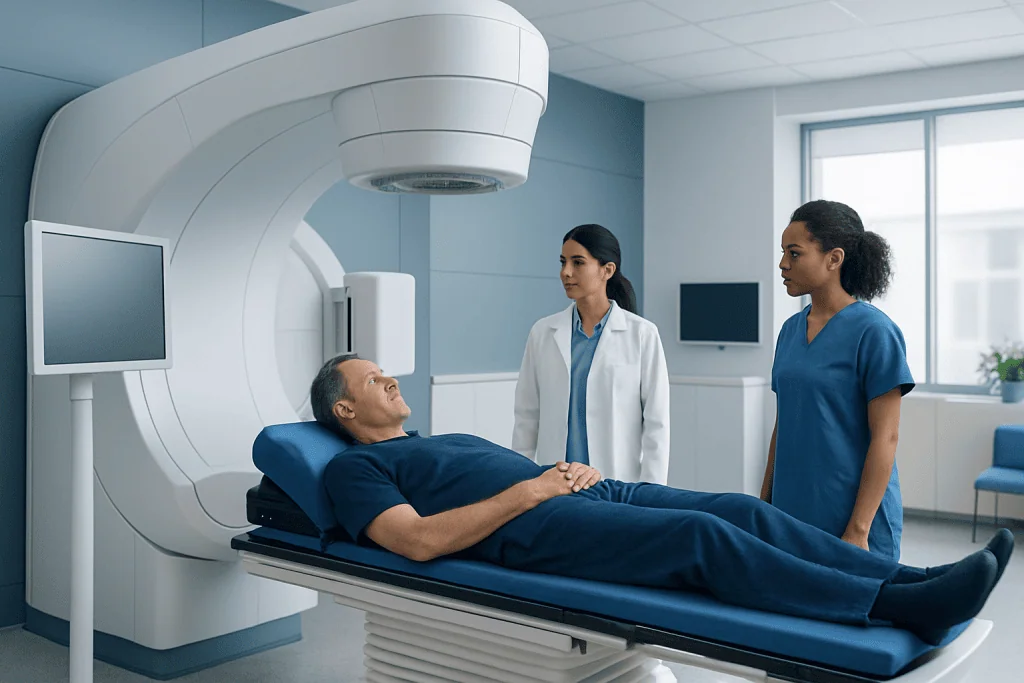
Radiation therapy uses carefully planned high-energy beams to target cancer cells while limiting damage to nearby healthy tissue. It may be used alone or together with surgery, chemotherapy, immunotherapy, or hormone therapy.
Key Takeaways
- Radiation therapy uses carefully planned high-energy beams to target cancer cells while limiting damage to nearby healthy tissue.
- It may be used alone or together with surgery, chemotherapy, immunotherapy, or hormone therapy.
- Side effects depend on the area treated, the dose, and the treatment schedule, and many can be managed with supportive care.
- Treatment planning is individualized and often includes imaging, mapping, and precise positioning.
- Patients should contact their care team promptly for severe pain, fever, breathing problems, trouble swallowing, dehydration, or skin reactions that worsen.
Radiation therapy is a common cancer treatment that uses high-energy radiation to destroy cancer cells or stop them from growing. This guide explains how it works, what treatment involves, possible side effects, and how patients can prepare and recover.
Overview: What Radiation Therapy Is and Why It Is Used
Radiation therapy is a medical treatment that uses high-energy rays or particles to damage the DNA inside cancer cells. When this damage builds up, cancer cells lose their ability to grow and divide. Healthy cells in the treated area can also be affected, but they usually recover better than cancer cells.
Doctors use radiation therapy for many goals. It may be given to cure cancer, shrink a tumor before surgery, lower the chance of cancer returning after surgery, or relieve symptoms such as pain, bleeding, or pressure caused by advanced disease. In some cases, it is used together with other treatments as part of a broader care plan for cancer.
Modern radiation therapy is highly planned and precise. Teams use imaging and computer-guided techniques to shape the radiation dose to the tumor while protecting nearby organs as much as possible. This makes treatment more targeted than many people expect and helps reduce unnecessary exposure.
How Radiation Therapy Works
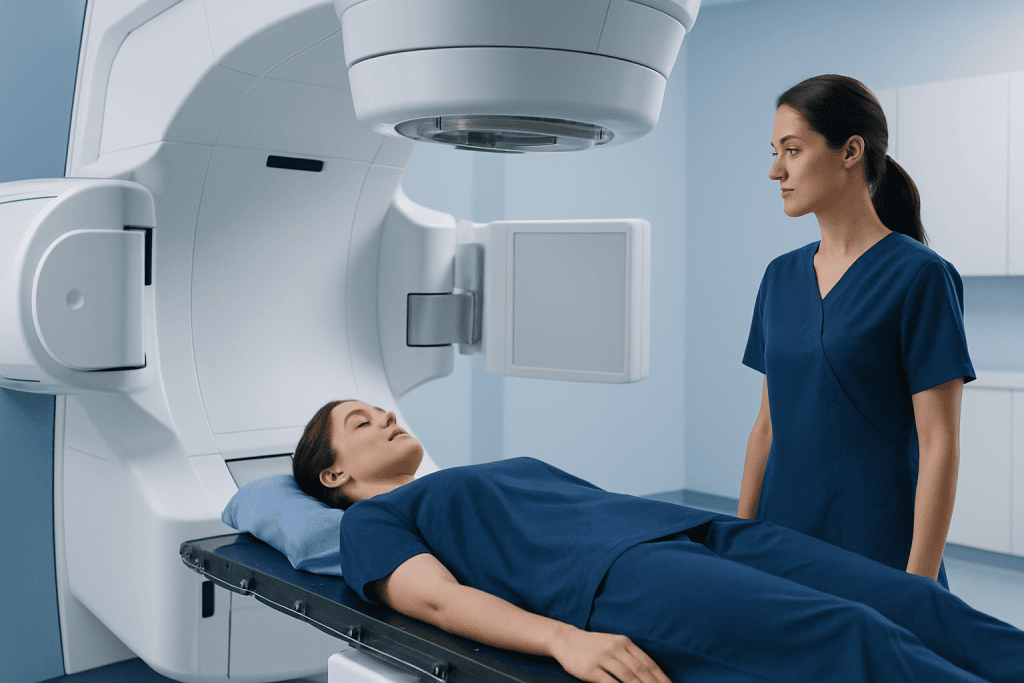
Radiation harms cells by disrupting their genetic material. Cancer cells tend to divide quickly and often have less ability to repair this damage, so they are more likely to die or stop multiplying. The effects are not always immediate, which is why tumors may continue shrinking for weeks or months after treatment ends.
Treatment is usually delivered in small doses over time, called fractions. Fractionation allows healthy tissues to recover between sessions while still giving enough total radiation to control the tumor. Some treatment plans use a standard daily schedule, while others use shorter or more concentrated courses depending on the cancer type and location.
Radiation can be delivered from outside the body or placed inside the body near the tumor. External beam therapy is the most common method. Internal radiation, also called brachytherapy, places a radioactive source in or near the cancer. Some patients may also receive highly specialized approaches such as CyberKnife treatment or Gamma Knife treatment when the tumor type and location make these options appropriate.
Types of Radiation Therapy and When They Are Chosen
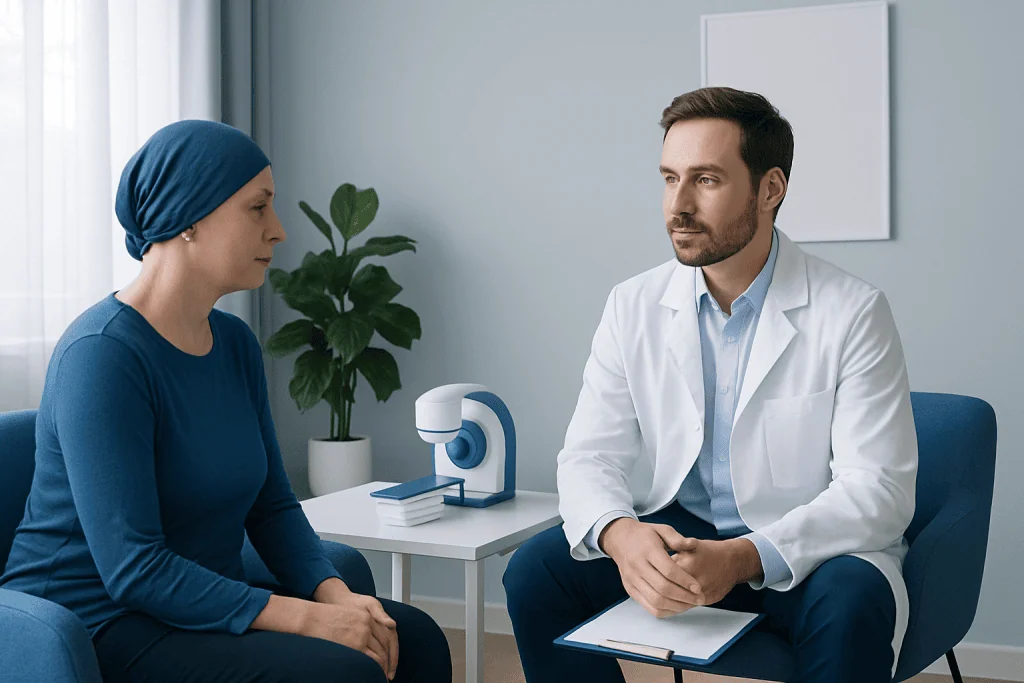
External beam radiation therapy directs high-energy beams at the tumor from a machine outside the body. This category includes several techniques, such as 3D conformal radiation therapy, intensity-modulated radiation therapy, image-guided radiation therapy, stereotactic body radiation therapy, and proton therapy. The choice depends on the size, shape, movement, and location of the tumor, as well as nearby sensitive structures.
Internal radiation therapy, or brachytherapy, places the radiation source temporarily or permanently inside the body. It is often used for certain gynecologic, prostate, breast, and head and neck cancers. Because the source is close to the tumor, a high dose can be delivered to the target while limiting spread to nearby tissues.
Systemic radiation therapy uses radioactive substances that travel through the bloodstream. This is less common than external beam treatment and is used in selected situations, such as certain thyroid cancers or cancers that have spread to bone. Patients with thyroid cancer may hear about radioactive iodine as one example.
The treatment team chooses the method by weighing benefits, side effects, convenience, overall health, and treatment goals. For some people, radiation is the main treatment. For others, it supports surgery, medicines, or palliative care focused on comfort and function.
What to Expect Before, During, and After Treatment
Before treatment begins, patients usually have a planning visit called simulation. During this appointment, the team positions the body carefully, may create custom supports or masks, and performs imaging such as CT scans to map the exact treatment area. Small skin marks or temporary markings may be used to help reproduce the same position each day.
After planning, radiation oncologists, medical physicists, and radiation therapists design the treatment plan. They calculate how much radiation to deliver, where to direct it, and how to reduce dose to healthy tissues. This process can take several days because precision is essential.
During external beam radiation sessions, the treatment itself is painless and usually lasts only a few minutes, although setup time may be longer. Patients do not become radioactive after standard external beam therapy and can usually be around family members normally. Internal or systemic radiation may involve different precautions, and the care team explains these clearly when relevant.
After treatment, follow-up visits help monitor side effects and assess how the cancer is responding. Imaging may not show the full benefit right away, so doctors often repeat scans after an appropriate interval. Recovery experiences vary widely depending on the part of the body treated and any other therapies received, such as chemotherapy.
Possible Side Effects and How They Are Managed
Radiation therapy side effects depend mainly on the treatment area, total dose, schedule, and the patient’s general health. Common general effects include fatigue and skin changes in the treated area, such as redness, dryness, darkening, itching, or tenderness. These symptoms often build gradually during treatment and improve afterward, although some changes can last longer.
Side effects also reflect the body part being treated. Radiation to the head and neck may cause mouth soreness, dry mouth, altered taste, or trouble swallowing. Treatment to the chest can lead to cough or irritation when swallowing. Radiation to the abdomen or pelvis may cause nausea, bowel changes, urinary discomfort, or reduced appetite. Some effects are short term, while others may appear months later.
Supportive care is an important part of treatment. Patients may benefit from skin care guidance, nutrition counseling, medicines for pain or nausea, hydration support, and speech or swallowing therapy when needed. Good communication with the care team helps address symptoms early rather than waiting for them to become more difficult.
Long-term or late effects are possible, especially when treatment is given near sensitive organs. These risks are specific to each case and should be discussed with the radiation oncologist before treatment starts. The goal is always to balance effective cancer control with the lowest reasonable risk to normal tissues.
Who May Benefit, Treatment Planning, and Questions to Ask
Radiation therapy can be appropriate for many cancers, including tumors of the breast, prostate, lung, brain, head and neck, cervix, rectum, and skin, among others. It may also help when cancer has spread and is causing symptoms, such as bone pain or pressure on nearby structures. In these situations, the purpose may be relief and quality of life rather than cure.
No two treatment plans are exactly alike. Doctors consider the exact cancer type, stage, prior treatments, age, overall health, pregnancy status, and personal priorities. Tumor location matters greatly because nearby organs may influence which technique is safest and most effective. For example, some brain tumors may be evaluated with options such as radiotherapy in a highly specialized setting.
Helpful questions to ask include what the goal of treatment is, how many sessions are recommended, what side effects are most likely, what symptoms should be reported urgently, and whether work, travel, diet, or exercise should be adjusted. Patients may also want to ask how treatment success will be measured and when follow-up scans will be done.
Understanding the plan can reduce uncertainty. Many people feel more prepared when they know the purpose of radiation, the schedule, expected side effects, and who to contact if problems arise between visits.
Self-Care During Radiation Therapy
Self-care during radiation therapy focuses on conserving energy, protecting the treated area, and maintaining nutrition and hydration. Many patients feel best when they balance activity with rest, continue light movement if approved by their doctor, and keep a regular sleep routine. Fatigue can be frustrating, but it often improves after treatment ends.
Skin in the treated area should be handled gently. The care team may advise using mild soap, avoiding rubbing, protecting the area from sun exposure, and not applying creams or deodorants unless recommended. Clothing that is soft and loose may help reduce friction and irritation.
Nutrition needs may change during treatment, especially if swallowing, appetite, or digestion is affected. Small frequent meals, enough fluids, and guidance from a dietitian can be helpful. Patients should tell the team early if they are losing weight, feeling dizzy, or struggling to eat or drink enough.
Emotional support matters as well. It is common to feel worried, tired, or overwhelmed during cancer treatment. Support from family, friends, counselors, nurses, and patient groups can make treatment easier to manage day by day.
When to Seek Medical Care
Patients should contact their care team promptly if they develop fever, chills, severe pain, shortness of breath, chest pain, confusion, or sudden weakness. Urgent evaluation is also important for dehydration, repeated vomiting, inability to swallow fluids, heavy bleeding, or a skin reaction that becomes very painful, blistered, or infected.
Even milder symptoms deserve attention if they are getting worse or interfering with daily life. Radiation side effects are often manageable when addressed early, and the treatment team can adjust supportive care or evaluate whether another problem is contributing. Patients should not feel they need to wait until the next scheduled visit to ask for help.
For people seeking coordinated cancer care, Acibadem International’s multidisciplinary specialists and JCI-accredited hospitals diagnose and treat cancer for international patients, including evaluation for radiation-based therapies when appropriate.
Frequently asked questions
Is radiation therapy painful?
External beam radiation therapy itself is usually painless. Patients do not feel the radiation as it is delivered, although side effects such as skin irritation or soreness in the treated area can develop over time.
How long does radiation therapy take?
The treatment course varies by cancer type, treatment goal, and technique. Some people receive a few sessions, while others have daily treatments over several weeks.
Will radiation therapy make a patient radioactive?
Standard external beam radiation therapy does not make a patient radioactive. Special precautions may be needed only with certain internal or systemic radiation treatments, and the care team explains these clearly when they apply.
What are the most common side effects of radiation therapy?
Common side effects include fatigue and skin changes in the treated area. Other effects depend on where the radiation is aimed, such as mouth soreness, bowel changes, urinary symptoms, or trouble swallowing.
Can radiation therapy be combined with other cancer treatments?
Yes, radiation therapy is often combined with surgery, chemotherapy, hormone therapy, targeted therapy, or immunotherapy. The combination depends on the cancer type, stage, and the overall treatment goal.
How can patients prepare for radiation therapy?
Preparation usually includes a planning appointment, imaging, and clear instructions about positioning and skin care. It also helps to arrange transportation if needed, ask about expected side effects, and discuss nutrition, work, and medications with the care team.
References
- National Cancer Institute
- American Cancer Society
- National Comprehensive Cancer Network
- American Society for Radiation Oncology
- World Health Organization
This article is for general information only and is not a substitute for professional medical advice. Please consult a qualified doctor about your individual situation.
Radiation Therapy in Turkey — costs, top hospitals & a free quote
JCI-accredited · board-certified surgeons · reply within 24h
Add us as a Preferred Source to see more of our trusted health content across Google Search, AI Overviews and Discover.

Radiation Oncology
Precision radiotherapy and radiosurgery using advanced linear accelerators and image-guided techniques.
26 specialists in this unitMore from the Health Library



Related Specialists

Prof. Dr. Erkin Aribal
Breast Clinic Clinical Service
Assoc. Prof. Dr. Serpil Kurtcan
Radiology
Dr. Mahmut Özyilmaz
Aesthetic Plastic & Reconstructive Surgery
Prof. Dr. Zeynep Yezdan Fırat
Otorhinolaryngology