Aloe Vera for That Burn: What Patients Need to Know

Aloe vera may help calm and moisturize minor superficial burns after immediate cooling with cool running water. It should be used only on small, uncomplicated burns and not on deep, severe, or large burns.
Key Takeaways
- Aloe vera may help calm and moisturize minor superficial burns after immediate cooling with cool running water.
- It should be used only on small, uncomplicated burns and not on deep, severe, or large burns.
- Pure aloe vera gel is generally preferred over fragranced or alcohol-based products that may irritate injured skin.
- Basic burn first aid matters most: cool the burn, remove tight items nearby, and keep the area clean.
- Burns on the face, hands, feet, genitals, major joints, or in children, older adults, or people with diabetes often need medical advice.
Aloe vera for that burn can be a reasonable option for a small, mild burn after the area has been cooled under running water. It may soothe pain and dryness, but it should not replace medical care for deeper, larger, blistering, or infected burns.
Overview: Can Aloe Vera Help a Burn?
Aloe vera for that burn may help when the burn is small, mild, and limited to the top layer of skin. After the area has been cooled with cool running water, aloe vera gel can provide a soothing, moisturizing layer that may ease discomfort and reduce dryness while the skin heals.
It is important to keep expectations realistic. Aloe vera is not a cure for burns, and it does not replace proper first aid or medical evaluation when a burn is more serious. Burns that are deep, very painful, blistering over a large area, caused by chemicals or electricity, or located on sensitive body areas need prompt professional assessment.
In practical terms, aloe vera is best viewed as a comfort measure for minor burns rather than a complete treatment plan. Good burn care starts with stopping the burning process, cooling the skin, protecting the area, and watching for signs that the injury may be more than superficial.
How Aloe Vera May Work on Minor Burns
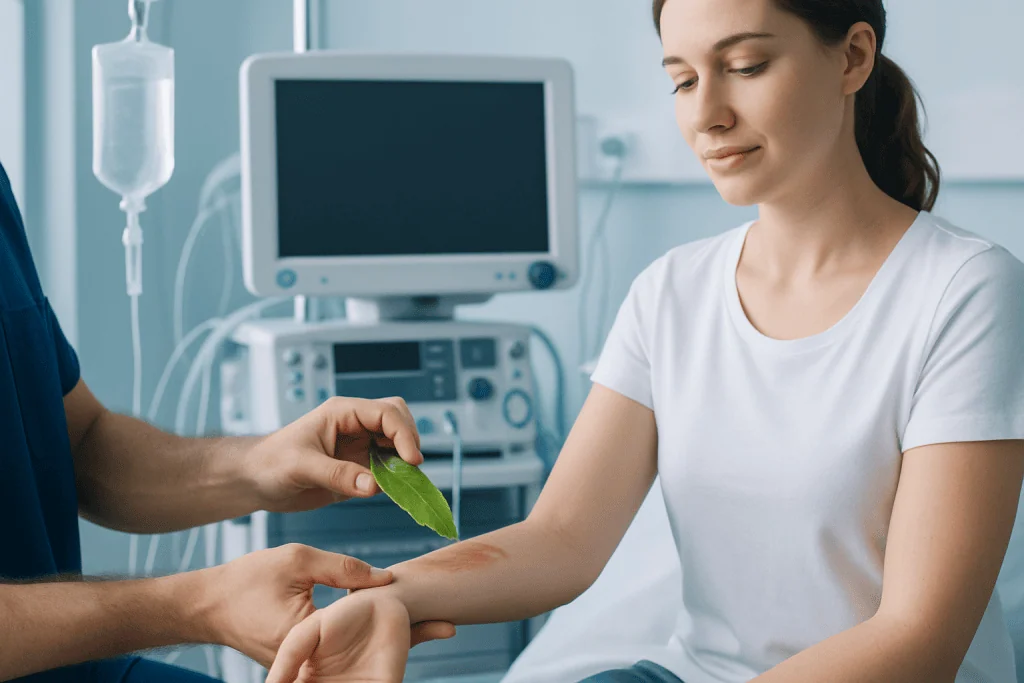
Aloe vera gel contains water-rich plant compounds that can create a cooling sensation on injured skin. This may help a person feel more comfortable, especially when the skin feels hot, tight, or dry after a mild burn. Some laboratory and clinical research has also explored aloe vera’s anti-inflammatory and wound-supporting properties, although results vary and product quality is not always consistent.
For minor superficial burns, the main potential benefits are symptom relief and moisture support. Keeping injured skin from drying out too much can make healing more comfortable. That said, aloe vera does not undo tissue damage, and it should not be relied on for burns that are second-degree or deeper without a clinician’s guidance.
Not every aloe product is the same. Pure or high-percentage aloe vera gel is usually a better choice than products with heavy fragrance, alcohol, dyes, or multiple cosmetic additives. These ingredients can sting, irritate damaged skin, or trigger contact dermatitis in sensitive individuals.
What Type of Burn Is It Appropriate For?

Aloe vera is most appropriate for a minor first-degree burn, also called a superficial burn. These burns usually affect only the outer layer of skin and may cause redness, tenderness, mild swelling, and pain without significant blistering. A common example is a small kitchen burn or a mild sunburn affecting a limited area.
It is less appropriate for burns with blisters, open skin, charring, white or leathery areas, severe swelling, or numbness. Those features can suggest a deeper injury. A person should also be cautious when a burn covers a large area or affects the face, hands, feet, genitals, buttocks, or a major joint, because even a seemingly limited injury in these areas can affect function and healing.
When the skin barrier is broken, infection risk rises. In those cases, a clinician may recommend dressings, pain control, tetanus review, or specialized wound care. Related skin problems such as eczema-prone skin or contact sensitivity may also make self-treatment harder to judge.
How to Use Aloe Vera Safely
The first step is not aloe vera but cooling the burn. The burned area should be placed under cool, gently running water for about 20 minutes as soon as possible. Ice, very cold packs, butter, toothpaste, and thick oily home remedies should be avoided because they can further damage skin or trap heat.
After cooling, the skin can be gently patted dry. A thin layer of pure aloe vera gel may then be applied to a small superficial burn. The area should be kept clean, and if needed, covered loosely with a non-stick sterile dressing. Rings, watches, or tight clothing near the burn should be removed early in case swelling develops.
A person should stop using aloe vera if the skin becomes more red, itchy, painful, or develops a rash. These changes may point to irritation or allergy rather than healing. If the burn is not improving over several days, or if pain, swelling, drainage, or fever appear, a doctor should review it.
- Use cool running water first.
- Choose a simple aloe gel without perfume or alcohol.
- Apply a thin layer only to small, superficial burns.
- Do not apply to severe, deep, infected, or heavily blistered burns without medical advice.
What to Avoid After a Burn
Many people reach for home remedies immediately, but some can delay healing. Ice can reduce blood flow to already injured tissue and may worsen damage. Greasy substances, including butter or thick oils, can trap heat and make the burn harder to assess and clean.
It is also best not to pop blisters. Intact blisters help protect underlying tissue from germs. If a blister breaks on its own, the area should be kept clean and covered, and medical advice may be needed depending on the size and location of the burn.
Topical products with strong fragrance, numbing ingredients, or multiple botanical additives may irritate sensitive skin. If there is concern for an allergic rash, a clinician may consider allergy testing in selected cases, especially if a person has repeated reactions to skincare products.
When to Seek Medical Care
Medical care is recommended if the burn is larger than the person’s palm, looks deep, is caused by electricity or chemicals, involves smoke inhalation, or affects the face, hands, feet, genitals, buttocks, or major joints. Burns in infants, older adults, and people with diabetes, poor circulation, or immune system problems also deserve a lower threshold for professional review.
A doctor should also be contacted if pain is severe, blisters are extensive, movement is difficult, or the skin becomes increasingly red, warm, swollen, or drains fluid. These can be signs of a deeper burn or infection. In some cases, imaging or specialist review is needed to understand the full extent of the injury, and clinicians may use services such as advanced imaging when burn-related complications affect deeper tissues.
If a burn wound is not healing as expected, specialists may evaluate the skin more closely. In selected situations, especially when the diagnosis is uncertain or another skin condition is suspected, skin biopsy can help clarify what is happening. Near the end of the care pathway, Acibadem International’s multidisciplinary specialists at JCI-accredited hospitals diagnose and treat burn-related skin problems for international patients when more advanced assessment is needed.
Recovery, Prevention, and Skin Care After Healing
Most small superficial burns improve within days to about two weeks, depending on the depth of injury and the person’s overall health. During healing, the skin should be kept clean and protected from friction. Once the surface has closed, a gentle fragrance-free moisturizer can support comfort.
Sun protection matters after a burn because new skin can darken or discolor more easily. Covering the area or using sunscreen on healed skin may reduce long-lasting color changes. If itch, sensitivity, or dry patches continue, it may help to discuss whether there is overlap with conditions such as psoriasis or other inflammatory skin disorders.
Prevention is equally important. Common strategies include turning pot handles inward, using oven mitts, checking bath water temperature, storing chemicals safely, keeping children away from hot surfaces, and using caution with heating pads and steam. These simple steps can prevent many household burns before treatment decisions are ever needed.
Frequently asked questions
Can aloe vera be put on a fresh burn right away?
The burn should first be cooled under cool running water as soon as possible. After that, aloe vera may be used on a small superficial burn if the skin is intact and the product is simple and non-irritating.
Is aloe vera good for blistering burns?
Blistering can suggest a deeper burn than a simple first-degree injury. Aloe vera alone is usually not enough for a larger or more painful blistering burn, and a clinician should assess the size, location, and severity.
What kind of aloe vera product is best?
A plain aloe vera gel with few additives is generally preferred. Products with alcohol, perfume, dyes, or strong cosmetic ingredients may sting or irritate damaged skin.
Should aloe vera be used on an open burn wound?
Open, deep, or infected burns should not be self-treated with aloe vera alone. These wounds may need professional cleaning, dressings, pain management, and monitoring for infection.
How long does a minor burn usually take to heal?
A small superficial burn often improves within several days and may heal fully within about one to two weeks. Healing can be slower if the burn is deeper, becomes irritated, or occurs in someone with diabetes or circulation problems.
What are signs that a burn may be infected?
Increasing redness, swelling, warmth, pus-like drainage, worsening pain, or fever can suggest infection. If these symptoms appear, the person should seek medical evaluation rather than continuing home treatment.
This article is for general information only and is not a substitute for professional medical advice. Please consult a qualified doctor about your individual situation.
Explore treatments in Turkey — costs, top hospitals & a free quote
JCI-accredited · board-certified surgeons · reply within 24h
Add us as a Preferred Source to see more of our trusted health content across Google Search, AI Overviews and Discover.

More from the Health Library

When to Get a Routine Health Assessment and Which Screenings Matter by Age

Cacao Nibs: A Complete Medical Overview

Case Manager Responsibilities: A Complete Medical Overview

Disimpaction: An Evidence-Based Guide for Patients

Erythritol Stroke Risk Study: An Evidence-Based Guide for Patients

Royal Jelly Benefits: An Evidence-Based Guide for Patients
Aesthetic Plastic & Reconstructive Surgery Specialists at Acibadem

Asst. Prof. Dr. Berkhan Yılmaz
Aesthetic Plastic & Reconstructive Surgery
Prof. Dr. Bülent Saçak
Aesthetic Plastic & Reconstructive Surgery
Dr. Burak Sercan Erçin (m)
Aesthetic Plastic & Reconstructive Surgery
Dr. Cem Öz
Aesthetic Plastic & Reconstructive Surgery