Hair Loss Post Birth: An Evidence-Based Guide for Patients

Hair loss post birth is usually a form of temporary shedding called telogen effluvium. Shedding often begins a few months after delivery and improves over time without specific treatment.
Key Takeaways
- Hair loss post birth is usually a form of temporary shedding called telogen effluvium.
- Shedding often begins a few months after delivery and improves over time without specific treatment.
- Gentle hair care, good nutrition, and patience are often the main steps needed.
- A doctor should assess severe, prolonged, or patchy hair loss, or hair loss with other symptoms such as fatigue or weight changes.
- Other causes such as iron deficiency, thyroid problems, or scalp conditions can mimic postpartum shedding.
Hair loss post birth is commonly a temporary increase in shedding that happens when hormone levels shift after pregnancy. In most cases, the hair growth cycle gradually returns to normal, although some people may need medical assessment to rule out other causes.
Overview: what hair loss post birth usually means
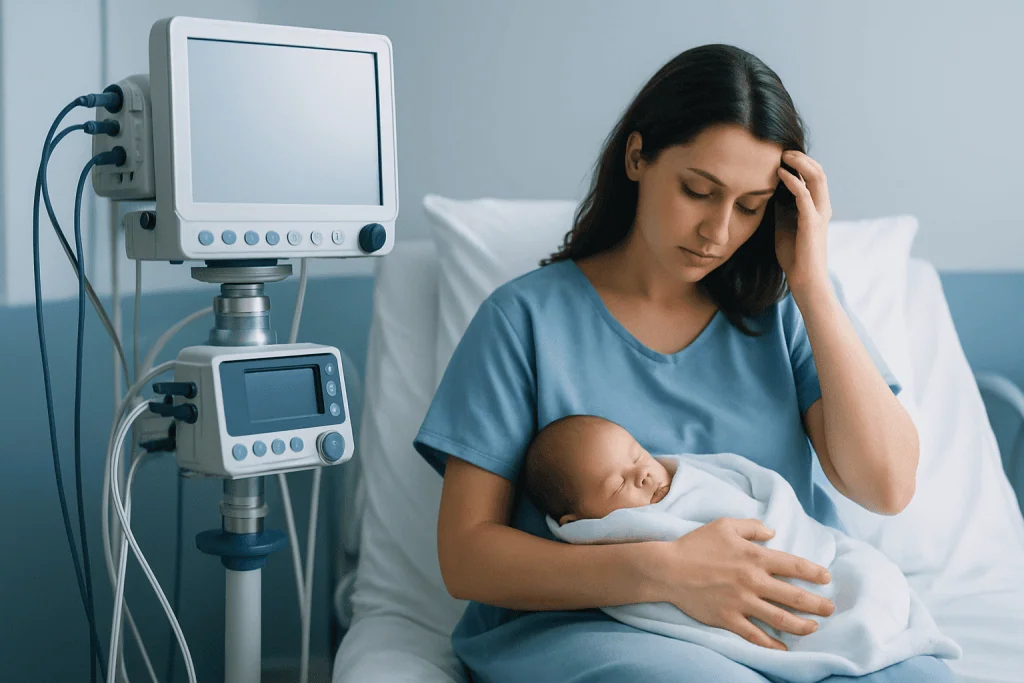
Hair loss post birth usually refers to increased hair shedding in the weeks or months after delivery. This is most often a normal, temporary response to changing hormone levels rather than permanent hair loss. Many patients notice more strands on the pillow, in the shower drain, or on a hairbrush, and this can feel unexpected even though it is common.
During pregnancy, higher estrogen levels keep more hairs in the growth phase for longer than usual. After birth, hormone levels fall and many of those hairs move into the shedding phase at around the same time. The result can be noticeable thinning, especially around the hairline or part line, but the hair follicles themselves are usually not damaged.
This pattern is called telogen effluvium. It is a shift in the normal hair cycle rather than a disease of the scalp. In most people, the shedding slows as the body recovers from pregnancy and the hair growth cycle becomes balanced again.
How the hair growth cycle changes after pregnancy
Hair normally cycles through growth, transition, rest, and shedding. At any one time, most scalp hairs are actively growing, while a smaller proportion are resting and preparing to fall out. Everyday shedding is part of this process and is not a sign of illness by itself.
Pregnancy can temporarily change that balance. Because more hairs remain in the growth phase, the hair may appear fuller during pregnancy. After delivery, those hairs enter the resting phase together and are shed several weeks later, which can make the loss seem sudden or dramatic even when it is expected.
Hair loss post birth often starts around two to four months after delivery, although timing varies. Many patients improve by the baby’s first year, but texture and density may return gradually rather than all at once. This can be reassuring: visible shedding does not necessarily mean ongoing damage.
It is also important to know that stress on the body can contribute. Lack of sleep, blood loss during delivery, emotional stress, changes in eating patterns, and breastfeeding-related demands may all affect recovery, even though the main trigger is still hormonal change.
Symptoms and what is considered typical
The most typical symptom is diffuse shedding, meaning hair falls from many parts of the scalp rather than one isolated spot. Some people notice overall reduced volume, while others see more visible scalp near the temples or along the central part. The hair may seem thinner, but the scalp usually looks healthy.
Hair loss post birth does not usually cause scarring, severe itching, or painful lesions. The hairs are often full-length strands rather than broken pieces. Patients may see increased shedding when washing or brushing because loose resting hairs are released together.
Common features include:
- Increased hair strands on clothing, bedding, or in the shower
- Thinning around the frontal hairline or temples
- A wider part line
- Reduced ponytail volume
- Gradual improvement over months
If the hair loss is patchy, accompanied by redness or scaling, or associated with eyebrow loss or body hair loss, another condition may be present. In some cases, postpartum shedding can overlap with hair loss from other causes, so persistent or unusual symptoms deserve professional review.
Other causes and risk factors doctors consider
Although telogen effluvium is the most common explanation, not every case of shedding after childbirth is purely hormonal. Doctors may look for conditions that either trigger additional shedding or become more noticeable in the postpartum period. This matters because treatment depends on the cause.
Iron deficiency is one of the most important examples, especially after heavy bleeding during delivery or if iron stores were low in pregnancy. Thyroid disorders can also appear after birth, including postpartum thyroiditis, and may cause hair loss along with fatigue, palpitations, heat or cold intolerance, or weight changes. In some patients, shedding may reveal previously unrecognized female pattern hair loss, which tends to be more gradual and long-lasting.
Scalp conditions can also contribute. These include seborrheic dermatitis, psoriasis, fungal infection, and inflammatory conditions that affect the hair follicles. Some patients may have patchy autoimmune hair loss such as alopecia areata, which is different from diffuse postpartum shedding.
Risk factors for more noticeable shedding may include nutritional deficiencies, significant physical stress, major emotional stress, chronic illness, and certain medications. Tight hairstyles, repeated heat styling, and harsh chemical treatments can worsen the appearance of thinning even if they are not the underlying cause.
How hair loss post birth is diagnosed
Diagnosis usually begins with a medical history and scalp examination. A clinician will ask when the shedding started, whether it is diffuse or patchy, how the pregnancy and delivery went, and whether there are symptoms that suggest another condition. Questions about diet, blood loss, family history, medications, and stress can also help.
On examination, a doctor may look at the distribution of thinning, signs of scalp inflammation, hair breakage, or miniaturized hairs that suggest pattern hair loss. A gentle hair-pull test may show increased shedding. In many typical cases, these steps are enough to support a diagnosis of postpartum telogen effluvium.
If the picture is not straightforward, blood tests may be recommended to check for iron deficiency, thyroid dysfunction, or other nutritional concerns. In selected cases, a dermatologist may use dermoscopy to examine the scalp more closely. This can help distinguish temporary shedding from other forms of hair loss.
When a scalp disorder is suspected, further evaluation may be needed. For example, persistent inflammation, scaling, or scarring would require a different approach than routine postpartum shedding. In broader assessment, clinicians may also consider check-up and screening to look for general health issues that may affect recovery.
Treatment options and practical self-care
For uncomplicated hair loss post birth, the main treatment is time and supportive care. Because the hair follicles usually remain healthy, regrowth often happens as the hair cycle resets. Patients can be reassured that temporary shedding does not usually lead to permanent baldness.
Self-care focuses on reducing stress on the hair and supporting overall health. Gentle washing, avoiding tight hairstyles, limiting excessive heat, and using a wide-toothed comb may help minimize breakage. A balanced diet with adequate protein, iron, zinc, vitamin D, and other nutrients is also important, although supplements should be used based on professional advice rather than guesswork.
Doctors may treat an underlying cause if one is found. Iron deficiency may require iron replacement, and thyroid disease may need specific medical management. If a scalp condition is contributing, targeted care from a dermatologist may be advised. In some persistent or complex cases, patients may benefit from assessment in dermatology or, if thinning remains significant over time, consultation with specialists experienced in hair restoration options.
It can also help to focus on cosmetic strategies while waiting for regrowth. A shorter haircut, volumizing products, and changing the hair part may make thinning less noticeable. These steps do not change the hair cycle but may improve confidence during recovery.
When to seek medical care
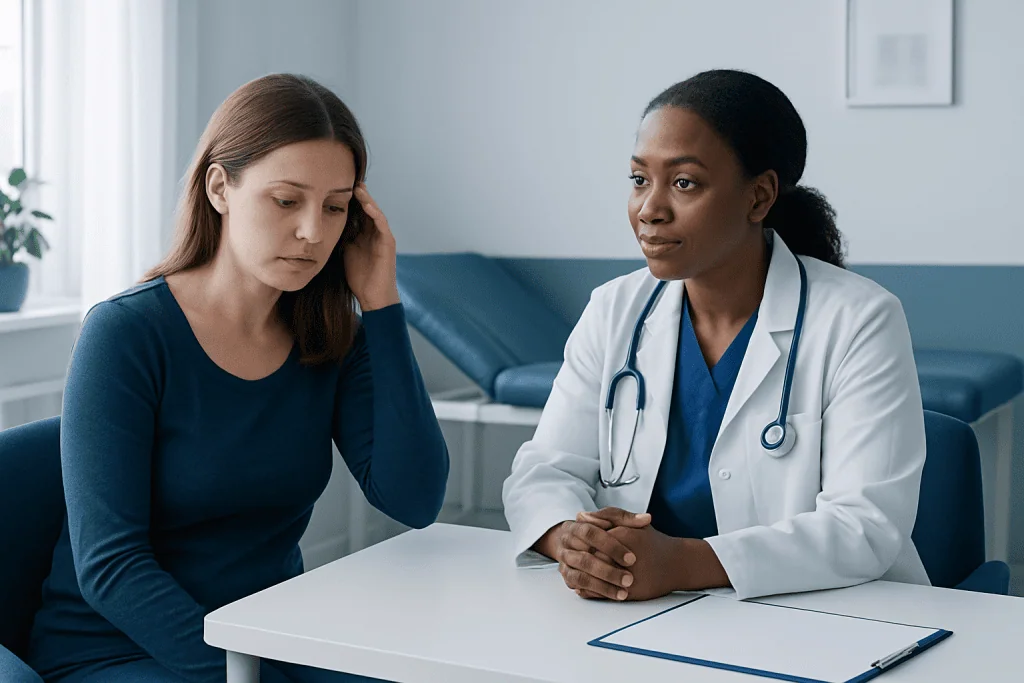
Hair loss post birth should be medically assessed if it is severe, lasts longer than expected, or does not begin to improve over several months. It is also sensible to seek care if hair loss starts very soon after delivery and is rapidly progressing, or if there is a history of thyroid disease, anemia, or autoimmune conditions.
Professional evaluation is especially important when symptoms suggest another cause. Warning signs include patchy bald spots, scalp redness or pain, significant dandruff-like scaling, broken hairs, loss of eyebrows or eyelashes, or signs of hormonal or metabolic problems such as marked fatigue, dizziness, weight changes, or palpitations.
A clinician can help confirm whether the shedding is part of normal postpartum recovery or whether testing is needed. For international patients who need specialist assessment, Acibadem International’s multidisciplinary teams in JCI-accredited hospitals evaluate and treat hair and scalp conditions with an individualized approach.
Prevention, recovery expectations, and emotional impact
There is no guaranteed way to prevent postpartum shedding because the main driver is the normal hormonal shift after pregnancy. Still, maintaining prenatal and postpartum follow-up, eating well, managing iron deficiency when present, and addressing thyroid or scalp problems early may reduce additional contributors to hair loss.
Recovery is usually gradual. New hairs may first appear as shorter strands around the hairline, which can sometimes look like frizz before they blend with the rest of the hair. It often takes months for density to look closer to the person’s usual baseline, especially for longer hairstyles.
The emotional effect should not be overlooked. Changes in appearance after childbirth can feel distressing at a time when sleep, energy, and routines are already disrupted. Reassurance, realistic expectations, and timely medical advice can make the process easier to manage.
If anxiety about shedding is persistent, patients should feel comfortable discussing it with a doctor. Supportive guidance is part of good postpartum care, and concerns about hair can be addressed alongside physical recovery and mental well-being.
Frequently asked questions
Is hair loss post birth normal?
Yes. Hair loss post birth is often a normal temporary shedding pattern caused by hormonal changes after delivery. It is usually not a sign of permanent follicle damage.
When does postpartum hair loss usually start?
It commonly begins around two to four months after delivery, although timing can vary. Some people notice shedding earlier or later depending on their individual hair cycle and overall recovery.
How long does hair loss post birth last?
Many patients improve within several months, and the hair cycle often looks more normal by the baby's first year. Full cosmetic recovery can take longer because new hair needs time to grow out.
Can breastfeeding cause hair loss after pregnancy?
Breastfeeding itself is not considered the main cause of postpartum shedding. The primary trigger is the hormonal shift after birth, though the physical demands of postpartum life may influence recovery.
What can help reduce shedding after childbirth?
Gentle hair care, good nutrition, and treatment of any underlying problems such as iron deficiency or thyroid disease can help. Avoiding tight hairstyles and excessive heat may also reduce breakage and make thinning less noticeable.
When should a new mother see a doctor about hair loss?
Medical advice is important if hair loss is patchy, severe, associated with scalp symptoms, or lasts longer than expected. A doctor should also evaluate hair loss that occurs with fatigue, dizziness, weight change, or other symptoms that may suggest anemia or thyroid disease.
References
- American Academy of Dermatology
- American College of Obstetricians and Gynecologists
- National Institute of Arthritis and Musculoskeletal and Skin Diseases
- National Health Service
- Mayo Clinic
This article is for general information only and is not a substitute for professional medical advice. Please consult a qualified doctor about your individual situation.
Hair transplant in Turkey — costs, graft counts & a free assessment
JCI-accredited · board-certified surgeons · reply within 24h
Add us as a Preferred Source to see more of our trusted health content across Google Search, AI Overviews and Discover.