Cures for Gallbladder Pain: Possible Causes and When to Seek Care

Gallbladder pain is often linked to gallstones, but other digestive problems can cause similar symptoms. Home measures may ease discomfort briefly, but they do not remove gallstones or treat infection.
Key Takeaways
- Gallbladder pain is often linked to gallstones, but other digestive problems can cause similar symptoms.
- Home measures may ease discomfort briefly, but they do not remove gallstones or treat infection.
- Pain in the upper right abdomen after fatty meals, especially with nausea, can suggest gallbladder disease.
- Urgent medical care is needed for severe pain, fever, jaundice, vomiting, or symptoms lasting more than a few hours.
- Treatment may include dietary changes, medicines, or gallbladder removal depending on the diagnosis.
Cures for gallbladder pain are not one-size-fits-all because the best treatment depends on what is causing the pain. Temporary comfort measures may help mild symptoms, but recurring, severe, or fever-related pain should be assessed by a doctor to look for gallstones, inflammation, or other digestive conditions.
Overview: what cures for gallbladder pain really mean
When people search for cures for gallbladder pain, the most accurate answer is that relief depends on the underlying cause. Gallbladder pain is commonly caused by gallstones blocking the normal flow of bile, but inflammation, infection, bile duct problems, and even non-gallbladder conditions can create similar symptoms. Because of this, effective treatment starts with identifying why the pain is happening.
The gallbladder is a small organ under the liver that stores bile, which helps digest fats. If a stone temporarily blocks the gallbladder outlet, pain may come and go. If the blockage lasts longer, the gallbladder can become inflamed, leading to more intense pain and a higher risk of complications.
Some people experience brief improvement with rest, hydration, and avoiding heavy or fatty meals. However, these steps are supportive rather than curative. True cures for gallbladder pain may involve medical treatment of inflammation, management of stones in the bile ducts, or surgery to remove the gallbladder when symptoms are recurrent or complications develop.
How gallbladder pain feels
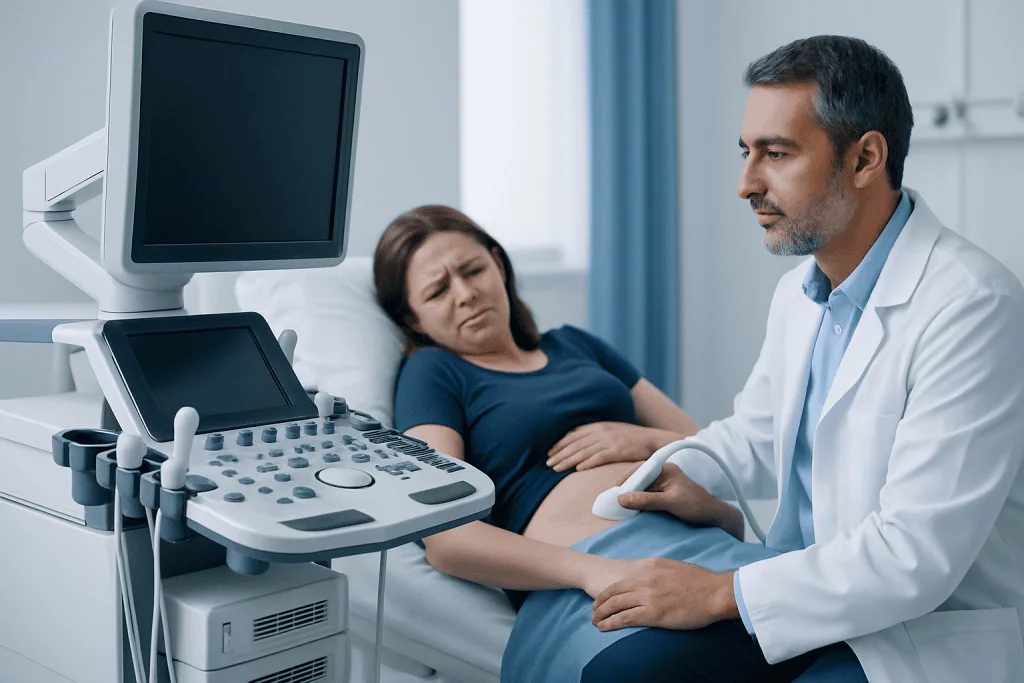
Gallbladder pain is often felt in the upper right side of the abdomen, just under the ribs. Some people describe it as a steady ache, pressure, cramping, or a gripping pain that builds after eating, especially after a fatty meal. The pain may spread to the center of the upper abdomen, the back, or the right shoulder blade.
Symptoms can last from minutes to several hours. Nausea, vomiting, bloating, and indigestion-like discomfort may happen at the same time. In some cases, a person has repeated episodes that seem to follow a pattern, such as after rich or greasy foods.
It is important to know that not all pain in this area is from the gallbladder. Ulcers, acid reflux, liver conditions, pancreatitis, muscle strain, or heart-related problems can sometimes feel similar. That is one reason self-diagnosis can be unreliable, especially when pain is new, severe, or different from usual digestive discomfort.
- Upper right abdominal pain
- Pain after meals, particularly fatty foods
- Nausea or vomiting
- Pain radiating to the back or right shoulder
- Bloating or a feeling of fullness
Possible causes of gallbladder pain
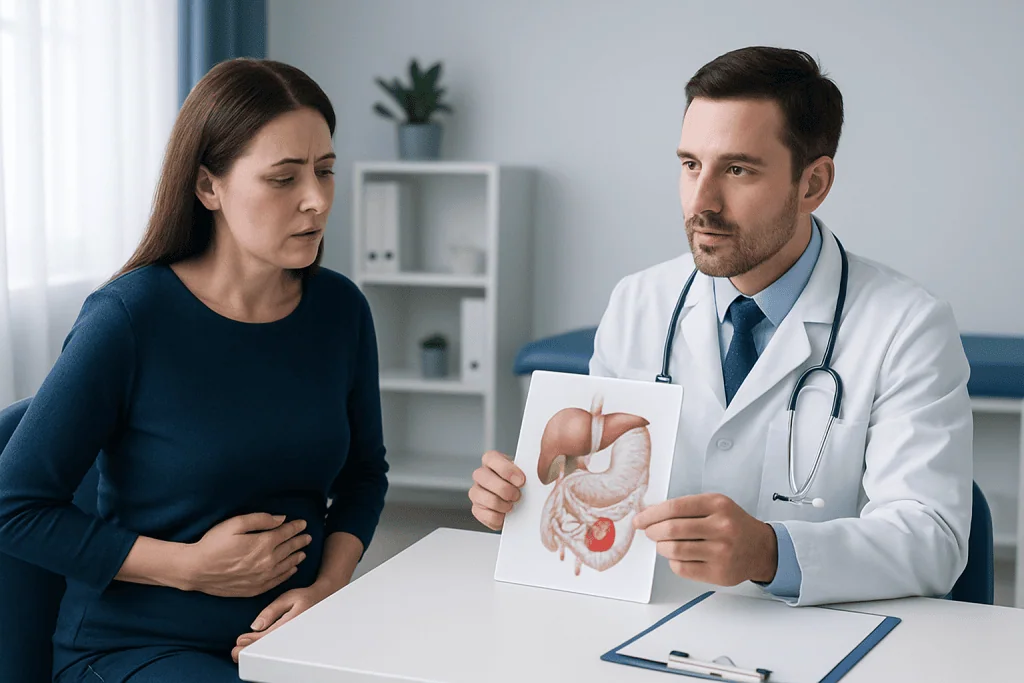
The most common cause is gallstones, which are hardened deposits that form in the gallbladder. Many people with gallstones have no symptoms, but when a stone blocks the gallbladder outlet, it can trigger biliary colic, a painful episode that often begins suddenly. If blockage continues, inflammation of the gallbladder, called cholecystitis, can develop.
Other causes include stones in the common bile duct, inflammation without stones, gallbladder sludge, and rarely growths or structural abnormalities. Problems nearby, such as pancreatitis or liver disease, may also produce pain in the same region. Some people may have symptoms suggestive of gallbladder disease even when scans do not show stones, which can prompt evaluation of gallbladder function.
Certain factors increase the likelihood of gallbladder problems, including increasing age, obesity, rapid weight loss, pregnancy, diabetes, and family history. Diet and hormone-related factors may also play a role. When symptoms fit the pattern of gallstones, doctors usually consider both the symptoms and imaging results before recommending a treatment plan.
Can home remedies relieve gallbladder pain?
At-home care may help reduce discomfort temporarily, especially if symptoms are mild and short-lived. Resting, drinking water in small amounts, and avoiding fatty or fried foods can reduce the digestive workload on the gallbladder. Some people feel better when they choose simple, low-fat meals until they can be evaluated.
Over-the-counter pain relief may sometimes be used, but it should be approached carefully because abdominal pain can have many causes. A doctor or pharmacist can advise whether a medicine is appropriate based on a person’s age, medical history, and other medications. Heat packs are sometimes used for comfort, but they should not replace evaluation if symptoms are intense or persistent.
Home remedies are not a cure for blocked gallstones, infection, or inflammation. A person should not rely on internet “flushes,” extreme diets, or unproven cleanses, as these may be ineffective and sometimes unsafe. If pain returns repeatedly, wakes someone from sleep, or is accompanied by fever or yellowing of the skin, medical assessment is important.
How doctors diagnose the cause
Diagnosis usually begins with a careful medical history and physical examination. A doctor will ask where the pain is located, how long it lasts, whether it follows meals, and whether there are warning signs such as fever, dark urine, pale stools, or jaundice. This symptom pattern can strongly suggest whether the gallbladder is involved.
Blood tests may be used to look for signs of infection, inflammation, liver irritation, or pancreatic involvement. Imaging is also important. Ultrasound is often the first test because it can show gallstones, thickening of the gallbladder wall, and bile duct changes. In some situations, additional imaging may be recommended if symptoms are complicated or the diagnosis is unclear.
Depending on the findings, a doctor may also evaluate for related digestive conditions. This can include pancreatitis or problems involving the bile ducts. In more complex cases, advanced imaging or endoscopic procedures may be used to locate a blockage and guide treatment.
Treatment options that may cure or control the pain
The right treatment depends on the cause and severity of symptoms. If pain is due to gallstones without complications, a doctor may initially advise dietary adjustments and symptom monitoring. However, when attacks recur or interfere with daily life, removing the gallbladder is often the most definitive treatment because it prevents future gallstone attacks from the gallbladder itself.
The standard surgical treatment is gallbladder surgery, also called cholecystectomy. This is commonly performed using minimally invasive techniques, which usually means smaller incisions and a shorter recovery than open surgery. People can live without a gallbladder because bile can still flow from the liver into the intestine.
If a stone has moved into the bile duct, doctors may recommend ERCP to find and remove the blockage. If infection or acute inflammation is present, treatment may include fluids, pain control, and other supportive hospital care. When symptoms overlap with other upper digestive disorders, evaluation by specialists in gastroenterology care can help ensure the right diagnosis and treatment path.
When to seek medical care
A short-lived episode of mild discomfort may settle, but certain symptoms should not be ignored. A person should seek prompt medical care if gallbladder pain is severe, lasts more than a few hours, or keeps returning. Medical evaluation is also important if pain is associated with eating and becomes a repeated pattern.
Urgent care is especially important if pain is accompanied by fever, chills, vomiting, jaundice, confusion, faintness, or an inability to keep fluids down. These features may suggest infection, persistent blockage, or another condition that needs timely treatment. Severe upper abdominal pain can also mimic emergencies unrelated to the gallbladder.
For international patients, Acibadem International’s multidisciplinary specialists and JCI-accredited hospitals diagnose and treat gallbladder disorders with coordinated medical, imaging, endoscopic, and surgical care. A clinician can decide whether symptoms point to a straightforward gallstone problem or to another digestive condition that needs different treatment.
Prevention and living well after treatment
Not all gallbladder problems can be prevented, but some everyday measures may help lower risk. Maintaining a stable, healthy weight, avoiding rapid crash diets, and following a balanced eating pattern may support gallbladder health. Gradual weight loss is generally preferred over extreme approaches because rapid weight changes can increase gallstone formation in some people.
After treatment, many people recover well and return to normal activities. If the gallbladder is removed, some individuals notice temporary digestive changes, especially after high-fat meals, but these often improve over time. A doctor may recommend introducing foods gradually and paying attention to how the body responds.
Anyone with repeated abdominal pain should avoid self-treating indefinitely. Keeping a record of when symptoms happen, what foods seem to trigger them, and whether there are associated symptoms can be helpful at a medical visit. Clear diagnosis is the safest route to meaningful and lasting relief.
Frequently asked questions
What is the fastest way to relieve gallbladder pain?
The fastest safe relief depends on the cause of the pain. Resting, avoiding fatty foods, and seeking medical advice may help mild episodes, but severe or persistent pain needs prompt evaluation because home care cannot remove a blockage or treat infection.
Can gallbladder pain go away on its own?
Yes, a brief attack can sometimes settle if a stone stops blocking the gallbladder outlet. However, pain that returns repeatedly or lasts for hours should be checked because the underlying problem may still be present and can worsen over time.
Where is gallbladder pain usually felt?
Gallbladder pain is most often felt in the upper right abdomen under the ribs. It can also spread to the center of the upper abdomen, the back, or the right shoulder blade, especially after eating.
Do all people with gallstones need surgery?
No, not everyone with gallstones needs surgery. Silent gallstones that cause no symptoms may simply be monitored, while recurrent pain, inflammation, or bile duct blockage often lead doctors to recommend gallbladder removal.
What foods should be avoided during gallbladder pain?
Fatty, fried, and very rich meals are common triggers and are usually best avoided until a doctor evaluates the symptoms. Choosing lighter, lower-fat foods may reduce discomfort, but diet changes alone do not cure gallstones or infection.
When is gallbladder pain an emergency?
Gallbladder pain should be treated as urgent if it is severe, lasts more than a few hours, or comes with fever, jaundice, repeated vomiting, faintness, or confusion. These symptoms can signal complications that need immediate medical attention.
This article is for general information only and is not a substitute for professional medical advice. Please consult a qualified doctor about your individual situation.
Explore treatments in Turkey — costs, top hospitals & a free quote
JCI-accredited · board-certified surgeons · reply within 24h
Add us as a Preferred Source to see more of our trusted health content across Google Search, AI Overviews and Discover.

More from the Health Library

How to Eat Kiwi Fruit? A Doctor-Reviewed Answer

Can Steroids Raise Blood Pressure? A Doctor-Reviewed Answer

How Much Does Weight Fluctuate in a Day? Causes, Explanations, and Next Steps

What Is Blue Light? Here Is What the Evidence Says

Heat Stroke vs Heat Exhaustion: Key Differences and How Doctors Tell Them Apart