How to Evaluate Facelift Providers Beyond Price
When patients start comparing facelift providers abroad, it is natural to focus on before-and-after photos and the headline package figure. Those details matter, but they should come after a more basic screening process. A facelift is a surgical procedure that should be evaluated through the lens of hospital quality, clinical oversight, and perioperative support. In practice, this means checking whether treatment is delivered in a licensed hospital, whether the hospital holds JCI accreditation, and whether there is meaningful inpatient capability if closer observation is needed. These are not marketing extras; they are structural indicators of how seriously a provider approaches surgical care.
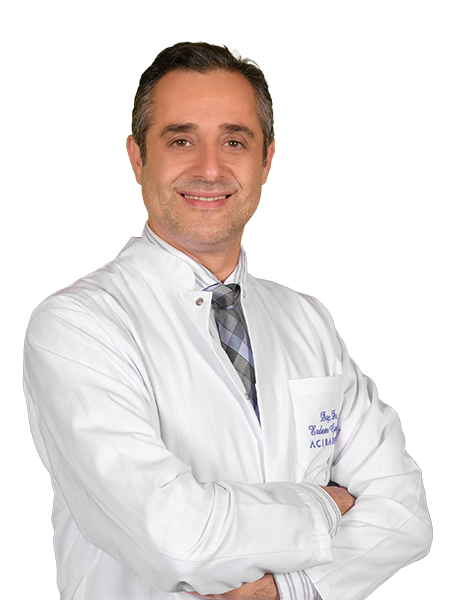
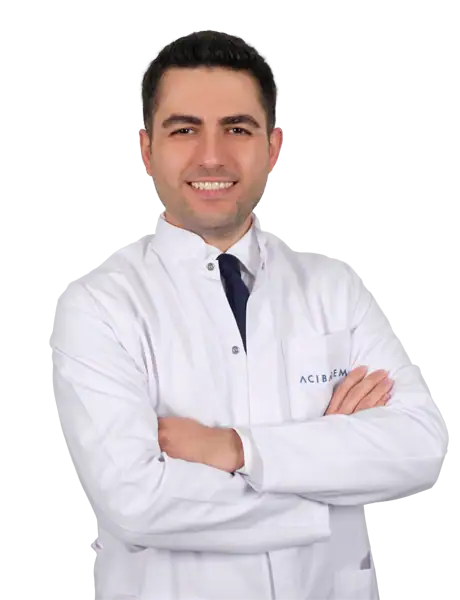
The next point is who actually leads the process. A physician-led workflow is different from a sales-led one. In a physician-led pathway, your candidacy, surgical plan, anesthesia approach, and recovery instructions are built around a clinical assessment rather than a preset package. That is important in facelift surgery because patient needs vary widely. Some people may need only lower-face and neck correction, while others may discuss combined procedures such as eyelid surgery. A proper provider should explain what is suitable, what may not be necessary, and what trade-offs affect scarring, downtime, and the overall surgical plan.
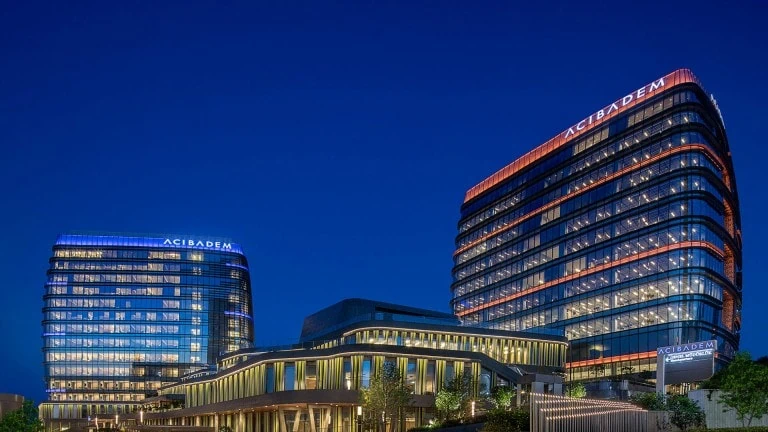
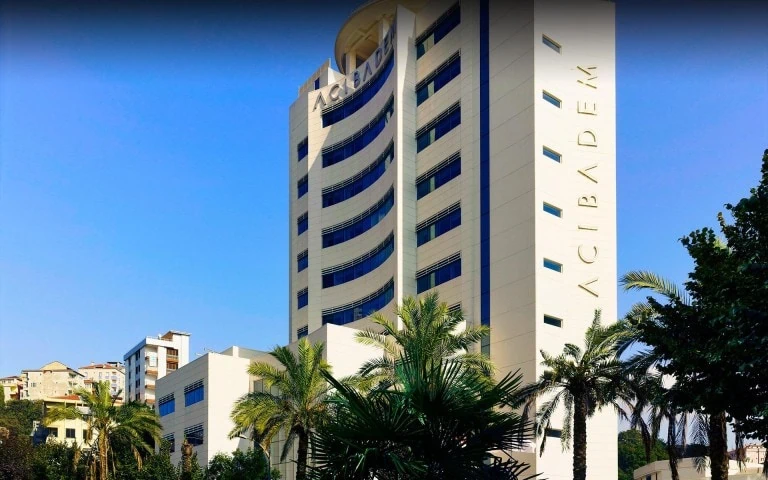
Facility capacity is another practical marker that many patients overlook. The number of beds and operating rooms does not by itself define quality, but it does reflect whether a hospital has the scale and infrastructure to support surgery in a controlled environment. Larger inpatient capacity and established operating suites generally suggest broader institutional support, including sterilization processes, anesthesia teams, recovery areas, and backup resources. For international patients, this can be reassuring because the experience is not dependent on a small standalone unit with limited contingency options if plans need to change.
Finally, compare international patient services with the same seriousness as the clinical aspects. Language support, airport or local transfers, and documented aftercare are not luxuries when surgery is combined with travel. They affect understanding, compliance, and continuity after discharge. Patients searching for the best facelift clinics in Turkey often discover that the most reliable providers are not simply those with attractive pricing, but those with organized systems that make the journey medically coherent from first consultation through recovery planning and follow-up.
Facelift Techniques Explained Honestly
A facelift is not one single operation performed the same way for every patient. Broadly, it refers to surgical techniques used to improve visible laxity in the lower face and jawline, often with attention to the neck. The exact approach depends on anatomy, skin elasticity, the degree of sagging, and the patient’s priorities regarding recovery and incision placement. This is why a responsible clinic should avoid presenting facelift surgery as a standardized product. Good planning starts with identifying what concerns the patient most and whether the target is the cheeks, jowls, neck contour, or a combination of areas.
Patients should also understand what a facelift does not do. It does not change the fundamental texture of skin, and it may not address upper eyelid heaviness, brow position, or all fine lines unless other procedures or non-surgical treatments are considered separately. That is one reason blepharoplasty is often discussed in parallel: the eyes can age differently from the lower face. However, combining procedures should never be automatic. The decision should be individualized according to operative time, recovery tolerance, and overall suitability, which again highlights why physician-led assessment matters more than package design.
The most useful consultation is usually the one that is precise rather than promotional. Patients should expect a clear explanation of where lifting is planned, how scars are typically positioned, what degree of swelling and bruising is normal, and what level of improvement is realistic. Honest counseling includes discussion of asymmetry, skin quality, and the fact that healing is a process rather than a single moment. In a well-run hospital environment, these conversations are supported by preoperative evaluation and documented planning rather than rushed messaging or vague assurances.
For patients comparing the best facelift clinics in Turkey, the real differentiator is often not whether a provider uses impressive terminology, but whether they explain surgical choices in a way that is medically grounded and easy to understand. The strongest providers usually communicate limitations as clearly as benefits. That style of communication is particularly valuable for international patients, who need enough clarity to make decisions remotely and then follow a recovery plan confidently once they arrive and after they return home.
Safety, Accreditation, and Why Hospital Settings Matter
Safety in facelift surgery starts long before the operation itself. It begins with the screening process, the hospital environment, and the systems behind anesthesia, sterility, and postoperative observation. JCI accreditation is relevant in this context because it signals that a hospital has been evaluated against international standards. Accreditation is not a promise of a specific outcome, but it is a meaningful quality marker when patients are comparing providers across borders. For international patients, choosing a licensed hospital with recognized accreditation can be a more objective starting point than relying on advertising claims or social media visibility.
The operating environment matters because facelift surgery is still surgery. Even when it is elective and commonly performed, it requires infection control protocols, anesthesia support, sterile operating rooms, and recovery supervision. Hospitals with established operating capacity and inpatient backup are structurally different from smaller settings with fewer resources. If a patient has a more complex medical profile, is combining procedures, or simply wants the reassurance of hospital-based care, those differences can become especially important. Capacity figures such as bed numbers and operating rooms do not tell the whole story, but they do indicate institutional scale and operational depth.
Inpatient backup is another detail patients should not dismiss. Many facelift patients are discharged according to plan, but access to monitored recovery and broader hospital services can be valuable if observation is needed. This is one reason hospital-based facial plastic pathways may appeal to travelers. When care takes place inside a larger system, the patient is supported not only by the operating team but also by the infrastructure around them. For someone arriving from abroad, that can make the experience feel more predictable and less dependent on informal arrangements.
Among patients researching the best facelift clinics in Turkey, safety questions should outweigh convenience claims. Ask where the surgery is performed, whether the provider is a licensed hospital, whether the hospital is JCI-accredited, and how postoperative care is documented. The strongest answers are usually concrete and verifiable. They describe the clinical setting, the oversight model, and the aftercare pathway in practical terms. That is the level of detail serious patients should expect before making decisions about surgery overseas.
The Patient Journey and Typical Recovery Timeline
For an international patient, the facelift journey begins well before travel. The first phase is remote assessment, where photographs, medical history, and goals are reviewed so the team can decide whether an in-person surgical consultation is appropriate. In a physician-led model, this stage should clarify candidacy, likely procedure scope, and whether related concerns such as eyelids may need separate discussion. It should also cover logistics: expected stay length, the need for a companion if advised, and what kind of aftercare documentation you will receive. Good preparation reduces uncertainty and allows the treatment plan to be shaped around clinical need rather than travel convenience alone.
On the day of surgery and in the immediate postoperative period, patients generally need structured supervision, practical instructions, and clear communication. This is where international patient services matter. Language support helps patients understand medication use, dressing care, warning signs, and follow-up timing. Transfers can make the process smoother after a procedure when comfort and organization matter. In a hospital setting, the value is not only the operation itself but also the surrounding system: admission, monitoring, discharge planning, and access to inpatient support if the clinical team believes more observation is appropriate.
Recovery after a facelift is gradual. Early swelling, bruising, and a sense of tightness are common parts of the postoperative period, and visible improvement evolves over time rather than appearing immediately. Patients usually need realistic expectations about social downtime, sleeping position, activity limits, and the temporary mismatch between how they feel and how they look. Follow-up is therefore not a formality. Documented aftercare gives patients a practical reference once they leave Turkey, which is especially useful when they are continuing recovery at home and want to know what is expected at each stage.
If you are comparing the best facelift clinics in Turkey, pay attention to how the provider describes the recovery pathway. A well-organized journey includes pre-travel planning, in-hospital coordination, discharge instructions, and a documented aftercare framework for the period after you return home. This is often where strong hospitals stand out. They do not treat surgery as an isolated event; they structure it as a clinical process with milestones, communication points, and support adapted to international travel.
Costs, Package Ranges, and What to Check
Cost is one of the main reasons patients consider Turkey for facial rejuvenation, but it is important to frame prices correctly. Market-level package ranges are indicative, not quotes, and the final scope depends on the actual surgical plan, hospital setting, anesthesia, and whether additional procedures are included. Based on the data provided, facelift package ranges in Turkey typically fall around USD 5,500 to 9,500, compared with roughly USD 19,800 to 34,200 in the United States. That represents an indicative saving of about 72 percent at market level, but the comparison is useful only if the clinical setting and support standards are also considered.
The same principle applies to complementary procedures. Eyelid surgery, or blepharoplasty, is often researched alongside facelift surgery because patients may want a more balanced facial rejuvenation plan. Indicative Turkish package ranges are around USD 2,000 to 4,000, versus approximately USD 7,200 to 14,400 in the United States, again reflecting about 72 percent market-level difference. However, combined surgery should be driven by medical planning, not by the temptation to add procedures simply because they appear more affordable in the package context.
Patients should also ask what a package actually includes. Reliable international programs usually define whether the package covers hospital services, operating room use, anesthesia, inpatient stay if applicable, local transfers, language support, and documented aftercare. Without that clarity, price comparisons can be misleading. A lower figure may exclude practical elements that matter once you are on the ground. By contrast, a more transparent package framework can help you understand what is being purchased and how the care pathway is organized.
In other words, the best facelift clinics in Turkey should not be judged by cost alone. The more useful question is whether the package sits within a credible market range and is delivered inside a JCI-accredited, licensed hospital with physician-led planning and international patient support. When those conditions are present, patients are in a better position to compare value rather than simply comparing the lowest number on a page.