How to Make Yourself Sneeze? A Doctor-Reviewed Answer

Sneezing is a protective reflex that clears irritants from the nose. Gentle methods may trigger a sneeze, but forcing one is not recommended.
Key Takeaways
- Sneezing is a protective reflex that clears irritants from the nose.
- Gentle methods may trigger a sneeze, but forcing one is not recommended.
- Putting sharp objects, cotton swabs, pepper, or sprays into the nose can cause harm.
- If difficulty sneezing comes with pain, bleeding, breathing trouble, or persistent congestion, medical review is sensible.
- Doctors look for common causes such as allergies, infections, nasal irritation, or structural blockage.
Most of the time, wanting to sneeze but being unable to do so is harmless and short-lived. The safest approach is to use gentle triggers such as bright light, a strong scent, or lightly stimulating the front of the nose, while avoiding anything that could injure the nose, eyes, or ears.
Overview: can a person make themselves sneeze?
Yes, sometimes a person can trigger a sneeze by gently stimulating the natural sneeze reflex. In many cases, this is harmless when done carefully. Common low-risk methods include looking at a bright light, inhaling a mild scent, or lightly tickling the front inside of the nose with a tissue.
Sneezing is the body’s way of clearing irritants, mucus, dust, or allergens from the nasal passages. It starts when nerve endings in the nose become irritated and send signals to the brain. The body then coordinates a forceful release of air through the nose and mouth.
Usually, the urge to sneeze passes on its own. If a person wants to encourage it, the goal should be gentle stimulation rather than force. Strong or unsafe methods can irritate delicate tissue and may lead to nosebleeds, ear pressure problems, or injury.
It is also helpful to remember that not sneezing is not always a problem. Some people simply lose the urge before the reflex fully develops. If this happens often along with nasal blockage, allergy symptoms, or sinus discomfort, it may relate to an underlying ENT issue such as sinusitis or nasal allergy rather than the sneeze reflex itself.
Safe ways to try to make yourself sneeze
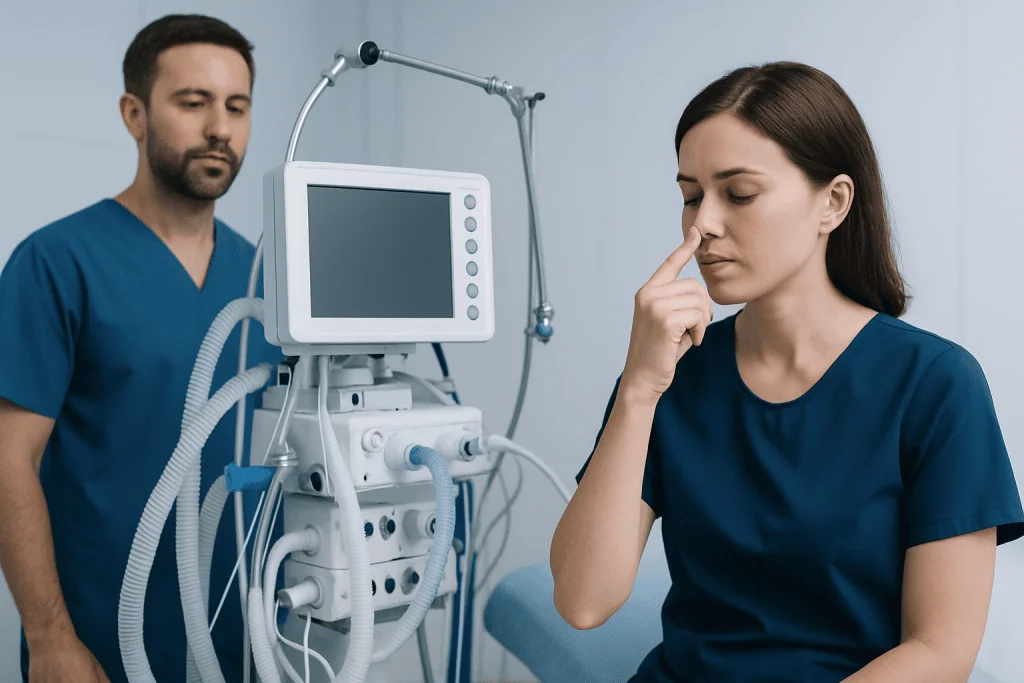
If a person feels a sneeze building but cannot complete it, a few gentle techniques may help. These methods are meant to work with the body’s normal reflex, not override it.
- Look toward a bright light: some people have a “photic sneeze reflex,” meaning bright light can trigger sneezing. It is safer to look toward daylight or a bright lamp indirectly rather than staring at the sun.
- Use a clean tissue: lightly twisting the corner of a tissue near the front of one nostril may stimulate the lining enough to trigger a sneeze. It should stay shallow and gentle.
- Smell a mild scent: perfume, peppermint, or another noticeable but non-irritating scent may help. Strong chemical fumes should be avoided.
- Blow the nose gently: clearing mucus first may expose the nasal lining to normal airflow and help the reflex occur.
- Try nasal moisture: dry nasal passages can feel irritated but may not sneeze easily. Saline mist or steam from a warm shower may help soothe and reset the area.
Some people also sneeze after eating dark chocolate or inhaling cool air, though these triggers are not reliable and vary from person to person. If a technique causes pain, burning, dizziness, or worsening congestion, it is best to stop.
It is important to keep expectations realistic. Even safe methods do not guarantee a sneeze. The body’s reflex depends on individual sensitivity, current nasal irritation, and whether a real trigger is present.
Methods to avoid

Trying to force a sneeze can do more harm than good. The inside of the nose is sensitive and richly supplied with blood vessels, so aggressive stimulation can easily lead to irritation or bleeding.
Unsafe methods include inserting cotton swabs, hairpins, or other objects deep into the nose. Sprinkling pepper, chili powder, or other spices into the nose is also not safe. These substances can cause intense irritation, prolonged burning, coughing, and accidental inhalation into the airways.
Pressurizing the nose or holding in a sneeze forcefully is not recommended either. Trapping pressure may strain the ears, sinuses, or throat. Likewise, overusing medicated nasal sprays without guidance can worsen dryness or create rebound congestion in some situations.
If repeated nose irritation is a problem, it is safer to address the cause rather than trying to provoke sneezing. For example, persistent blockage, sneezing fits, or facial pressure may need an ENT assessment and, in some cases, tests such as MRI scan or other imaging when a doctor thinks they are appropriate.
Why a person may feel unable to sneeze
There are several reasons why a sneeze may seem “stuck.” Sometimes the irritation fades before the reflex fully develops. In other cases, the nose may be too dry, too swollen, or blocked by mucus, making the trigger less effective.
Allergies are a common cause of nasal irritation and repeated sneezing, but they can also leave the nose congested and inflamed. Viral infections such as a common cold may produce similar changes. Structural issues such as a deviated septum or nasal polyps can also interfere with normal airflow and sensation.
Certain medications, dry indoor air, smoke exposure, and frequent use of decongestant sprays may affect the nasal lining. Less commonly, nerve-related issues can alter the sneeze reflex, especially if there are other neurological symptoms. When symptoms are ongoing, doctors focus on the broader pattern rather than the sneeze alone.
In some people, chronic nasal symptoms overlap with conditions such as allergic rhinitis, where sneezing, itching, runny nose, and congestion occur together. Understanding the trigger pattern often helps explain why the sneeze reflex feels unreliable at times.
Red flags and when to seek medical care
Most episodes are minor and do not need urgent care. However, medical attention is appropriate if difficulty sneezing or persistent nasal irritation occurs with warning signs. These include significant nosebleeds, severe facial pain, high fever, shortness of breath, wheezing, one-sided blockage, or symptoms after a nose injury.
It is also sensible to speak with a doctor if the problem lasts more than a couple of weeks, keeps returning, disrupts sleep, or comes with reduced smell, frequent sinus pressure, or thick nasal discharge. Children, older adults, and people with asthma or chronic sinus disease may benefit from earlier review.
If there is sudden swelling, trouble breathing, or signs of a severe allergic reaction, emergency care is needed. That situation is different from a simple “stuck sneeze” and should not be managed at home.
For ongoing symptoms, a clinician may refer the person to an ENT specialist or consider related evaluations such as a medical check-up to look for nasal inflammation, allergy triggers, or structural causes.
How doctors diagnose the cause
When a person seeks care, the first step is usually a history and physical examination. The doctor asks about the pattern of symptoms, timing, exposure to allergens or irritants, medication use, recent infections, and whether there are associated issues such as headaches, snoring, or reduced sense of smell.
The nose, throat, and ears are then examined for swelling, discharge, crusting, bleeding points, polyps, or signs of infection. Sometimes this basic exam is enough to identify a likely cause, especially when allergies or a simple upper respiratory infection are present.
If symptoms are persistent or unusual, further evaluation may be recommended. This may include allergy testing, nasal endoscopy, or imaging in selected cases. The goal is not to “treat the sneeze,” but to understand what is irritating or blocking the nasal passages.
Treatment planning depends on the findings. In more complex cases, multidisciplinary teams may be involved. Acibadem International’s multidisciplinary specialists and JCI-accredited hospitals evaluate nasal and sinus complaints for international patients when further assessment is needed.
Treatment and self-care for the underlying problem
The best treatment depends on why sneezing feels difficult or incomplete. If dryness is the issue, simple measures such as humidified air, good hydration, and saline nasal sprays may help keep the nasal lining comfortable. If an infection is present, care is usually supportive unless a doctor identifies a bacterial cause that needs specific treatment.
For allergies, reducing exposure to triggers and using doctor-recommended allergy treatment can improve both sneezing and congestion. Some people benefit from antihistamines or steroid nasal sprays, but these should be used as directed and not started long term without medical advice.
When structural problems such as a deviated septum or nasal polyps contribute to ongoing blockage, an ENT specialist may discuss procedural options. Depending on the diagnosis, evaluation may connect with services such as endoscopic sinus surgery when conservative treatment has not been enough.
At home, the main aim is comfort and protection of the nasal lining. Gentle nose blowing, avoiding smoke and strong chemicals, limiting dry air exposure, and not inserting objects into the nose are practical steps that often help more than repeatedly trying to provoke a sneeze.
Frequently asked questions
Is it bad if a sneeze will not come out?
Usually, no. A "stuck" sneeze is often just a reflex that faded before it completed. If it happens often with congestion, pain, or bleeding, it is worth discussing with a doctor.
What is the safest way to try to make yourself sneeze?
Gentle methods are best, such as looking toward a bright light indirectly, smelling a mild scent, or lightly touching the front inside of the nose with a clean tissue. These methods should never be painful. If irritation worsens, it is best to stop.
Can pepper help make someone sneeze?
Pepper and other spices can trigger sneezing, but they are not considered a safe method. They can cause significant irritation, coughing, burning, and accidental inhalation. Safer options are preferable.
Why do some people sneeze when they look at bright light?
This is called the photic sneeze reflex. It is a normal variation in which bright light seems to stimulate nerve pathways linked to sneezing. Not everyone has it, and it should not be forced by staring directly at the sun.
Should a person hold in a sneeze if one starts?
It is generally better not to forcefully hold in a sneeze. Trapping the pressure may strain the nose, ears, or throat. Sneezing into a tissue or elbow is the safer approach.
When should someone see a doctor about not being able to sneeze?
Medical review is sensible if the problem is persistent, keeps returning, or comes with fever, facial pain, one-sided blockage, frequent nosebleeds, reduced smell, or breathing symptoms. These features may point to allergies, infection, sinus disease, or another nasal problem.
References
- American Academy of Otolaryngology–Head and Neck Surgery
- American College of Allergy, Asthma & Immunology
- National Health Service
- Mayo Clinic
- Merck Manual Consumer Version
This article is for general information only and is not a substitute for professional medical advice. Please consult a qualified doctor about your individual situation.
Explore treatments in Turkey — costs, top hospitals & a free quote
JCI-accredited · board-certified surgeons · reply within 24h
Add us as a Preferred Source to see more of our trusted health content across Google Search, AI Overviews and Discover.

More from the Health Library



Related Specialists

Dr. Sema Çetin
Physical Medicine & Rehabilitation
Prof. Dr. Tarik Zafer Nursal
General Surgery
Prof. Dr. Barış Kocaoğlu
Orthopedic Surgery & Traumatology
Dr. Eren Erseven
Pediatrics