

Nipple Shield: What Patients Need to Know
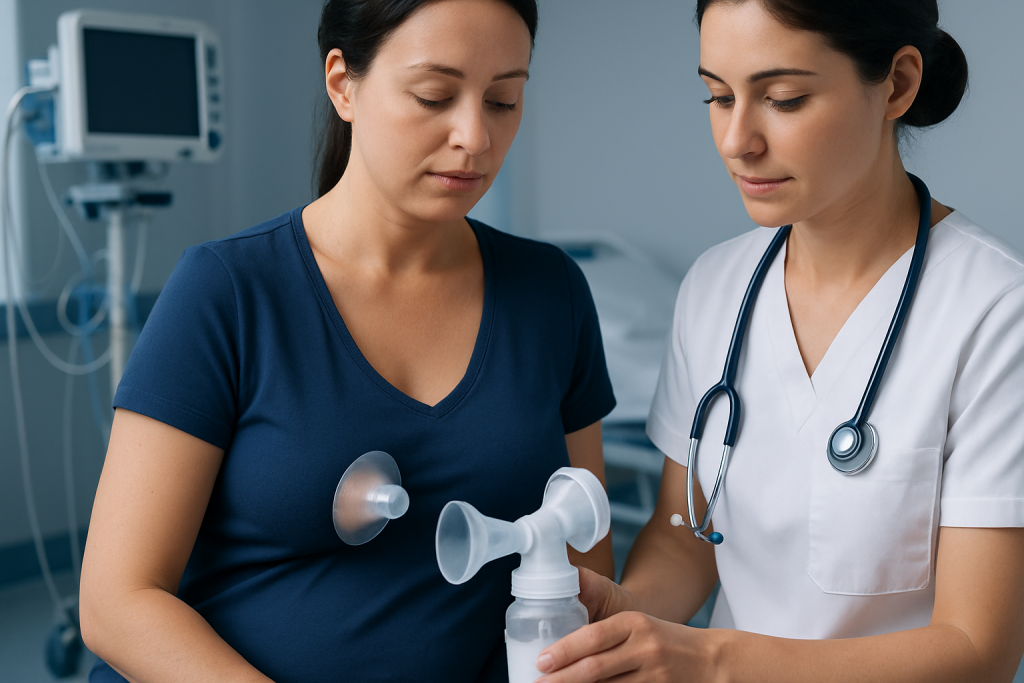
A nipple shield may help with latch difficulties, flat or inverted nipples, or temporary nipple pain. It should fit well and be used correctly so the baby transfers milk effectively.
Key Takeaways
- A nipple shield may help with latch difficulties, flat or inverted nipples, or temporary nipple pain.
- It should fit well and be used correctly so the baby transfers milk effectively.
- Ongoing pain, poor weight gain, or fewer wet diapers can signal that breastfeeding needs review.
- Nipple shields are often most helpful as a temporary aid rather than a long-term solution.
- Medical or lactation support can help address the underlying cause of breastfeeding difficulties.
A nipple shield is a thin, flexible silicone cover placed over the nipple during breastfeeding. It can help some babies latch and may reduce discomfort in certain situations, but it works best as a short-term tool used with advice from a qualified healthcare professional or lactation specialist.
Overview: what a nipple shield is and when it may help
A nipple shield is a thin silicone device worn over the nipple and areola during breastfeeding. It is designed with small holes at the tip so milk can flow to the baby while feeding. In the right situation, a nipple shield can make it easier for a baby to latch or help a parent continue breastfeeding while short-term problems are being addressed.
It is not a universal solution for every feeding challenge. A nipple shield does not treat the underlying cause of nipple pain, poor latch, or low milk transfer on its own. Instead, it is best understood as a tool that may support breastfeeding while a clinician or lactation consultant evaluates what is making feeding difficult.
Common reasons a nipple shield may be considered include a baby who struggles to latch to the breast, flat or inverted nipples, sore or damaged nipples, or a baby who is transitioning from bottle feeding to the breast. In some cases, babies born early or babies with a weak suck may also benefit from a carefully supervised trial.
Many parents worry that needing a nipple shield means breastfeeding is failing. That is not the case. With proper fitting, monitoring, and follow-up, a nipple shield can be one part of a practical feeding plan that protects both infant nutrition and maternal comfort.
Signs that a nipple shield might be considered
A nipple shield may be suggested when breastfeeding is painful or ineffective despite positioning changes and basic latch support. If a baby repeatedly slips off the breast, cannot maintain suction, or seems unable to draw enough nipple and breast tissue into the mouth, a shield may offer temporary structure that helps with attachment.
Some parents with flat or inverted nipples find that a shield gives the baby a more defined shape to latch onto. It may also be considered when nipples are cracked or very tender, although pain should not simply be covered up without assessing the cause. Persistent pain can be linked to shallow latch, infection, skin conditions, or tongue movement issues in the baby.
Healthcare professionals also look at how the baby feeds overall. A baby who feeds for a long time but still seems hungry, falls asleep quickly at the breast, or has poor weight gain may need a full feeding assessment. These problems can occur with or without a nipple shield, so careful monitoring is important.
- Difficulty latching onto the breast
- Flat or inverted nipples
- Temporary nipple pain or trauma
- Transition from bottle to breast
- Prematurity or weak sucking in some babies
Benefits, limits, and possible risks

The main benefit of a nipple shield is that it may allow breastfeeding to continue when latch or nipple discomfort would otherwise make feeding very difficult. For some families, this can reduce stress, protect the breastfeeding relationship, and create time to work on the root cause of the problem with expert support.
However, nipple shields also have limits. If the shield is the wrong size, applied incorrectly, or used without follow-up, the baby may not transfer enough milk. Incomplete milk removal can affect infant intake and may also reduce milk supply over time. This is why diaper counts, feeding behavior, and weight gain matter when a shield is being used.
Some babies feed well with a shield from the start, while others become frustrated if milk flow is slower than expected. Some parents also find shields inconvenient because they need to be cleaned, carried, and positioned correctly at each feed. Using one should feel like part of a plan, not a guess.
If breast pain continues despite a nipple shield, an underlying issue may need medical attention. Causes can include nipple injury, blocked milk ducts, inflammation, or infection such as mastitis. A shield can sometimes make feeds more manageable, but it should not delay diagnosis of a treatable condition.
How to use a nipple shield correctly
Correct fit matters. A nipple shield should be large enough that the nipple can move freely inside the tip without excessive rubbing, but not so large that the baby cannot latch deeply onto the breast tissue around it. A lactation consultant, midwife, pediatrician, or other trained clinician can help choose the right size and check that the baby is transferring milk effectively.
Before applying the shield, hands should be washed and the device cleaned according to the manufacturer’s instructions. Many parents find that turning the shield partly inside out before placement helps draw the nipple gently into the tip as the edges are smoothed onto the breast. The baby should still take in a wide mouthful of the breast, not just the tip of the shield.
During the feed, signs of effective milk transfer are more important than the shield itself. The baby should have rhythmic sucking and swallowing, appear satisfied after feeding, and produce an age-appropriate number of wet and dirty diapers. The breasts should also feel softer after effective feeds.
If there is concern about low milk transfer, a clinician may suggest additional steps such as hand expression or pumping after feeds to protect milk supply. Families who need structured support with milk expression may be advised about options related to fertility and postpartum care only when broader reproductive follow-up is relevant, but in most cases breastfeeding support remains the main focus.
Monitoring feeding success and knowing when it is not working
A nipple shield is working well only if the baby is feeding effectively and the parent is comfortable or improving. Good signs include audible swallowing, a relaxed baby after feeds, normal diaper output, steady weight gain, and less nipple pain over time. Follow-up is especially important in the first days or weeks of use.
Warning signs include feeds that remain very painful, the baby staying on the breast for long periods without seeming satisfied, clicking sounds during feeding, slipping off repeatedly, or very sleepy feeding with little swallowing. Parents may also notice breasts staying full after feeds or a drop in expressed milk volume.
If there are concerns about infant growth, hydration, or intake, the baby should be assessed promptly by a pediatrician or lactation specialist. While a nipple shield can be helpful, it should not replace a careful feeding evaluation. Issues such as tongue-tie, oral anatomy differences, or neurological and developmental factors may need attention.
Breast symptoms should also be monitored. Redness, a hot tender area, fever, or flu-like symptoms can point to blocked ducts or infection and deserve medical review. In some cases, breast imaging or specialist evaluation is needed if symptoms are unusual or persistent, and services such as breast ultrasound may be part of that assessment when clinically appropriate.
Alternatives and ways to move away from a nipple shield
Because a nipple shield is often a temporary aid, many families want to know how and when to stop using it. Weaning usually works best once latch has improved, nipple pain is healing, and the baby is feeding efficiently. This transition may happen quickly for some babies and gradually for others.
Simple strategies can help. Offering the breast when the baby is calm and not overly hungry may improve direct latch. Some parents begin the feed with the shield and remove it once milk is flowing well, then try to relatch the baby directly. Skin-to-skin contact, laid-back feeding positions, and gentle latch support can also encourage progress.
Not every feeding needs to be a test. If attempts to stop the shield lead to distress or poor feeding, it is reasonable to pause and seek support. The goal is effective nutrition and a sustainable feeding routine, not rushing the process. A lactation consultant can help create a step-by-step plan tailored to the baby and parent’s needs.
If persistent breastfeeding difficulties are related to maternal breast health, nipple anatomy, or prior surgery, a broader review may be helpful. In selected cases, evaluation through breast examination or specialist breast care can help clarify whether another condition is contributing to pain or feeding problems.
When to seek medical care
Medical or lactation support should be sought if breastfeeding remains painful, if the baby seems unable to get enough milk, or if there are concerns about weight gain, jaundice, dehydration, or fewer wet diapers. A nipple shield should not be the only response to feeding difficulty when the baby is not thriving.
Parents should also seek care for signs of breast infection or significant inflammation, including fever, chills, increasing redness, severe breast pain, or a firm painful area that does not improve after feeding or expressing milk. Nipple bleeding, persistent cracks, or a rash on the nipple or areola also deserve assessment.
Prompt review is important if there is a new breast lump, one-sided persistent symptoms, or unusual discharge not clearly related to breastfeeding. While many breastfeeding breast changes are benign, ongoing symptoms should be checked by a qualified doctor. Acibadem International’s multidisciplinary specialists in JCI-accredited hospitals diagnose and treat breastfeeding-related breast concerns for international patients when further evaluation is needed.
Families should feel comfortable asking for help early. A pediatrician, obstetrician, midwife, family physician, lactation consultant, or breast specialist can help decide whether a nipple shield is appropriate, whether it is being used effectively, and what next steps are safest.
Frequently asked questions
Is a nipple shield safe to use?
A nipple shield can be safe when it is the right size and used with good breastfeeding support. The main concern is whether the baby is transferring enough milk, so diaper counts, weight gain, and comfort during feeds should be monitored.
Can a nipple shield reduce milk supply?
It can if milk is not removed effectively from the breast. That is why follow-up matters, and some parents may need temporary pumping or hand expression after feeds if advised by their clinician.
How long should a nipple shield be used?
There is no single timeline, but nipple shields are often intended as a short-term tool. They are usually phased out once latch improves, nipple pain settles, and the baby is feeding well directly at the breast.
How do parents know if the baby is getting enough milk with a nipple shield?
Useful signs include regular swallowing during feeds, the baby seeming satisfied afterward, enough wet and dirty diapers, and appropriate weight gain. If there is doubt, a pediatrician or lactation consultant can assess feeding more closely.
Should a nipple shield be used for sore nipples?
It may help some parents continue feeding while the nipple heals, but soreness still needs an explanation. Ongoing pain can be caused by shallow latch, infection, skin irritation, or other problems that should be checked.
Do all babies accept a nipple shield easily?
No. Some babies latch well with a shield, while others may resist it or feed less effectively. If a baby seems frustrated, sleepy, or continues to struggle, feeding support is recommended.
References
- American Academy of Pediatrics
- Centers for Disease Control and Prevention
- Academy of Breastfeeding Medicine
- La Leche League International
- World Health Organization
This article is for general information only and is not a substitute for professional medical advice. Please consult a qualified doctor about your individual situation.
Explore treatments in Turkey — costs, top hospitals & a free quote
JCI-accredited · board-certified surgeons · reply within 24h
Add us as a Preferred Source to see more of our trusted health content across Google Search, AI Overviews and Discover.

More from the Health Library



Related Specialists

Dr. Mesil Acar
Inpatient Clinic Physicians Clinical Service
Prof. Dr. Ayça Özbal Koç
Otorhinolaryngology
Prof. Dr. Ahmet Tayyar
Gynecology & Obstetrics
Dr. Can Aksoğan
Dermatology