Steam Room: An Evidence-Based Guide for Patients

A steam room provides moist heat, usually making it feel different from the dry heat of a sauna. Possible short-term benefits include relaxation, easier breathing during congestion, and temporary relief of muscle stiffness.
Key Takeaways
- A steam room provides moist heat, usually making it feel different from the dry heat of a sauna.
- Possible short-term benefits include relaxation, easier breathing during congestion, and temporary relief of muscle stiffness.
- Steam room use can also carry risks such as dehydration, dizziness, overheating, and worsening of some medical conditions.
- People with heart disease, uncontrolled blood pressure, pregnancy-related concerns, or heat sensitivity should seek medical advice before use.
- Safe use includes short sessions, hydration, avoiding alcohol, and leaving immediately if symptoms develop.
A steam room is a heated space with high humidity that may support relaxation and temporarily ease nasal congestion or muscle tension. It is generally safe for many adults when used briefly and with good hydration, but people with certain medical conditions should check with a doctor first.
What a steam room is and what it can realistically do
A steam room is an enclosed space filled with moist heat. Unlike a sauna, which usually uses dry heat, a steam room has very high humidity, so the air feels heavy and warm on the skin and in the airways. Many people use steam rooms after exercise, during a spa visit, or as part of a personal wellness routine.
For patients, the most important point is that a steam room may offer comfort rather than cure. It can promote relaxation, help muscles feel less tense, and sometimes make breathing feel easier for a short time when a person has mild nasal congestion. However, it does not detoxify the body in a medical sense, treat infection, or replace evidence-based care for ongoing symptoms.
The body responds to steam room heat by increasing blood flow to the skin and producing sweat. This may create a temporary sense of warmth, calm, and looseness in the muscles. Even so, benefits vary from person to person, and tolerance depends on age, hydration, medications, and medical history.
Potential benefits of a steam room
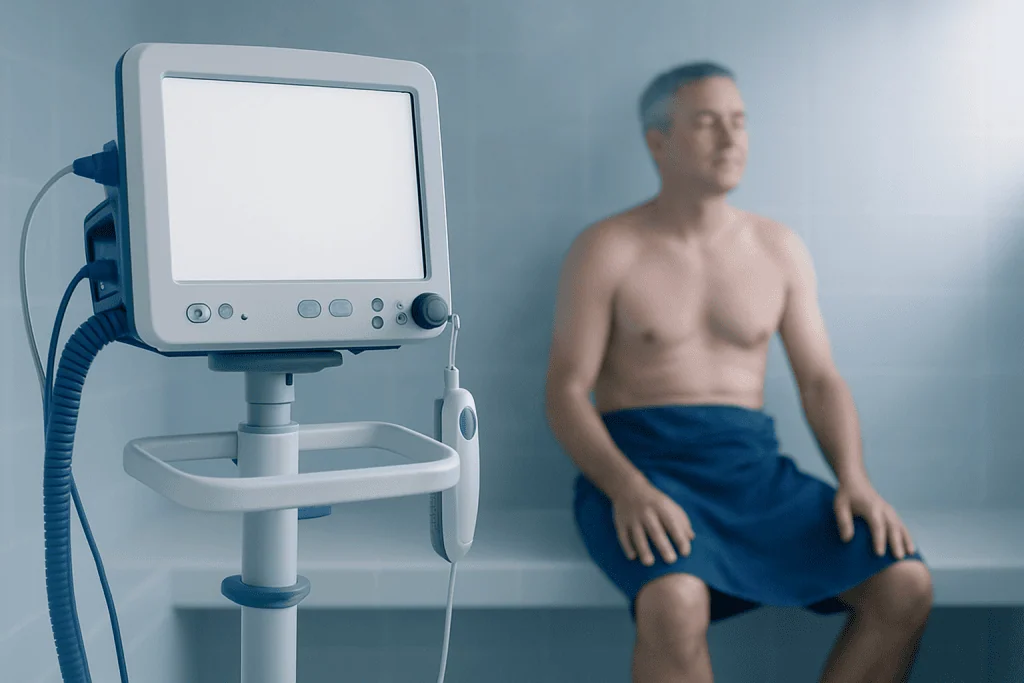
Some people find steam rooms soothing for the body and mind. Moist heat may help a person unwind after physical activity, reduce the feeling of muscle tightness, and support a sense of general well-being. For patients under stress, a short session may be one part of a broader relaxation routine that also includes sleep, movement, and stress management.
A steam room can also make the nose and throat feel more comfortable when the airways are irritated by dryness or mild congestion. Warm, humid air may temporarily loosen mucus and make breathing feel easier. This is one reason some people use steam exposure when recovering from a cold, although symptoms should still be monitored carefully.
There may also be short-term circulation effects from heat exposure. Blood vessels near the skin widen, and the heart works a little harder to help the body cool itself. Some people enjoy the sensation of improved warmth and circulation, but this is not the same as treating a vascular or cardiac condition, and it should not be considered a substitute for medical treatment.
- May support relaxation and stress relief
- May temporarily ease nasal dryness or congestion
- May help muscles feel less stiff after activity
- May create a pleasant sense of warmth and comfort
What a steam room does not do

Steam room use is often surrounded by wellness claims that are stronger than the evidence supports. Sweating does not remove toxins in the way the liver and kidneys do. A steam room also does not burn large amounts of fat, reverse chronic disease, or treat bacterial or viral infections. If a person feels better after a session, that effect is usually related to relaxation, warmth, and short-term symptom relief.
It is also important to separate comfort from treatment. For example, someone with repeated sinus symptoms, chronic cough, wheezing, or shortness of breath should not rely on a steam room alone. These symptoms may sometimes relate to conditions such as asthma or another respiratory problem that needs proper medical evaluation.
Similarly, after exercise, a steam room should not replace recovery basics such as hydration, cooling down, sleep, and nutrition. If someone has persistent muscle or joint pain, a clinician may recommend targeted care such as physical therapy and rehabilitation instead of relying only on heat exposure.
Risks, side effects, and who should be cautious
Steam rooms are not risk-free. The main concerns are dehydration, overheating, low blood pressure, dizziness, and fainting. Because the air is hot and very humid, sweat does not evaporate efficiently, which can make it harder for the body to cool itself. People may feel lightheaded, especially if they stay too long or enter the room after intense exercise.
Some medical conditions deserve special caution. People with heart disease, rhythm problems, uncontrolled high or low blood pressure, kidney disease, seizure disorders, or a history of fainting should ask a doctor whether steam room use is appropriate. Patients with respiratory conditions may react differently; some feel temporary relief, while others find that hot humid air worsens symptoms.
Heat exposure may also be risky during pregnancy, particularly with prolonged sessions or high temperatures. Children and older adults can be more sensitive to overheating and fluid loss. Anyone taking medications that affect blood pressure, alertness, sweating, or fluid balance should be especially careful and review this with a clinician.
Infection control matters too. Shared steam rooms can expose users to bacteria or fungi on wet surfaces if cleaning is poor. Wearing shower shoes, avoiding use with open wounds, and choosing well-maintained facilities can reduce this risk. People with active skin infections may need assessment by a dermatologist, and conditions such as eczema may improve or worsen depending on heat and moisture exposure.
How to use a steam room safely
Safe use begins before entering the steam room. A person should drink water, avoid alcohol, and skip the session if feeling unwell, feverish, dizzy, or severely fatigued. It is also wise to remove heavy workout clothing and allow the body to cool slightly after intense exercise rather than entering immediately while overheated.
Most people should keep sessions short, especially when new to steam rooms. Leaving at the first sign of discomfort is important. Warning symptoms include headache, nausea, racing heartbeat, dizziness, chest discomfort, weakness, or difficulty breathing. After the session, cooling down gradually and drinking water can help the body recover.
Practical hygiene steps matter in shared facilities. Sitting on a clean towel, wearing footwear outside the seating area if permitted, and showering before and after use can reduce irritation and infection risk. Patients with mobility problems or balance issues should be careful on wet floors.
- Keep sessions brief, especially at first
- Hydrate before and after use
- Avoid alcohol and recreational drugs
- Do not use if feeling ill, faint, or feverish
- Leave immediately if symptoms develop
Steam room vs sauna: which is better?
Neither option is automatically better for every person. A steam room provides moist heat, while a sauna usually provides dry heat. Some people prefer steam because it can feel gentler on the skin and may be more comfortable during nasal dryness or congestion. Others prefer saunas because the air feels easier to tolerate despite the higher temperature.
From a patient education perspective, the best choice depends on comfort, health status, and personal response. Someone with heat sensitivity may find both difficult. Another person may tolerate one well but not the other. The goal should not be to force longer sessions or chase unproven health claims, but to choose the option that can be used safely and comfortably.
If a person has chronic pain, repeated breathing symptoms, or cardiovascular concerns, it is better to ask a clinician than to assume steam or sauna is safe. In some cases, tailored medical assessment, including a general check-up, can help identify whether heat exposure fits into an overall wellness plan.
When to seek medical care
A steam room should not be used to manage significant or unexplained symptoms without medical advice. A person should seek medical care if they have chest pain, severe shortness of breath, fainting, confusion, persistent dizziness, or signs of heat illness during or after using a steam room. Ongoing dehydration, vomiting, or a rapid heartbeat that does not settle also need prompt attention.
Medical review is also sensible when symptoms repeatedly occur with heat exposure, even if they seem mild. Examples include recurrent wheezing, unusual fatigue, worsening palpitations, leg swelling, or severe headaches. These may point to an underlying issue rather than simple heat intolerance.
For people with known heart, lung, kidney, or endocrine conditions, discussing steam room use during routine care is a practical step. If symptoms suggest a cardiovascular cause, evaluation through services such as cardiology care may be appropriate. Near the end of the care journey, some international patients choose centers such as Acibadem International, where multidisciplinary specialists in JCI-accredited hospitals evaluate and treat a wide range of health conditions.
Frequently asked questions
Is a steam room good for health?
A steam room can be a helpful wellness tool for some people, mainly for relaxation and short-term comfort. It may temporarily ease congestion or muscle tightness, but it does not treat disease or replace medical care.
How long should a person stay in a steam room?
Short sessions are usually the safest approach, especially for beginners or anyone sensitive to heat. A person should leave as soon as they feel uncomfortable, dizzy, weak, or short of breath, and should not stay longer simply to increase sweating.
Can a steam room help with a cold or sinus congestion?
Warm, humid air may temporarily make the nose and throat feel more comfortable and may help loosen mucus. However, it does not cure a cold, sinus infection, or allergies, and worsening symptoms should be discussed with a doctor.
Is a steam room safe for people with heart conditions?
Not always. Heat can affect blood pressure, heart rate, and fluid balance, so people with heart disease, arrhythmias, or blood pressure problems should ask their doctor before using a steam room.
What is the difference between a steam room and a sauna?
A steam room uses moist heat with very high humidity, while a sauna typically uses dry heat. Some people find steam easier for congestion, while others tolerate dry heat better, so comfort and medical history both matter.
Can a steam room cause dehydration?
Yes. Sweating and heat exposure can lead to fluid loss, especially with long sessions, alcohol use, or exercise beforehand. Drinking water and limiting time inside can help reduce this risk.
This article is for general information only and is not a substitute for professional medical advice. Please consult a qualified doctor about your individual situation.
Explore treatments in Turkey — costs, top hospitals & a free quote
JCI-accredited · board-certified surgeons · reply within 24h
Add us as a Preferred Source to see more of our trusted health content across Google Search, AI Overviews and Discover.
Check your numbers in seconds
BMI, calories, due date, blood pressure and 30+ more clinical calculators — free, instant, doctor-reviewed ranges.

More from the Health Library

Cockhair: A Complete Medical Overview

It Band Stretches: What Patients Need to Know

Fecalith: What Patients Need to Know

Bulk Forming Laxative: A Complete Medical Overview

Fistula: An Evidence-Based Guide for Patients