Apraxia — Explained by Medical Evidence, Not Myths

Apraxia affects motor planning, not intelligence or willingness to cooperate. People with apraxia may understand what they want to do but struggle to perform the movement correctly.
Key Takeaways
- Apraxia affects motor planning, not intelligence or willingness to cooperate.
- People with apraxia may understand what they want to do but struggle to perform the movement correctly.
- It can develop after stroke, brain injury, dementia, tumors, or other neurological conditions, and it may also be present in childhood.
- Diagnosis usually involves neurological examination plus speech, occupational, or physical therapy assessment.
- Treatment focuses on the underlying cause when possible and on rehabilitation to improve function and communication.
- New or sudden apraxia needs prompt medical attention, especially if it appears with weakness, facial drooping, or trouble speaking.
Apraxia is a neurological disorder in which a person has difficulty planning or carrying out learned movements, even though the muscles may be strong enough and the person understands the task. It is not a myth, a lack of effort, or simple clumsiness; it is most often linked to changes in the brain and can affect speech, hand use, facial movements, or daily activities.
Overview: what apraxia really means
Apraxia is a disorder of motor planning. In practical terms, this means the brain has trouble organizing the steps of a purposeful movement, even though the person may understand the request, want to do it, and have enough muscle strength to try. A person may know how to wave, button a shirt, use a toothbrush, or say a word, yet still be unable to perform the action smoothly or correctly.
This is why apraxia is different from ordinary forgetfulness, poor motivation, or weakness. It is also different from paralysis. The problem lies in translating an idea into an accurate movement pattern. Depending on which brain networks are affected, apraxia may involve speech, facial actions, arm and hand movements, walking, or more complex daily tasks.
Apraxia can occur in adults after a neurological illness or injury, and some forms occur in children as part of developmental conditions. The symptoms can range from subtle difficulty with skilled tasks to major challenges with communication and independence. Because it may resemble other disorders, careful evaluation is important.
How apraxia can appear in daily life
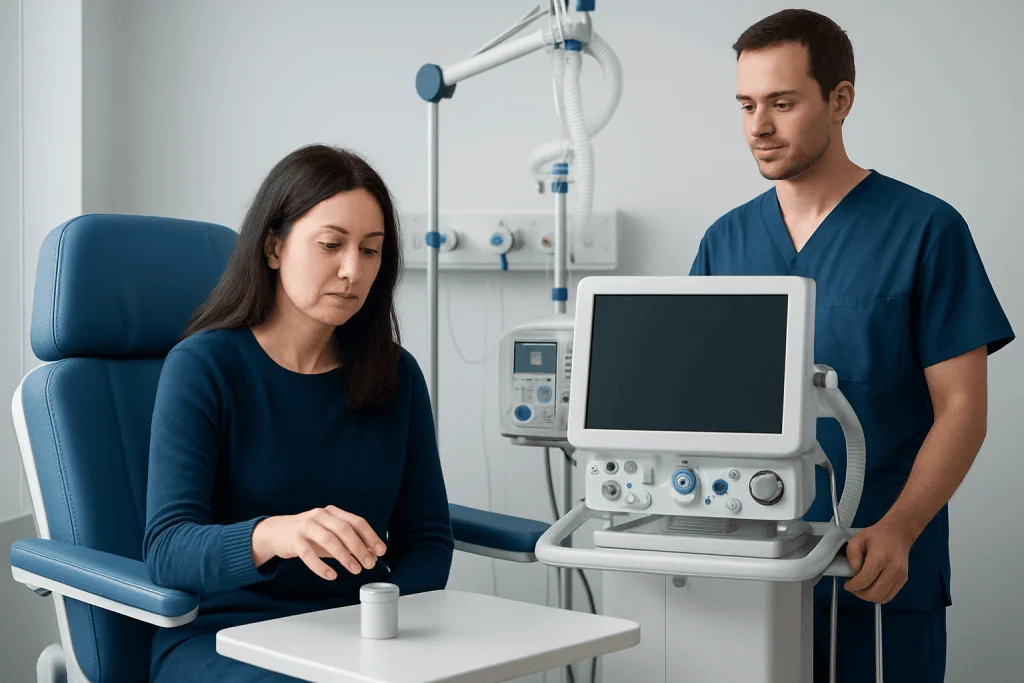
Apraxia does not look the same in every person. Some people have trouble copying gestures or using objects correctly. Others may struggle to sequence actions, such as making tea, getting dressed, or brushing their teeth. A person might hold a tool awkwardly, perform movements in the wrong order, or make repeated attempts before getting the action right.
Speech-related apraxia can sound like inconsistent speech errors. The person knows what they want to say but has difficulty coordinating the mouth, lips, tongue, and jaw to form sounds and words. Speech may become slow, effortful, or interrupted, with visible trial-and-error movements. This can be frustrating, especially when language understanding is otherwise preserved.
Common signs of apraxia may include:
- Difficulty performing learned gestures on command
- Trouble using familiar objects in the correct way
- Errors in the order or timing of movements
- Inconsistent speech sound mistakes or groping mouth movements
- Problems dressing, writing, eating, or completing multistep tasks
- Better performance during spontaneous actions than when specifically asked to do the same action
Symptoms may be mild at first and become more noticeable under stress, fatigue, or time pressure. In adults, a sudden change can be especially important because it may signal an urgent neurological event.
Types of apraxia and related conditions

Doctors often describe apraxia by the kind of movement that is affected. Limb apraxia involves difficulty carrying out purposeful arm or hand movements. Buccofacial or orofacial apraxia affects movements of the lips, tongue, and face, such as blowing, licking the lips, or whistling on command. Apraxia of speech affects planning the movements needed for speaking. Gait apraxia can affect the ability to initiate or coordinate walking.
Another useful distinction is whether apraxia is acquired or developmental. Acquired apraxia happens after the brain has already learned the skill, such as after a stroke or head injury. Developmental forms are recognized in childhood, especially when speech does not develop as expected. A child with suspected speech apraxia needs assessment by experienced specialists because several speech and language disorders can look similar.
Apraxia may overlap with other neurological problems, which can make diagnosis more complex. For example, a person may have apraxia along with aphasia, which affects language, or with movement difficulties from Parkinson's disease or other degenerative conditions. It may also be seen after stroke, when damaged brain tissue disrupts learned motor patterns.
Causes and risk factors
Apraxia is usually linked to dysfunction in parts of the brain responsible for planning skilled movements, especially networks involving the dominant parietal and frontal regions. Damage or degeneration in these areas can disrupt the brain’s internal map for carrying out an action. The exact cause depends on the person’s age, symptoms, and medical history.
In adults, common causes include stroke, traumatic brain injury, brain tumors, dementia, and other neurodegenerative diseases. Infections, inflammation, or reduced blood flow to the brain can also contribute. Some people develop apraxia gradually as part of a broader neurological condition rather than all at once.
In children, developmental apraxia of speech may occur without a single obvious injury. It can be associated with neurodevelopmental differences, genetic factors, or other developmental disorders, although the cause is not always clear. Risk factors for acquired apraxia include older age, vascular disease, head trauma, prior neurological illness, and conditions that affect brain structure or function.
Because apraxia reflects a brain-based process, it should not be mistaken for laziness, anxiety alone, or lack of intelligence. Emotional stress can make symptoms more noticeable, but it is not usually the main cause. Finding the underlying reason helps guide treatment and prognosis.
How doctors diagnose apraxia
Diagnosis begins with a detailed history and neurological examination. The clinician will ask when symptoms started, whether they appeared suddenly or gradually, and which activities are most affected. They may observe the person carrying out simple and complex actions, such as waving goodbye, pretending to use a comb, following spoken commands, or repeating words and phrases.
Because apraxia can resemble weakness, language problems, poor coordination, or memory loss, assessment often involves more than one specialist. A neurologist may look for signs of brain disease or injury. A speech-language pathologist can assess speech apraxia, while occupational and physical therapists evaluate function in daily tasks, hand use, and walking.
Brain imaging may be recommended to search for the cause, especially if symptoms are new or worsening. This may include MRI scanning or CT imaging to identify stroke, bleeding, tumor, structural change, or atrophy. In some cases, cognitive testing or additional laboratory work is needed to clarify whether apraxia is part of a larger neurological condition.
There is no single blood test that confirms apraxia. Instead, diagnosis is based on the pattern of symptoms, examination findings, and evidence about the health of the brain. Early evaluation matters, especially when symptoms begin suddenly.
Treatment and rehabilitation
Treatment for apraxia depends on the cause and the type of skills affected. If apraxia follows a stroke, tumor, or another structural brain problem, treatment may focus first on the underlying condition. For example, emergency care may be needed for acute stroke, while some people require further neurological or neurosurgical evaluation. In selected cases, care may involve brain tumor surgery or other condition-specific treatment.
Rehabilitation is a central part of care. Speech therapy is the main treatment for apraxia of speech and often includes repeated practice of sounds, words, rhythm, pacing, and motor planning strategies. Occupational therapy helps with dressing, tool use, writing, eating, and other practical tasks. Physical therapy may help when walking or whole-body movement is affected.
Therapists may break activities into smaller steps, use visual or tactile cues, and practice real-life routines. For some people, communication aids, written prompts, or environmental adaptations can reduce frustration and support independence. Improvement may be gradual, and progress often depends on the cause, severity, and whether other neurological problems are present.
Near the end of evaluation and treatment planning, multidisciplinary centers can be especially helpful. Acibadem International’s specialists in neurology, rehabilitation, speech and language assessment, and JCI-accredited hospitals diagnose and treat apraxia and related neurological conditions for international patients.
Self-care, family support, and living with apraxia
Although apraxia requires professional assessment, everyday support can make a meaningful difference. People often do better when tasks are performed in a calm environment with fewer distractions. Extra time, one-step instructions, demonstrations, and consistent routines can reduce pressure and help the brain practice motor planning more effectively.
For speech-related apraxia, family members can help by listening patiently, avoiding frequent interruptions, and allowing the person to finish their attempt. Gestures, writing, pictures, or communication devices may support conversation. It is usually more helpful to encourage than to repeatedly correct every mistake, especially when the person is fatigued.
Self-care does not mean trying to push through severe symptoms alone. Instead, it means using practical strategies while continuing therapy and follow-up. Helpful approaches may include:
- Practicing therapist-recommended exercises regularly
- Breaking complex activities into smaller, repeatable steps
- Using labels, checklists, or visual reminders
- Scheduling difficult tasks when energy and concentration are best
- Seeking caregiver education and emotional support when needed
If apraxia is part of a progressive condition, goals may shift from restoring a skill to maintaining safety, comfort, and independence for as long as possible. Regular reassessment helps keep treatment realistic and useful.
When to seek medical care
Medical care is important whenever a person develops unexplained difficulty performing learned movements or speaking clearly. A prompt evaluation is especially important if the change is sudden, because apraxia can be a sign of a stroke or another urgent brain problem. Sudden symptoms should never be dismissed as stress or simple confusion without assessment.
Seek urgent medical attention right away if apraxia appears with facial drooping, arm weakness, severe headache, sudden confusion, loss of balance, vision changes, or new trouble understanding speech. These combinations can point to a neurological emergency. Fast treatment may protect brain function and improve recovery.
Non-urgent but timely evaluation is also wise when symptoms are gradual, persistent, or affecting school, work, communication, or daily independence. Children with delayed or effortful speech should be assessed by qualified professionals rather than waiting to see if the problem fully resolves on its own. Early diagnosis often makes rehabilitation more effective and helps families understand what support is needed.
Frequently asked questions
Is apraxia a muscle problem?
No. Apraxia is mainly a problem with motor planning in the brain, not a primary problem of muscle strength. A person may have normal strength yet still struggle to perform a learned action correctly.
Is apraxia the same as aphasia?
No, although the two can occur together. Aphasia affects language understanding or expression, while apraxia affects planning the movements needed for purposeful actions or speech.
Can apraxia happen after a stroke?
Yes. Stroke is one of the best-known causes of acquired apraxia in adults because it can damage the brain networks that organize learned movements. Sudden onset after a stroke often needs rehabilitation from several specialists.
Can children have apraxia?
Yes. Childhood apraxia of speech is a recognized motor speech disorder in which children have difficulty planning the movements for speech sounds. It should be assessed by an experienced speech-language professional because it can resemble other speech delays.
Does apraxia go away?
Recovery varies. Some people improve significantly with therapy, especially when the cause is treatable and rehabilitation starts early, while others may have lasting symptoms. The outlook depends on the cause, severity, age, and whether other neurological conditions are present.
What kind of doctor treats apraxia?
A neurologist often leads the medical evaluation, especially when symptoms are new or linked to brain disease. Treatment commonly also involves a speech-language pathologist, occupational therapist, physical therapist, and sometimes rehabilitation or neurosurgery specialists.
References
- National Institute of Neurological Disorders and Stroke
- American Speech-Language-Hearing Association
- National Institute on Deafness and Other Communication Disorders
- Mayo Clinic
- World Health Organization
This article is for general information only and is not a substitute for professional medical advice. Please consult a qualified doctor about your individual situation.
Explore treatments in Turkey — costs, top hospitals & a free quote
JCI-accredited · board-certified surgeons · reply within 24h
Add us as a Preferred Source to see more of our trusted health content across Google Search, AI Overviews and Discover.