

Yellow Colour of Teeth: A Complete Medical Overview
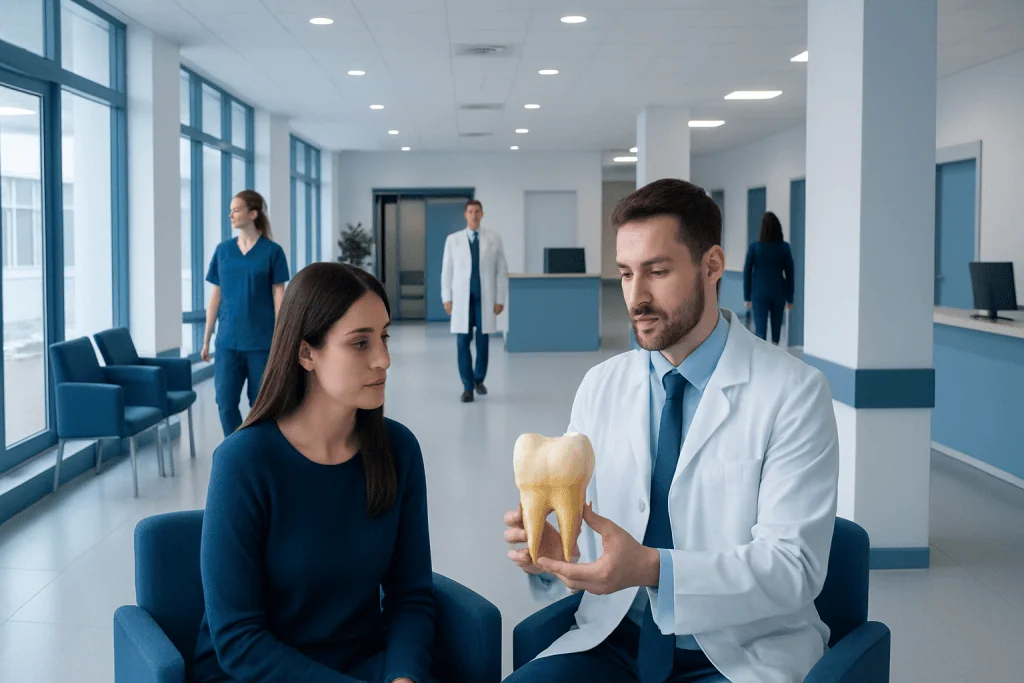
Yellow teeth are not always a sign of poor hygiene; aging, enamel thinning, diet, smoking, and medicines can all play a role. Some discoloration is external staining, while some comes from deeper changes within the tooth.
Key Takeaways
- Yellow teeth are not always a sign of poor hygiene; aging, enamel thinning, diet, smoking, and medicines can all play a role.
- Some discoloration is external staining, while some comes from deeper changes within the tooth.
- Professional dental assessment helps determine whether cleaning, whitening, restorations, or treatment of an underlying problem is most appropriate.
- Daily brushing with fluoride toothpaste, cleaning between teeth, and limiting staining habits can help prevent further yellowing.
- Sudden color change, pain, swelling, or discoloration of a single tooth should be checked by a dentist promptly.
Yellow colour of teeth is common and is often linked to surface stains, natural aging, thinning enamel, or oral health issues. In many cases, a dentist can identify the cause and recommend safe ways to improve tooth color while protecting overall dental health.
Overview: What the Yellow Colour of Teeth Means
The yellow colour of teeth usually means that the outer tooth surface has picked up stains, the enamel has become thinner, or the natural inner tooth layer is showing through more clearly. Teeth are not naturally paper-white in every person, so some degree of cream or yellow tone can be completely normal.
Tooth color is influenced by both lifestyle and biology. Drinks such as coffee, tea, and red wine can darken the surface over time, while smoking and chewing tobacco can cause more noticeable staining. At the same time, aging gradually changes the structure of teeth, often making them look less bright even when oral hygiene is good.
Not all yellowing is the same. Some discoloration sits on the outside of the tooth and may respond well to professional cleaning or whitening. Other changes are related to enamel wear, past dental trauma, medicines, or changes within the tooth itself, and these may need a different dental approach.
How Teeth Become Yellow
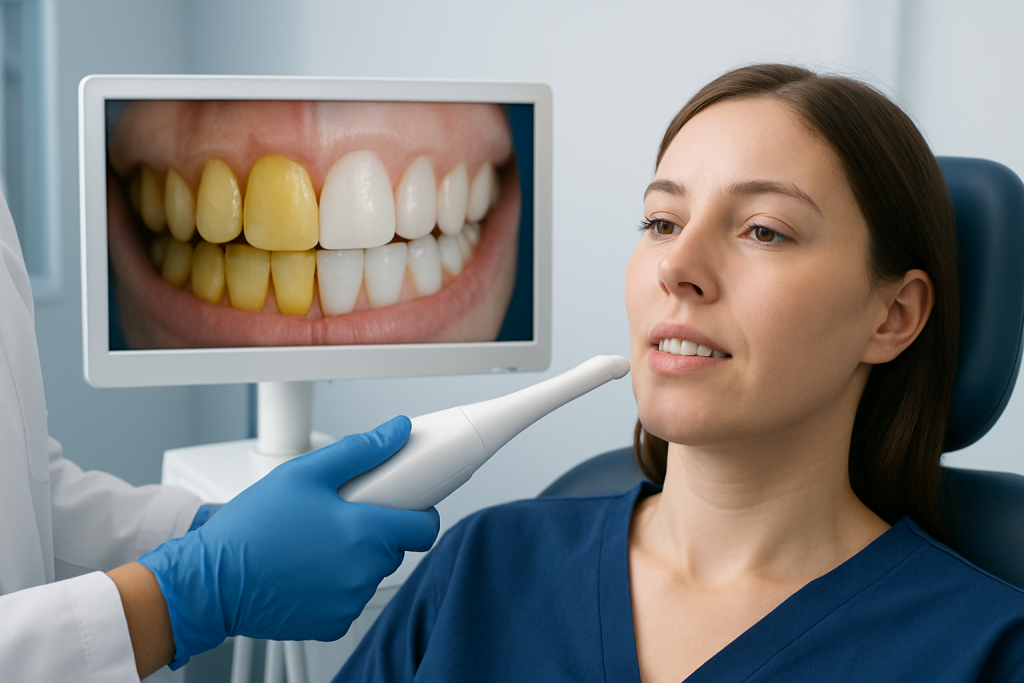
Teeth have several layers. The outermost layer, called enamel, is naturally translucent and protects the tooth. Beneath it is dentin, which has a more yellow color. When enamel becomes thinner with age, acid exposure, grinding, or wear, the underlying dentin can show through more strongly.
Yellowing can also come from substances attaching to the enamel surface. This type of discoloration is often called extrinsic staining. Foods and beverages with strong pigments, tobacco products, and plaque buildup are frequent causes. These stains may be more visible around the gumline or in areas that are harder to clean thoroughly.
In other situations, the color change comes from inside the tooth. This is called intrinsic discoloration. It may develop after a tooth injury, some childhood exposures, certain medications, or changes in the tooth pulp. Because the source is deeper, ordinary brushing does not remove it.
Understanding the difference between surface staining and internal discoloration is important. It helps a dentist choose the safest and most effective option, whether that is a hygiene-focused plan, restorative dental treatment, or a cosmetic procedure designed to improve color.
Common Causes and Risk Factors
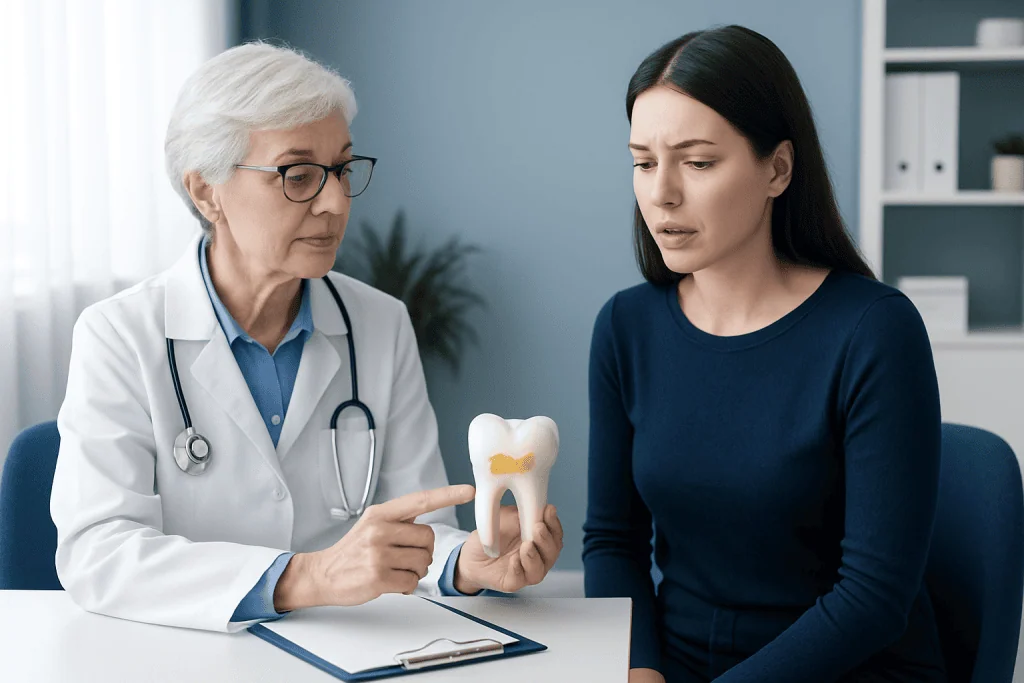
Several everyday factors can contribute to the yellow colour of teeth. The most common are aging, frequent use of staining foods and drinks, smoking, and inconsistent oral hygiene. Plaque and tartar allow pigments to accumulate more easily, making the teeth appear darker or duller.
Diet matters as well. Coffee, tea, cola, red wine, curry, soy sauce, and deeply colored berries can all stain teeth over time. Acidic drinks may also soften enamel temporarily and contribute to gradual thinning, which can make the teeth look more yellow.
Other risk factors are less obvious. Dry mouth can increase the risk of plaque buildup because saliva normally helps wash away food particles and acids. Teeth grinding, acid reflux, and frequent vomiting can wear enamel and alter color. Some medications and excessive fluoride exposure during tooth development can also change the natural shade of teeth.
Sometimes yellowing is associated with dental disease rather than simple staining. Tooth decay, an old filling, or a damaged tooth may cause one tooth to look darker or more yellow than the others. In such cases, a dentist may evaluate for problems such as tooth decay or gum-related conditions before discussing cosmetic options.
Symptoms That May Accompany Tooth Discoloration
Yellow teeth may occur on their own, but some people notice additional symptoms. These can include roughness on the tooth surface, visible tartar near the gums, bad breath, tooth sensitivity, or bleeding gums during brushing. Such signs can suggest plaque buildup, enamel wear, or gum inflammation rather than color change alone.
The pattern of discoloration can also give useful clues. Generalized yellowing across many teeth often points to aging, diet, or smoking. In contrast, one tooth becoming darker than the rest may raise concern for previous trauma, nerve damage, or internal changes inside that tooth.
Color changes may range from pale yellow to brownish yellow. White spots, gray tones, or patchy discoloration can suggest other causes and may need a closer dental examination. A dentist will also look for cracks, cavities, worn biting edges, and signs of clenching or grinding.
If discoloration is paired with pain, swelling, pus, loose teeth, or a broken restoration, the issue may need prompt treatment rather than cosmetic whitening. In these situations, managing the underlying dental problem is the priority.
How Dentists Diagnose the Cause
Diagnosis begins with a dental history and visual examination. The dentist will ask when the yellowing started, whether it affects one tooth or many, and whether there is sensitivity, pain, or a history of injury. Habits such as smoking, coffee or tea intake, and home whitening use are also relevant.
During the exam, the dentist checks the enamel surface, gum health, plaque and tartar levels, and the shade pattern of the teeth. This helps distinguish surface staining from deeper intrinsic discoloration. The dentist also looks for signs of decay, erosion, grinding, and old restorations that may affect appearance.
Dental X-rays may be recommended when a single tooth has changed color, when there is pain, or when hidden decay is suspected. Imaging can show internal tooth problems, bone changes, or damage beneath a filling or crown. If needed, the dentist may also assess for related conditions such as gum disease that can affect both appearance and oral health.
This step matters because not every yellow tooth should be whitened. Some forms of discoloration respond better to scaling and polishing, filling replacement, root canal treatment, or protective restorations. A proper diagnosis helps avoid ineffective or overly harsh treatments.
Treatment Options for Yellow Teeth
Treatment depends on the cause. If the yellow colour of teeth is mainly due to plaque, tartar, or external stains, a professional dental cleaning is often the first step. Scaling and polishing can remove surface deposits and may noticeably brighten the smile without changing the natural internal tooth color.
Whitening treatments may be suitable when the teeth and gums are healthy and the discoloration is mainly extrinsic or age-related. Dentists may recommend professionally supervised whitening because it is tailored to the person’s oral health and is generally safer than unsupervised overuse of whitening products. Whitening toothpaste can help with mild surface stains, but it does not change deeper intrinsic color.
When discoloration comes from internal changes, trauma, enamel defects, or older dental work, whitening may have limited benefit. In these cases, alternatives such as bonding, crowns, or laminate veneer treatment may be discussed to improve appearance while preserving function. If a tooth is discolored because its nerve has been affected, treatment of the tooth itself may be needed first.
People should avoid abrasive scrubbing, frequent use of unproven home remedies, or repeated bleaching without professional advice. These methods can irritate the gums, increase sensitivity, and wear enamel. A dentist can help choose the least invasive option that matches the cause of the discoloration and the condition of the teeth.
Prevention and Self-care
Good daily oral hygiene is the best foundation for preventing further yellowing. Brushing twice a day with fluoride toothpaste and cleaning between the teeth with floss or interdental brushes helps reduce plaque and surface staining. Regular dental checkups and professional cleanings are also important, because tartar cannot be removed by brushing alone.
Lifestyle habits can make a meaningful difference. Limiting frequent exposure to coffee, tea, cola, red wine, and tobacco may help preserve tooth brightness. When drinking staining beverages, using water afterward can help rinse the mouth. For some people, using a straw for cold drinks may reduce direct contact with the front teeth.
Protecting enamel is another key step. Managing teeth grinding, reducing frequent acidic snacks and drinks, and seeking care for acid reflux can help slow enamel wear. A softer toothbrush and gentle brushing technique are usually better than aggressive scrubbing, which can gradually damage enamel and gum tissue.
If a person is interested in whitening, it is safest to begin with a dental evaluation. This helps confirm that the yellow color is not due to untreated decay, gum disease, or a damaged tooth. Near the end of care planning, patients may also ask about comprehensive dental services; Acibadem International’s multidisciplinary specialists in JCI-accredited hospitals diagnose and treat dental conditions for international patients.
When to Seek Medical Care
A routine dental appointment is appropriate when tooth yellowing is gradual, painless, and mainly a cosmetic concern. A dentist can assess whether the change is normal aging, surface staining, enamel wear, or a sign of another oral health issue.
Earlier evaluation is important if one tooth changes color suddenly, especially after an injury. Prompt care is also recommended when yellowing is accompanied by pain, sensitivity to hot or cold, gum swelling, bleeding, bad breath that does not improve, or visible holes in the teeth. These signs may point to infection, decay, or damage that needs treatment.
Medical or dental advice should also be sought before using strong whitening products if a person has fillings, crowns, gum disease, significant sensitivity, or worn enamel. A professional assessment can help prevent complications and ensure that treatment is appropriate for the underlying cause.
Frequently asked questions
Is the yellow colour of teeth always a sign of poor brushing?
No. Yellow teeth can develop even in people with good oral hygiene because aging, enamel thinning, genetics, diet, and smoking all affect tooth color. Poor brushing can contribute by allowing plaque and tartar to build up, but it is only one possible factor.
Can yellow teeth become white again?
Sometimes they can become noticeably lighter, but the result depends on the cause. Surface stains may improve with professional cleaning or whitening, while deeper discoloration may need other dental treatments such as bonding, crowns, or veneers. A dentist can explain what is realistic for each case.
Are home remedies for yellow teeth safe?
Not all home remedies are safe or effective. Abrasive substances and acidic mixtures can damage enamel and irritate the gums, which may worsen sensitivity and appearance over time. It is safer to ask a dentist before trying whitening methods at home.
Why is only one tooth turning yellow?
A single yellow or darkening tooth can be caused by trauma, decay, an old restoration, or changes inside the tooth. This pattern is different from general staining and should be checked by a dentist. Early evaluation helps identify whether the tooth is still healthy or needs treatment.
Does whitening work on crowns, fillings, or veneers?
Whitening products mainly work on natural tooth structure and usually do not change the color of crowns, fillings, or veneers. If these restorations no longer match the surrounding teeth, a dentist may discuss replacement or other cosmetic options. This is one reason a professional evaluation is helpful before whitening.
Can yellow teeth mean a health problem?
They can, but often they reflect staining or normal age-related changes rather than a serious health issue. Still, yellowing with pain, swelling, sensitivity, or bad breath may suggest decay, gum disease, or tooth damage. Those symptoms should be assessed by a dental professional.
References
- American Dental Association
- National Institute of Dental and Craniofacial Research
- Mayo Clinic
- NHS
- World Health Organization
This article is for general information only and is not a substitute for professional medical advice. Please consult a qualified doctor about your individual situation.
Explore treatments in Turkey — costs, top hospitals & a free quote
JCI-accredited · board-certified surgeons · reply within 24h
Add us as a Preferred Source to see more of our trusted health content across Google Search, AI Overviews and Discover.

More from the Health Library

HDL Low: An Evidence-Based Guide for Patients

Lissencephaly — Explained by Medical Evidence, Not Myths

Agoraphobia: What Patients Need to Know

Manic Episode: What Patients Need to Know

Hypergamy — Explained by Medical Evidence, Not Myths

Paracentesis: What Patients Need to Know
Related Specialists

Dr. Melekşah Pekel
Anesthesiology
Assoc. Prof. Dr. Pınar Kahraman Koytak
Neurology
Fzt. Hanife Durak
Physical Medicine & Rehabilitation
Prof. Dr. Mehmet Özkan
Cardiovascular Surgery