Pons Brain: What Patients Need to Know
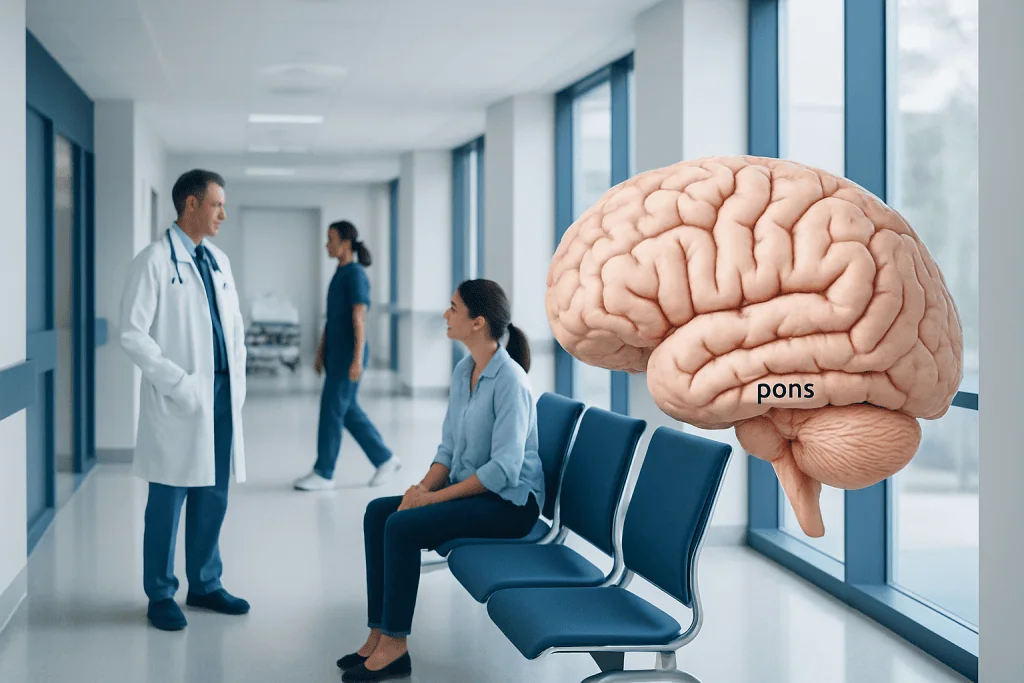
The pons is part of the brainstem and acts as an important communication pathway between the brain and body. It helps regulate breathing, sleep, balance, hearing, facial movement, sensation, and eye movements.
Key Takeaways
- The pons is part of the brainstem and acts as an important communication pathway between the brain and body.
- It helps regulate breathing, sleep, balance, hearing, facial movement, sensation, and eye movements.
- Symptoms of pons problems may include dizziness, double vision, facial weakness, trouble swallowing, numbness, or limb weakness.
- Common causes of pons dysfunction include stroke, multiple sclerosis, infections, trauma, and tumors.
- Diagnosis often involves a neurological exam and brain imaging such as MRI or CT, sometimes along with blood tests or other studies.
- Sudden symptoms such as weakness, speech changes, or breathing trouble need urgent medical care.
The pons brain is a central part of the brainstem that helps connect the brain with the body and supports vital functions such as breathing, sleep, eye movement, balance, and facial sensation and movement. When the pons is affected by stroke, inflammation, injury, or a growth, symptoms can range from dizziness and double vision to weakness, numbness, and problems with swallowing or breathing.
Overview: what the pons brain does
The pons brain refers to the pons, a rounded structure in the brainstem located between the midbrain and the medulla. Although it is relatively small, it has a major role in everyday body function. It serves as a relay station, carrying signals between the cerebrum, cerebellum, and spinal cord while also helping manage automatic processes that people do not have to consciously control.
The pons contributes to breathing rhythm, sleep-wake regulation, balance, hearing pathways, facial sensation, facial expression, and eye movements. Several important cranial nerves arise from or connect through this area, which is why disorders affecting the pons can cause a wide range of symptoms involving the face, eyes, swallowing, and movement.
Understanding the pons is useful for patients because symptoms from this area can seem unrelated at first. For example, dizziness, facial numbness, slurred speech, and coordination problems may all come from one location in the brainstem. The pattern of symptoms often helps doctors identify whether the pons may be involved.
Where the pons is located and why it matters
The pons sits deep inside the lower part of the brain, in front of the cerebellum and above the medulla. It forms the middle section of the brainstem. Because the brainstem contains pathways for movement, sensation, and automatic body functions, even a small problem in this region can have noticeable effects.
The pons contains nerve fibers that link the cerebral cortex to the cerebellum, which helps coordinate movement and posture. It also contains nuclei involved in facial movement, blinking, chewing, hearing, and balance. This explains why pons disorders may lead to combinations of symptoms that involve both body strength and head or facial functions.
In practical terms, the pons matters because it helps integrate signals that support safe swallowing, steady walking, normal breathing, and coordinated eye movements. These are functions most people rarely think about until they become difficult. When doctors evaluate possible brainstem disease, the pons is one of the key areas they consider.
Symptoms of a pons problem

Symptoms depend on which part of the pons is affected and how large the problem is. Some symptoms start suddenly, such as with a stroke, while others develop gradually, as may happen with inflammation or a tumor. Mild problems may cause only subtle balance or eye movement changes, while more serious disorders can interfere with swallowing or breathing.
Common symptoms that may point to pons involvement include:
- Dizziness or vertigo
- Double vision or abnormal eye movements
- Facial weakness or drooping
- Facial numbness or altered sensation
- Hearing changes
- Poor balance or unsteady walking
- Weakness or numbness in the arms or legs
- Slurred speech
- Trouble swallowing
- Sleep-related breathing changes or reduced alertness
Because the pons contains many crossing nerve pathways, symptoms may affect the face on one side and the body on the other. This pattern can be an important clue during a neurological exam. Sudden onset of these symptoms should never be ignored, especially if they occur with severe headache, confusion, or difficulty breathing.
Some pons conditions can overlap with stroke or other neurological disorders. For patients, the main point is that symptoms involving the eyes, face, balance, speech, and limb strength together deserve medical evaluation rather than home monitoring alone.
Causes and risk factors
A number of conditions can affect the pons. One of the most important is stroke, which can happen when blood flow to the brainstem is blocked or, less commonly, when there is bleeding. Because the pons helps control vital functions, a brainstem stroke can be especially serious and needs urgent treatment.
Other causes include multiple sclerosis, infections, inflammation, trauma, and tumors. Rare metabolic conditions and toxin exposure can also affect the pons. In some people, symptoms arise from pressure on nearby structures rather than disease beginning in the pons itself. Conditions involving the brainstem may also be evaluated together with broader problems of the brain tumor or nervous system.
Risk factors depend on the cause. For stroke, common risks include high blood pressure, diabetes, smoking, high cholesterol, irregular heart rhythm, and vascular disease. For inflammatory and demyelinating conditions, family history and immune-related factors may play a role. Head injury increases the risk of structural damage to the brainstem area.
Not every symptom related to balance, facial numbness, or double vision comes from the pons. Inner ear disorders, migraine, medication effects, and peripheral nerve problems can produce overlapping symptoms. This is why medical assessment is important when symptoms are persistent, unusual, or sudden.
How doctors diagnose pons disorders
Diagnosis starts with a careful history and neurological examination. Doctors ask when symptoms began, whether they came on suddenly or gradually, and whether there are related issues such as headache, infection, weakness, or recent trauma. The exam may assess eye movements, facial strength, speech, swallowing, balance, reflexes, and sensation.
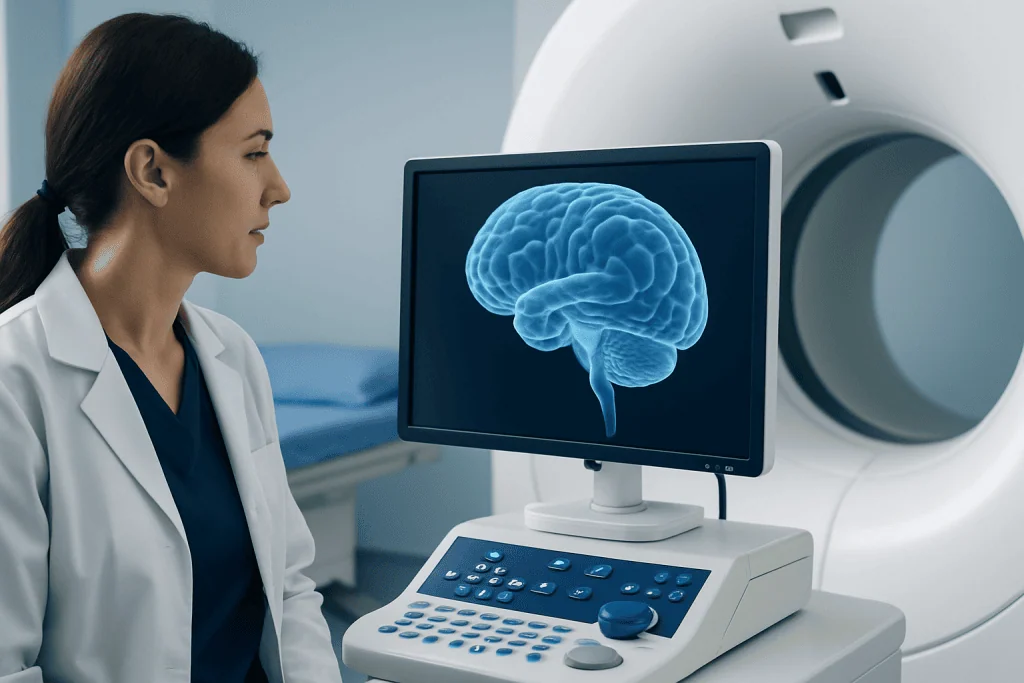
Imaging is often essential. A CT scan may be used quickly in emergencies, especially when stroke or bleeding is suspected, while MRI usually provides more detailed information about the brainstem and pons. In some situations, contrast-enhanced imaging helps identify inflammation, demyelination, infection, or a mass.
Additional tests depend on the suspected cause. These may include blood tests, heart monitoring, vascular imaging, hearing or balance tests, and sometimes a lumbar puncture. If swallowing or speech is affected, specialists may arrange formal assessments to reduce the risk of complications.
Patients with complex symptoms may benefit from coordinated care across neurology, radiology, rehabilitation, and, when needed, neurosurgery teams. Accurate diagnosis is important because treatment differs greatly between stroke, infection, autoimmune disease, and tumors.
Treatment options and recovery
Treatment for a pons disorder depends on the cause, the severity of symptoms, and how quickly care begins. If stroke is suspected, emergency evaluation is critical because some treatments are time-sensitive. For infections, treatment may include targeted medicines. For inflammatory or immune-related conditions such as multiple sclerosis, doctors may use therapies that reduce inflammation or modify immune activity.
If a tumor, structural lesion, or pressure effect is identified, treatment may involve monitoring, medication, radiation therapy, or surgery, depending on the diagnosis and location. Some patients may need brain tumor surgery or other specialized procedures if a growth is causing symptoms in or near the pons. Decisions are individualized because the brainstem is a delicate area.
Recovery often includes supportive care and rehabilitation. Depending on symptoms, this may involve physical therapy for walking and balance, occupational therapy for daily activities, and speech and swallowing therapy. Patients with facial weakness, double vision, or dizziness may also benefit from targeted rehabilitation strategies.
The pace of recovery varies. Some causes, such as temporary inflammation, may improve substantially, while stroke or structural injury may leave longer-lasting effects. Follow-up care helps track healing, manage complications, and adjust treatment plans. Near the end of the care pathway, patients may be supported by multidisciplinary teams; Acibadem International’s JCI-accredited hospitals provide diagnosis and treatment for international patients with complex neurological conditions.
Prevention and self-care
Prevention focuses mainly on reducing risk factors for conditions that can affect the pons, especially stroke. Managing blood pressure, blood sugar, and cholesterol can lower vascular risk. Avoiding smoking, staying physically active, maintaining a balanced diet, and attending regular medical checkups are also important steps.
For people with known neurological conditions, self-care includes taking medicines as prescribed, keeping follow-up appointments, and reporting any new symptoms early. If swallowing, walking, or vision has changed, practical safety measures may help reduce falls and choking risk while further evaluation is arranged.
Supportive self-care after a pons-related illness may include rest, hydration, gradual return to activity, and structured rehabilitation exercises recommended by professionals. It is best not to drive, operate machinery, or make major activity changes if dizziness, double vision, or sudden weakness is present until a doctor has assessed the cause.
When pons symptoms are related to circulation problems, treatment may overlap with stroke rehabilitation or longer-term neurological follow-up. Patients should use general health information as guidance, but personalized care decisions should always be made with a qualified clinician.
When to seek medical care
Immediate medical care is needed if symptoms begin suddenly. Warning signs include new facial drooping, arm or leg weakness, numbness, slurred speech, double vision, severe dizziness, trouble swallowing, confusion, or difficulty breathing. These can be signs of a stroke or another urgent brainstem problem.
Medical review is also important for symptoms that are milder but persistent, such as recurring imbalance, unexplained facial numbness, hearing changes, or repeated episodes of blurred or double vision. Gradual symptoms should not be dismissed simply because they are not painful.
Patients should seek prompt care after head injury if they develop neurological symptoms, and people with known conditions such as multiple sclerosis or a prior brain tumor should contact their doctor if there is a clear change from their usual baseline. Early diagnosis can improve treatment planning and help prevent complications.
Frequently asked questions
What is the pons in the brain?
The pons is a part of the brainstem located between the midbrain and the medulla. It helps relay signals between different parts of the brain and supports functions such as breathing, sleep, balance, facial movement, and eye movement.
Can a problem in the pons cause dizziness?
Yes. The pons works closely with pathways involved in balance and eye movement, so disorders in this area can cause dizziness, vertigo, and unsteady walking. These symptoms can also come from inner ear conditions, which is why medical evaluation is helpful.
Is the pons responsible for breathing?
The pons helps regulate breathing rhythm together with other parts of the brainstem. It does not work alone, but it plays an important role in smoothing and coordinating breathing patterns.
What symptoms suggest pons brain damage?
Possible symptoms include double vision, facial weakness, facial numbness, poor balance, slurred speech, swallowing trouble, and weakness or numbness in the limbs. Symptoms vary depending on the exact area involved and whether the problem starts suddenly or gradually.
How is a pons disorder diagnosed?
Doctors usually begin with a neurological examination and a review of symptoms and timing. Brain imaging, especially MRI, is often used to look closely at the pons, and additional tests may be ordered depending on the suspected cause.
Can people recover from a pons injury or illness?
Many people can improve, but recovery depends on the cause and severity of the condition. Rehabilitation may help with walking, balance, speech, swallowing, and daily activities, and ongoing follow-up is often important.
This article is for general information only and is not a substitute for professional medical advice. Please consult a qualified doctor about your individual situation.
Explore treatments in Turkey — costs, top hospitals & a free quote
JCI-accredited · board-certified surgeons · reply within 24h
Add us as a Preferred Source to see more of our trusted health content across Google Search, AI Overviews and Discover.

More from the Health Library

MCV: A Complete Medical Overview
After eating dizzy: A Complete Medical Guide for Patients

Facial Warts: What Patients Need to Know
Quinoa Gi Rating: A Complete Medical Overview

Cheese — Explained by Medical Evidence, Not Myths