Common Iliac Artery: An Evidence-Based Guide for Patients

The common iliac artery is part of the main route carrying blood from the aorta to the pelvis and lower limbs. Common problems include narrowing from atherosclerosis, blockage, aneurysm, and less commonly injury or compression.
Key Takeaways
- The common iliac artery is part of the main route carrying blood from the aorta to the pelvis and lower limbs.
- Common problems include narrowing from atherosclerosis, blockage, aneurysm, and less commonly injury or compression.
- Symptoms may include leg pain when walking, cool feet, reduced pulses, pelvic discomfort, or no symptoms at all.
- Diagnosis often involves physical examination and imaging such as Doppler ultrasound, CT angiography, or MR angiography.
- Treatment depends on the cause and can range from lifestyle changes and medicines to endovascular procedures or surgery.
- Urgent medical care is important for sudden severe leg pain, coldness, weakness, or signs of internal bleeding.
The common iliac artery is a large blood vessel that carries oxygen-rich blood from the abdominal aorta into the pelvis and legs. Most people never notice it unless a condition such as narrowing, blockage, or aneurysm develops, causing symptoms that need medical attention.
Overview: what the common iliac artery does
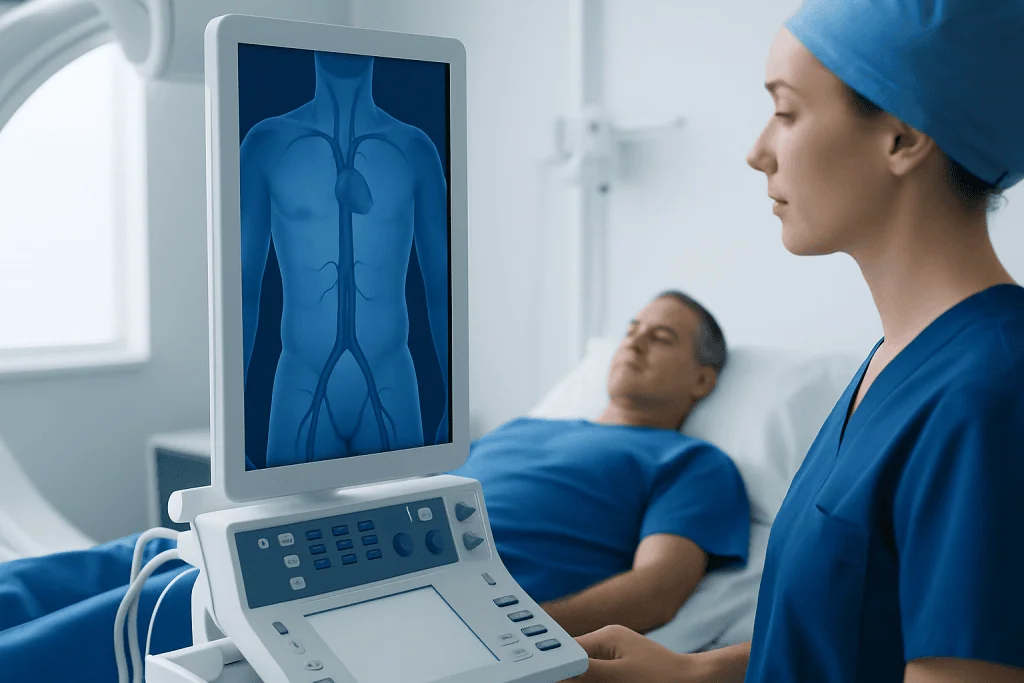
The common iliac artery is a paired blood vessel that begins where the abdominal aorta divides in the lower abdomen. There is a right common iliac artery and a left common iliac artery. Each one travels toward the pelvis and then divides into the internal iliac artery, which helps supply the pelvis, and the external iliac artery, which continues toward the leg.
In simple terms, the common iliac artery is an important crossroads in the body’s circulation. It helps deliver oxygen-rich blood to structures in the pelvis and to the lower limbs. Because it is a major artery, any problem affecting it can reduce blood flow downstream and may lead to symptoms in the hips, buttocks, thighs, or legs.
Many people search for “common iliac artery” because they have seen the term on a scan report or have been told there is narrowing, plaque, or an aneurysm. The artery itself is normal anatomy; concern arises when disease affects it. The most common issues are atherosclerotic narrowing or blockage, and less commonly an aneurysm, which means an abnormal widening of the artery.
Common conditions that affect the common iliac artery
The most frequent disorder involving the common iliac artery is atherosclerotic disease. In this condition, fatty deposits and inflammation build up in the artery wall, making the vessel narrower and less flexible. This can limit blood flow, especially during activity when the leg muscles need more oxygen.
Another important condition is an iliac artery aneurysm. An aneurysm is a bulging or enlarged section of an artery caused by weakening of the vessel wall. Some iliac aneurysms are found by chance on imaging done for another reason, while others may be linked with aneurysms in nearby vessels, including the aorta. Related vascular conditions may overlap with abdominal aortic aneurysm in some patients.
Less common problems include blood clots, traumatic injury, dissection, and external compression. In some cases, symptoms that seem to come from the common iliac artery may actually involve nearby vessels or broader peripheral artery disease affecting blood flow to the legs. A vascular specialist can help distinguish among these possibilities.
- Narrowing or blockage from atherosclerosis
- Aneurysm of the common iliac artery
- Acute clot or embolism
- Vessel injury after trauma or a medical procedure
- Rare compression or anatomical abnormalities
Symptoms and possible warning signs

Symptoms depend on the type of problem and how much blood flow is affected. A narrowed or blocked common iliac artery may cause pain, cramping, tiredness, or heaviness in the buttock, hip, thigh, or calf during walking. This is often called claudication. Symptoms usually improve with rest because the muscles need less oxygen once activity stops.
Reduced blood flow can also lead to a cool foot, pale skin, slower wound healing, numbness, or weaker pulses in the groin or legs. Some people notice reduced walking distance or discomfort when climbing stairs. In men, severe pelvic arterial disease may sometimes contribute to erectile dysfunction.
An aneurysm may not cause any symptoms at first. When symptoms do occur, they can include lower abdominal, back, groin, or pelvic discomfort. A large aneurysm may press on nearby structures. Sudden severe pain, faintness, or symptoms of shock are emergency warning signs because they can suggest rupture or another acute vascular event.
Not every leg symptom comes from the common iliac artery. Nerve compression, spinal problems, arthritis, and muscle conditions can cause similar discomfort. That is why proper assessment is important before assuming a vascular cause.
Causes and risk factors
The main cause of common iliac artery narrowing is atherosclerosis. This process develops over time and is influenced by many factors, including smoking, diabetes, high blood pressure, high cholesterol, older age, and a family history of vascular disease. These same factors also increase the risk of disease in the heart, brain, and other arteries.
Aneurysms of the common iliac artery are often associated with age-related changes in the artery wall and with smoking. They may also occur alongside aneurysms in other arteries. Connective tissue disorders and inflammatory conditions are much less common causes, but they may be considered in selected patients, especially if vascular disease appears at a younger age or in an unusual pattern.
Blood clots may develop on top of narrowed arteries or may travel from another part of the body. Injury to the vessel can occur after blunt trauma, penetrating trauma, or certain catheter-based procedures. In athletes, repeated hip flexion and high-intensity training can rarely contribute to iliac artery problems, though this is much less common than atherosclerosis.
How doctors diagnose common iliac artery problems
Diagnosis usually starts with a medical history and physical examination. The doctor asks about walking-related pain, rest pain, skin changes, smoking history, and cardiovascular risk factors. The examination may include checking pulses in the groin, knees, ankles, and feet, listening for a bruit over the arteries, and comparing skin temperature and color in both legs.
Noninvasive tests often come next. An ankle-brachial index compares blood pressure at the ankle and the arm to look for reduced leg blood flow. Doppler ultrasound can help assess blood flow patterns and identify narrowing in many arteries, although the depth and location of the common iliac artery can sometimes make detailed ultrasound evaluation more challenging.
Cross-sectional imaging is often used when a more precise map of the arteries is needed. CT angiography and MR angiography can show the location and severity of narrowing, blockage, or aneurysm. In some cases, catheter angiography is performed, especially when a minimally invasive treatment such as angiography with possible intervention is being planned.
The goal of diagnosis is not only to confirm whether the common iliac artery is involved, but also to understand the full pattern of vascular disease. This helps guide the safest and most effective treatment plan.
Treatment options
Treatment depends on the cause, the severity of symptoms, the risk of complications, and the person’s overall health. Mild atherosclerotic disease may be managed with lifestyle changes and medicines to reduce cardiovascular risk. These may include smoking cessation, exercise guidance, blood pressure control, cholesterol-lowering therapy, and treatment for diabetes. Antiplatelet medication may also be recommended by a doctor in appropriate cases.
When blood flow is significantly reduced or symptoms limit daily life, a minimally invasive approach is often considered. Endovascular treatment may include balloon angioplasty to widen the narrowed artery and placement of a stent to help keep it open. These procedures are commonly used for iliac artery disease because the anatomy is often suitable for catheter-based treatment.
If there is an aneurysm, management depends on its size, growth, anatomy, and symptoms. Some small aneurysms may be monitored with periodic imaging, while larger or symptomatic aneurysms may need repair. Repair can sometimes be done with endovascular aneurysm repair or with open surgery, depending on the individual situation.
Open surgical procedures may also be used for complex blockages, extensive disease, or when endovascular treatment is not suitable. In urgent situations such as acute limb ischemia, treatment may need to happen quickly to restore blood flow and protect the leg. Near the end of the care pathway, patients who need specialist evaluation may be treated by multidisciplinary vascular teams; Acibadem International’s JCI-accredited hospitals provide diagnosis and treatment for international patients.
Prevention and self-care
Although not every common iliac artery problem can be prevented, many vascular risks can be reduced. The most important step for many people is to stop smoking, since tobacco strongly increases the risk of artery narrowing and aneurysm formation. Blood pressure, cholesterol, and blood sugar should also be managed carefully in partnership with a healthcare professional.
Regular physical activity supports circulation and heart health. For people with claudication, supervised or structured walking programs are often helpful because they can improve walking distance over time. A heart-healthy eating pattern, maintaining a healthy weight, and taking prescribed medicines consistently also play an important role.
Self-care does not replace medical follow-up. Anyone with known iliac artery disease or aneurysm should attend scheduled appointments and imaging checks. New symptoms such as worsening leg pain, foot color changes, or unexplained abdominal or back pain should be reported promptly.
When to seek medical care
Medical assessment is appropriate if there is new leg pain with walking, reduced exercise tolerance, cold feet, numbness, nonhealing sores, or a noticeable difference in pulses or skin color between the legs. These symptoms do not always mean a common iliac artery problem, but they should be evaluated, especially in people with smoking history, diabetes, high blood pressure, or high cholesterol.
Urgent care is needed for sudden severe leg pain, a leg that becomes cold or pale, sudden weakness or loss of sensation, or severe abdominal, back, or groin pain with dizziness or fainting. These symptoms may suggest an acute blockage, severe ischemia, or rupture of an aneurysm and should be treated as emergencies.
If a scan report mentions the common iliac artery and the meaning is unclear, it is reasonable to ask a doctor to explain whether the finding is normal anatomy, mild atherosclerosis, significant narrowing, or an aneurysm. A clear explanation can help patients understand whether monitoring, risk-factor control, or treatment is needed.
Frequently asked questions
What is the common iliac artery?
The common iliac artery is a large artery that forms when the abdominal aorta divides in the lower abdomen. There is one on each side, and each carries blood toward the pelvis before branching to supply the pelvis and leg.
Can a common iliac artery problem cause leg pain?
Yes. If the artery is narrowed or blocked, blood flow to the leg can fall during exercise, leading to pain or cramping with walking. This often improves with rest, but a doctor should assess it because other conditions can cause similar symptoms.
Is an iliac artery aneurysm serious?
It can be serious, especially if it becomes large, grows over time, or causes symptoms. Some aneurysms are monitored safely with imaging, while others need repair to reduce the risk of complications.
How is common iliac artery disease diagnosed?
Doctors usually begin with a physical examination and questions about symptoms and risk factors. They may then use tests such as ankle-brachial index, Doppler ultrasound, CT angiography, MR angiography, or catheter angiography.
What treatments are available for iliac artery blockage?
Treatment may include lifestyle changes, medicines to lower cardiovascular risk, and procedures to restore blood flow. Many patients are treated with angioplasty and stenting, while some need surgery depending on the anatomy and severity of disease.
When should someone seek urgent help?
Urgent help is needed for sudden severe leg pain, a cold or pale leg, sudden numbness or weakness, or severe abdominal or back pain with dizziness. These symptoms may signal a vascular emergency and should not be ignored.
This article is for general information only and is not a substitute for professional medical advice. Please consult a qualified doctor about your individual situation.
Explore treatments in Turkey — costs, top hospitals & a free quote
JCI-accredited · board-certified surgeons · reply within 24h
Add us as a Preferred Source to see more of our trusted health content across Google Search, AI Overviews and Discover.
Check your numbers in seconds
BMI, calories, due date, blood pressure and 30+ more clinical calculators — free, instant, doctor-reviewed ranges.

More from the Health Library

Echoic Memory: What Patients Need to Know

Urethral Diverticulum — Explained by Medical Evidence, Not Myths

Twenty Week Scan: A Complete Medical Overview

Grade 1 fatty liver: A Complete Medical Guide for Patients

Caput Succedaneum: What Patients Need to Know