Ovarian Cyst Rupture Symptoms Explained: Common Triggers and Red Flags

A ruptured ovarian cyst often causes sudden lower abdominal or pelvic pain, commonly on one side. Symptoms can range from mild discomfort to severe pain, depending on the cyst type, size, and whether there is internal bleeding.
Key Takeaways
- A ruptured ovarian cyst often causes sudden lower abdominal or pelvic pain, commonly on one side.
- Symptoms can range from mild discomfort to severe pain, depending on the cyst type, size, and whether there is internal bleeding.
- Light spotting may happen, but heavy bleeding, dizziness, fainting, or worsening pain are red flags.
- Doctors diagnose the cause of pain using symptoms, a pelvic exam, pregnancy testing, blood tests, and imaging such as ultrasound.
- Treatment may be watchful waiting and pain relief for stable cases, while surgery is reserved for complications or unclear diagnosis.
Ovarian cyst rupture symptoms usually center on sudden pelvic pain, often on one side, sometimes with bloating, nausea, or light vaginal bleeding. Many ruptures improve with observation and pain control, but severe pain, fainting, fever, or heavy bleeding can signal a complication that needs prompt medical evaluation.
Overview: what ovarian cyst rupture symptoms usually feel like
Ovarian cyst rupture symptoms most often begin with sudden pain in the lower abdomen or pelvis, typically on one side. The pain may be sharp at first and then become dull, achy, or cramp-like over the next several hours. Some people also notice bloating, pressure in the abdomen, nausea, or light vaginal spotting.
Not every ruptured cyst is a medical emergency. Many ovarian cysts are small, related to the menstrual cycle, and resolve on their own after rupturing. In these cases, symptoms may be uncomfortable but temporary, and the body gradually reabsorbs the fluid.
The main reason symptoms vary is that not all cysts behave the same way. A simple functional cyst may release a small amount of fluid and cause short-lived pain, while a larger cyst or one that bleeds can lead to more intense symptoms. A ruptured cyst can also mimic other urgent conditions, including ectopic pregnancy or appendicitis, which is why ongoing or severe pain should be evaluated by a doctor.
Common symptoms and how they can change over time
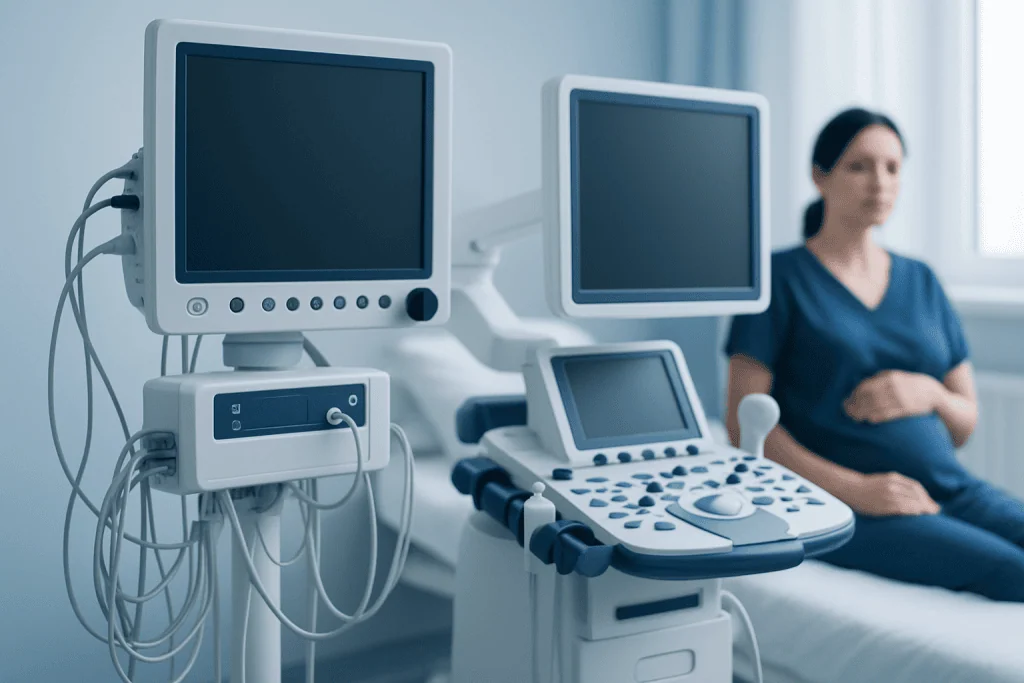
The hallmark symptom is sudden pelvic pain, often felt on the right or left side depending on which ovary is affected. Some people describe pain that starts during exercise, intercourse, or normal daily activity, while others feel it begin at rest. The pain may stay localized or spread across the lower abdomen, lower back, or upper thighs.
Other ovarian cyst rupture symptoms can include abdominal bloating, a feeling of pelvic fullness, nausea, and tenderness when moving. Mild vaginal spotting can occur, especially if the rupture happens around ovulation or another hormonal shift. Some people also feel discomfort with walking, changing position, or using the bathroom because movement can irritate the already sensitive pelvic tissues.
Symptoms may evolve over several hours. A brief sharp pain can be followed by milder soreness as leaked fluid irritates the lining of the abdomen. However, if bleeding inside the pelvis continues, pain may intensify rather than improve. Concerning changes include increasing abdominal swelling, weakness, dizziness, shoulder pain, or a sense that something is very wrong.
- Sudden one-sided pelvic or lower abdominal pain
- Bloating or pressure in the lower belly
- Light spotting or irregular bleeding
- Nausea or occasional vomiting
- Tenderness with movement or intercourse
- Dizziness or fainting in more serious cases
What can trigger a cyst to rupture?
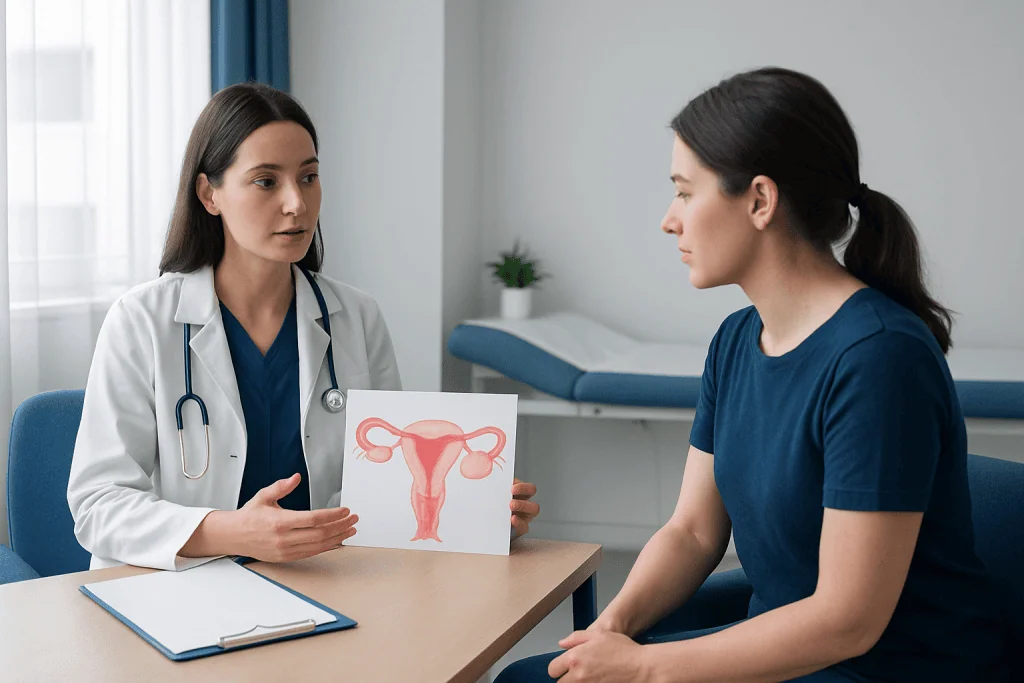
Many ovarian cysts form naturally during the menstrual cycle. These are called functional cysts and are the most common type in people who ovulate. A cyst may rupture simply because it has grown, changed during the cycle, or become fragile over time. In many cases, there is no clear trigger.
Sometimes rupture happens after physical activity, exercise, lifting, or sexual intercourse, likely because movement changes pressure inside the pelvis. Rupture can also occur around ovulation, when hormonal changes affect the ovary. A history of ovarian cysts, hormonal fluctuations, or conditions such as endometriosis may increase the chance of cyst formation and related pain.
Not all cysts are alike. Functional cysts are often harmless and self-limited, while hemorrhagic cysts contain blood and can cause more pain if they leak or bleed. Less commonly, a cyst may be associated with infection, pregnancy-related conditions, or an ovarian mass that needs further assessment. This is one reason imaging and follow-up are important when symptoms are significant or the diagnosis is uncertain.
Red flags that should not be ignored
Some symptoms suggest that a ruptured ovarian cyst may be causing significant internal bleeding or that another urgent condition is present. Severe or worsening pain, especially if it does not improve with rest, should not be ignored. Fainting, marked dizziness, pale skin, fast heartbeat, or weakness may point to blood loss or low blood pressure and need urgent medical attention.
Fever is another important warning sign because it may suggest infection rather than a simple rupture. Heavy vaginal bleeding is also not typical of a routine cyst rupture and should be evaluated. If a person could be pregnant, sudden pelvic pain requires prompt assessment to rule out ectopic pregnancy, which can be life-threatening.
Ovarian torsion is another condition doctors consider when symptoms are intense. This happens when the ovary twists, cutting off its blood supply and causing sudden severe pain, often with nausea and vomiting. Because the symptoms of torsion, rupture, appendicitis, kidney stones, and pelvic inflammatory disease can overlap, urgent evaluation is the safest approach when pain is severe or unusual.
How doctors confirm the cause of symptoms
Diagnosis starts with a careful history. A doctor usually asks when the pain started, where it is located, whether it is related to the menstrual cycle, and whether there is nausea, bleeding, fever, or pregnancy risk. A physical and sometimes pelvic exam can help identify tenderness, guarding, or signs that another pelvic condition may be involved.
Testing often includes a pregnancy test because pelvic pain in early pregnancy needs urgent clarification. Blood tests may be used to look for anemia from bleeding or signs of infection. The most common imaging test is a pelvic ultrasound, which can show a cyst, free fluid in the pelvis, or features that suggest another diagnosis. In selected cases, a doctor may recommend ultrasonography or additional cross-sectional imaging if the picture is unclear.
The goal is not only to confirm a ruptured cyst but also to assess its severity. Stable patients with mild symptoms may need observation and follow-up imaging, while those with concerning findings may require hospital monitoring. If there is ongoing uncertainty, gynecology specialists may advise further evaluation, including laparoscopy in carefully selected situations.
Treatment options and what recovery often looks like
Treatment depends on symptoms, exam findings, and imaging results. For many people, care is conservative: rest, monitoring, fluids, and pain relief while the body reabsorbs the fluid from the ruptured cyst. Doctors may recommend avoiding intense physical activity for a short time and arranging follow-up if symptoms do not settle.
If the cyst has caused significant bleeding, severe pain, or concern for complications, hospital care may be needed. This can include intravenous fluids, repeated blood tests, and monitoring of blood pressure and symptoms. When bleeding continues or the diagnosis remains uncertain, a gynecologic procedure may be necessary. In some cases, treatment may include ovarian cyst surgery to control bleeding, remove the cyst, or preserve the health of the ovary.
Recovery varies. Mild cases may improve over one to three days, though some soreness can last longer. It is important to follow the doctor’s instructions and seek reassessment if pain returns, bleeding increases, fever develops, or recovery seems slower than expected. For people with recurrent cysts, clinicians may discuss ways to reduce future episodes and evaluate for related gynecologic conditions.
Prevention, self-care, and when to seek medical care
There is no guaranteed way to prevent every ovarian cyst from forming or rupturing, especially functional cysts tied to ovulation. Still, tracking menstrual cycles and symptom patterns can help people recognize when pain is unusual for them. Follow-up imaging may be advised for known cysts, particularly if they are large, complex, or causing repeated symptoms.
At home, a person with mild symptoms should rest, stay hydrated, and avoid strenuous activity until a clinician has advised that it is safe to resume normal routines. Over-the-counter pain relief may help if suitable for the individual, but severe pain should not be masked or ignored. Self-care is appropriate only when symptoms are clearly mild and improving.
Medical care is recommended promptly for first-time severe pelvic pain, pain during pregnancy, fever, vomiting, heavy vaginal bleeding, or symptoms such as fainting and dizziness. It is also wise to seek care if pain persists beyond a day or two, keeps returning, or interferes with normal activities. Multidisciplinary specialists at Acibadem International, in JCI-accredited hospitals, diagnose and treat ovarian cyst problems for international patients, including evaluation with imaging and gynecologic care when needed.
For patients whose symptoms are related to an underlying gynecologic issue, doctors may also evaluate for conditions such as ovarian cysts. The most important step is timely assessment by a qualified clinician when symptoms are severe, changing, or difficult to explain.
Frequently asked questions
What does ovarian cyst rupture pain feel like?
It often feels like sudden lower abdominal or pelvic pain, usually on one side. The pain may be sharp at first and then become more aching or cramp-like. Some people also notice bloating, tenderness, or nausea.
Can a ruptured ovarian cyst cause bleeding?
Yes. A ruptured cyst can cause a small amount of vaginal spotting or internal bleeding into the pelvis. Light spotting may occur, but heavy bleeding, dizziness, or fainting are warning signs that need urgent medical attention.
How long do ovarian cyst rupture symptoms last?
Mild symptoms may improve within hours to a few days. Some soreness can linger longer as the body reabsorbs fluid and the irritated tissues settle. Symptoms that worsen or fail to improve should be checked by a doctor.
Is a ruptured ovarian cyst always an emergency?
No. Many ruptured cysts are mild and can be managed with observation and pain relief. It becomes more urgent when there is severe pain, ongoing bleeding, fever, fainting, pregnancy, or concern for another diagnosis such as ovarian torsion or ectopic pregnancy.
How is a ruptured ovarian cyst diagnosed?
Doctors use the symptom history, a physical or pelvic exam, pregnancy testing, and often pelvic ultrasound. Blood tests may help show anemia or infection. The aim is to confirm the cause of pain and rule out more urgent conditions.
Can exercise or sex trigger an ovarian cyst to rupture?
Sometimes, yes. Physical activity, intercourse, or sudden movement may trigger rupture in a cyst that is already fragile or enlarged. However, many ruptures happen without any obvious trigger.
References
- American College of Obstetricians and Gynecologists
- Office on Women's Health
- National Health Service
- Merck Manual Consumer Version
This article is for general information only and is not a substitute for professional medical advice. Please consult a qualified doctor about your individual situation.
Ovarian Cyst in Turkey — costs, top hospitals & a free quote
JCI-accredited · board-certified surgeons · reply within 24h
Add us as a Preferred Source to see more of our trusted health content across Google Search, AI Overviews and Discover.
Check your numbers in seconds
BMI, calories, due date, blood pressure and 30+ more clinical calculators — free, instant, doctor-reviewed ranges.

Gynecology & Obstetrics
Women’s health across pregnancy, gynecologic surgery and high-risk pregnancy care.
187 specialists in this unit