Effusion — Explained by Medical Evidence, Not Myths

Effusion refers to excess fluid collecting in a space where only a small amount is normally present. Common types include pleural effusion around the lungs, pericardial effusion around the heart, and joint effusion such as fluid in the knee.
Key Takeaways
- Effusion refers to excess fluid collecting in a space where only a small amount is normally present.
- Common types include pleural effusion around the lungs, pericardial effusion around the heart, and joint effusion such as fluid in the knee.
- Symptoms depend on where the fluid collects and how quickly it develops.
- Doctors diagnose effusion with a physical exam, imaging, and sometimes fluid sampling.
- Treatment focuses on the cause and may include monitoring, medications, drainage, or a procedure.
- Urgent medical review is important if effusion causes breathing trouble, chest pain, fever, or rapid swelling.
Effusion means an abnormal buildup of fluid in a body space, such as around the lungs, heart, or inside a joint. It is not a disease itself, but a sign of an underlying condition that may range from mild inflammation to infection, injury, or organ disease.
Overview: what effusion means
Effusion is the medical term for extra fluid collecting in a body space that normally contains little or no free fluid. In everyday language, it means a fluid buildup. This can happen around the lungs, around the heart, inside a joint, or in other tissues. The word itself does not name one specific illness. Instead, it describes a finding that doctors then connect to an underlying cause.
A small amount of fluid can be normal in some spaces because it helps reduce friction and allows smooth movement. Problems begin when too much fluid collects, when the fluid becomes infected or bloody, or when it builds up quickly. In these situations, the fluid may press on nearby structures and cause symptoms such as pain, shortness of breath, or reduced movement.
Effusion is often discussed as though it were one condition, but the medical meaning depends on location. A pleural effusion affects the lining around the lungs. A pericardial effusion affects the sac around the heart. A joint effusion, sometimes called “water on the knee,” affects joints such as the knee, ankle, elbow, or shoulder. Understanding the location helps explain the symptoms, tests, and treatment plan.
Types of effusion and how they differ
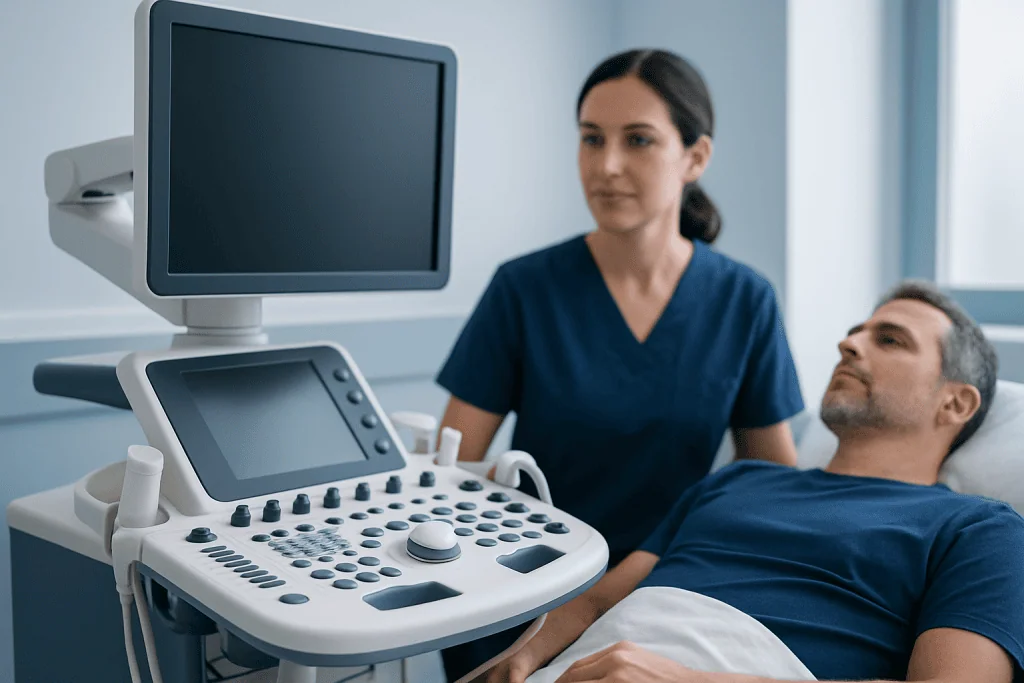
Different kinds of effusion have different effects on the body. Pleural effusion is fluid between the layers of tissue lining the lungs and chest wall. Because the lungs need room to expand, this type may cause shortness of breath, chest discomfort, or cough. It can occur with pneumonia, heart failure, kidney disease, liver disease, inflammation, or cancer. Readers looking for more detail on this form may also find pleural effusion helpful.
Pericardial effusion is fluid in the sac around the heart. Small amounts may cause no symptoms at all, but larger or fast-growing effusions can affect how well the heart pumps blood. Symptoms may include chest pressure, breathlessness, fatigue, or a sensation of a fast heartbeat. In more serious cases, the pressure can become an emergency.
Joint effusion means excess fluid inside or around a joint. The knee is one of the most common sites, but any joint can be affected. It often causes swelling, stiffness, warmth, and pain with movement. Joint effusion may follow an injury, arthritis, crystal disease such as gout, or infection. Other forms of fluid collection can occur in the abdomen or around surgical sites, but the same principle applies: fluid buildup points to another process that needs evaluation.
Symptoms of effusion

The symptoms of effusion depend mainly on location, volume, and speed of buildup. A small, slow-growing effusion may be found incidentally on imaging and cause few or no symptoms. A rapidly increasing effusion is more likely to produce noticeable problems because the body has less time to adapt.
Pleural effusion commonly causes shortness of breath, trouble taking a deep breath, chest discomfort, or a dry cough. Pericardial effusion may cause chest pressure, breathlessness when lying down, fatigue, or lightheadedness. Joint effusion typically causes visible swelling, pain, stiffness, tenderness, and reduced range of motion. The skin over a swollen joint may feel warm.
Some symptoms suggest a more urgent problem rather than a simple fluid buildup alone. These include fever, severe pain, fainting, blue lips, rapidly worsening breathlessness, confusion, or inability to bear weight on a joint. Such features can point to infection, significant inflammation, bleeding, or pressure on the heart or lungs.
- Breathlessness or chest pain with pleural or pericardial effusion
- Swelling, warmth, and limited movement with joint effusion
- Fever or chills if infection is involved
- Fatigue or weakness if the underlying cause affects major organs
Causes and risk factors
Effusion happens when the balance of fluid production and fluid removal is disturbed. This may occur because of inflammation, infection, injury, blockage of drainage pathways, changes in blood vessel pressure, or low blood protein levels. The exact cause matters because treatment is aimed at the condition behind the fluid buildup, not only the fluid itself.
Pleural effusion can develop with heart failure, pneumonia, pulmonary embolism, kidney disease, liver cirrhosis, autoimmune disease, and some cancers. Pericardial effusion may be linked to viral illness, autoimmune conditions, kidney failure, cancer, radiation, heart surgery, or an underactive thyroid. Joint effusion is often related to osteoarthritis, rheumatoid arthritis, gout, sports injury, ligament or meniscus damage, or joint infection. Related conditions such as pneumonia or heart failure may sometimes explain why the fluid forms.
Risk factors depend on the setting. They may include older age, chronic heart or lung disease, kidney or liver disease, recent infection, immune suppression, inflammatory disease, cancer history, trauma, or repetitive joint stress. Certain medications and recent surgery can also contribute in some cases. Still, effusion itself is not caused by myths such as “cold weather fluid” or “toxins.” It is a medical sign with identifiable biological causes.
How doctors diagnose effusion
Diagnosis starts with the medical history and physical examination. A doctor asks where symptoms are felt, how long they have been present, whether there has been fever, injury, infection, recent surgery, or chronic disease, and whether symptoms are worsening. On examination, the clinician may listen to the lungs and heart, look for leg swelling, or assess joint warmth, tenderness, and movement.
Imaging is often the next step. Chest X-ray, ultrasound, CT, and echocardiography can help identify fluid around the lungs or heart. Ultrasound and MRI may be useful for joint effusion, especially if injury to cartilage, ligaments, or surrounding tissues is suspected. Blood tests may help look for infection, inflammation, kidney disease, liver disease, autoimmune disorders, or cardiac strain.
Sometimes the fluid itself needs to be sampled. Removing a small amount for testing can help determine whether the effusion is due to infection, bleeding, inflammation, cancer, crystal disease, or pressure changes in the blood vessels. Examples include thoracentesis for fluid around the lungs, pericardiocentesis for fluid around the heart, and joint aspiration for a swollen joint. In selected cases, advanced evaluation may include cardiac MRI or echocardiography to better understand heart-related causes.
Treatment options
Treatment for effusion depends on its cause, size, location, and effect on nearby organs. Some small effusions can be monitored if symptoms are minimal and the cause is already known. Others need prompt treatment because they interfere with breathing, heart function, or joint movement. The first priority is identifying and treating the underlying condition.
Medications may be used when inflammation, infection, heart failure, autoimmune disease, or crystal arthritis is responsible. For example, antibiotics may be needed for bacterial infection, while anti-inflammatory treatment may help some joint or pleural causes. In heart-related fluid buildup, care may focus on improving overall heart function. If a larger procedure is needed for an underlying cause, this may include options such as thoracic surgery in selected chest conditions.
Drainage may be recommended when the effusion is large, painful, infected, or affecting organ function. Doctors can remove pleural fluid, pericardial fluid, or joint fluid using sterile techniques, often guided by imaging. Some people need a one-time drainage only, while others need repeated drainage or a procedure to prevent fluid from returning. If a pericardial effusion affects circulation, urgent drainage may be required.
Recovery and follow-up vary. Some effusions resolve fully once the underlying problem improves. Others can recur, especially when tied to chronic heart, lung, kidney, liver, inflammatory, or cancer-related disease. Regular follow-up helps confirm that symptoms are improving and that the fluid is not returning.
Prevention and self-care
Not every effusion can be prevented, but reducing the risk of the underlying cause can help. Managing chronic conditions such as heart disease, lung disease, kidney disease, liver disease, and arthritis is important. Taking prescribed medicines correctly, attending follow-up visits, and seeking care early when symptoms change can all make a difference.
For joint effusion, protecting the joints may help lower the chance of flare-ups or injury. Supportive measures can include rest after overuse, gradual return to activity, maintaining a healthy weight, and strengthening exercises recommended by a clinician or physical therapist. For chest-related effusions, avoiding smoking and keeping vaccinations up to date may help reduce the risk of respiratory infections that can lead to complications.
Self-care should not replace medical evaluation when there are significant symptoms. A person with known effusion should watch for signs of worsening, such as increasing breathlessness, chest discomfort, fever, severe joint pain, or reduced ability to move. Near the end of evaluation and treatment, some international patients may choose centers such as Acibadem International, where multidisciplinary specialists in JCI-accredited hospitals diagnose and treat complex causes of effusion.
When to seek medical care
Medical care should be sought if symptoms suggest that fluid buildup may be affecting breathing, heart function, or joint health. This includes new or worsening shortness of breath, chest pain, fever, a swollen painful joint, or a rapid increase in swelling. Prompt assessment is also important after trauma, surgery, or recent infection.
Emergency care is especially important for severe trouble breathing, fainting, confusion, blue discoloration of the lips, severe chest pressure, or a person who cannot walk because of a hot, swollen joint. These symptoms may signal serious complications such as infection, bleeding, or dangerous pressure around the heart or lungs.
Even when symptoms seem mild, persistent or unexplained effusion should not be ignored. A qualified doctor can determine whether observation is enough or whether imaging, laboratory tests, or drainage is needed. Early evaluation often makes treatment more straightforward and helps address the real cause rather than the fluid alone.
Frequently asked questions
Is effusion a disease?
No. Effusion is a medical term that describes excess fluid in a body space. It is a sign or finding that points to another cause, such as infection, inflammation, injury, heart disease, kidney disease, or arthritis.
Can effusion go away on its own?
Sometimes it can, especially if the fluid is small and the underlying cause improves. However, many effusions need medical follow-up because the cause may still require treatment and some effusions can return or worsen.
What is the difference between edema and effusion?
Edema usually means swelling caused by fluid in tissues, such as the legs or ankles. Effusion refers to fluid collecting in a defined internal space, such as around the lungs, around the heart, or inside a joint.
Is joint effusion the same as arthritis?
Not exactly. Arthritis can cause joint effusion, but a swollen joint may also be due to injury, gout, infection, or bleeding. The presence of fluid alone does not identify the cause.
How serious is pleural or pericardial effusion?
Severity depends on the amount of fluid, how quickly it develops, and the condition causing it. Small effusions may cause few symptoms, while larger or fast-growing ones can affect breathing or heart function and need urgent care.
How do doctors remove fluid from an effusion?
Doctors may use a needle or catheter to drain the fluid, often with imaging guidance. The exact procedure depends on location, such as thoracentesis for pleural effusion, pericardiocentesis for pericardial effusion, or aspiration of a joint.
References
- World Health Organization
- Centers for Disease Control and Prevention
- National Heart, Lung, and Blood Institute
- American College of Rheumatology
- MedlinePlus
This article is for general information only and is not a substitute for professional medical advice. Please consult a qualified doctor about your individual situation.
Joint and spine care in Turkey — expert assessment & treatment
JCI-accredited · board-certified surgeons · reply within 24h
Add us as a Preferred Source to see more of our trusted health content across Google Search, AI Overviews and Discover.

More from the Health Library

Erythromycin — Explained by Medical Evidence, Not Myths

Moles on Face — Explained by Medical Evidence, Not Myths

Ventricles: A Complete Medical Overview

Dead Tooth: An Evidence-Based Guide for Patients

Pomegranate Juice: An Evidence-Based Guide for Patients